REVIEW · SEVILLE
Private visit to Casa de Pilatos and Casa Salinas
Book on Viator →Operated by Clara Alarcón · Bookable on Viator
Two palaces, one story of Seville. This private walk threads Casa de Pilatos with Casa Salinas, plus quick context stops in the old Judería streets so you don’t just look—you understand. I especially like how the guide turns architectural styles into something you can actually spot on the spot.
I also like the practical ticket assistance built into the experience. A guide helps you sort entry at each site, which keeps the day moving in a part of town where time can disappear fast in line and confusion.
One thing to consider: entrance tickets are not included, so you’ll want to budget for them separately before you go.
In This Review
- Key takeaways before you go
- Casa de Pilatos and Casa Salinas together: why this pair works
- Meeting point and the San Bartolomé feel: start where the story begins
- Casa de Pilatos: Gothic, Mudejar, Renaissance—read the palace like a map
- The walk stops that add meaning: St. Bartholomew and Santa María la Blanca
- Casa Salinas: a restored private residence with a Bacchus mosaic
- Private guide dynamics: what you gain (and what you might want to ask)
- Timing, walking comfort, and what to wear
- Price and value: what you pay for, and what you’ll still buy
- Who this tour is best for
- Should you book this Seville palaces tour?
- FAQ
- How long is the private visit?
- Is this tour private or shared?
- What sites do you visit during the tour?
- Are entrance tickets included?
- Is there a free admission stop?
- Where does the tour start and end?
- What happens if weather is bad or plans change?
Key takeaways before you go
- Casa de Pilatos design lessons in plain sight: Gothic, Mudejar, and Renaissance details are explained where you can see them.
- Quick Judería context stops: Church of St. Bartholomew and Santa María la Blanca help frame the neighborhood’s religious shifts.
- Casa Salinas is still a home: you get a look at a restored private residence, not just a showpiece museum.
- A real in-between walk: narrow streets of San Bartolomé keep the day from feeling like two disconnected visits.
- Ticket support is included: your guide assists with buying entries, plus the tour uses a mobile ticket.
- Short, focused stop at Santa María la Blanca: admission there is free, and the visit is brief but meaningful.
Casa de Pilatos and Casa Salinas together: why this pair works
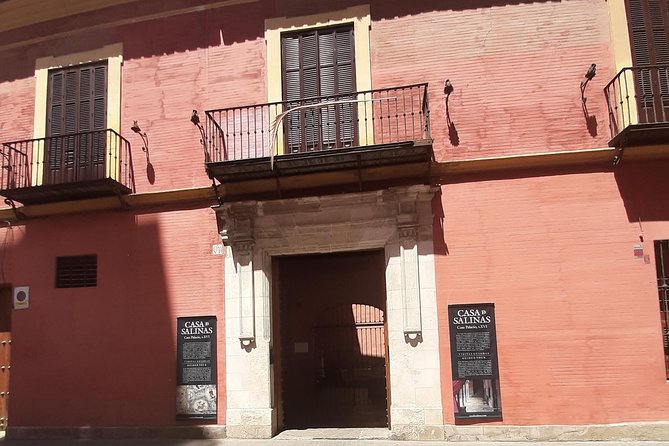
This is the kind of tour that makes sense of Seville’s house-magic. You’re not bouncing around random attractions. You’re walking between two of the city’s celebrated historic residences, and the guide helps you connect the dots between design, power, and how ordinary life actually sat inside these walls.
What I like most is that Casa de Pilatos doesn’t feel like an isolated palace highlight. You get it as a complex with layered styles and a real sense of who lived there. Then Casa Salinas flips the mood toward a 16th-century private home that’s been restored with care by its owners. That contrast alone keeps the day fresh.
And the best part? The route through San Bartolomé and the Judería-adjacent streets adds context without turning the day into a history lecture that never ends.
You can also read our reviews of more private tours in Seville



Meeting point and the San Bartolomé feel: start where the story begins
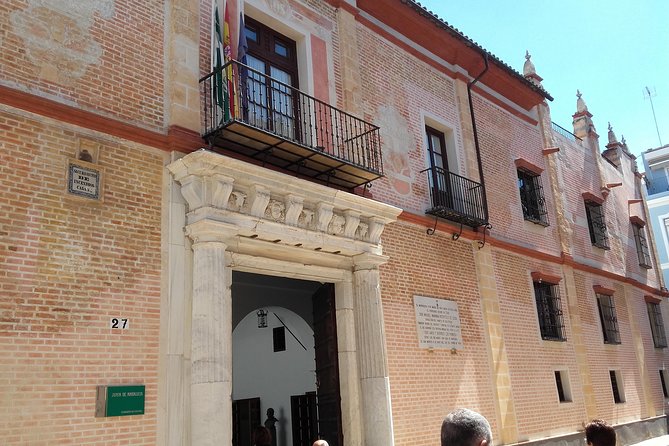
You meet at Casa de Pilatos, right at Pl. de Pilatos, 1 in the Casco Antiguo. That’s a smart start, because it puts the first big palace right in front of you while your brain is still in walking-and-looking mode.
From there, the tour moves through narrow streets in the San Bartolomé neighborhood. This matters more than you might think. In Seville, the setting is part of the experience. The side streets and tight lanes help you understand why these houses and churches sit the way they do—close, layered, and shaped by centuries of change.
You’ll also pass landmarks on the way, including the House of Mañara and the Church of San Bartolomé, built in the place where one of the three synagogues of Seville once stood. Even though these are not the long stops, they act like signposts that keep the larger story coherent.
Casa de Pilatos: Gothic, Mudejar, Renaissance—read the palace like a map
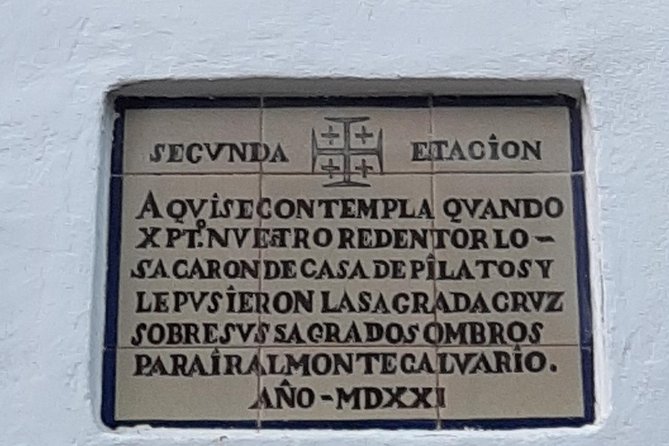
Casa de Pilatos is the first real wow moment, and the tour is structured to help you see why. You spend about an hour here, with the guide walking you through the architectural mix and the key personalities behind the estate.
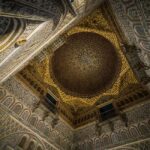
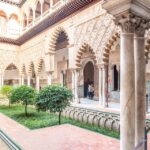
This stop is all about pattern recognition—what to look for and what each style tends to signal. You’ll notice the harmony of Gothic, Mudejar, and Renaissance elements working together rather than fighting. That combination isn’t random decoration. It reflects the cultural currents that flowed through Seville over time.
Here are the specific things you should watch for during the walk-through:
- The monumental cover: the kind of frontispiece that sets the tone right away.
- Sculpture collections: not just statues for posing, but pieces with historical meaning.
- Tiles on the walls: these weren’t painted for speed; they were built to be lived with.
- Coffered ceilings: the ceiling becomes a detail you feel even from below.
- The grand staircase: it’s built for movement and status—how you climb matters here.
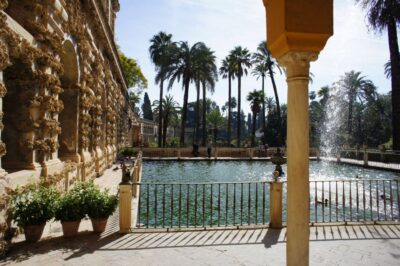
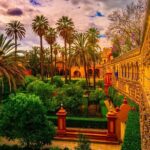
Then you get the softer counterweight: the gardens. The tour highlights the freshness of the outdoor spaces, and that shift in temperature and light helps you understand how the inhabitants used the palace as a whole—indoor drama plus outdoor breathing room.
Tip for your eyes: when the guide points something out, take a quick second to step back and look at the overall composition, not only the detail. These houses are designed to reward both close-up and “from here, the whole thing makes sense” viewing.
The walk stops that add meaning: St. Bartholomew and Santa María la Blanca
Between the palaces, the tour doesn’t just move you from A to B. It gives you a short window into religious history tied to this neighborhood.
A key stop is the Iglesia de Santa María la Blanca. The tour notes that this church began as a mosque ceded by Ferdinand III to the Jewish community for use as a synagogue, and later it was transformed into a church. Even with a brief visit (about 10 minutes), the point is clear: the building’s identity shifted across different communities and eras.
You’ll see it as a physical record of Seville’s layered past, which makes the surrounding streets feel less random. Instead of treating the Judería area as a postcard, you start noticing how religious architecture can change function while keeping the bones of the structure.
Also along the way, you’ll pass the Church of San Bartolomé, located on the spot where one of Seville’s three synagogues once stood. That doesn’t have to become a full separate visit to be useful. It works as a connective thread, so by the time you reach Santa María la Blanca, the story is already in your head.
One practical note: Santa María la Blanca is listed with free admission, so this is one of the easiest value wins on the route.
Casa Salinas: a restored private residence with a Bacchus mosaic
Casa Salinas is where the day shifts from grand display to lived-in elegance. You’ll spend about 40 minutes here, and the standout difference is how the house still functions as a private residence.
The tour describes it as a 16th-century palace house that continues to be private and has been restored with care by its owners. That matters because it changes the feel: you’re not just touring a building behind ropes. You’re seeing a home that has been treated like it deserves to last.
In the patio, the visual focus is dramatic and specific:
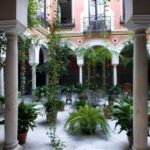
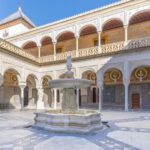
- Arched galleries with plasterwork
- Genoese marble columns (a detail that sounds fancy, but you can literally see the look and finish)
- Tiled cloths (decorative tiling that reads like patterned fabric from a distance)
- Cartuja windows—another feature that shapes light and framing
Then you get a look at the ground-floor rooms that continue to be used by the owners. That’s a big part of why people love this stop: it feels intimate, not staged for crowds.
The courtyard holds one of the tour’s biggest wow moments. The impressive Roman mosaic—dating to the second century—is dedicated to the god Bacchus. This is one of those moments where the room stops being only about the palace. Suddenly, the house ties back to older layers beneath Seville’s later life.
If you like art and architecture, take a steady minute here and let the mosaic become the anchor. After that, the rest of Casa Salinas will feel less like “pretty rooms” and more like a carefully preserved sequence.



Private guide dynamics: what you gain (and what you might want to ask)
This is a private walking tour, meaning only your group participates. That gives the guide freedom to adjust pacing to your interests—especially helpful here, where the palace details can reward slower looking.
The guide is also built into the value. You get explanations of monuments and assistance buying tickets at each site. In practice, that means fewer wasted minutes and less stress about the right entry points.
From the tour provider’s side, this experience is associated with Clara Alarcón as the guide. Some past tours have also featured guides such as Carmen, and the common thread across guide experiences is clear: people respond well when the guide makes the house feel alive and readable, not like a list of facts.
If you book, think about what you want most:
- Architecture spotting and style differences?
- Religious history of the neighborhood?
- Art details like tiles, ceilings, and the Bacchus mosaic?
A private setup means you can steer those priorities during the walk.
Timing, walking comfort, and what to wear
The tour is about 2 hours total, with time split roughly like this:
- Casa de Pilatos: about 1 hour
- Santa María la Blanca: about 10 minutes
- Casa Salinas: about 40 minutes
That pacing is tight but not frantic. It’s built around seeing key highlights rather than attempting every single corner of each property. You’ll also be walking between stops through narrow streets, so comfortable shoes matter.
You should also plan around weather. The experience notes it requires good weather, and poor conditions can trigger a reschedule or refund. In Seville, that’s not a small detail. Sun and heat can turn an hour outdoors into a different kind of test.
Price and value: what you pay for, and what you’ll still buy
The listing shows a price of $0.00, but the important part is what’s included. Entrance tickets to monuments are not included, and you’ll get assistance purchasing them on the day.
So the real value math is:
- You’re paying for a private guide, clear pacing, and ticket help.
- You’re separately paying for access to Casa de Pilatos and Casa Salinas.
- You get a short free stop at Santa María la Blanca.
Because it’s a private experience and not a big-group bus tour, you should feel the difference in attention. The tour time is spent in the rooms and courtyards you came for, not lost in waiting, splitting up, and trying to catch up with strangers.
As for souvenirs: those aren’t included either. That’s normal, but it’s worth noting so you don’t budget time for shopping unless you want it.
Who this tour is best for
I think this tour is a strong match if you:
- Like historic houses and architectural details more than giant museum halls
- Want a private guide who can explain what you’re seeing
- Prefer a tight itinerary with smart context stops rather than long detours
- Enjoy religious history that’s tied directly to buildings you can walk past
It’s also a good fit for people who want to see both palaces in one outing without juggling separate visits on your own.
If your definition of a tour is purely fast, camera-first sightseeing with minimal explanation, you might find this style more thoughtful than checklist-y. Here, the guide’s storytelling and the time spent on design details are part of the point.
Should you book this Seville palaces tour?
Book it if you want to understand Seville through two standout residences, with a guide who can point out what matters and why. The combination of Casa de Pilatos architecture, the quick neighborhood context around Santa María la Blanca, and the private-home atmosphere of Casa Salinas creates a day with variety, not repetition.
Pass or reconsider if you don’t want to pay separate entrance fees and you’re hoping for a purely outside-and-photos-only experience. Also consider your tolerance for short indoor time in a private setting; this tour is designed to be intimate and detailed, not sprawling.
If you’re the type who gets excited by staircases, tiles, ceilings, and the moment a Roman mosaic surprises you in a courtyard, you’ll probably love this outing.
FAQ
How long is the private visit?
The experience is listed at about 2 hours total.
Is this tour private or shared?
It’s private. Only your group participates.
What sites do you visit during the tour?
You visit Casa de Pilatos and Casa Salinas, with stops along the way including the Church of St. Bartholomew area and the Iglesia de Santa Maria la Blanca.
Are entrance tickets included?
No. Entrance tickets to the monuments are not included, but the guide provides assistance with purchasing tickets at each site.
Is there a free admission stop?
Yes. The stop at Iglesia de Santa Maria la Blanca is noted as admission ticket free.
Where does the tour start and end?
It starts at Casa de Pilatos, Pl. de Pilatos, 1, Casco Antiguo, 41003 Sevilla, Spain. It ends at Casa Salinas, C. Mateos Gago, 39, Casco Antiguo, 41004 Sevilla, Spain.
What happens if weather is bad or plans change?
The experience requires good weather. If canceled due to poor weather, you’ll be offered a different date or a full refund. There is free cancellation up to 24 hours in advance for a full refund.