REVIEW · SEVILLE
Secrets of Maria Luisa Park and Plaza de Espana
Book on GetYourGuide →Operated by Naturanda Turismo Ambiental · Bookable on GetYourGuide
Seville has a park that feels like a secret map. This guided walk through Maria Luisa Park connects the green spaces to the big design ideas of Forestier and Aníbal González, with a clear stop-and-explain style. I like that you get the story behind what you’re seeing, not just photos.
My favorite part is the way the official guide slows you down at the right moments, pointing out details and curiosities that get missed at normal strolling speed. I also love the focus on two major moments: Plaza de América and Plaza de España, both tied to the Ibero-American Exposition of 1929.
One thing to keep in mind: the pace is structured with lots of short photo stops, so the main plaza time can feel brief if you’re expecting a long, free-roaming wander.
In This Review
- Key things you’ll notice on this walk
- Maria Luisa Park: Seville’s first urban green lung, with a story attached
- Starting point options that shape how you feel at the start
- Gustavo Adolfo Bécquer and the monument chain that sets the tone
- Estanque de los Lotos and the garden design you can actually follow
- Glorietas and named Sevillians: Juanita Reina, plus two roundabout legends
- Monte Gurugú: the route’s turning point before the big plazas
- Plaza de América: where the tour gives you the design logic
- Plaza de España: Aníbal González and the Expo 1929 centerpiece
- Guides make the difference: how Julián, MariPaz, and Grecia tend to teach
- Timing, walking comfort, and what to bring so the sun doesn’t win
- Price and value: why about $14 can feel fair here
- Who this tour is best for
- Should you book Secrets of Maria Luisa Park and Plaza de España?
- FAQ
- How long is the tour?
- How much does it cost?
- Where does the tour start?
- Which languages are available?
- Is this tour wheelchair accessible?
- What stops are included in the route?
- What should I bring for the walk?
- What’s included in the price?
- Is food or drinks included?
- Is there cancellation protection?
Key things you’ll notice on this walk
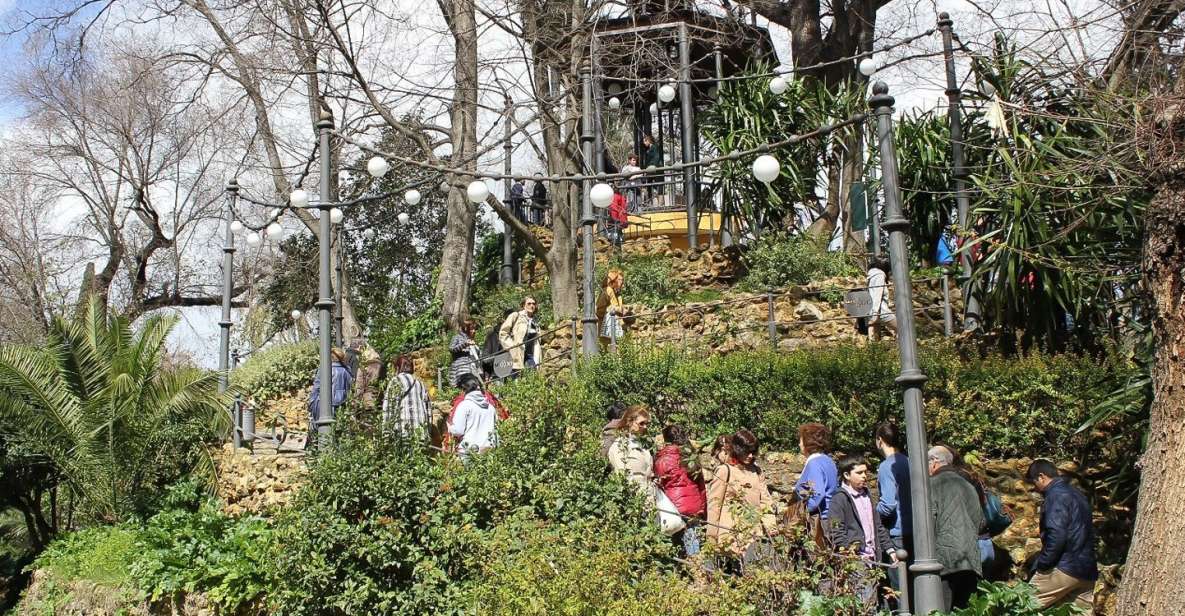
- You’ll learn how the park became Seville’s first urban green lung, after it was donated by Infanta Maria Luisa Fernanda in 1914
- Plaza de España and Plaza de América are treated as design chapters, not quick checkpoints
- Aníbal González’s Expo 1929 role is part of the explanation when Plaza de España comes into view
- Forestier’s influence shows up in the garden plan you follow through the route
- Stops include named monuments and roundabouts, so the tour ties spaces to the city’s people across the 20th century
- Guides can make or break the experience, and past walkers have highlighted friendly guides like Julián, MariPaz, and Grecia
Maria Luisa Park: Seville’s first urban green lung, with a story attached
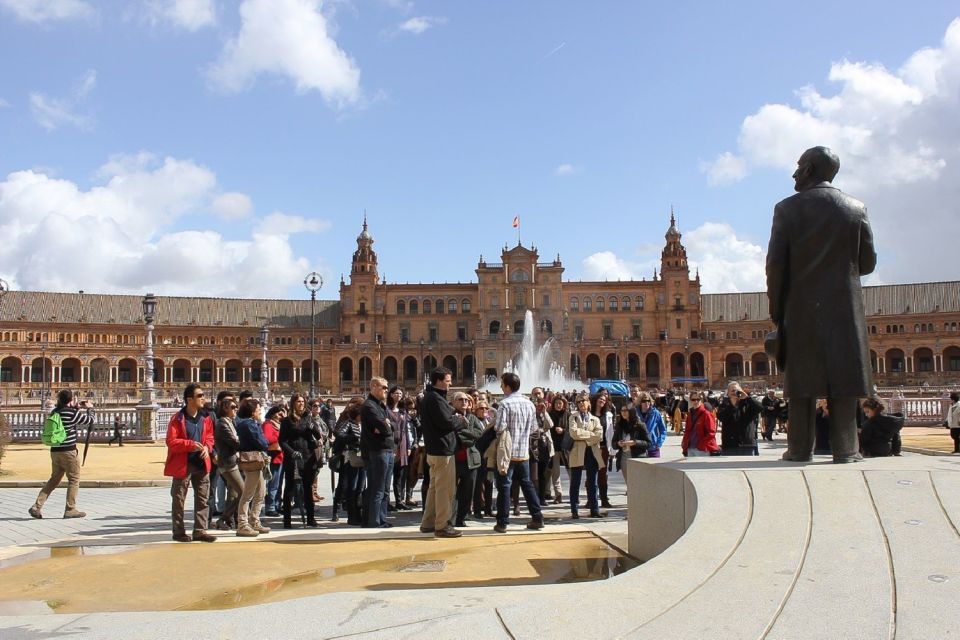
Maria Luisa Park is the sort of place that changes your rhythm. One minute you’re walking through Seville’s streets; the next, you’re in a planted calm where the city’s design ideas feel intentional, not accidental.
This park mattered early. It was Seville’s first urban park and became one of the city’s biggest green lungs. Originally, it belonged to the private gardens of Infanta Maria Luisa Fernanda. Then, in 1914, she donated it to the city. That one transfer is the backbone of the tour: it turns the park from scenery into a living piece of Seville’s civic history.
The walking part is a big plus. You’re not stuck in a museum. Instead, you move through the spaces at a human scale, and the guide explains how the natural and architectural meanings shift from one area to the next. It’s the kind of tour where you start paying attention to why a spot exists, not only what it looks like.
Practical note: bring comfortable shoes. You’ll be walking through a beautiful historical park, under sun that can feel serious in spring and summer. Sunglasses, sunscreen, and a hat aren’t optional here.
You can also read our reviews of more tours and experiences in Seville.

Starting point options that shape how you feel at the start
The tour gives you two starting options: Avenida María Luisa (La Raza) or the Fuente de la Glorieta de San Diego. Either works, but your first impression matters.
If you start on Avenida María Luisa, you tend to feel like you’re stepping into the park right away. If you start at Fuente de la Glorieta de San Diego, you’re more likely to get a gentle entry with a clear visual landmark before the first monument stop.
Either way, the structure is similar: you begin with a quick orientation and then move through a run of stops with short guided visits. That format is efficient, and it keeps you from spending too long in one area while missing the broader design story.
Gustavo Adolfo Bécquer and the monument chain that sets the tone
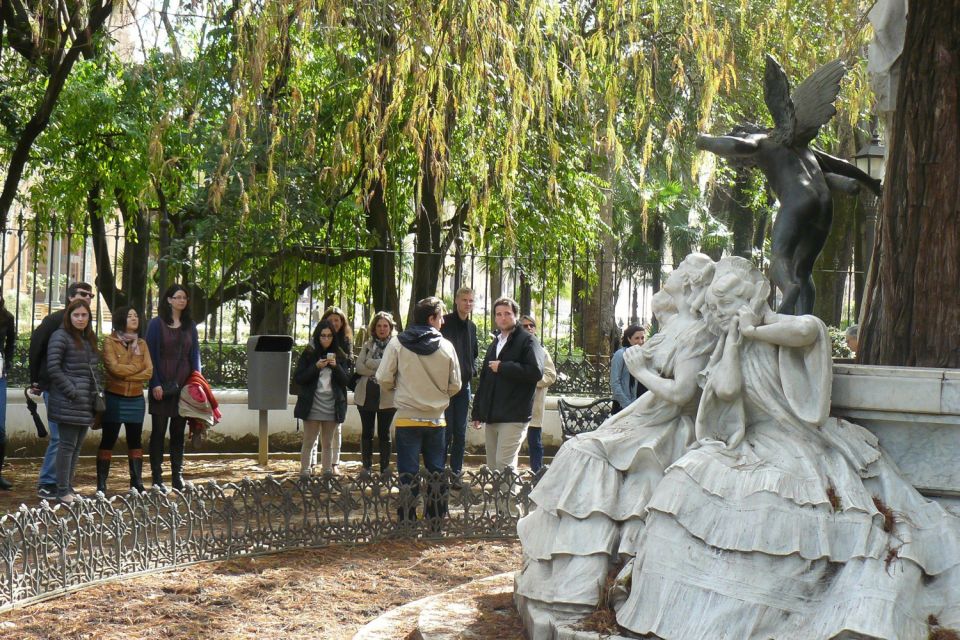
Early on, the tour hits Gustavo Adolfo Bécquer Monument for a photo stop and a guided explanation lasting about 15 minutes.
This is a smart way to start because it gives you context before the park’s most iconic spaces. A monument early in the route acts like a mental bookmark: it signals that this is not only landscaping. The tour is also about people—how Seville marked its culture and public life through named places.
From there you move to Monumento a la Infanta Maria Luisa for a shorter stop (around 10 minutes). Since the park’s origin includes Infanta Maria Luisa Fernanda’s donation in 1914, this is where the guide can connect the historical timeline to a physical point you can see and photograph. Even if you don’t know the backstory ahead of time, you’ll understand why the tour keeps returning to key figures.
If you’re the type who likes structure, this “monument chain” is one of the tour’s strengths. It turns the walk into a guided line of meaning.
Estanque de los Lotos and the garden design you can actually follow
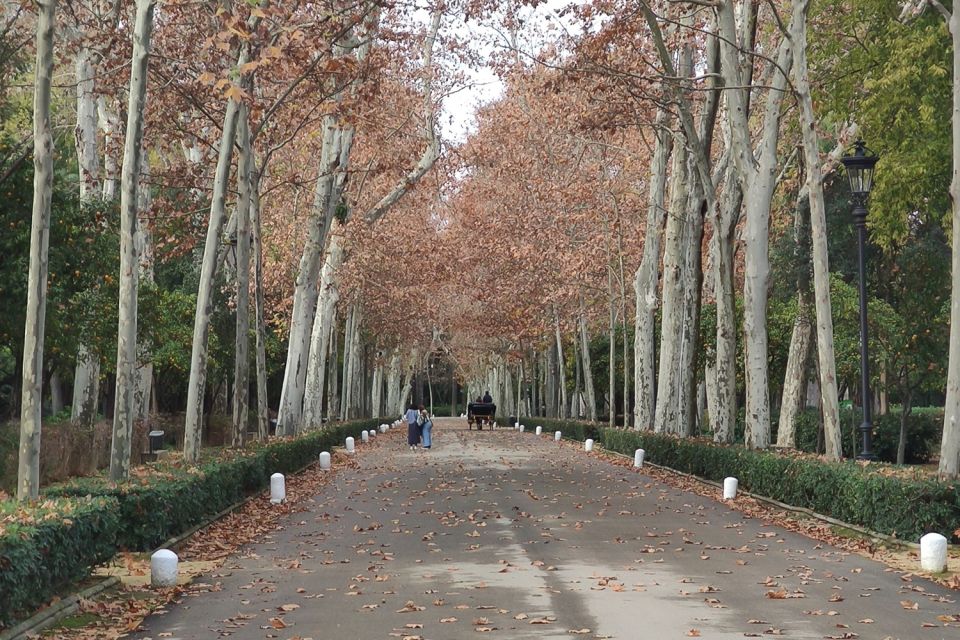
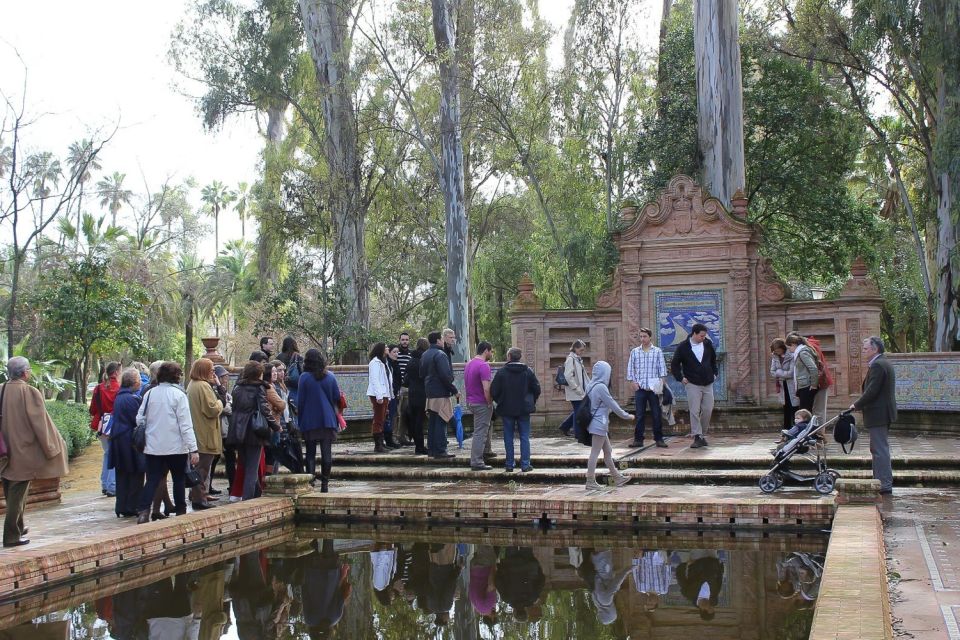
Next comes a brief, focused stop at Estanque de los Lotos (about 5 minutes for photo, visit, and guided context).
This is one of those places where the route matters. The tour is designed around garden flow—connecting the park’s design ideas as you move from section to section. The plan links the works of Forestier and Aníbal González across areas you pass along the way, including the stretch associated with Monte Gurugú and onward to the pond area.
Short stop length can sound like a downside, but in practice it’s often helpful. It keeps the route moving while still letting the guide point out what to notice. You’re not left guessing why this pond area feels like a natural pause.
If you prefer lingering, you can still do that briefly on your own after the tour ends. But during the tour, think of each stop as a page in a story, not a whole book.
Glorietas and named Sevillians: Juanita Reina, plus two roundabout legends
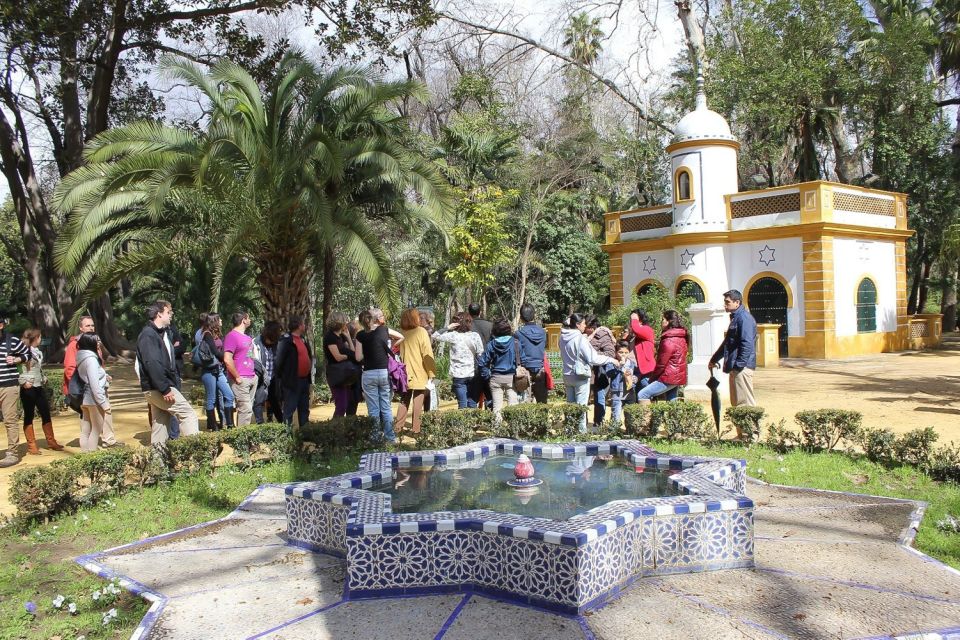
As you continue, you’ll hit a series of smaller but meaningful named points:
- Glorieta de Juanita Reina (photo stop, visit, guided tour around 5 minutes)
- Glorieta de los Hermanos Machado (around 10 minutes)
- Glorieta de los Hermanos Álvarez Quintero (around 10 minutes)
These stops matter because the tour keeps returning to the human side of Seville’s park. The overview explicitly frames the tour as a way to learn about the life of illustrious Sevillians and the history of the 20th century in the Andalusian capital. You can feel that theme in these names: roundabouts and garden corners become mini-addresses for people and cultural identity.
Are these stops as visually dramatic as Plaza de España? Not always. But they give you rhythm. Each one is a chance to reset your eyes and check your footing in the park while the guide ties the route together.
If you’re taking photos, these are also excellent “less crowded” moments compared with the bigger plazas. You’ll get quick chances to step back, compose, and listen.

Monte Gurugú: the route’s turning point before the big plazas
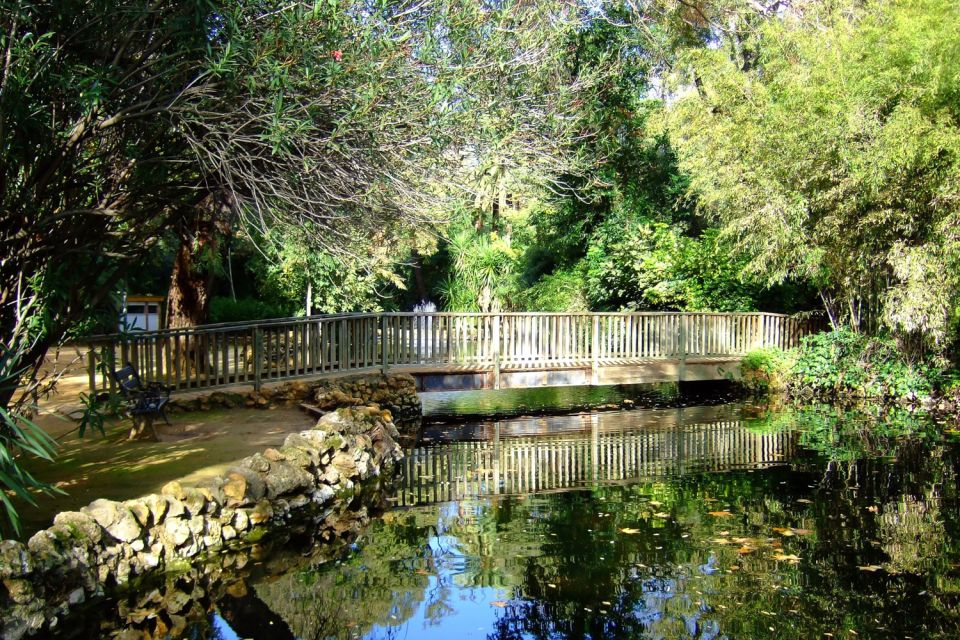
Then you reach Monte Gurugú for about 10 minutes of photo stop, visit, and guided tour.
Monte Gurugú is described as part of the route that leads into the design ideas connecting Forestier and Aníbal González across the park. In other words, it’s less about one single attraction and more about where the story shifts.
This is where I like to pay extra attention to what the guide emphasizes: what changes in the plan, how the space feels, and why you’re being guided through a sequence instead of jumping directly to the biggest monuments.
You’ll also appreciate this stop if you’ve had your fill of “look at that” sightseeing. It’s more like, here’s the reason this place is positioned the way it is.
Plaza de América: where the tour gives you the design logic
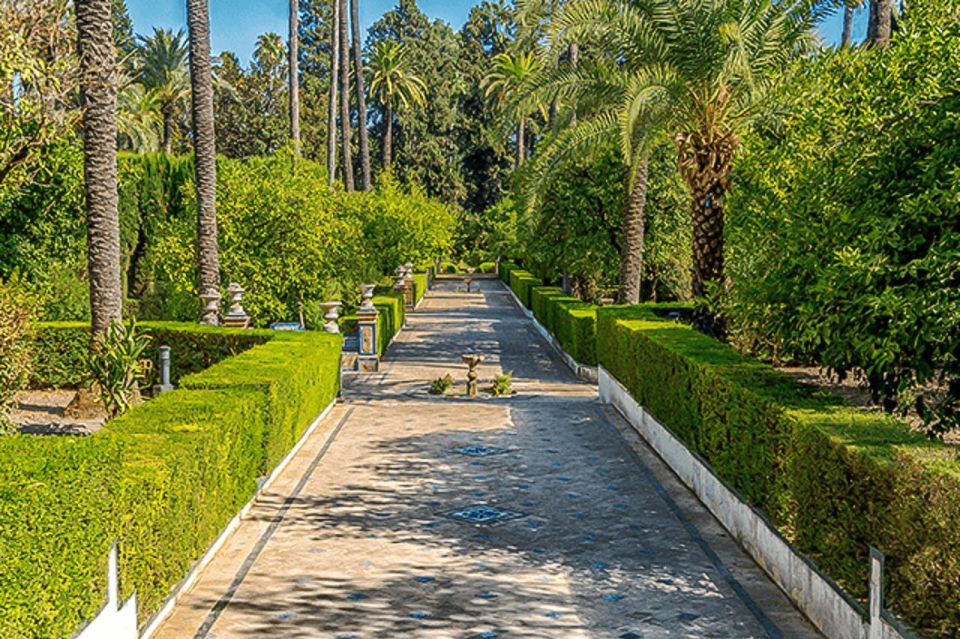
The tour then moves to Plaza de America for about 20 minutes: photo stop, visit, and guided tour.
This is one of the highlights because it’s treated as a key stop for understanding how the park’s design works. The tour emphasizes the connection between the park’s planned spaces and the larger historical framework, especially the Expo 1929 storyline.
If you’re worried you’ll only get to hear about the main plaza, Plaza de América is your assurance. It’s one of the places where you’re likely to understand the logic of the route: how the garden plan organizes viewpoints and pauses, and why the park feels composed rather than random.
And since the tour frames Plaza de América as an important counterpart to Plaza de España, you’ll end up comparing what you notice at each plaza. That contrast is one of the easiest ways to remember the tour.
Plaza de España: Aníbal González and the Expo 1929 centerpiece
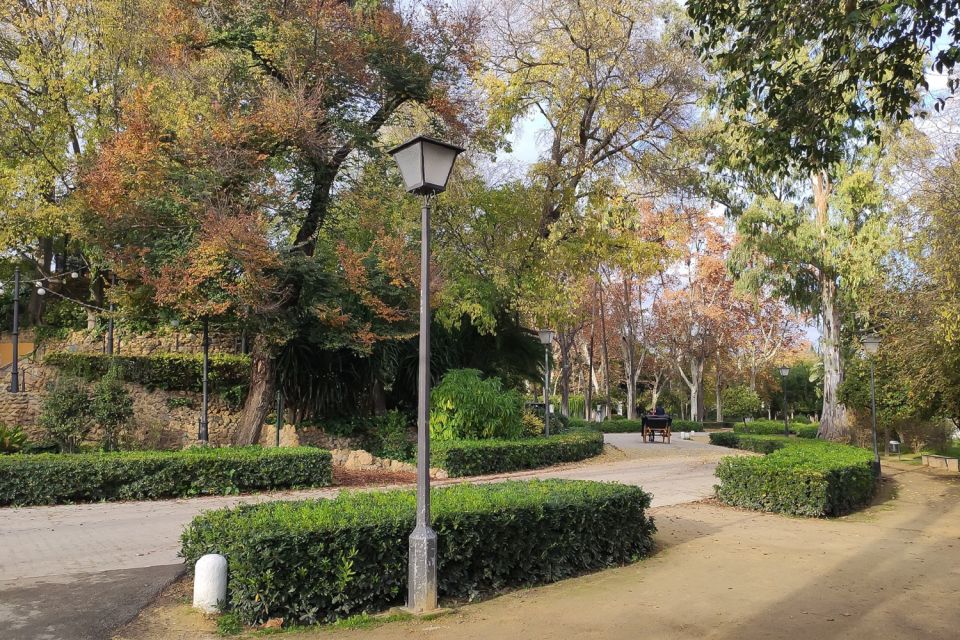
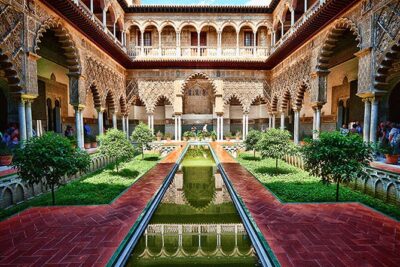
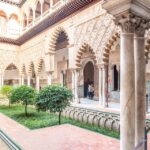
Finally, you arrive at Plaza de España, Seville for a longer stop (about 25 minutes of photo, visit, and guided tour).
Here’s the big context: Plaza de España was built by Aníbal González for the Ibero-American Exhibition of 1929. It was the largest architectural element built for the event. That fact matters, because it explains why this plaza feels like it’s holding the tour’s biggest “historical weight.”
When the guide speaks here, pay attention to how they link the expo purpose to the spaces you’re standing inside. Even without inventing extra details, the guiding idea is clear: this wasn’t built for a one-time moment only. It became a lasting structure in Seville’s park and identity.
Time note: one of the trade-offs you may notice is that the tour is time-balanced across many stops. One earlier review described seeing Plaza de España in only a few minutes after a slower park segment, and that can happen depending on the flow of your group and pace. If Plaza de España is your number-one priority, go in with realistic expectations: the tour gives you guided orientation, but it’s not a long independent sit-down.
After Plaza de España, your drop-off options are Fuente de la Glorieta de San Diego or Avenida María Luisa (La Raza).
Guides make the difference: how Julián, MariPaz, and Grecia tend to teach
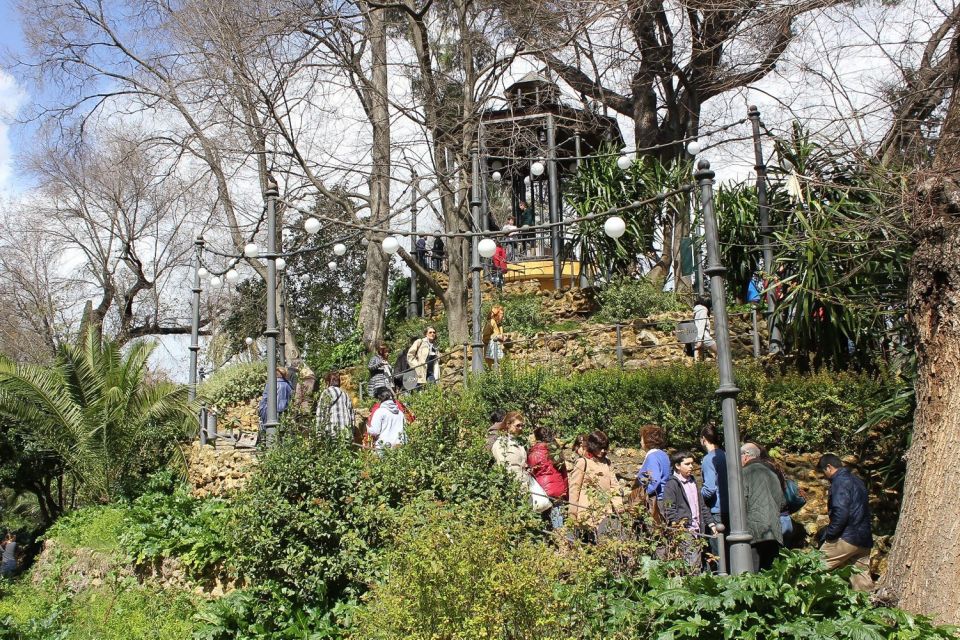
This tour is led by an official guide, and that’s not a minor detail. A walking tour inside a park works only if the guide can translate “spaces” into “meaning.”
In feedback from past walks, guides like Julián have been praised for friendly explanations full of details about fountains and park secrets. MariPaz has also been highlighted for being upbeat and entertaining while covering park intricacies and the Plaza de España experience. And Grecia was noted as exceptionally pleasant on the route.
So what should you do as a visitor? Keep your ears open and ask yourself a simple question at each stop: what is the guide trying to get me to notice here? If you do that, the tour becomes far more memorable.
Timing, walking comfort, and what to bring so the sun doesn’t win
On paper, this is a 2-hour tour, and it’s described as a walking tour through a beautiful historical park. In real life, depending on your group and pace, it can drift a bit longer. That’s worth planning for, especially if you’re lining up later reservations.
What to bring is straightforward:
- Comfortable shoes
- Sunglasses
- Sun hat
- Sunscreen
- Comfortable clothes
The park’s value is that it’s pleasant, but the outdoors part is still outdoors. Don’t underestimate the sun.
If you get tired easily, this tour still may work because it’s broken into short segments, with photo stops and guided tours at each point. That structure prevents the classic problem of a long, unbroken walk where you start tuning out.
Price and value: why about $14 can feel fair here
At about $14 per person, this tour is priced in the zone where you’re not paying for an all-day experience. You’re paying for a focused package: official guidance, a structured route, and time spent at two big set-piece plazas tied to major historical context.
What makes it feel like value is the combination:
- You’re not just seeing Plaza de España and Plaza de América
- You’re getting design and historical explanation for the park’s key spaces
- You’re led by an official guide (and the tour can be private if you choose that option)
Also, taxes are included, and food and drinks aren’t, so you aren’t subsidizing lunch you don’t need. If you go in expecting a compact, high-information walk rather than a long hangout, the price makes sense.
Who this tour is best for
This experience is a good fit if you:
- Want context for the park, not just wandering
- Like design stories tied to major events like the Expo 1929
- Enjoy short stops that keep you moving while learning
- Want an organized route that helps you notice things you might walk past
It may be less ideal if you:
- Want a lot of unstructured time in only one place
- Prefer long stays and quiet time at Plaza de España without stops nearby
- Are extremely sensitive to walking time, even though the route uses short segments
Should you book Secrets of Maria Luisa Park and Plaza de España?
Yes—if your goal is to understand the park quickly and walk away with a real sense of why these places matter. This tour’s best advantage is its structure: it ties together Seville’s first major urban park story, the names and monuments along the route, and the design focus on Plaza de América and Plaza de España.
Book it if you like learning on your feet and you’re happy to trade a little free time for guided clarity. If Plaza de España is your sole priority, still book—but arrive knowing the visit is guided and time-based, not a long independent visit.
Given the strong feedback on guides like Julián, MariPaz, and Grecia, I’d treat this as a tour where paying attention to the guide is half the experience.
FAQ
How long is the tour?
The duration is about 2 hours.
How much does it cost?
The price is listed as $14 per person.
Where does the tour start?
You can choose between Avenida María Luisa (La Raza) and Fuente de la Glorieta de San Diego, and the meeting point may vary depending on the option booked.
Which languages are available?
The live tour guide is Spanish.
Is this tour wheelchair accessible?
Yes, it is described as wheelchair accessible.
What stops are included in the route?
The tour includes Gustavo Adolfo Bécquer Monument, Monumento a la Infanta Maria Luisa, Estanque de los Lotos, Glorieta de Juanita Reina, Monte Gurugú, Plaza de America, Glorieta de los Hermanos Machado, Glorieta de los Hermanos Álvarez Quintero, and Plaza de España.
What should I bring for the walk?
Wear comfortable shoes and bring sunglasses, a sun hat, and sunscreen, especially in spring and summer.
What’s included in the price?
An official tour guide, either group or private tour depending on the option selected, and all taxes are included.
Is food or drinks included?
No, food and drinks are not included.
Is there cancellation protection?
Free cancellation is offered up to 24 hours in advance for a full refund.