REVIEW · SEVILLE
From Seville: Day Trip to Tangier with Lunch
Book on GetYourGuide →Operated by Descubre · Bookable on GetYourGuide
You wake up in Spain, then trade coasts. This day trip to Tangier makes the Strait of Gibraltar feel real fast, with a ferry crossing and views you can’t fake from a screen. I also love the guided walk through Tangier’s Medina, especially the maze of old lanes and the famous blue-painted streets.
One possible drawback to plan for: the schedule includes shop stops, so it helps to go in with your shopping brain turned off.
After a long travel morning, the best part is that you still come away with a clear sense of place. You get a local guide in your ear, plus time to look around on your own once you’re oriented.
In This Review
- Key highlights you’ll care about
- Crossing the Strait of Gibraltar from Seville without feeling rushed
- Tarifa hop-on stop: a quick break before Morocco
- Tangier arrival: meeting your guide and starting with the Medina
- Cap Spartel and Hercules Caves: quick stops for big atmosphere
- The shop stops: useful context or unwanted selling pressure
- Lunch in Tangier: what’s included, what to budget for
- The second Tangier segment: more photos, more time to breathe
- Value check: is $556 per person worth it?
- Logistics you should plan around (passport, control lines, and ferry changes)
- Who this Tangier day trip suits best
- Should you book this day trip from Seville to Tangier?
- FAQ
- Where is the meeting point for the tour?
- How long does this day trip take?
- Which languages are spoken by the live guide?
- What’s included in the price?
- Is lunch included, and what does it include?
- Are mint tea and pastries included?
- What documents do I need to bring?
- What happens if the ferry is canceled?
Key highlights you’ll care about
- Ferry crossing with wildlife spotting: keep an eye out for whales and dolphins moving through the strait
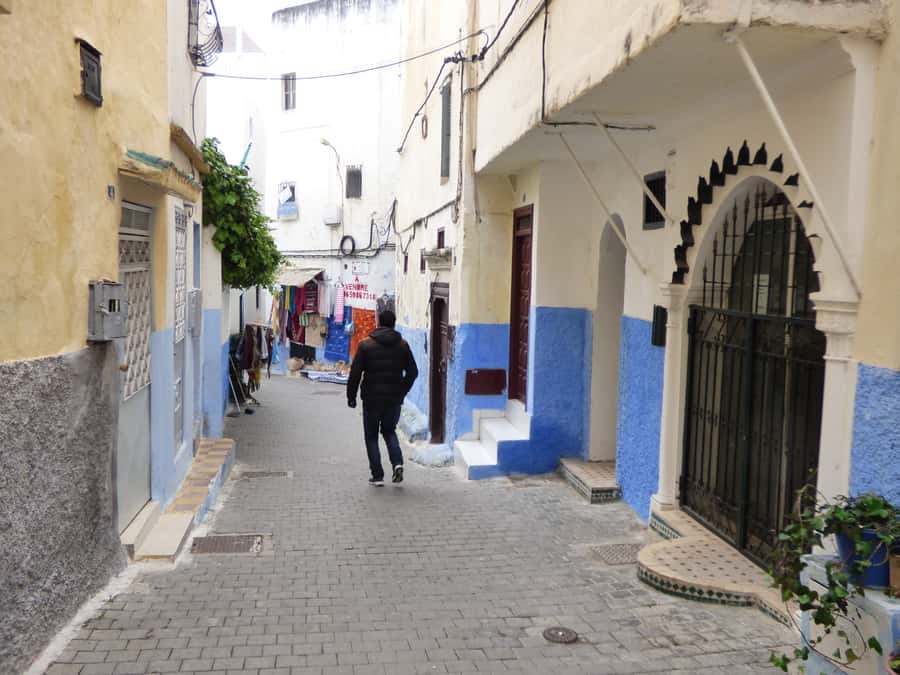
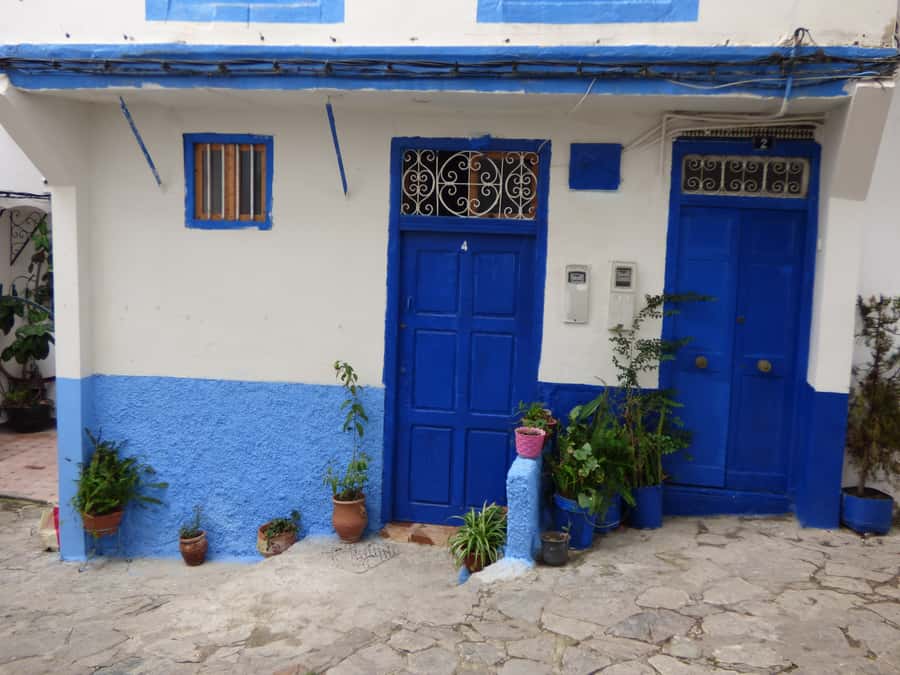
- Medina time with a local guide: old fort-like streets and blue-painted lanes, guided so you don’t get lost
- Cap Spartel and Hercules Caves photo stops: short guided moments for big scenery
- Carpet factory visit: see how the craft trade is presented locally, not just a sales pitch from a storefront
- A real three-course Moroccan lunch: appetizer, starter, and main included, with optional pastries and mint tea
Crossing the Strait of Gibraltar from Seville without feeling rushed
The heart of this trip is the ferry ride. You leave Seville in the morning and spend part of the day simply moving across the water, taking in the Spanish and African coastlines as they slide by. This isn’t just “getting there.” It’s the warm-up act for everything you’ll see once you hit Tangier.
There’s also a fun, low-effort bonus: your route runs through an area where whales and dolphins migrate. Nobody can guarantee sightings, but if you’re on the alert and standing in the right spot, it can turn into one of those moments you remember long after the photos fade.
Because the trip lasts about 14.5 hours, you’ll want to treat it like a full day, not a quick excursion. Wear shoes you can walk in for several stretches, and bring a layer. Ferry weather has a way of changing its mind.
You can also read our reviews of more tours and experiences in Seville

Tarifa hop-on stop: a quick break before Morocco
Before you reach the Moroccan side, you get a stop in Tarifa. It’s set up like a hop-on hop-off moment with about an hour to reset. That matters more than it sounds. You’ll have a long ride, a ferry crossing, and then an organized sightseeing day.
Use this break for simple stuff: bathroom stop, water, and a quick look around so Tangier doesn’t feel like a sudden jump into another world. Then you’re back on the transfer and moving toward the ferry port again.
On the way back, Tarifa shows up once more with a shorter stop, around 30 minutes. Think of it as a breather before you head all the way back to Seville.
Tangier arrival: meeting your guide and starting with the Medina
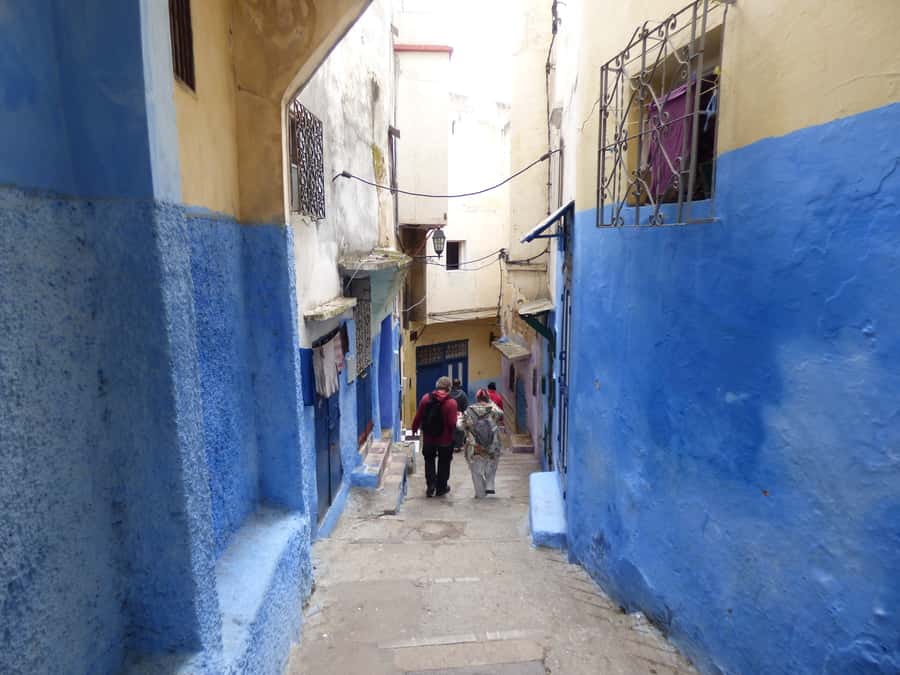
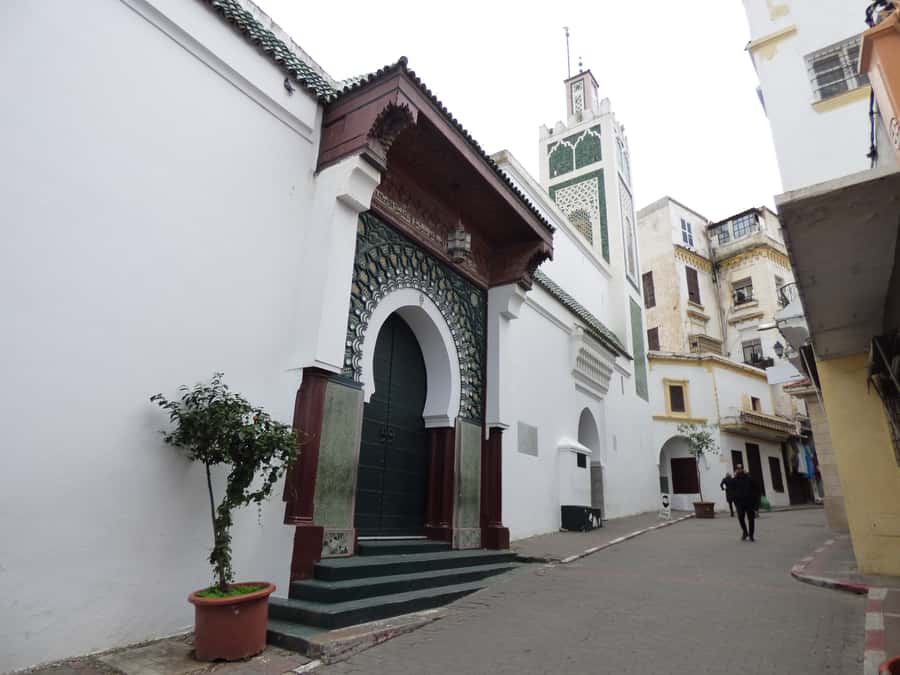
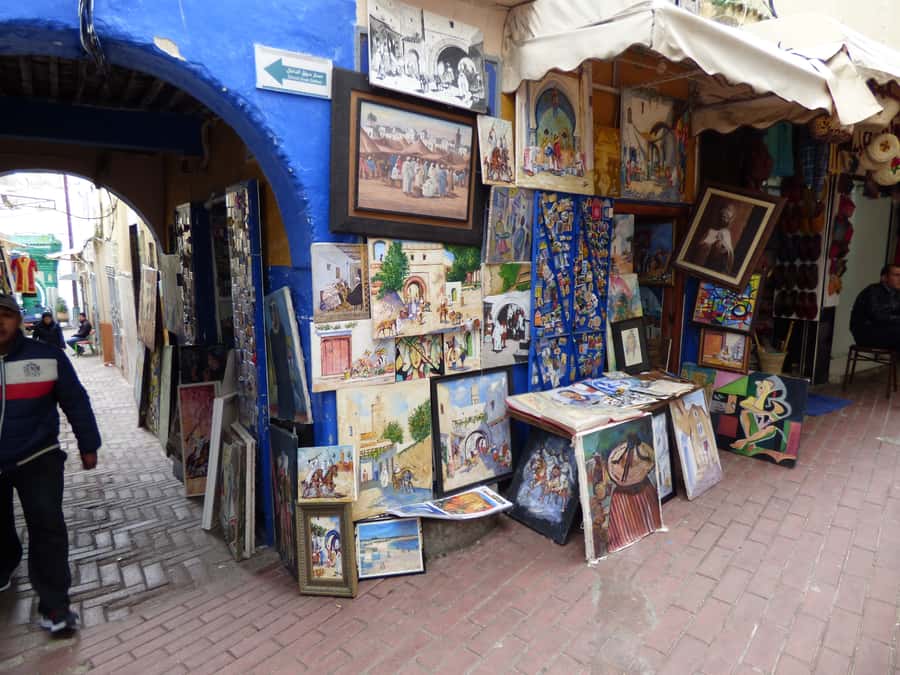
Once you land in Tangier, you meet your local guide and jump straight into getting your bearings. The tour focuses on the older, fortified core of the city, the Medina, which is where you’ll feel the city’s character fastest.
This is also where the guide really earns their keep. The Medina is a tangle of narrow lanes. Without context, it can feel like wandering. With a guide, it becomes a story: where you are, why it looks the way it does, and how to move through it without losing your group or your sense of direction.
You’ll also see the blue-painted streets, and you’ll be shown how to read the area beyond just taking pictures. Even when you’re not shopping, you start to understand why certain streets and stops exist, and what role they play in daily life.
One review highlight worth noting: the Tangier portion has a guide named Rachid (spelled Raschid in one account), and people praised his humor and multilingual style. That kind of guide can turn a fast, busy walk into something you actually enjoy.
Cap Spartel and Hercules Caves: quick stops for big atmosphere
After Medina time, you’ll make two photo stop / guided tour moments:
- Cap Spartel (about 30 minutes)
- Hercules Caves (about 30 minutes)
These are shorter segments, so the goal isn’t to “see everything.” The goal is to get a sense of the coast and the geography around Tangier, then move on while the day still feels full rather than exhausted.
I like how this section gives you a palate cleanser. Medina is close, dense, and human-scale. These stops shift you to open-air viewpoints and quick guided context. If you go in expecting quick hits instead of a deep study, you’ll get more satisfaction from the time you have.
The shop stops: useful context or unwanted selling pressure
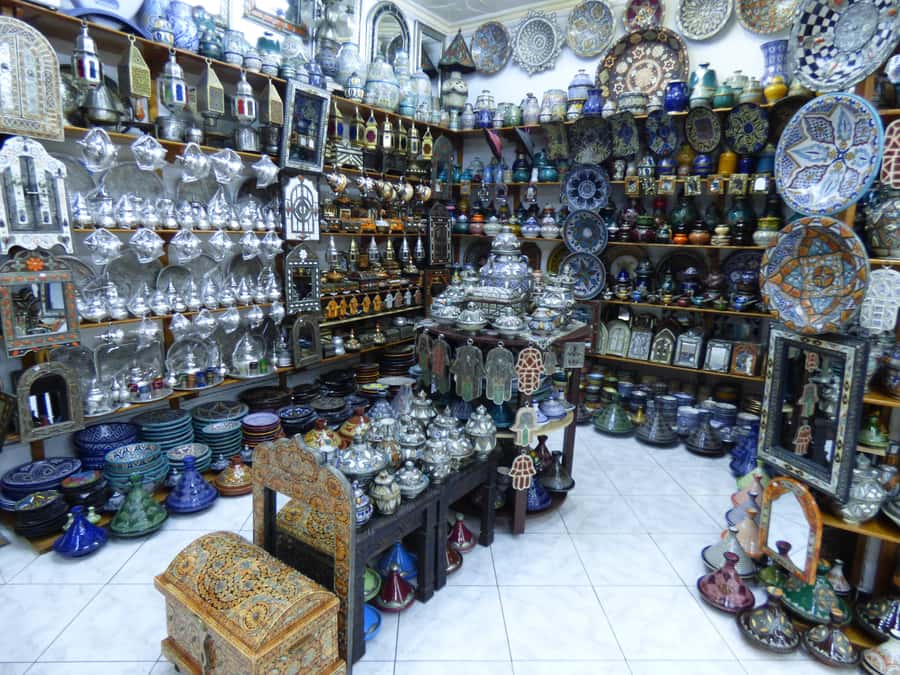
This tour includes stops that look like “shops,” including:
- a traditional Berber pharmacy
- a carpet factory
- additional photo stop time around Tangier
Here’s the honest tradeoff. These visits can be informative because you see the products and get local explanations. They can also become more sales-heavy than you want, and one experience included an herbal oils stop that felt long and pushy.
So I suggest a simple strategy:
- Browse first, buy last.
- If someone is steering you hard toward a purchase, pause. Tell yourself you can always walk back later.
- Set a mental rule: if you’re uncomfortable, you’re allowed to stop engaging.
The carpet factory stop is probably your best middle ground. Even if you don’t buy anything, you can still learn how the craft is presented and what kinds of items people are looking at. Just don’t expect “no sales” just because it’s part of a guided day.
You can also read our reviews of more tours and experiences in Seville



Lunch in Tangier: what’s included, what to budget for
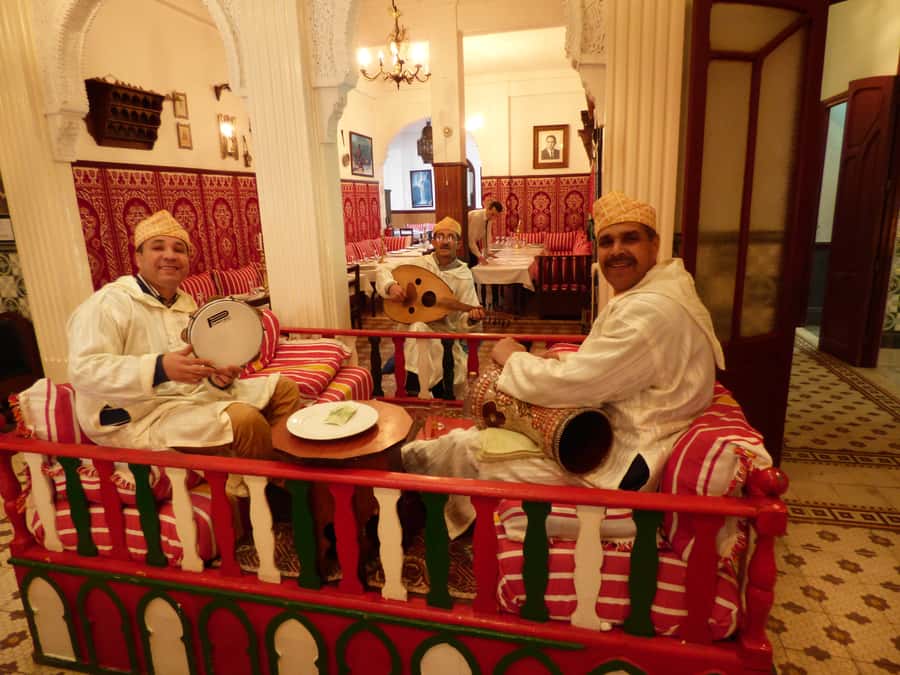
Lunch is scheduled as its own segment, about an hour. You get a typical Moroccan meal with:
- an appetizer
- a starter
- a main course
That’s a meaningful inclusion, because food stops are often where day trips either cut corners or leave you navigating menus while tired. Here, you’re covered.
You can also expect optional add-ons at your own cost, including Moroccan pastries and mint tea. This is common in Morocco, and it’s a nice chance to slow down a bit and try something sweet. But because it’s not included, it’s smart to carry extra cash or be ready to pay by card if that’s an option where you eat.
Practical tip: if you’re sensitive to spice or strong flavors, tell your guide. A good guide can help you interpret what you’re being served so you don’t end up stuck trying to power through something you didn’t expect.
The second Tangier segment: more photos, more time to breathe
After lunch, you get another Tangier sightseeing chunk, with a photo stop and a guided tour time lasting about 1.5 hours. This is a nice structure because it means you don’t just rush through Medina once. You get a second pass, which helps if you missed a street the first time.
This extra time is also where you can do two things well:
- Revisit a lane you liked earlier, once you understand how it fits into the bigger picture.
- Take photos when you’re not still trying to figure out what’s around the corner.
If you want that “I actually got to see Tangier” feeling instead of “I stood in a line and got a few snapshots,” this second segment is a key piece of the schedule.
Value check: is $556 per person worth it?
At $556 per person for a 14.5-hour, cross-border day trip, this isn’t a cheap outing. So the value question isn’t just the ferry. It’s what you’re getting for the money.
Here’s what you’re paying for that can justify the cost:
- Transportation across the whole day
- A live guide (English and Spanish)
- Lunch included (three-course meal, not just a snack)
- A guided, structured plan that takes you into the Medina and includes specific stops like a carpet factory
The biggest value driver is the guided part. If you try to do Tangier on your own from Seville, you’re juggling ferry times, border timing, getting local transit right, and navigating neighborhoods where a guide saves you time and confusion. This tour compresses all of that into one organized day.
The best sign that it’s a good deal is simple: you finish the day feeling oriented, not scattered. Reviews praised how smoothly the Tangier portion was handled and how guides made visitors feel welcome. That’s not just nice. It’s functional value.
The main reason it might not feel worth it for everyone is stamina and shopping tolerance. If you hate shop stops, or if you’re the type who wants slow wandering without scheduled stops, the structure may feel like it’s running ahead of your pace.
Logistics you should plan around (passport, control lines, and ferry changes)
This trip has a few “adulting” realities you can’t ignore.
First: you need a passport or ID card, and the info also notes you may need a passport or visa to enter Morocco. Before you go, check your entry requirements carefully so you aren’t blindsided on the day.
Second: passport control wait times can vary depending on the number of passengers. That’s normal for a busy crossing, but it means you should build in flexibility. Expect the day to run on real-world timing, not just the schedule on paper.
Third: ferries sometimes cancel. If the ferry between Spain and Tangier is canceled, the itinerary changes. Alternate locations could include Tarifa or Bolinia beach, and in those cases you may not be accompanied by a guide and would explore on your own. That’s worth knowing before you book, especially if you’d rely heavily on the guide for navigation.
Finally: the tour notes this isn’t suitable for mobility impairments, and pets aren’t allowed.
Who this Tangier day trip suits best
This is a strong match if you want:
- a one-day introduction to Morocco without planning every detail
- a guided walk in the Medina so you don’t feel lost
- a structured day with transportation and lunch taken care of
- bilingual support in English and Spanish
It’s less ideal if you:
- hate scheduled shop stops or pressure to buy
- need lots of quiet time with no group movement
- want a fully flexible day with no reliance on ferry timing
Also, this is a private group, which can help the pacing feel more manageable than big-group chaos.
Should you book this day trip from Seville to Tangier?
I’d book it if you want a guided, organized taste of Tangier and you’re comfortable with a full, long day. The ferry crossing plus a real Medina visit plus an included Moroccan lunch is a combo that saves you planning time and helps you see the city in a meaningful way.
I wouldn’t book it if you’re sensitive to shopping stops, or if ferry disruptions would ruin your flexibility. One lesson from real-world timing: it helps to treat this as a “border day,” not a guaranteed sightseeing day.
If you go in prepared with the right documents, patient energy, and shoes for walking, this trip can deliver what day trips should: a sense of place, not just a checklist.
FAQ
Where is the meeting point for the tour?
You meet at Naturanda Turismo – Tourist Office.
How long does this day trip take?
The total duration is about 14.5 hours.
Which languages are spoken by the live guide?
The live tour guide speaks English and Spanish.
What’s included in the price?
Transportation, a live guide, and lunch are included.
Is lunch included, and what does it include?
Yes. Lunch includes an appetizer, starter, and main course.
Are mint tea and pastries included?
No. Mint tea and pastries are available to buy at your own cost.
What documents do I need to bring?
Bring a passport or an ID card. A passport or visa may be necessary for entry to Morocco.
What happens if the ferry is canceled?
If the ferry is canceled, the itinerary is changed. Alternate locations could include Tarifa or Bolinia beach, and in those cases you will not be accompanied by a guide and will explore on your own.