REVIEW · SEVILLE
From Seville: Tangier Day Trip with Local Guide and Lunch
Book on GetYourGuide →Operated by Naturanda Turismo Ambiental · Bookable on GetYourGuide
Tangier in one day sounds impossible, yet the route makes it feel doable. You get a fast ferry crossing, a quick tour of the coast at Cap Spartel, and a guided walk through Tangier’s Medina—plus lunch in a traditional spot. The flow is built for first-timers who want the big highlights without planning bus times and ferry lines.
My favorite part is the combination: you see the Strait of Gibraltar from the water, then you’re on foot in old streets where a local guide helps you read what you’re looking at. I also really like that lunch isn’t a box or a tourist buffet; it’s built into the day with real Moroccan food and often music. The main drawback is simple: it’s a very long day with lots of walking, stairs, and waiting around ferry/passport checks.
In This Review
- Key Things That Make This Day Trip Work
- From Seville to Tarifa: Why This Start Matters
- The Strait of Gibraltar by Ferry: Views, Queues, and Sea Conditions
- First Look at Tangier: Bus Tour, Cap Spartel, and the Hercules Myth
- The Medina on Foot: How a Guide Keeps the Day Moving
- Lunch in Tangier: Moroccan Food, a Real Break, and Music
- Shopping Time and Vendor Pressure: What to Expect and How to Handle It
- Return to Seville: The Late-Day Ferry Reality
- Price and Value: Is $258 Worth It for This Much Transit?
- Who This Trip Suits Best (and Who Might Feel Strained)
- Should You Book This Seville-to-Tangier Day Trip?
- FAQ
- How long is the Seville to Tangier day trip?
- What is the price per person?
- What’s included in the price?
- What is not included?
- Do I need a visa for Morocco?
- What documents do I need to bring?
- What languages are the tours offered in?
- Is there a guide in Tangier?
- What are my cancellation options?
Key Things That Make This Day Trip Work
- Fast crossing via Tarifa: you use the quick ferry jump to cut down travel time.
- Cap Spartel + Caves of Hercules: you get both the dramatic viewpoint and the myth behind it.
- Guided Medina route: you’re not wandering blind in narrow lanes and market pressure.
- Lunch is scheduled: regional food is built into the itinerary, not left as an afterthought.
- Comfort-focused transit: you ride in a climate-controlled vehicle with room to move.
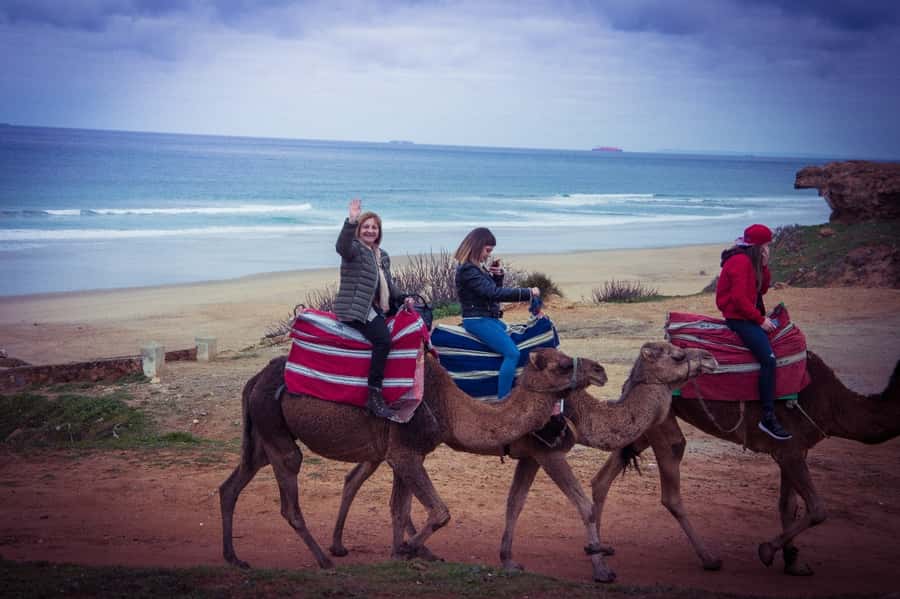
- Optional extras like camel rides: you keep choices open for what you want to add on the day.
From Seville to Tarifa: Why This Start Matters
This trip is designed as a corridor, not a random day of sightseeing. After pickup in Seville (which varies by option), you head out by coach in an air-conditioned vehicle for about 2.5 hours toward Tarifa, the Spanish village that acts like your gateway.
Tarifa itself gets a dedicated stop (around an hour). That’s time you’ll actually use: grabbing water, using restrooms, and getting your head straight about the ferry process. It also helps you avoid the most stressful version of this day, which is arriving flustered and scrambling last minute.
If you get motion sickness easily, keep that in mind during this stretch. Even before you’re on the boat, you’ll want your plan ready for the crossing—because later you’re going to spend a lot of time in lines and at boarding points.
You can also read our reviews of more guided tours in Seville


The Strait of Gibraltar by Ferry: Views, Queues, and Sea Conditions
The heart of the day is crossing the Strait of Gibraltar on a fast ferry (about 75 minutes each direction). On a clear day, the water views are a big part of the payoff: you’re moving between continents, and you feel it even from a passenger deck.
Here’s what I’d plan for: boarding and passport stamping can take real time. A number of people note that the passport process can mean queues, and the ferry may be crowded with limited seating. If you’re the type who hates standing around, this is where you’ll want patience.
If seasickness is a concern, don’t pretend you’re fine. Bring what you normally use. One practical tip from experience: choose your spot wisely on the boat if you can, since conditions can vary with weather. And yes—on a day like this, it’s smart to bring a phone charger so you don’t hit battery panic while you’re waiting between segments.
First Look at Tangier: Bus Tour, Cap Spartel, and the Hercules Myth
Once you arrive, you immediately get a short bus tour (around 30 minutes). This is underrated. You’re not thrown into the Medina cold; you get orientation first—how the city sits on the coast, where the main areas are, and what direction you’re heading.
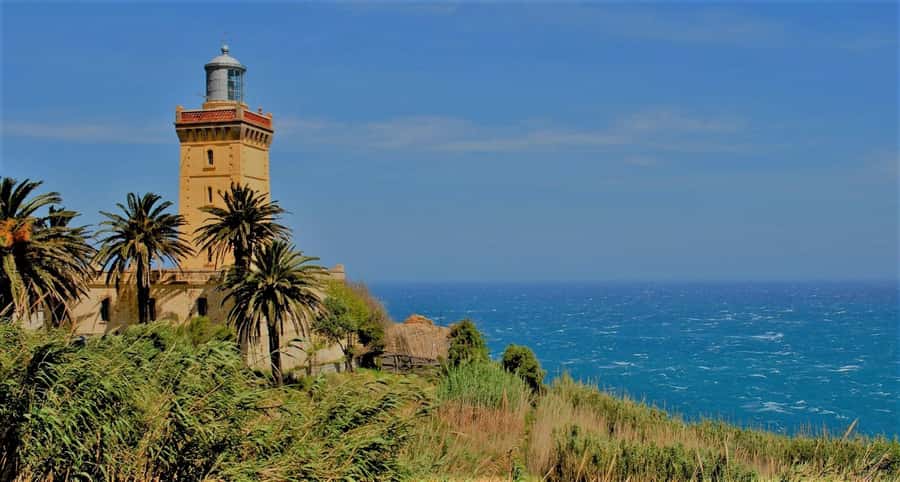
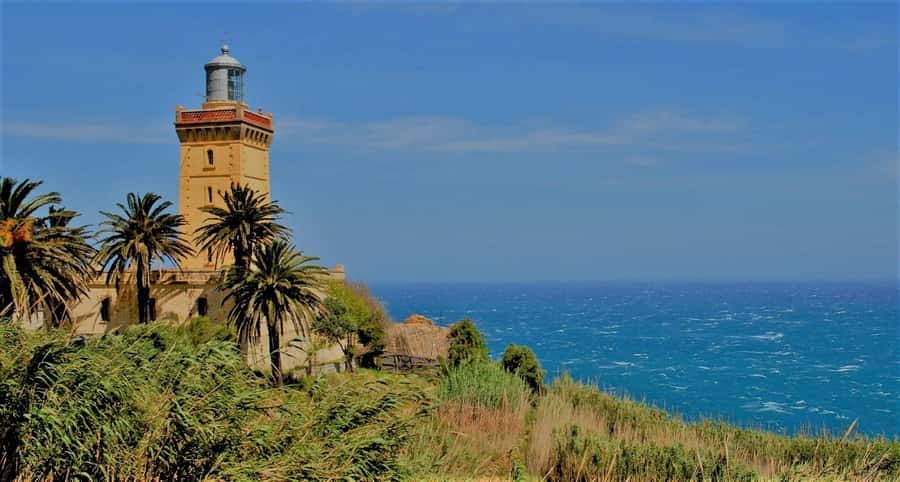
Then you hit Cap Spartel, the promontory at the entrance to the Strait. Expect photo time and a brief guided stop (about 10 minutes). This is the moment where Tangier’s position stops being a fact on a map and becomes real geography.
After that comes the Caves of Hercules (about 20 minutes for photo stop and guided visit). The mythology here runs through Greek and later Roman beliefs: the demi-god was thought to sleep there before his famed labor. Even if you’re not a mythology person, the caves help break up the day so you’re not only doing streets and markets.
The Medina on Foot: How a Guide Keeps the Day Moving
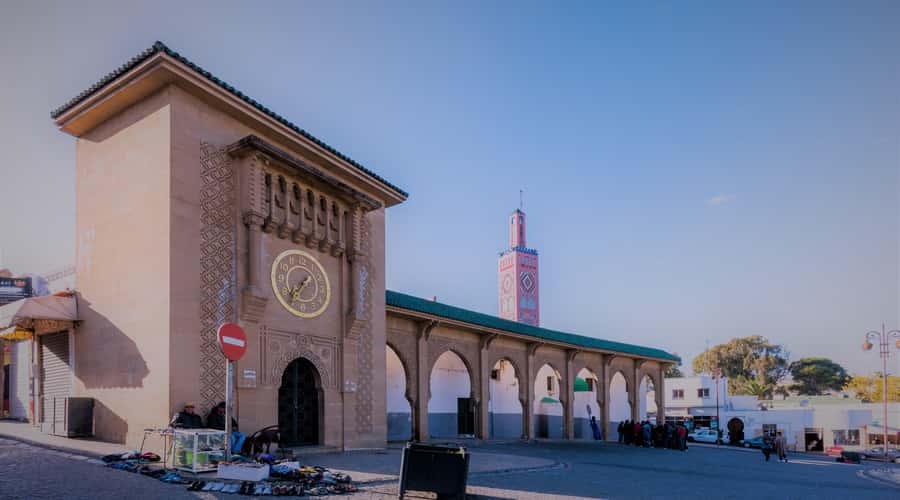
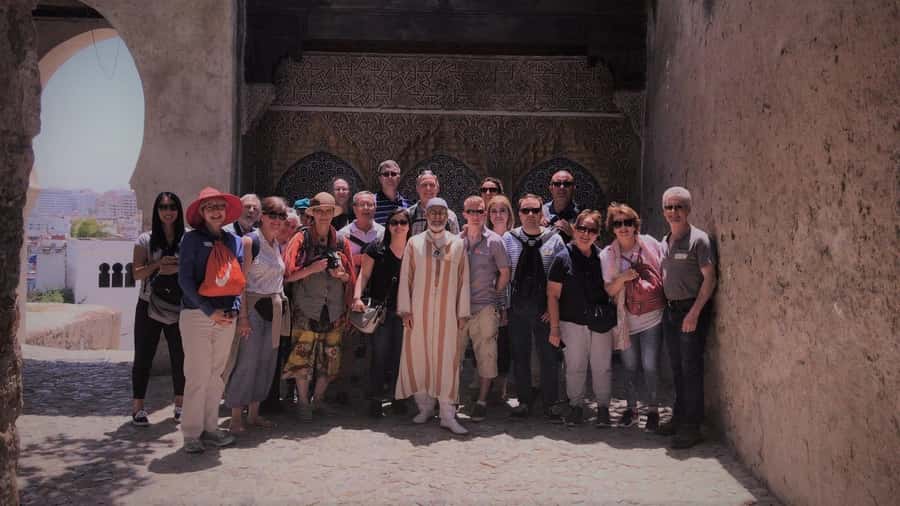
This is where the day turns from transportation into actual Tangier. The guided focus shifts to Tangier’s Ancient Medina with an initial walk (about 30 minutes), then more time later for photos and exploring (another stretch around 1 hour).
A guided Medina walk matters because the streets are narrow and the rhythm is intense. You’ll deal with sellers, side streets, and constant attention. Having a guide helps you keep your bearings fast, and it also keeps the group together—an important point when you’re moving in a maze where it’s easy to drift behind.
The guide role isn’t just storytelling. It’s also logistics: when to move, where to pause, and how to get from one highlight to the next without losing the day. Many people single out the local guide experience here—especially for navigating the old lanes and keeping things fun while staying on schedule.
You might have a Tangier guide named Rashid (a name that comes up again and again in feedback). If so, you’ll likely get history explanations plus a lot of personality—helpful in a place where attention from vendors can feel nonstop.
Lunch in Tangier: Moroccan Food, a Real Break, and Music
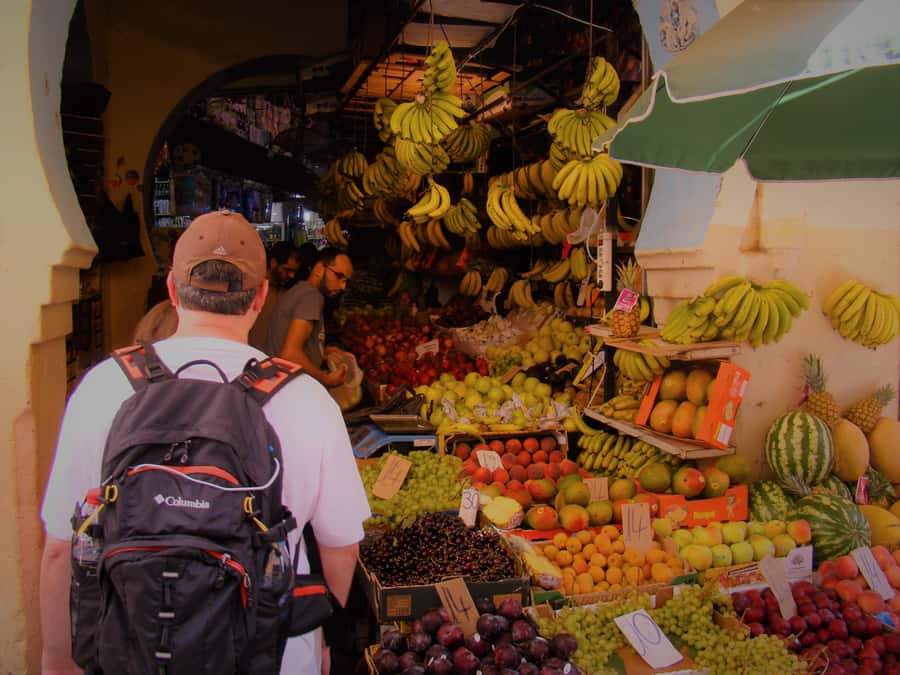
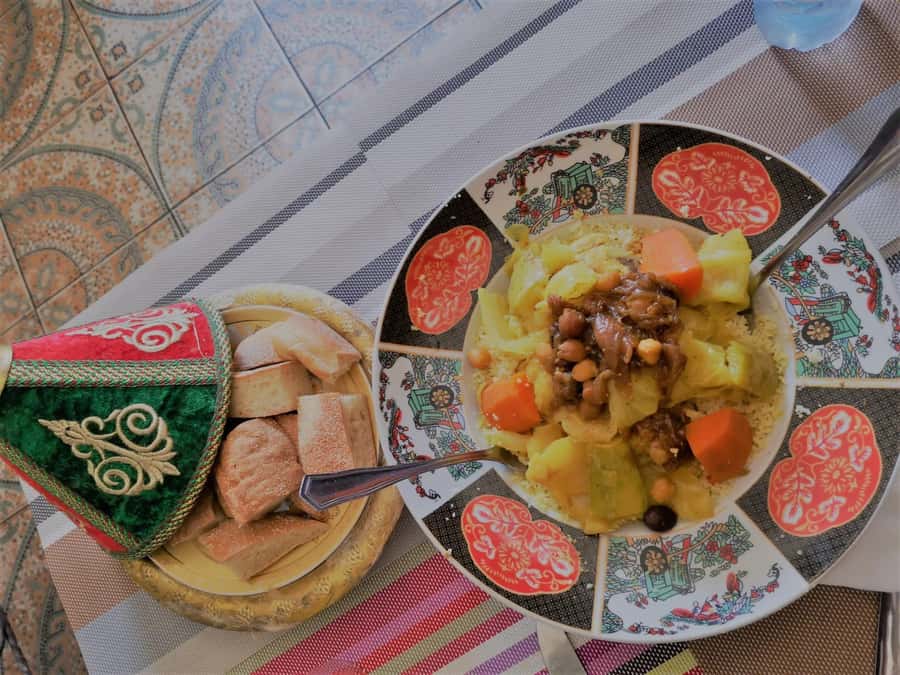
Lunch is one of the best reasons to do a guided day trip like this. You get a regional meal scheduled inside the Medina area (about 75 minutes). It’s not just food; it’s a chance to slow down for a bit and reset your feet.
One reason this stop keeps getting praised is that the meal often includes music, which adds to the atmosphere without requiring any extra ticket or planning. It’s the kind of break that makes the rest of the walking feel manageable instead of brutal.
A practical note: if you have dietary needs—especially gluten-free—don’t assume lunch will automatically work. A good approach is bringing backup options you’re comfortable with, then enjoying what’s available as a bonus.
After lunch, the day keeps moving: you rejoin the Medina walk with more time for photos and a guided visit. The pacing is built so you get both guided context and some personal wandering.
You can also read our reviews of more tours and experiences in Seville


Shopping Time and Vendor Pressure: What to Expect and How to Handle It
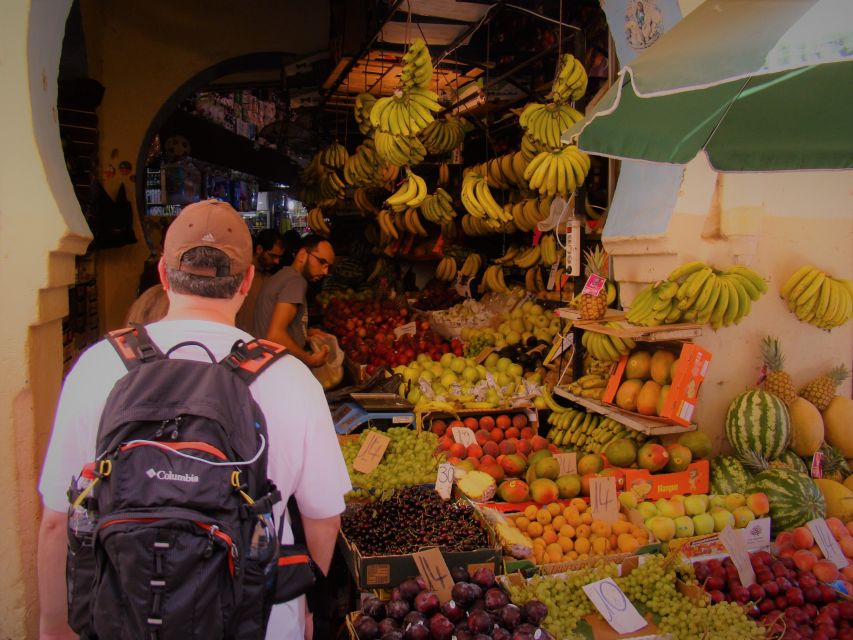
Tangier shopping can feel like standing in the middle of a conversation where people really want your attention. That can be fun for some travelers and exhausting for others. The key is to treat it like you’re visiting a workplace, not a museum.
You may spend time around markets and shops as part of the route. Some people love the experience of seeing how locals shop and haggle. Others find it too sales-heavy and would rather keep the day focused on streets and sights.
Here’s my advice for control:
- Decide in your head what you will buy (and what you won’t).
- Use a firm no early, then keep moving with your group.
- Don’t let one shop run your schedule. If you see a quick chance to get what you want, take it and move on.
Also plan for cash. Several people recommend having small-denomination euros on hand for day-to-day purchases and optional extras. If you show up with no practical payment plan, you can lose time.
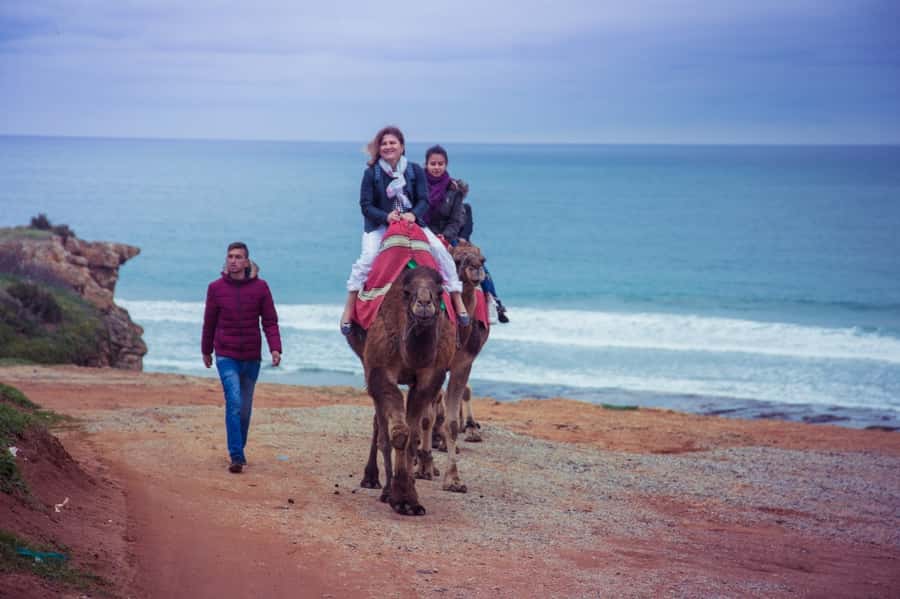
And if you want the full experience, camel rides can be available for a small extra fee on site. Just remember they’re optional, so don’t structure your whole day around them.
Return to Seville: The Late-Day Ferry Reality
Getting back is part of the adventure and part of the drain. You’ll use the ferry again (about 75 minutes), with a stop in Tarifa before the coach returns to Seville (another 2.5 hours). The total trip time lands at about 15 hours.
A big thing to watch is fatigue. You’re not only walking in Tangier; you’re sitting through long stretches, then waiting for boarding and passport steps. That’s why comfortable shoes matter more than stylish shoes.
Also keep your timing expectations realistic. Ferry schedules can change due to weather or operations, and delays can happen. When that happens, the day can run later than you pictured. The best way to protect your energy is to accept that this is a day trip built around water travel, which is never 100 percent predictable.
Price and Value: Is $258 Worth It for This Much Transit?
At $258 per person for a 15-hour day, this isn’t a cheap add-on. But it can be good value if you’re counting the parts you’d have to solve yourself.
What’s included is the expensive part of planning:
- Transportation by coach with climate control
- Ferry tickets for the round trip
- Meal and guided tour time in Tangier
When you do this solo, you’re often paying for ferries plus spending extra time coordinating buses, buying tickets, and trying to find a guide once you arrive. Here, you pay up front for a structured day where the hard-to-organize pieces are handled.
You still pay in energy. This is not a relaxed overnight replacement. It’s a highlight sprint where the payoff is seeing Tangier without the hassle of building a full itinerary.
My take: it’s worth it if you want the big hits—Medina, Cap Spartel, Hercules Caves, and lunch—in one go, and you’re okay with a long day. If you’re prone to getting worn down by crowds, waiting, and foot travel, you may prefer a slower option.
Who This Trip Suits Best (and Who Might Feel Strained)
This is a strong fit for:
- First-timers who want Tangier’s main anchors without guessing routes.
- People who like having a guide handle the group flow.
- Travelers who enjoy markets and the social energy of old streets, even if it comes with sales pressure.
It can feel strained if you:
- Hate long days and late returns.
- Strongly dislike queues and passport processing.
- Want a mostly quiet, shopping-free sightseeing day.
Comfort makes a huge difference. Wear shoes you can walk in for hours, and expect stairs and uneven spots in older areas. Also plan for battery life and basic hydration so you don’t feel stuck inside the day’s timeline.
Should You Book This Seville-to-Tangier Day Trip?
I’d book it if you want a structured, guided taste of Tangier that includes the coast viewpoints, the Hercules-themed stop, a real Medina walk, and a scheduled Moroccan lunch—all with the ferry handled for you. The value comes from bundling the hardest logistics.
I’d think twice if you’re looking for a short outing, a low-activity day, or guaranteed calm water and zero delays. This trip runs on ferry conditions and time spent in lines, and it can be exhausting.
If you do book, go in prepared: bring motion-sickness help if you need it, comfortable shoes, and a plan for cash and optional purchases. Then treat the vendors like background noise and follow your guide. When you do that, Tangier in a day becomes a memorable route rather than a stress test.
FAQ
How long is the Seville to Tangier day trip?
The total duration is 15 hours.
What is the price per person?
The price is $258 per person.
What’s included in the price?
Transportation, ferry tickets, and a meal plus guided tour time in Tangier are included.
What is not included?
Drinks are not included, and the camel ride (if you choose to do it) is available for a small extra fee on place.
Do I need a visa for Morocco?
If a visa is required for your nationality, you are responsible for arranging it. The local service provider does not offer visa information.
What documents do I need to bring?
Bring a passport or ID card. Also, full name and passport number of each traveler are required to book the ferry tickets.
What languages are the tours offered in?
The live tour guide is available in English, French, Italian, and Spanish.
Is there a guide in Tangier?
Yes. The tour includes a live guide for the guided sightseeing and Medina time in Tangier.
What are my cancellation options?
You can cancel up to 24 hours in advance for a full refund, and you can reserve now and pay later (pay nothing today).