REVIEW · SEVILLE
Italica 2-Hour Private Guided Tour
Book on Viator →Operated by ANDALUCIA EXPERIENCIAS · Bookable on Viator
Roman ruins with a guide help you see the whole story fast. This private Italica tour covers 206 A.D. ruins plus the House of the Planetarium mosaics in about two hours. I like the tight route that keeps the focus on what matters, and I like that tickets are included so you can step right in. The main catch: it’s outdoors, so heat or rain can slow the experience.
You meet in central Seville, then head to Italica and return afterward, keeping it efficient. It’s a good fit if you want Roman life beyond big monuments—baths, streets, ovens, and everyday spaces—without committing a whole day.
Since it’s private, you’ll only be with your group, which usually makes it easier to ask questions and move at a comfortable pace. Still, at this length, you’ll be picking up the highlights, not doing an all-day archaeology marathon.
In This Review
- Key Highlights Worth Prioritizing
- Why Italica Feels Memorable Even in 2 Hours
- Meeting Point and Timing: A 10:00 am Start That Keeps You Moving
- Anfiteatro de Italica: Where Games Took Over the Space
- Trajan Monument and the Route Through Imperial Italica
- The House of the Planetarium: Mosaics You’ll Actually Notice
- Baths, Thermal Life, Gym, and Bread Oven: Roman Daily Living
- Roman Emperors: Trajan and Hadrian, and Why Italica Matters
- Guides Make the Ruins Click: David, Carmen, Alex, Javier, and Miguel
- English, Private Groups, and What You Get for $106.82
- Getting There: A Bus Tip That Helps If You’re Going Independently
- What to Bring for Ruins Outdoors and Real Weather
- Should You Book This Italica Private Tour?
- FAQ
- Is this tour private?
- What language is the tour offered in?
- How long is the Italica guided tour?
- Is admission/tickets included?
- Are food and drinks included?
- Where does the tour start and end?
- What time does the tour start?
- What if the weather is bad?
Key Highlights Worth Prioritizing
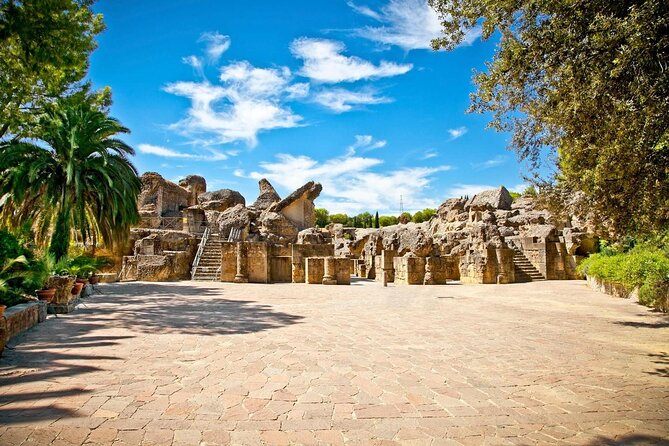
- Amphitheater + Trajan monument: the power center of Italica, explained as you walk.
- House of the Planetarium mosaics: preserved floor art you can actually study.
- Bath complex and thermal-bathing life: not just stones, but daily routines.
- Gym, bread oven, bird house, and street remnants: Roman infrastructure in miniature.
- Private guide in English: your pace, your questions, and a clearer route.
Why Italica Feels Memorable Even in 2 Hours
Italica is one of those Roman sites that feels both grand and personal. The city began in 206 A.D., tied to Roman military history: a general named Publio Cornelio Escipión (Scipio) set up a place for wounded soldiers after the battle of Ilipa against the Lusitanians. That origin helps you understand why Italica grew into something more than a temporary camp.
What I like about this tour format is that it helps you connect the dots. You’re not just scanning ruins—you’re learning what each part did and who would have used it. In a short visit, that kind of guidance makes the difference between seeing ruins and understanding a functioning Roman town.
One consideration: if you’re expecting a huge, spread-out site like a full day at the biggest names, you might wish there was more time. But for many people, that’s exactly what makes it work: you leave with the essentials, not fatigue.
You can also read our reviews of more guided tours in Seville


Meeting Point and Timing: A 10:00 am Start That Keeps You Moving
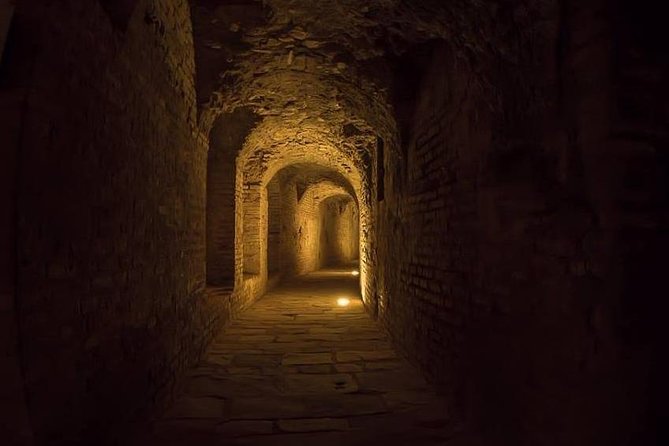
The tour starts at 10:00 am and runs about 1 hour 30 minutes to 2 hours. It’s designed to be a focused outing, with tickets included and a guided route through the key spaces.
You’ll want to plan around walking inside the ruins, which are not a sit-everywhere museum. Comfortable shoes matter more than you think, especially if the weather turns warm.
Also note what’s not included. Food and drinks are on you, and hotel pickup/drop-off and transportation to/from attractions are not included. In plain terms: you’re responsible for getting to the meeting point unless the guide helps in a personal way, which some guides have done for past groups.
Anfiteatro de Italica: Where Games Took Over the Space
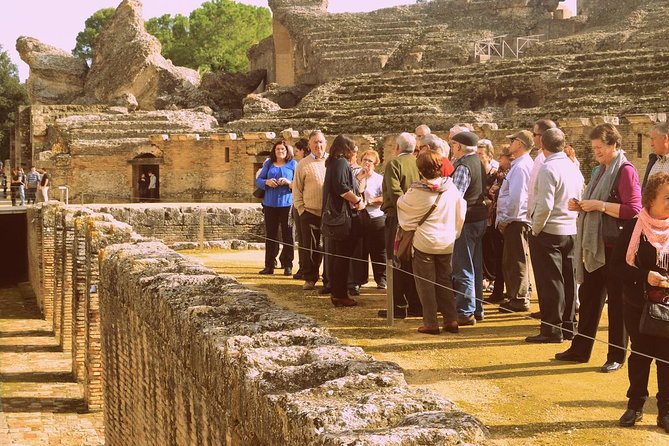
The amphitheater is the headline for a reason. Even when parts are gone, you can still sense how this place controlled a crowd. Your guide leads you through the ruins while explaining how Italica hosted games and how Roman cities organized public entertainment.
This is also where the Roman power vibe shows up fast. You’re not just looking at architecture—you’re getting the story of how Rome used spectacle to build community, loyalty, and identity.
If you love architecture, pay attention to the surviving structure details. If you don’t, that’s still fine. The key is that the guide translates the stones into function, so you can picture what it looked like in use.
Trajan Monument and the Route Through Imperial Italica
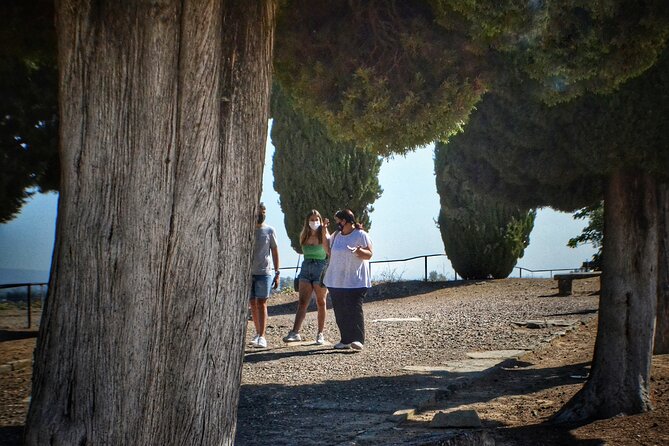
As you move through the complex, you’ll also see the Trajan monument and hear why it mattered. Trajan is one of the emperors associated with Italica, and the guide ties these monuments to the broader idea of Roman influence in the region.
This is where a good guide becomes more than a storyteller. You’ll start noticing the layout: where the “public” spaces are, where the civic identity is shown, and how different areas connect.
The pacing helps. You don’t get stuck in one spot. Instead, you get a sequence that builds momentum: amphitheater, mosaics, baths, and then daily-life structures.
The House of the Planetarium: Mosaics You’ll Actually Notice
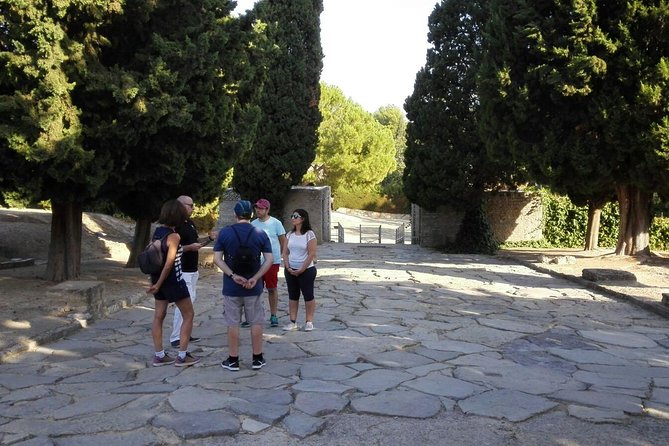
One standout stop is the House of the Planetarium, famous for beautifully preserved mosaics. This room is worth your attention because mosaics reward slow looking—even when your tour time is short.
A private guide helps here. Without that context, mosaics can blur into decorative floors. With it, you’re more likely to notice patterns and placement, and you’ll understand why the site preserved them so well.
If you care about photos, this is a great moment to pause. One of the guides has been described as a photographer, and that kind of guide tends to know when lighting works and how to frame the mosaics without making everything look flat.
You can also read our reviews of more private tours in Seville





Baths, Thermal Life, Gym, and Bread Oven: Roman Daily Living
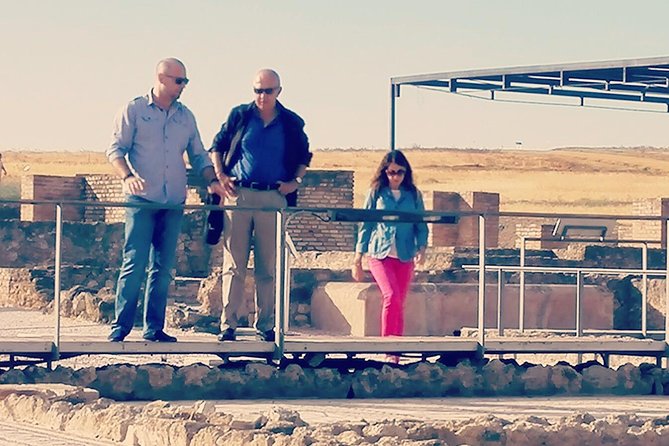
Italica isn’t only about big moments. The tour spends time on the grand bath complex, where city residents would come to bathe in thermal waters. That matters because baths weren’t just hygiene—they were a social hub. People met, talked, relaxed, and basically ran part of their day there.
Your guide also points out the gym, a former bread oven, and two restored Roman houses. It’s a strong mix: you see spaces for health, food, and home life, not just public events.
Then you’ll notice more odd-but-fascinating bits of the infrastructure: the tour includes mention of a bird house, plus remnants of city streets. Those details can feel small compared to an amphitheater, but they make the site feel real. You start thinking about logistics—what was where, and how a Roman city kept itself fed, moving, and functioning.
Roman Emperors: Trajan and Hadrian, and Why Italica Matters
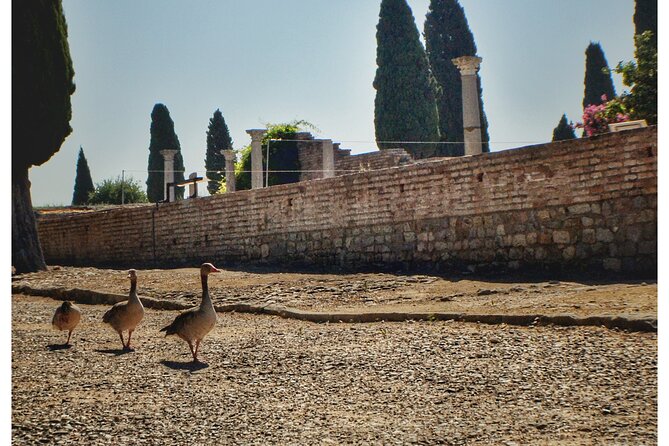
The tour connects Italica to major Roman figures, especially the emperors Trajan and Hadrian, who were tied to this place. Hearing that as you stand among the ruins changes your perspective. Suddenly you’re not just visiting a forgotten town—you’re seeing a place that mattered enough to be remembered in Rome’s big story.
This kind of context is what keeps a short tour from feeling superficial. It gives your brain a framework, so every stop has a meaning.
Guides Make the Ruins Click: David, Carmen, Alex, Javier, and Miguel
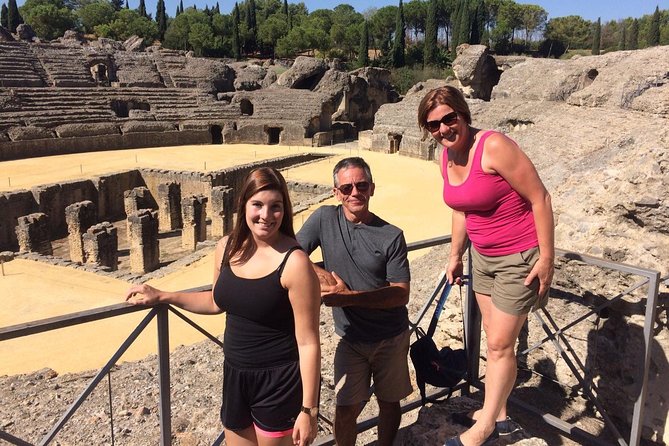
This tour consistently gets top marks for guides. If you’re trying to choose with your eyes open, here’s what stands out from past experiences with specific names.
- David: polite, knowledgeable, and even helped people get back into the city. He’s also a photographer, so you’re more likely to come away with better images.
- Carmen: friendly, punctual, and strong on Roman history details, including the Roman Empire beyond Italica itself.
- Alex: on time and clear about the site layout, making the 2 hours feel quick even when the weather wasn’t perfect.
- Javier: personable and professional, with a strong grasp of what you’re seeing and why it was built.
- Miguel: enthusiastic and very familiar with the site, with explanations that kept the ruins understandable.
In one description, the guide even connected the ruins to modern filming, mentioning a link to Game of Thrones and sharing a video clip. Not every guide will do pop-culture extras, but it’s a reminder that a good guide knows how to make the past feel closer.
English, Private Groups, and What You Get for $106.82
The price is $106.82 per person, and it includes a professional guide, a private tour setup, and the tickets. It’s booked about 22 days in advance on average, so plan ahead if you want a specific date.
Is it worth it? For me, the value comes from three things that usually cost extra when you travel without guidance:
- You get tickets included, so you avoid hunting down entry details mid-trip.
- A guide turns a confusing ruin into a guided route with a clear narrative.
- You’re not stuck with random pacing. Private tours keep it calmer and often easier for questions.
You should also compare it to the alternative: visiting on your own. If you know Roman sites well, you might enjoy wandering. But if you want the highlights in a short time, private guidance is what prevents time from feeling wasted.
Group discounts exist, which can make the price easier to swallow if you can travel with a friend or family member.
Getting There: A Bus Tip That Helps If You’re Going Independently
Transportation isn’t included, so you may want an easy plan to reach Italica. Here’s a practical tip that works if you’re using public transit:
From the city bus station, look for the M17OA bus. It runs about every half hour, and Italica is the last stop as the bus turns around—so you won’t miss it if you keep an eye out.
If you’d rather not gamble on schedules, you can also use a taxi or rideshare to get to the meeting point. Either way, arriving early helps because your tour start time is fixed at 10:00 am.
What to Bring for Ruins Outdoors and Real Weather
This experience requires good weather. If conditions are poor, you’ll be offered a different date or a full refund, so you’re not stuck with a canceled day.
Still, plan as if the weather will be warm. The ruins sit outside, and you’ll spend time walking between structures. Bring:
- Comfortable walking shoes
- Sunscreen and a hat for bright days
- Water since drinks aren’t included
- A camera or phone for mosaics and amphitheater angles
If you’re sensitive to heat, aim to start your day early and keep hydration steady. Two hours seems short until you factor in sun and stone.
Should You Book This Italica Private Tour?
Book it if you want a clear, efficient Roman visit. This is ideal when:
- You want amphitheater + Trajan monument plus the mosaics and bath complex without planning every step.
- You’re traveling in a shorter window and need a tour that lands all the key points.
- You care about Roman daily life—baths, gym, oven, homes, and street remnants—not just one big structure.
- You like getting site layout explained so everything makes sense as you walk.
Skip it (or adjust expectations) if:
- You’re hoping for a long, deep excavation-style visit.
- You’re going on a day you strongly suspect will be uncomfortable outdoors.
- You already know Italica well and mainly want free time to explore without guidance.
My bottom-line take: if you want Italica to feel understandable in about two hours, this private guide format is a smart use of time, and the included tickets help the math.
FAQ
Is this tour private?
Yes. It’s a private tour/activity, so only your group participates.
What language is the tour offered in?
The tour is offered in English.
How long is the Italica guided tour?
It runs about 1 hour 30 minutes to 2 hours.
Is admission/tickets included?
Yes. Tickets are included in the tour price.
Are food and drinks included?
No. Food and drinks are not included.
Where does the tour start and end?
It starts at Italica (V)41970, Seville, Spain, and it ends back at the meeting point.
What time does the tour start?
The start time is 10:00 am.
What if the weather is bad?
This experience requires good weather. If it’s canceled due to poor weather, you’ll be offered a different date or a full refund.