REVIEW · SEVILLE
Seville Guided Bike Tour
Book on Viator →Operated by Feel The city · Bookable on Viator
Seville opens up fast on two wheels. This guided bike tour is a quick way to see major sights and shift into local neighborhood rhythm without getting stuck in slow walking lines. It’s built for a city that’s mostly flat, so the effort stays reasonable while the views keep changing.
I especially like how the route strings together big-name landmarks with short, meaningful stops. You get a guided pass at the Real Alcázar area, the Cathedral and Giralda skyline, then you slide into Triana for the street-level feel. The other thing I like: the guide work. The official guide keeps the ride light on hassle and heavy on clear city context.
One consideration: most stops are quick and entry tickets aren’t included, so you may get mostly exterior views unless you plan separately. Also, you’ll want to show up to the meeting point location on time, since the ride starts at 11:00 and the tour loops back to the same place.
In This Review
- Key highlights you’ll feel during the ride
- Why a Seville bike tour works so well for your first day
- Price and what’s actually included for $54.69
- The 2.5-hour timing: how a 11:00 start shapes the sights
- Torre del Oro and the Guadalquivir start: river views without the detour
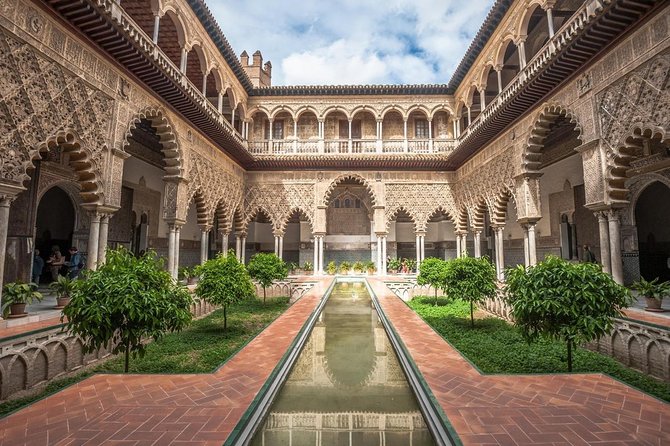
- Real Alcázar from outside: a quick emblematic stop that sets the tone
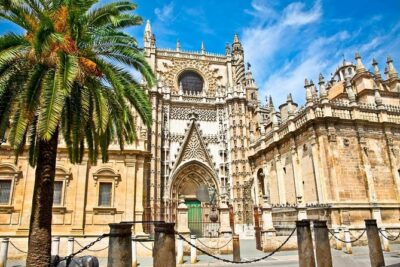
- Cathedral de Sevilla and Torre Giralda: the skyline combo you’ll recognize instantly
- Archivo General de Indias: Spain’s 15th-century power told with one stop
- Real Maestranza de Caballeria de Sevilla: river views plus bullfighting context
- Triana on the bike: the neighborhood walk that changes the mood
- Castillo de San Jorge ruins near Triana’s market edge
- The guide and small-group setup: what “official” changes for you
- Bike comfort and fitness: the “easy ride” expectation, grounded
- What this tour doesn’t include (and what to do about it)
- Getting value out of short stops: a traveler’s cheat sheet
- Should you book the Seville Guided Bike Tour?
- FAQ
- What is the duration of the Seville guided bike tour?
- What does the tour cost?
- What’s included in the price?
- Are admission tickets included for the stops?
- Where does the tour start, and what time does it begin?
- What fitness level do I need?
- Is free cancellation available?
Key highlights you’ll feel during the ride
- Flat-city bike time keeps the pace easy enough for most visitors with moderate fitness
- Official guide + bike rental included means you don’t burn vacation time on rentals or figuring things out
- A tight hit list of Seville icons from Torre del Oro to Torre Giralda
- Triana as the emotional center with a neighborhood walk (and flamenco roots)
- History you can see in the streets from the Archivo General de Indias to San Jorge ruins
Why a Seville bike tour works so well for your first day
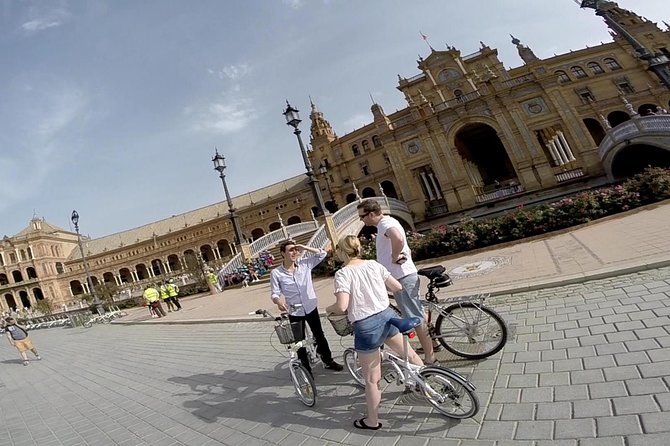
If you’ve got even half a day in Seville, a bike tour helps you get your bearings fast. The city’s layout makes it practical to move between neighborhoods without constant detours. And because your ride time is scheduled, you’re less likely to waste energy guessing where to go next.
What makes this one feel especially useful is the mix of stops. You’re not only chasing monuments—you also get time in Triana, where the city’s culture shows up in everyday life. That balance matters if you want more than postcards.
You can also read our reviews of more cycling tours in Seville

Price and what’s actually included for $54.69
At $54.69 per person, the value comes from two main things: you get an official guide and bicycle rental is included. For a 2 hours 30 minutes tour, that saves you from handling rentals on your own and adds context to what you’re seeing.
What’s not included is also important. Admission tickets aren’t included for most stops, so think of this as a guided route with short viewing moments rather than a full museum-and-cathedral deep-dive. If you want to go inside major sites, budget for those separate tickets ahead of time.
The 2.5-hour timing: how a 11:00 start shapes the sights
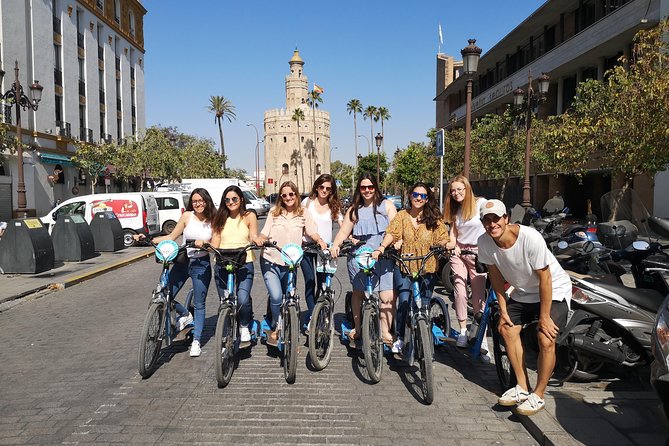
This tour runs about 2 hours 30 minutes, starting at 11:00 am, and it returns to the meeting point. That timing is great for visitors who want an overview before a longer afternoon of wandering.
The route is built from short segments—many stops are around 5 to 15 minutes—so you’re constantly transitioning. That’s a feature, not a bug. You’ll get quick orientation at each landmark, then you can decide later what deserves more time on foot.
Torre del Oro and the Guadalquivir start: river views without the detour
Your first stop is Torre del Oro, with about 15 minutes to see the monument shining on the Guadalquivir River. This is a smart opening because the riverfront gives you an immediate sense of how Seville’s geography feeds the city’s identity.
Even if you only get exterior views, the timing works well. You’re starting fresh, so it’s easier to lock in the bigger layout: river, skyline, and the direction you’ll later move toward historic core streets.
Admission isn’t included here, so keep expectations realistic. This is about seeing and understanding the spot, not entering it.
Real Alcázar from outside: a quick emblematic stop that sets the tone

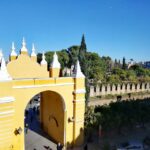
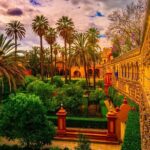
Next comes Real Alcázar de Sevilla, with a 10-minute stop. The tour focuses on seeing it from the outside, so you’re getting a look at its place in Seville rather than a ticketed interior visit.
That approach is practical. If your main goal is to cover multiple major highlights in a short window, short exterior stops keep the day moving. And once you’ve seen the monument from the outside, you’ll know whether you want to return later with a separate entry plan.
One small drawback: if you were hoping for substantial time inside, this isn’t built for that. Admission tickets aren’t included, and the time here stays brief.
You can also read our reviews of more guided tours in Seville




Cathedral de Sevilla and Torre Giralda: the skyline combo you’ll recognize instantly
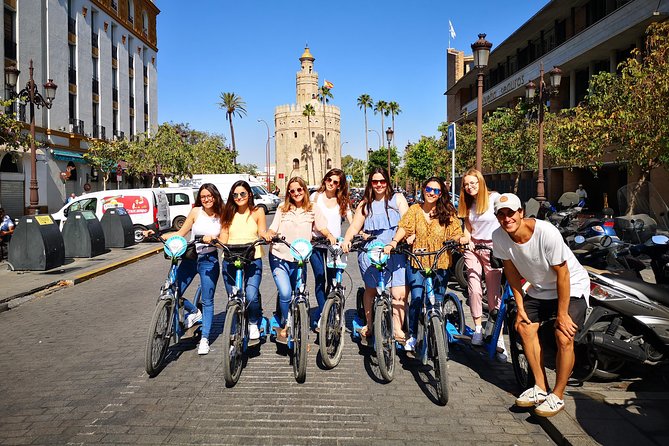
After the Alcázar, you hit the most recognizable silhouette in town.
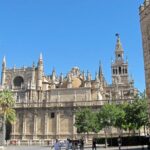
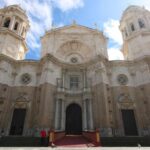
- Catedral de Sevilla is described as the largest Gothic cathedral in the world, with a short 5-minute stop.
- Torre Giralda follows, also around 5 minutes, framed as the city’s flagship minaret that makes Seville shine.
These two stops work best when you treat them like a visual checklist. You’re not meant to linger for a full visit here; you’re meant to lock the shape and location in your mind. Later, when you’re exploring independently, you’ll have a mental map of what direction those landmarks sit in.
Because both stops have admission not included, the value is in the guided orientation. The guide helps you connect what you’re seeing to why it matters.
Archivo General de Indias: Spain’s 15th-century power told with one stop
Then the tour pivots into something that feels very Seville: paperwork and power. You’ll stop at the Archivo General de Indias for about 5 minutes.
The explanation given centers on the idea of 15th-century strength—Seville as a world economic power—and how this is where the books of voyages to the Indians and the Americas are kept. Even in a quick stop, this shifts your understanding. You start thinking about Seville not just as art and architecture, but as an administrative hub.
This is a stop I’d call ideal for travelers who like their city storytelling with specifics, even when time is tight. It also pairs nicely with the later Triana walk—one side is empire record-keeping, the other is culture in the street.
Admission isn’t included, so plan on seeing the site and hearing the context rather than touring archives inside.
Real Maestranza de Caballeria de Sevilla: river views plus bullfighting context
Your next viewpoint is Real Maestranza de Caballeria de Sevilla, about 5 minutes. It’s positioned for views looking toward the river and toward Triana.
The tour also uses this stop to connect to the history of bullfighting in Seville. That’s useful because the city’s traditions aren’t always obvious when you’re just walking. Here, the guide gives you a quick thread you can follow later if you’re curious.
As with many stops on this route, it’s short. That can feel limiting if you want to linger, but it’s also what keeps the tour efficient.
Triana on the bike: the neighborhood walk that changes the mood
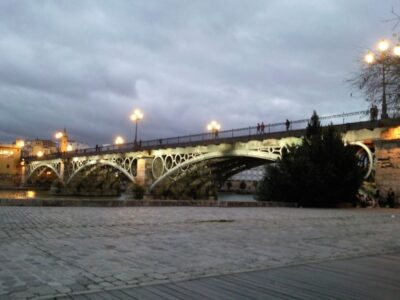
After passing the major landmarks, you get a 20-minute segment in Triana, and this part is noted as free. This is where the tour becomes more personal.
Triana isn’t treated as a single monument. It’s introduced as a neighborhood that functions almost like a city of its own, with customs and identity you can feel just by walking. The tour also highlights that the base of flamenco was born in its streets.
This is one of the most praised parts of the tour experience because it breaks the cycle of stone monuments. It’s also the part that gives you material for later. When you return to Triana on your own, you’ll recognize streets and understand why people choose this area for night life and culture.
Keep in mind: 20 minutes is still short. Use it to get oriented—slow down, notice corners, and then decide whether you want to extend your time after the tour ends.
Castillo de San Jorge ruins near Triana’s market edge
The last viewing stop is Castillo de San Jorge, with about 5 minutes. The tour frames it as the market of Triana welcoming the ruins of this castle, with ruins described as symbolic of the Holy Inquisition.
This is an intense historical note to end on. And it’s also an important reminder: the past sits close to everyday life here. You’re not looking at something isolated behind museum walls—you’re seeing remnants sitting in a lived-in area.
Admission isn’t included, so you’re getting a quick stop with context rather than a long ruins visit. Still, it leaves you with a more complete sense of what Seville has layered into its streets.
The guide and small-group setup: what “official” changes for you
The tour is run with an official guide, and the group size is capped at a maximum of 30 travelers. That matters more than it sounds. With a smaller group, the guide can keep everyone moving without constantly waiting, and it’s easier to hear explanations at each stop.
From rider comments, the guides tend to be friendly and effective at connecting the city’s landmarks to how Seville became what it is. I’d call that the real benefit of a guided bike tour: you’re not just going past sights; you’re learning enough to place them on a map in your head.
One more practical note: on at least one occasion, the ride turned into a private setup when the paperwork didn’t match up at the bike shop. If that ever happens to you, it suggests the guide is ready to handle issues on the spot rather than leaving you stranded.
Bike comfort and fitness: the “easy ride” expectation, grounded
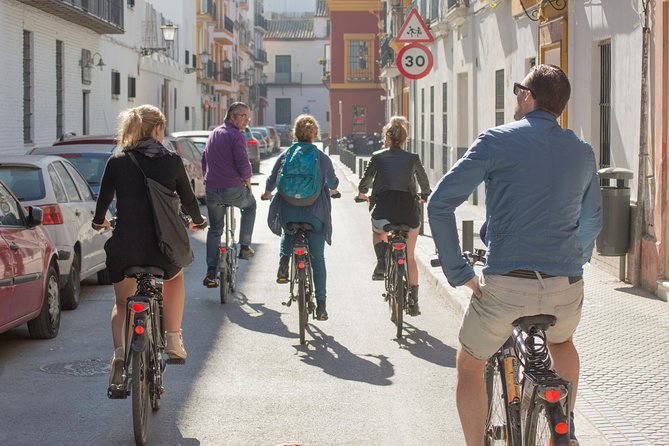
The tour is described as a flat-city experience recommended for all audiences because it’s not a great effort. You still need moderate physical fitness, because you’ll be on a bike for the full 2 hours 30 minutes.
If you’re the kind of traveler who can handle a steady ride for a couple of hours, you’re likely to do well. One rider specifically pointed out that the ride felt easy even for pregnant women, which is a strong signal that the pace is controlled and not aggressive.
My advice: wear comfortable shoes and plan for breaks to be quick. Many stops are just 5 minutes, so you’ll want to keep your energy steady for the whole loop.
What this tour doesn’t include (and what to do about it)
This tour doesn’t include food and drink, and most major stops don’t include admission. So your best plan is to treat it as an orientation ride with guided exterior viewing.
If there’s one site you want to enter—like the Cathedral area or a major monument—think of this bike tour as the way to decide which one earns your money and your time later. You’ll already know what it looks like and where it sits.
If you start hungry, you might feel the time pressure of short stops. Consider grabbing a snack before the tour so you can fully enjoy the ride without needing to manage meals mid-route.
Getting value out of short stops: a traveler’s cheat sheet
Because several stops are brief, you’ll enjoy it more if you go in with a mindset:
- At each monument, look for the parts the guide points out first. That’s usually what you’ll remember later.
- Take one or two photos, then move on. Don’t spend your whole 5 minutes searching for the perfect shot.
- In Triana, focus on street rhythm—what feels local, what looks different from the main monument zones.
This tour is designed to give you momentum. If you use that momentum well, you’ll leave with a better Seville plan than you would after wandering alone for hours.
Should you book the Seville Guided Bike Tour?
Book it if you want a high-value overview in a short time, love easy bike movement, and enjoy learning how each landmark connects to Seville’s identity. The combination of major sights plus a Triana neighborhood walk is the selling point.
Skip it if you’re mainly focused on long interior visits, because admission isn’t included and many stops are short. Also skip if you know biking for 2.5 hours is uncomfortable for you, even at a gentle pace.
If you want the day-after benefit—knowing where things are and what mattered—this is a smart way to start.
FAQ
What is the duration of the Seville guided bike tour?
It runs for approximately 2 hours 30 minutes.
What does the tour cost?
The price is $54.69 per person.
What’s included in the price?
You get an official guide and bicycle rental included.
Are admission tickets included for the stops?
No. Admission tickets are not included for most stops.
Where does the tour start, and what time does it begin?
The meeting point is C. Almte. Lobo, 2, 5º C, Casco Antiguo, 41001 Sevilla, Spain, and the tour starts at 11:00 am. It ends back at the meeting point.
What fitness level do I need?
The tour recommends a moderate physical fitness level. It’s described as a flat city ride with not a great effort.
Is free cancellation available?
Yes. You can cancel for a full refund up to 24 hours in advance of the experience start time.