REVIEW · SEVILLE
Donana National Park: Guided Day Tour from Seville
Book on Viator →Operated by Naturanda Turismo Ambiental · Bookable on Viator
Wild wetlands beat Seville’s usual routine. This guided day tour connects you with Doñana National Park (a UNESCO World Heritage Site) and the wild, cultural stop at El Rocío—all in one long but varied outing.
Two things I really like: the tour stays small (max 15 travelers), which makes spotting birds and asking questions easier, and the day is built around hands-on nature time with a driver-guide plus round-trip hotel transport. Guides named Sergio, Jose, Miguel, Ramon, and Diego show up repeatedly in the kind of feedback you want to hear—people found them helpful, active, and tuned in to the wildlife.
One thing to consider: wildlife and access can shift when weather turns bad. Flooding and heavy rain can make roads rough and can limit where you can go inside the park, so you should be ready for a day that sometimes turns more about birds than mammals.
In This Review
- Key Highlights to Expect
- Why Doñana Works as a Day Trip From Seville
- Price and Time: A 10-Hour Schedule With Real Tradeoffs
- Pickup, Small-Group Energy, and the Guide Effect
- The Ride: 4×4-Style Transit, Comfort, and Hearing Tips
- Stop-by-Stop: Seville, El Rocío Sanctuary, Matalascanas Beach, and Doñana
- Stop 1: Naturanda Turismo Office (Seville)
- Stop 2: Santuario de Nuestra Señora del Rocío (Romería del Rocío)
- Stop 3: Matalascanas (Doñana Beach)
- Stop 4: Back near El Rocío, then into Doñana National Park for ~3 hours
- Stop 5: Return to Seville
- Wildlife and Birding Expectations (Including the Iberian Lynx Question)
- Weather, Flooding, and Why Your Plan Should Stay Flexible
- What to Bring and How to Make the Day Feel Worth It
- Who This Tour Is Best For
- Should You Book This Doñana Tour From Seville?
- FAQ
- How long is the Doñana guided day tour from Seville?
- What does the tour cost?
- Is pickup from Seville included?
- What language is the tour offered in?
- How many people are on the tour?
- Are food and drinks included?
- Does the tour provide tickets or a mobile ticket?
- What happens if weather is bad?
Key Highlights to Expect
- UNESCO-level wetlands focus: Doñana’s protected areas are the main event, not a quick photo stop.
- Small-group feel (max 15): You get time for questions and better odds of hearing the guide.
- El Rocío sanctuary stop: A cultural detour with real local energy, not just scenery.
- Matalascanas beach break: A change of pace between marsh/bird drives and dunes.
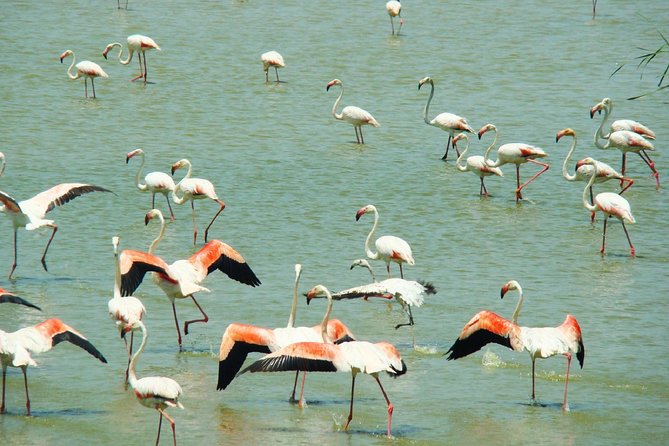
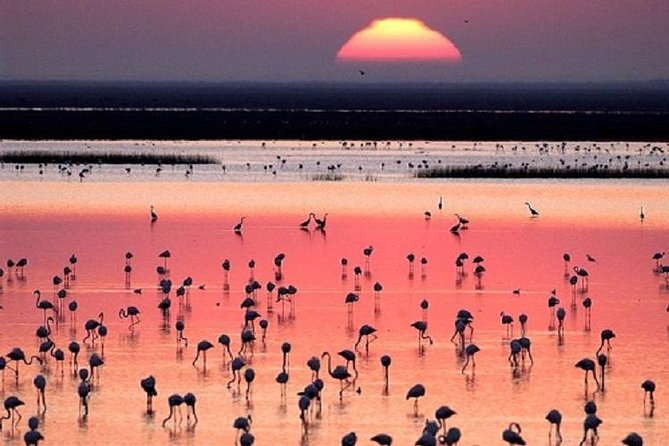
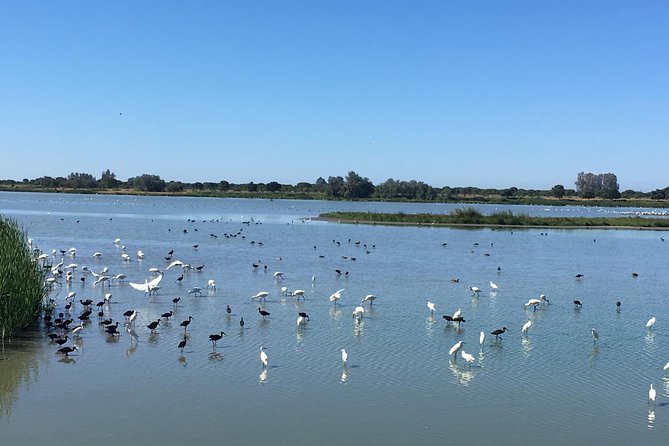
- Birding is the backbone: Expect flamingos, spoonbills, storks, eagles, and lots more, depending on water levels.
- Guide spotting skills matter: People rave about guides like Jose, Ramon, and Miguel for finding creatures quickly.
Why Doñana Works as a Day Trip From Seville
Seville is all stone streets and big cathedral views. Doñana flips the script fast—suddenly you’re in marsh, sand, forest edges, and open skies where wildlife moves at its own speed.
The route matters. You’re not just dropped at one viewing point. You get multiple stops—El Rocío, Matalascanas, and then the park area for a longer block—so your day feels like a full circuit of ecosystems rather than a rushed checklist.
You can also read our reviews of more guided tours in Seville


Price and Time: A 10-Hour Schedule With Real Tradeoffs
At about $95.34 per person for roughly 10 hours, you’re paying for three things: the guided interpretation, the transport from Seville, and the long-distance logistics to a remote nature area.
Here’s the tradeoff: it’s a long day and food and drinks are not included. Plan on buying snacks or taking a meal break on your own during the day. If you’re the type who gets cranky without caffeine, bring a plan—walking boots and water too, since the day can involve some time outdoors.
You also want to know what this tour is best at. It’s not a guarantee of Iberian lynx. It’s a structured day where the guides try hard to find wildlife, especially birds, and you’ll get more value if you go with birding expectations rather than only mammal expectations.
Pickup, Small-Group Energy, and the Guide Effect
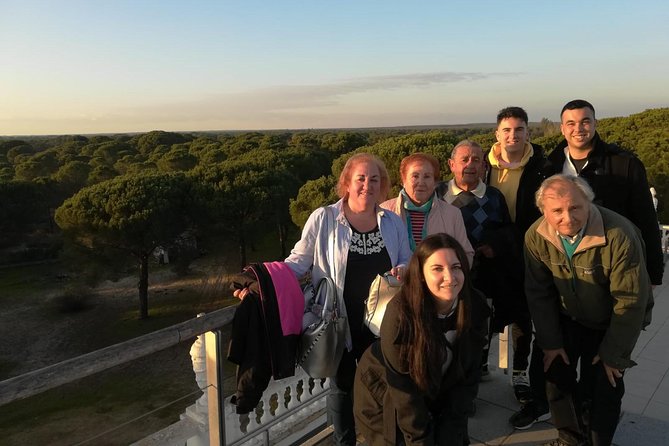
This is offered in English, with a driver-guide and round-trip shared transfer. The group size is capped at 15 travelers, and that changes the whole vibe compared to big bus tours.
In the feedback pattern, people repeatedly thank guides by name. Sergio and Drees are praised for spotting Iberian lynx early on. Jose is called out for being informative and sharing photos the same day. Ramon is described as a real naturalist who can spot tiny creatures from the vehicle. Diego and Miguel also get credit for making the day feel organized and worth the effort.
One practical hint: if you can influence seating, aim for the front or middle rows. Some folks found the back tougher for hearing commentary, especially in vans/vehicles where noise and bouncing cut down the sound.
The Ride: 4×4-Style Transit, Comfort, and Hearing Tips
The tour experience is built around a rough-and-ready style of getting around the area—often described as 4×4-style—which is a big part of why you can spot wildlife close to the route.
That said, there are two comfort realities to keep in mind. First, some roads can be uncomfortable if the ground is wet. Second, not every vehicle setup feels great for everyone—some feedback mentions limited air conditioning and general roughness on certain days.
So here’s your best move: treat this like a nature expedition, not a smooth city shuttle. If you’re sensitive to rough rides, pick your seat carefully when possible, and keep your expectations flexible. The upside is worth it when you’re seeing birds and animals close to the path.
Stop-by-Stop: Seville, El Rocío Sanctuary, Matalascanas Beach, and Doñana
The day starts in Seville at the Naturanda Turismo tourist office area. It’s a short start window (about 15 minutes) to get everyone organized and moving.




Stop 1: Naturanda Turismo Office (Seville)
This is less about sightseeing and more about launching the day smoothly. You’ll meet the team, get your bearings, and start heading out while the light is still good.
Stop 2: Santuario de Nuestra Señora del Rocío (Romería del Rocío)
You’ll spend about 1 hour at the sanctuary area tied to El Rocío. This is the cultural anchor of the day—religious traditions and local atmosphere layered onto the nature setting.
If you like travel days that include both place and people, this stop helps. It breaks the purely wildlife-only rhythm and gives you context for why this area matters beyond animals.
Stop 3: Matalascanas (Doñana Beach)
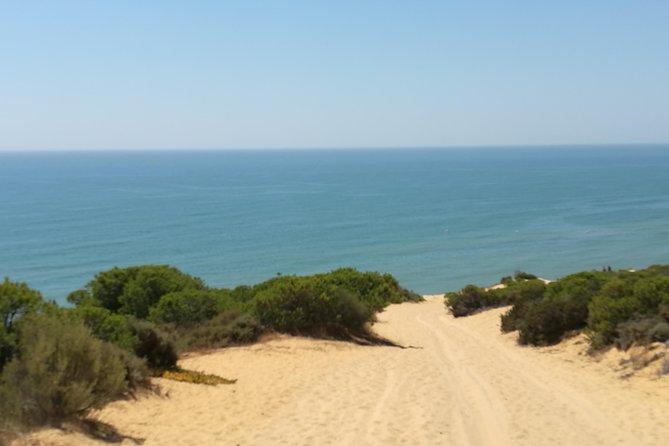
Next comes a beach break at Matalascanas for around 45 minutes. Reviews consistently describe this as a welcome change of pace after marsh and sanctuary time.
The beach stop also helps you reset. Even if you’re mainly there for birds, you don’t want your whole day spent staring through a lens. This portion gives your eyes something different—sand, sea light, and open horizon views.
Stop 4: Back near El Rocío, then into Doñana National Park for ~3 hours
This is the heart of the tour: about 3 hours focused on Doñana National Park from the El Rocío area.
In an ideal day, this is when you’re watching for wildlife from the vehicle and around the viewing spots. People bring up flamingos and spoonbills often, plus other birds like storks and eagles when conditions line up.
One important reality: access can shift. Flooding and road closures can mean you can’t reach every area you’d hope for, and sometimes the park portion feels more limited than the itinerary suggests. That’s not a small detail—it can change what you see that day.
Stop 5: Return to Seville
Finally, you head back to Seville with another short 15-minute window. If you’re planning dinner reservations that evening, I’d aim for flexibility. This is a long day, and the return depends on how the route goes.
Wildlife and Birding Expectations (Including the Iberian Lynx Question)
Let’s talk honestly about the kind of animals you’ll likely notice most. Based on what people report again and again, birdlife is the strongest bet.
You can see flamingos, spoonbills, storks, and other birds depending on where the water sits. One reviewer pointed out a key factor: the water level varies a lot by season, so wildlife patterns can change. If you go at a time when things are wetter and lush, bird activity may be higher; if it’s drier later in the year, you might have a different set of birds and fewer water-dependent sightings.
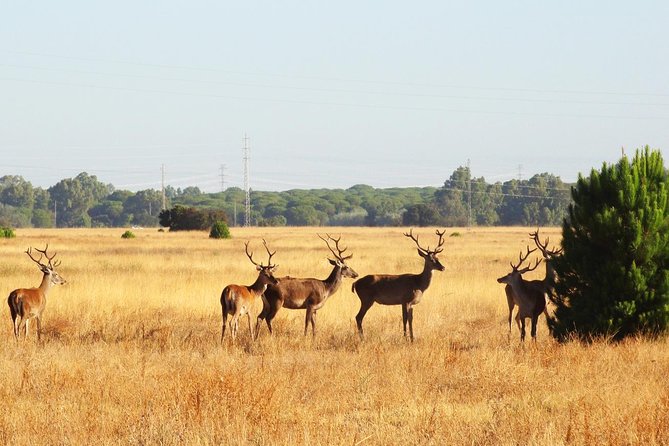
Mammals are possible, and the tour team clearly searches for them. There are reports of deer and even Iberian lynx in some cases. But you should think of this as a guided wildlife day where the guides chase sightings—not as a safari with a guaranteed target species.
Also, don’t ignore small wildlife. Several guides are praised for spotting things quickly from the vehicle, including tiny creatures and less obvious birds. Ramon, for example, is described as able to detect animals quickly and explain them in a way that makes you start seeing more on your own.
Weather, Flooding, and Why Your Plan Should Stay Flexible
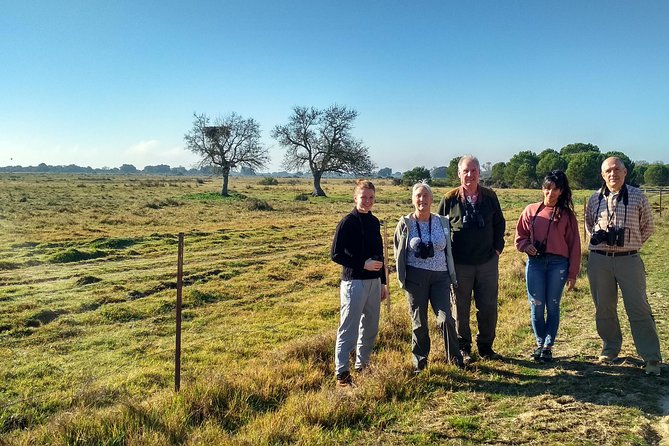
Doñana isn’t a theme park. Weather and water levels matter, and the tour itself notes that it requires good weather.
On rainy or flood-affected days, what can change:
- access to some areas may be limited due to dangerous ground or road closures
- drives can feel more uncomfortable if roads are rough
- wildlife viewing can shift if conditions push animals elsewhere
Some feedback includes tough moments tied to flooding impacts, including uncomfortable road conditions and disappointment when access is reduced. Other feedback is more positive, crediting guides who worked hard to find wildlife even under bad skies.
My practical take: if you book this, build the mindset of a birding-focused nature day. If the itinerary can’t run fully, you still have a good chance of seeing plenty—especially birds—because the guides adjust routes and viewing stops.
What to Bring and How to Make the Day Feel Worth It
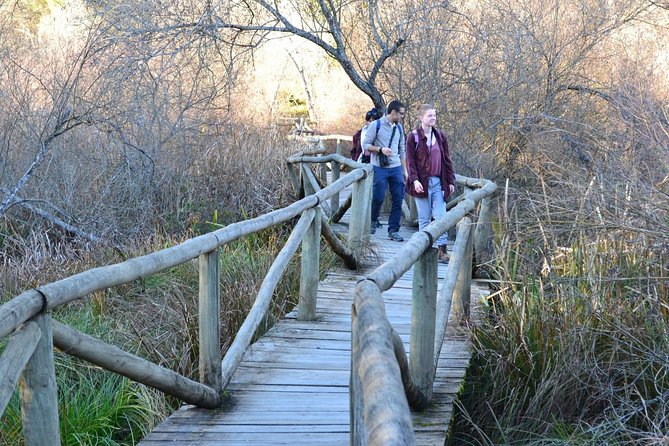
This is a long, outdoors-heavy outing with at least some walking depending on where you stop. The tour asks for moderate physical fitness, so wear shoes you’re comfortable in for uneven paths and short walks.
Bring:
- a light layer for wind in open areas
- sunscreen and sunglasses
- a bottle of water (even if you’ll also buy snacks)
- a phone camera with power saved, since you may get photo ops quickly
Since food and drinks aren’t included, plan your energy. If you dislike waiting, pack a small snack for the transitions. Then buy your lunch or snacks when the day gives you a break.
Who This Tour Is Best For
This one fits best if you want:
- a nature break from Seville’s museums and churches
- a guided day where you’re learning while you look
- bird-focused wildlife time plus a real cultural stop at El Rocío
It’s also a good match if you like small groups and you don’t want your experience to feel like a factory line. The max of 15 travelers helps keep the day moving at a human pace.
If you’re traveling with someone who gets overwhelmed by long car days, tell them in advance it’s a 10-hour outing. It can feel long, but the variety of stops and the wildlife focus keeps it from turning into pure transit.
Should You Book This Doñana Tour From Seville?
If you’re hoping for a guided day in Doñana’s UNESCO wetlands with strong birding potential, this is a smart value pick. The small-group size, the day’s mix of marsh/wildlife focus plus El Rocío and a beach break, and the repeated praise for guides like Jose, Ramon, and Miguel all point to an experience that’s trying to make nature feel accessible.
I’d book with two expectations set upfront:
1) birds are the safest win, since water levels drive sightings
2) weather can change access, so keep your plans flexible and don’t treat any single animal as guaranteed
If that sounds like your kind of travel day—go for it.
FAQ
How long is the Doñana guided day tour from Seville?
The tour runs for about 10 hours.
What does the tour cost?
The listed price is $95.34 per person.
Is pickup from Seville included?
Yes. Round-trip shared transfer is included, and pickup details are arranged by choosing your pick-up point.
What language is the tour offered in?
It’s offered in English.
How many people are on the tour?
The maximum group size is 15 travelers.
Are food and drinks included?
No. Food and drinks are not included.
Does the tour provide tickets or a mobile ticket?
You’ll receive a mobile ticket.
What happens if weather is bad?
The tour requires good weather. If it’s canceled due to poor weather, you’ll be offered a different date or a full refund.