REVIEW · SEVILLE
Sevilla: Flamenco Show at Tablao Álvarez Quintero
Book on GetYourGuide →Operated by Gestión Turistica de Artistas y Flamenco en Sevilla, S.L · Bookable on GetYourGuide
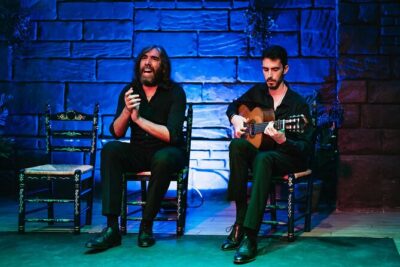
Close-up flamenco hits fast. At Tablao Álvarez Quintero, you sit in an intimate 18th-century venue and watch an intensely emotional show built around singing, dance, and a guitar that sounds razor-sharp. I especially love the intricate footwork and how closely you can see each beat land. One thing to consider: sightlines can be uneven, and the left side may feel less clear than you’d like.
This experience is built for pure performance, not a long night out. You get a focused 1-hour flamenco show for about $29, and you’ll want to plan on handling food and drinks separately since they’re not included.
In This Review
- Key things to notice before you go
- Tablao Álvarez Quintero: an 18th-century room for close-up flamenco
- What a one-hour flamenco show feels like in Seville
- The 18th-century house vibe: where atmosphere becomes part of the performance
- Singing and dance: emotion you can read without a translator
- Guitar solo moments: where the rhythm gets detail-heavy
- Seats, photos, and the small rules you should plan around
- Price and value: why $29 can feel fair for one hour
- Who this flamenco show is best for
- Should you book Tablao Álvarez Quintero?
- FAQ
- How long is the flamenco show at Tablao Álvarez Quintero?
- Where is Tablao Álvarez Quintero located?
- What is included in the ticket price?
- Are food and drinks included?
- What is the price per person?
- What accessibility and languages are available?
Key things to notice before you go
- Intimate tablao setting inside an 18th-century house, designed for close viewing
- Improvised performance approach, so the show can feel fresh from night to night
- Guitar detail and fast precision, especially during the solo moments
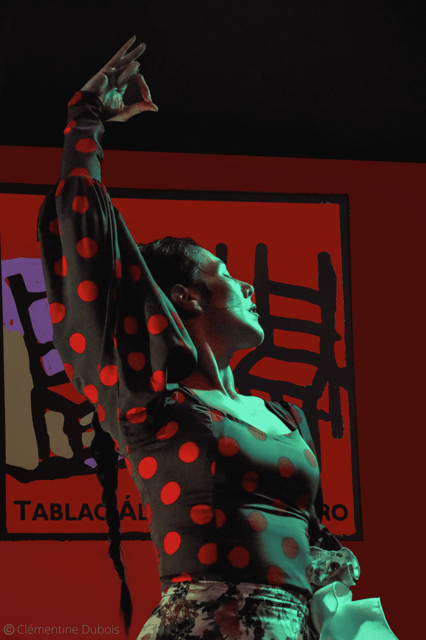
- Expressive singing and dance, with clear emphasis on timing and footwork
- Potential seat trade-off, where left-side views may be less comfortable
- Photo rules near the end, with restrictions that are easy to miss if you’re not watching the clock
Tablao Álvarez Quintero: an 18th-century room for close-up flamenco
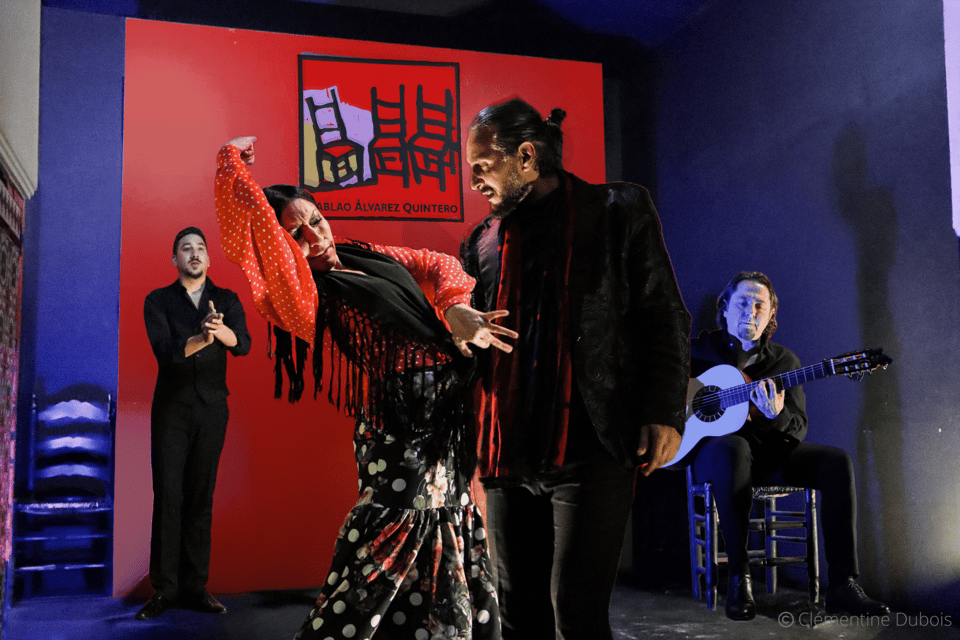
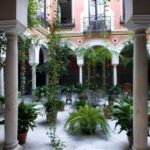
Tablao Álvarez Quintero is the kind of place that makes you slow down when you walk in. The venue lives in an older house and it keeps the feeling of a real tablao: close seating, a sense that everyone is there for the same reason, and performers that don’t feel miles away. That intimacy matters with flamenco. The details aren’t just “nice to see.” They’re part of the language—hands, posture, micro-pauses, and the way rhythm travels through the room.
Because the room is compact, you also get a more physical kind of experience. When the rhythm changes, you feel it in the timing of the entire audience. You aren’t just watching a show; you’re staying tuned to it. That’s why I like this sort of venue for first-timers. You don’t need a complicated setup to understand what’s happening—you can read the energy quickly.
The practical downside is simple: visibility depends on where you sit. One review called out that the stage view was fairly poor from the left-hand side. If you can choose seats, don’t assume every angle is equal. If your booking flow allows it, aim for a spot that gives you a straight-on view of the performers and the guitar moments.
You can also read our reviews of more tours and experiences in Seville
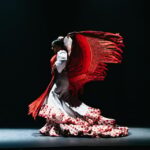
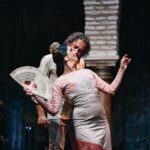

What a one-hour flamenco show feels like in Seville
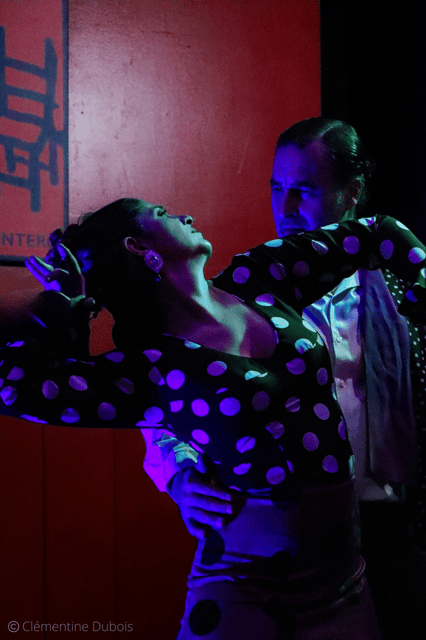
This is a short commitment—about 1 hour—which is perfect if you want flamenco without turning it into a full evening plan. The tempo of the night tends to move quickly: singing, then dance, then guitar highlights, then back again. That structure helps because flamenco often works in layers. You’re hearing emotion, watching storytelling in movement, and then catching how the guitar reinforces every shift.
One big reason people like this show is that it’s entirely improvised. That doesn’t mean “no structure.” It means the performers respond in real time—feelings, intensity, and pacing can adjust. The result can feel more natural, like you’re seeing a living conversation rather than a rehearsed checklist.
You’ll want to come in with the right mindset: flamenco isn’t a lecture. It’s an experience. Even if you don’t know all the vocabulary, you can still follow the arc. Pay attention to contrast: loud versus soft, sudden bursts versus held notes, and the way the dancer’s footwork can switch the mood instantly. You’ll be surprised how quickly your brain starts “getting it” even on a first visit.
Also note the human side. The host or greeter supports Spanish, English, French, and German, so you’re not left on your own to figure everything out once you arrive. That’s helpful in a setting where the show is the main event and you want to get seated without stress.
The 18th-century house vibe: where atmosphere becomes part of the performance
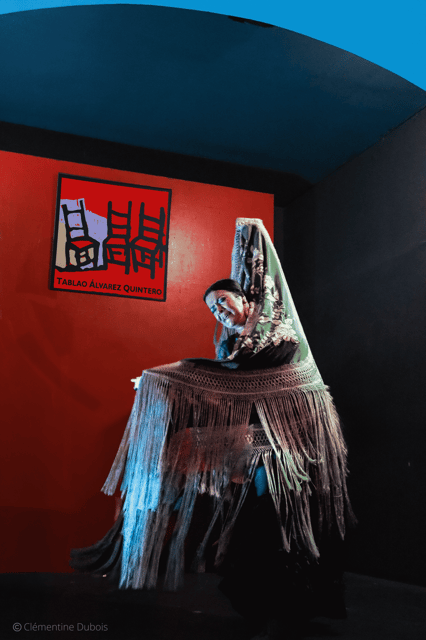
The space at Tablao Álvarez Quintero does more than look historic. It shapes how the show lands. In a purpose-built or modern theater, you sometimes feel like you’re watching a stage. Here, the room feels more like a gathering place. The performers’ proximity changes your attention.
In close rooms, flamenco’s textures become clearer:
- Footwork reads as rhythm you can almost track physically
- Singing lands with more presence, not just volume
- Guitar work cuts through the air in quick, distinct phrases
That combination is why the show can feel “alive,” especially given the improvised approach. The older architecture also adds to the sense that you’re stepping into something rooted. You’re in Seville, but you’re also inside a living tradition.
If you’re sensitive to cramped spaces or you tend to get restless easily, go in expecting that intimacy is part of the deal. This isn’t a distant view where you can spread out and take your time. The benefit is that you’ll actually see what matters.
Singing and dance: emotion you can read without a translator
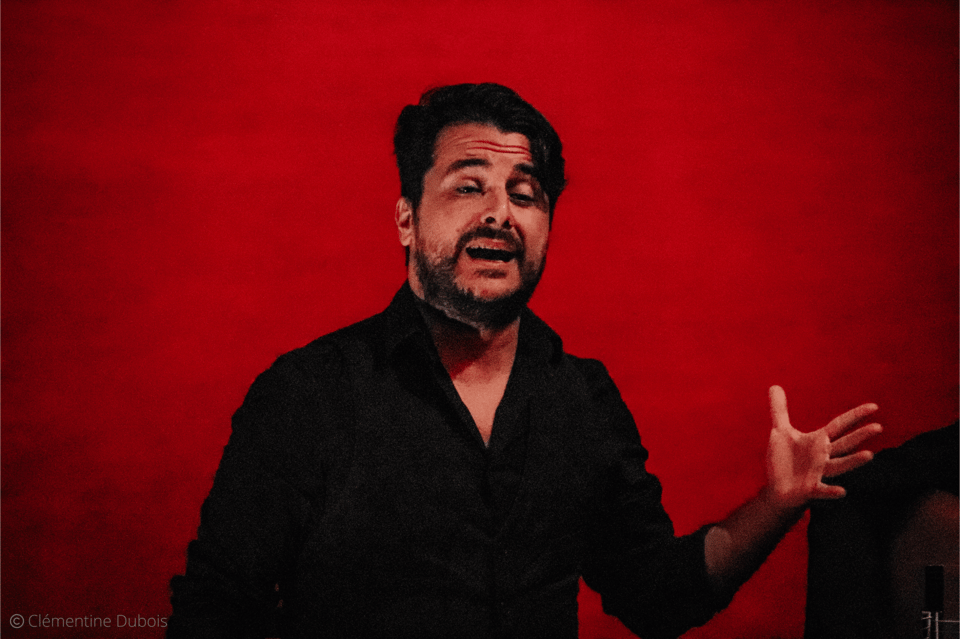
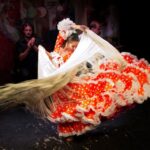
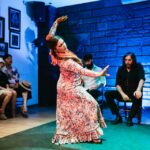
Flamenco works because it’s expressive even when you don’t understand every lyric. At this show, the emphasis is clear: singing drives the emotion, and the dancers translate that emotion into movement—especially through footwork. That footwork isn’t just decoration. It’s communication.
I like that the show is described as passionate, with intricate dance and quick, distinct rhythms on guitar. In practice, that means you’ll see moments where the dancer’s timing feels like it’s arguing with the music—in a good way. Then suddenly they click. That “click” is often the moment you realize flamenco has its own logic.
Some programs can also include different mood styles (one review specifically mentioned a female dancer performing a piece with a mourning feeling). You might not get the same exact moods on every night, especially with improvisation, but you can expect the emotional range to move around. That’s part of why flamenco can feel intense: it’s not one blanket feeling. It’s shifts.
If you’re the type who likes explanations, you might want to bring some background to help you catch the signals. The activity includes the show, but it doesn’t mention any guided educational talk. So if you want an intro to flamenco styles, do a quick read before you go. You’ll enjoy the performance more when you know what you’re looking for.
Guitar solo moments: where the rhythm gets detail-heavy
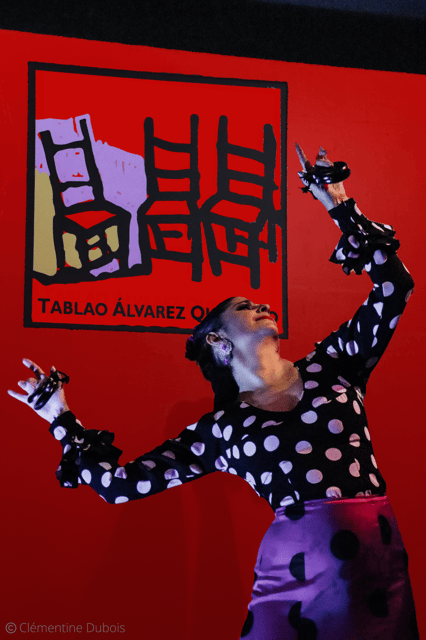
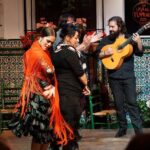
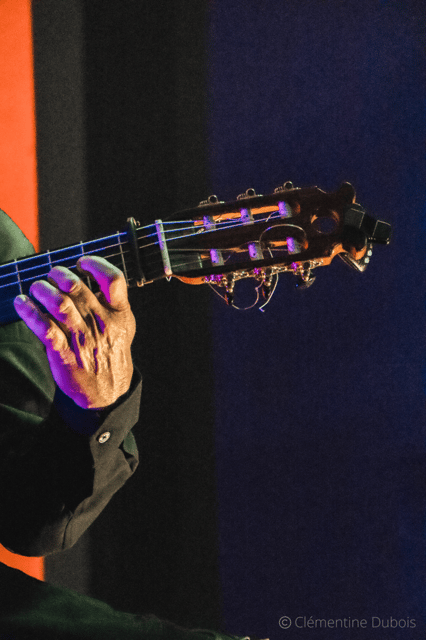
The guitar is often the engine of flamenco, and this show puts the spotlight where it counts. Expect a solo moment with fast, distinct notes—quick flashes of rhythm that sound almost percussive. When people say the guitar is “intricate,” this is the part they’re usually describing.
Here’s what makes that solo valuable in a small tablao:
- You can hear the fine changes in rhythm and emphasis
- The dancers and singers seem to react in real time
- The room amplifies the sense of momentum
Because the show is improvised, the guitar moments can feel like they’re steering the energy. If the singer pushes a feeling harder, you may hear the guitar answer. If the dance intensifies, the guitarist often tightens the rhythm to support that shift.
It’s also where your attention can sharpen. During fast passages, watch the guitarist’s hands and the timing between phrases. You’ll start to “feel” the structure even if you can’t label it.





Seats, photos, and the small rules you should plan around
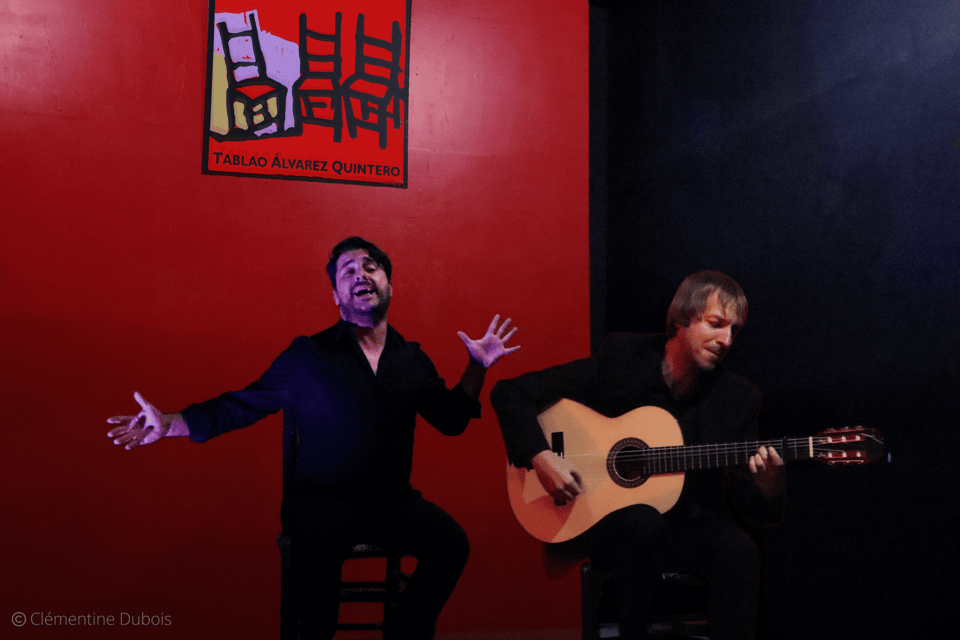
When you’re booking a show like this, the boring practical details matter more than you’d think. Flamenco is short and focused, so you don’t want to spend the night scrambling.
A couple of issues worth planning for:
1) Stage visibility can vary.
If you have a choice, don’t only pick based on being “closer.” Pick based on angle. The left side has been described as having a fairly poor view of the stage. If you end up there, you might still enjoy the performance, but your experience could feel less satisfying during key dance moments.
2) Photo restrictions can catch you off guard.
There’s a rule not to take photos until the last part of the show. One note was that photos were restricted until the last five minutes, but the exact cue wasn’t obvious—so opportunities for photos were limited. Your best move: don’t rely on guesswork. Keep an eye out for staff signals and be ready as the show winds down.
3) Food and drinks are not part of the ticket.
The activity includes the flamenco show only. If you want a drink or a snack before or after, plan that around the location on your own.
None of this is meant to scare you off. It’s just how you protect the experience. A smooth show night lets you focus on the actual art.
Price and value: why $29 can feel fair for one hour
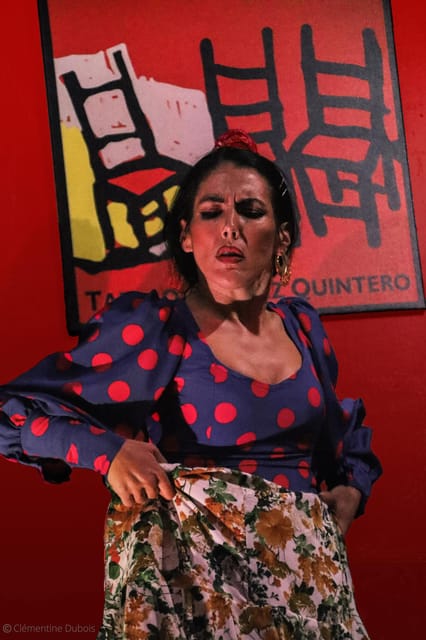
Let’s talk money in a way that helps you decide. At $29 per person for a 1-hour flamenco show, you’re paying for a dedicated performance slot in an intimate venue. You’re not paying for dinner, transfers, or a whole evening program. That can be good value if you specifically want flamenco and nothing else.
The value part comes down to what you want:
- If you want a focused, no-fuss flamenco evening, this is a straightforward purchase.
- If you’re hoping for a full cultural package plus food and drinks, you may feel like something’s missing—because none are included.
Also keep in mind the “you’re there for the performance” format. With improvisation and a close setting, the hour is supposed to feel concentrated. When a show is intense and compact, the price tends to feel more reasonable because you’re not waiting around for things to happen.
Who this flamenco show is best for
I think this is a great fit for three types of people:
First: first-time flamenco watchers who want to feel the rhythm close up. The intimate space and the one-hour length make it easy to commit.
Second: music and dance fans who care about detail. This show leans into intricate footwork and quick, distinct guitar notes. If you like watching hands, listening for rhythm shifts, and spotting how performers react, you’ll probably love it.
Third: travelers who want authenticity without over-planning. There’s no mention of a long guided program or extra stops. You show up, take your seat, and flamenco happens.
It’s not the best match for you if you want a lot of explanation on what you’re seeing. The show is the point, and the focus is on performance rather than instruction. And if stage visibility is crucial for you, take extra care with seating choice.
Should you book Tablao Álvarez Quintero?
Book it if you want an intense, close-up flamenco show in Seville and you’re happy keeping the plan simple. For the money, you’re getting exactly what matters: singing, dance, and guitar in a compact setting, with an approach that’s improvised and geared toward a more natural feel.
Skip or rethink if:
- You strongly need an excellent stage view from your seat and can’t choose.
- You want food/drinks included in the ticket.
- You need a structured flamenco introduction before the performance starts.
If your goal is to spend one hour letting flamenco do its job—emotion first, explanation second—this is a solid choice.
FAQ
How long is the flamenco show at Tablao Álvarez Quintero?
The show lasts 1 hour.
Where is Tablao Álvarez Quintero located?
It’s in Seville, Andalusia, Spain.
What is included in the ticket price?
The ticket includes the flamenco show only.
Are food and drinks included?
No. Food and drinks are not included.
What is the price per person?
The price is about $29 per person.
What accessibility and languages are available?
It’s wheelchair accessible, and the host or greeter supports Spanish, English, French, and German.