REVIEW · SEVILLE
Seville Adventure: Historic Walking Tour & Traditional Tapas
Book on GetYourGuide →Operated by TopSegway · Bookable on GetYourGuide
Seville has a way of pulling you in. This historic walking tour links Islamic-era Seville to today’s street life, then caps it with tapas and drinks in the middle of the old city. You’ll move at a comfortable pace and learn how the city’s layers actually show up on the ground.
What I love most is how the route turns big names into real places you can picture—Plaza del Triunfo by the Cathedral and the surrounding power zone make sense fast. I also like that the food stops feel tied to the story, especially when you reach the area of the Aljama Mosque at El Salvador.
One thing to weigh: entry tickets aren’t included, so if you want to go inside every major site, you’ll need extra time and extra spending.
In This Review
- Key highlights you should care about
- Meeting near TopSegway and getting your bearings fast
- Plaza del Triunfo by the Cathedral: the city’s “big idea” spot
- Archivo de Indias to Alcaicería de la Seda: seeing Islamic Seville through design and trade
- El Salvador and the Aljama Mosque area: when history turns into a tapa moment
- Santa Cruz and Orange Tree Sevilla: a quick look at lived-in Seville
- Antigua Fábrica de Tabacos and the Cigars-to-City link
- Plaza de España and Parque de María Luisa: photo stops with real purpose
- San Telmo Palace, Torre del Oro: finishing the old-city loop with a sense of geography
- Metropol Parasol (Las Setas): the payoff view
- Tapas and drinks: why the food stop feels worth it
- Price and value for about $79 for 3 hours
- Timing, pacing, and what to do before or after
- Who should book this Seville adventure (and who might skip it)
- Should you book? My take
- FAQ
- How long is the Seville historic walking tour with tapas?
- What is included in the price?
- Are entry tickets to the sights included?
- Where does the tour meet?
- What languages is the live guide available in?
- Is the tour wheelchair accessible?
- What should I bring for the tour?
- Is the tour suitable for children?
- Can I get a refund if my plans change?
Key highlights you should care about
- Islamic influence explained in street-level context, including the 12th-century main mosque area
- Alcaicería de la Seda, a 12th-century indoor Muslim market concept you’ll understand as you walk
- El Salvador and its 9th-century Aljama Mosque area, plus an old-school tavern-style stop for a tapa
- Mudéjar architecture at Santa Catalina, where Arabic and Christian styles mix in a visible way
- Metropol Parasol (Las Setas) skyline payoff, after your walking and learning are done
- Tapas and drinks included, so your money goes toward experiences, not just sightseeing
Meeting near TopSegway and getting your bearings fast
The tour starts at TopSegway Federico Sanchez Bedoya 12, 41001 Sevilla. Even if you’re arriving in the middle of a busy day, this location works well because you’re positioned close to some of the oldest “story streets” you’ll be walking through later.
This is a 3-hour guided experience with an English (plus Spanish and French) live guide. For you, that matters because you’re not left decoding signage or guessing which buildings matter and why. You get a human timeline in motion, which is the difference between seeing Seville and getting it.
You also want your basics ready: bring an ID or passport. The tour is wheelchair accessible, but it’s noted as not suitable for children under 12 and not for pregnant women, so plan accordingly.
You can also read our reviews of more walking tours in Seville
Plaza del Triunfo by the Cathedral: the city’s “big idea” spot
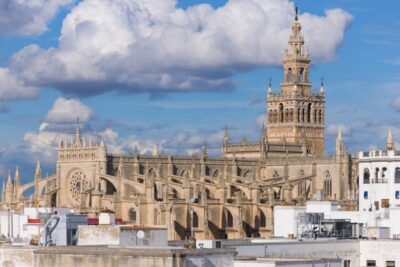
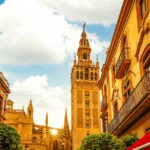
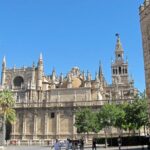
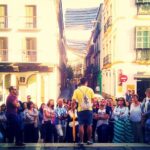
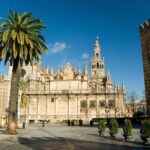
Your first big stop is Plaza del Triunfo, right by the Seville Cathedral area. This is one of those places where you can look around and feel that Seville was made by serious decision-makers. The guide helps you connect that feeling to specific history—especially the Archivo de Indias and what it represents.
Here, you’ll hear about the 12th-century main mosque and how the city’s religious and political identity shifted over time. That’s not just trivia. When the guide points out what came before, you start recognizing patterns—like how certain layouts and building purposes tend to survive even when everything changes names.
Also keep an eye on your timing here. Since this tour is about history plus food, you’ll want to pay attention in the early moments rather than zoning out while you’re still settling in. The “why it matters” explanations are doing a lot of work for the stops that come later.
Archivo de Indias to Alcaicería de la Seda: seeing Islamic Seville through design and trade
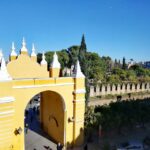
About 100 meters down the walking line, you reach the area where you’ll learn about Puerta del Perdón and Alcaicería de la Seda. The guide frames Alcaicería de la Seda as a 12th-century indoor Muslim market, which is a key detail.
Markets like this weren’t just where people bought things. They were where different communities interacted, where money changed hands, and where the city’s economy depended on trade routes. So when you understand what this place was meant for, you read the surrounding streets differently.
The guide also talks about the daily life of Seville’s citizens during about 500 years of Islamic rule. You don’t need a textbook to get value here. You just need the right anchors—like the idea of an indoor market system and the religious-political shifts around major structures. That’s what makes the Islamic influence feel real instead of abstract.
El Salvador and the Aljama Mosque area: when history turns into a tapa moment
Next up is El Salvador, where you explore the 9th-century Aljama Mosque area and the original main dock from Roman times. Yes, both. And that combo matters because it shows how Seville’s identity didn’t come from one era. It stacked.
The guide’s explanations help you understand why this area is so important for understanding Seville’s movement of people and goods: the mosque reference gives you the spiritual and community side, while the dock reference points to logistics and connection. Together, they explain why this city developed into what it is.
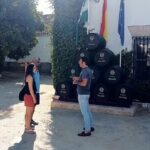
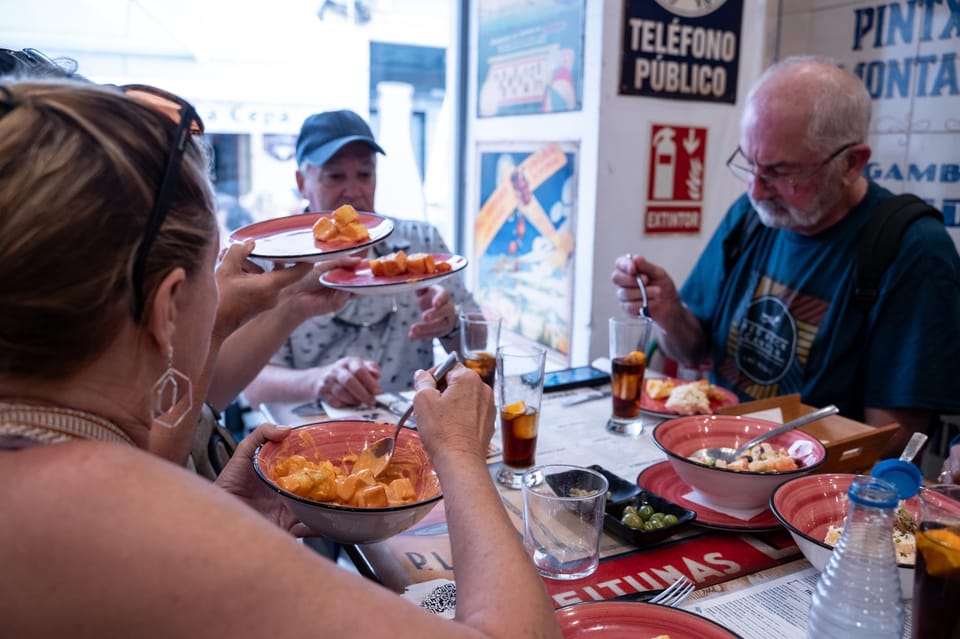
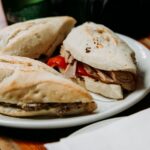
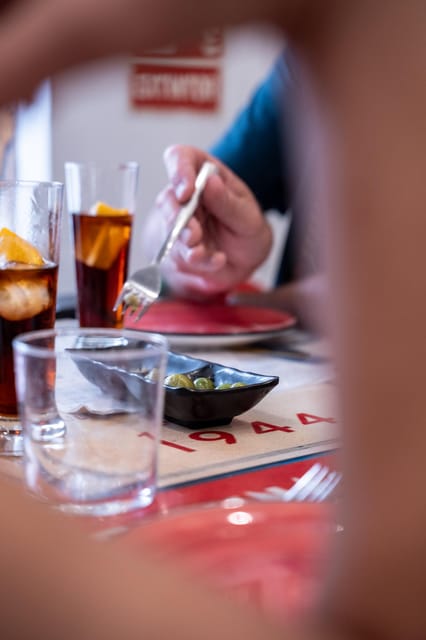
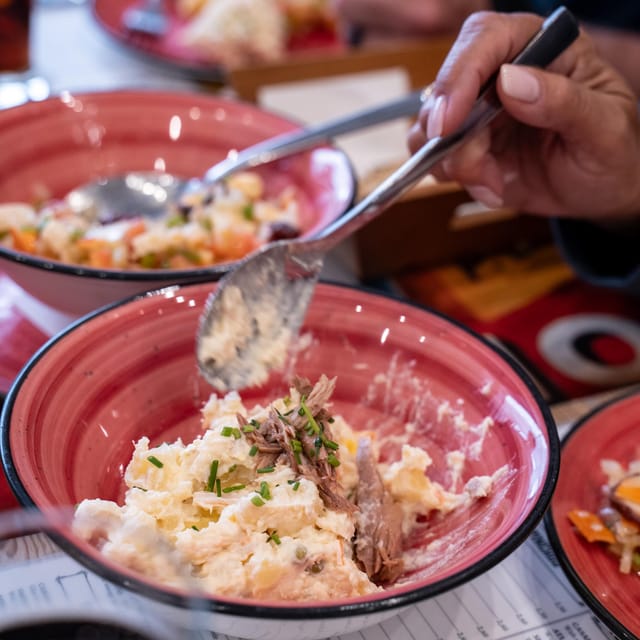
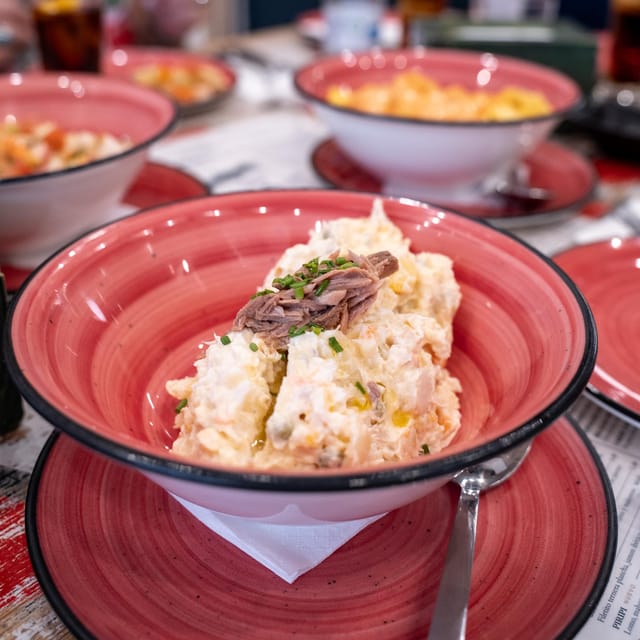
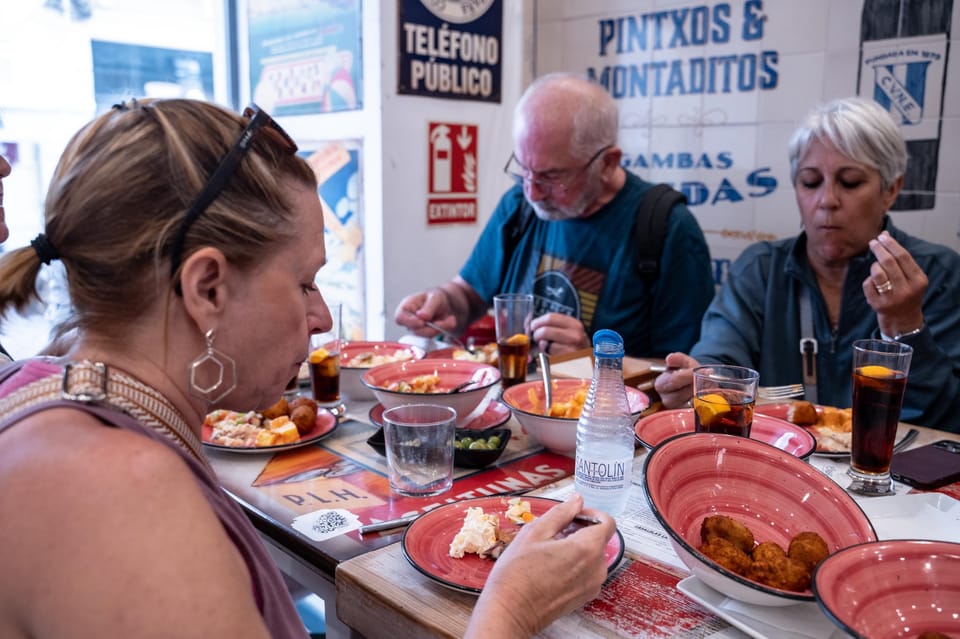
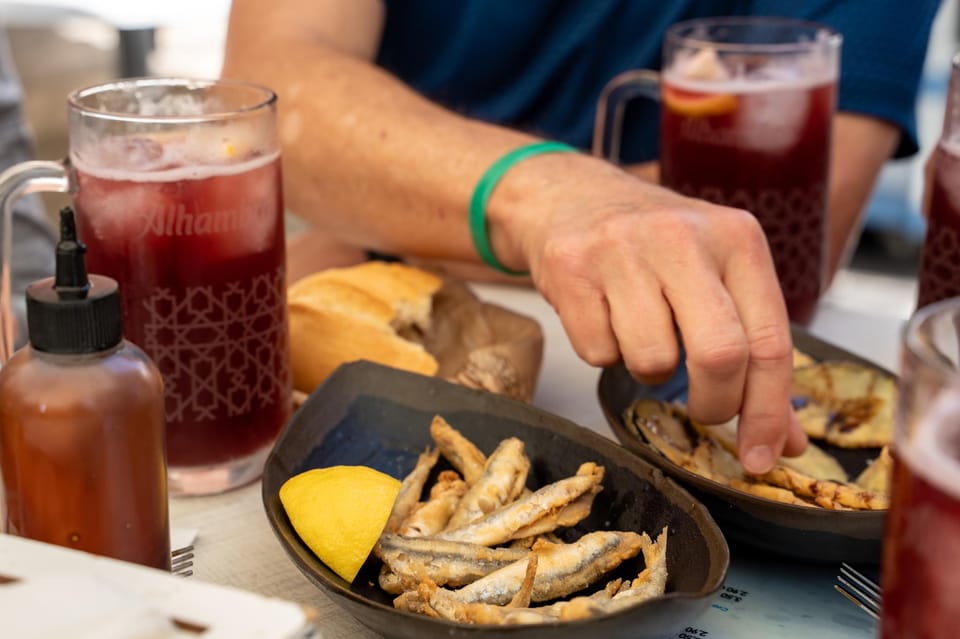
Then comes one of the best “tour logic” choices of the day: you’ll stop near an authentic-style abacería, described as an ancient tavern setting, and you’ll enjoy it with a tapa and a drink. This is where the tour earns its keep. A tapas stop that’s tied to the story lands better than a random food break.
If you’re the kind of person who wants to taste local life rather than just collect photos, this is one of the stops that will stick with you.
Santa Cruz and Orange Tree Sevilla: a quick look at lived-in Seville
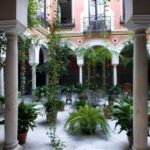
As you move toward Santa Cruz, Seville, you’ll get a guided visit and a chance to walk through that old-town atmosphere. The tour structure means you get context without turning into a crawl. At places like this, you should expect lanes, corners, and sudden changes in how open the street feels.
You’ll also pass Orange Tree Sevilla, with a short guided visit here. It’s a small moment, but it helps break up the heavier historical details. When you’re learning about centuries of change, you don’t want the day to feel like a nonstop lecture.
You can also read our reviews of more historical tours in Seville

Antigua Fábrica de Tabacos and the Cigars-to-City link
You’ll then head toward Antigua Fábrica de Tabacos, with time built in for a break. The guide gives you a guided tour and walk-by sightseeing, but it’s the pause that makes it work.
In Seville, one good break can make the last stretch feel easier. And it helps because after this point you’re heading toward some major view and photo spots. If you’re hungry (and you will be, because tapas appetite grows), this is a smart time to reset before you start chasing views.
Plaza de España and Parque de María Luisa: photo stops with real purpose
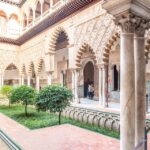
You’ll reach Plaza de España, with time for a photo stop and a guided tour/sightseeing around the area. This is one of those Seville icons where it’s easy to treat it like scenery only. The guide helps you keep it grounded in the city’s story, so it stops being only a backdrop.
Then it continues to Parque de María Luisa, again with guided time and photo stops. This park-area segment gives you that “breathing space” feeling, which matters in a walking tour. You’ve already worked through Islamic-era context; now you get a softer pacing and skyline-framing opportunities.
San Telmo Palace, Torre del Oro: finishing the old-city loop with a sense of geography
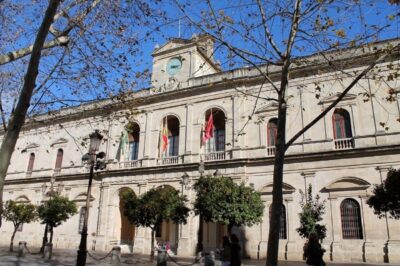
After the plaza and park, the route includes San Telmo Palace for photo stop time and guided details. You won’t get a full deep museum experience here—this is still a 3-hour format—but it helps you recognize the city’s layout and power points as you walk.
Then comes Torre del Oro, the Gold Tower area, where you’ll have photo stop time and guided sightseeing/walking. This stop is useful because towers anchor your mental map. Even after you leave, you’ll remember where things are relative to the river-side story this tower connects to.
Metropol Parasol (Las Setas): the payoff view
Before the tour ends, you’ll reach Metropol Parasol, described as the Metropolitan Mushroom. This is a fun contrast to the older architecture you’ve been studying. The guide helps you see the skyline payoff from up top, which makes the whole route feel like it has a point.
In a tour like this, the last view can either feel like an afterthought or like a conclusion. Here it works because by the time you’re up there, you’ve already learned what the city used to be doing—trade, worship, administration—so now you’re seeing where all that evolution led.
Tapas and drinks: why the food stop feels worth it
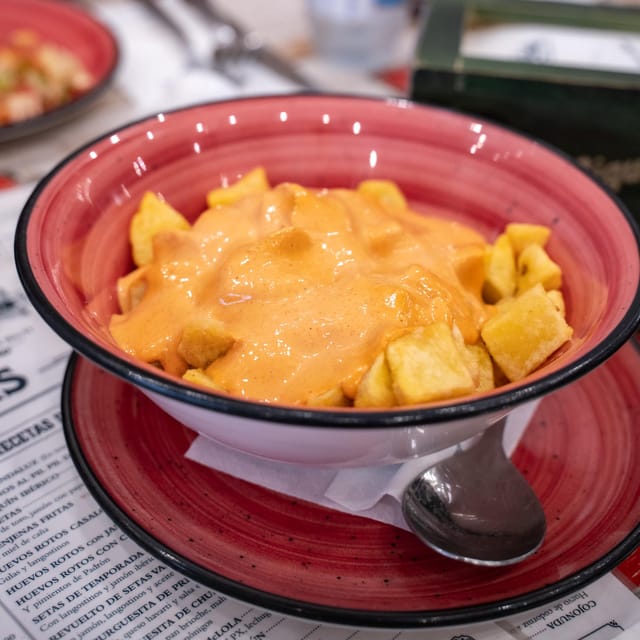
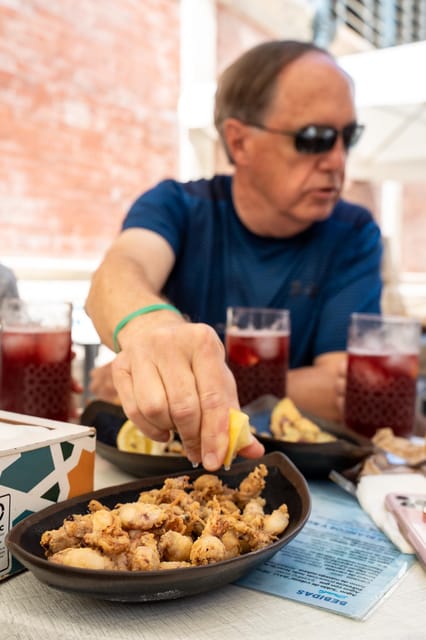
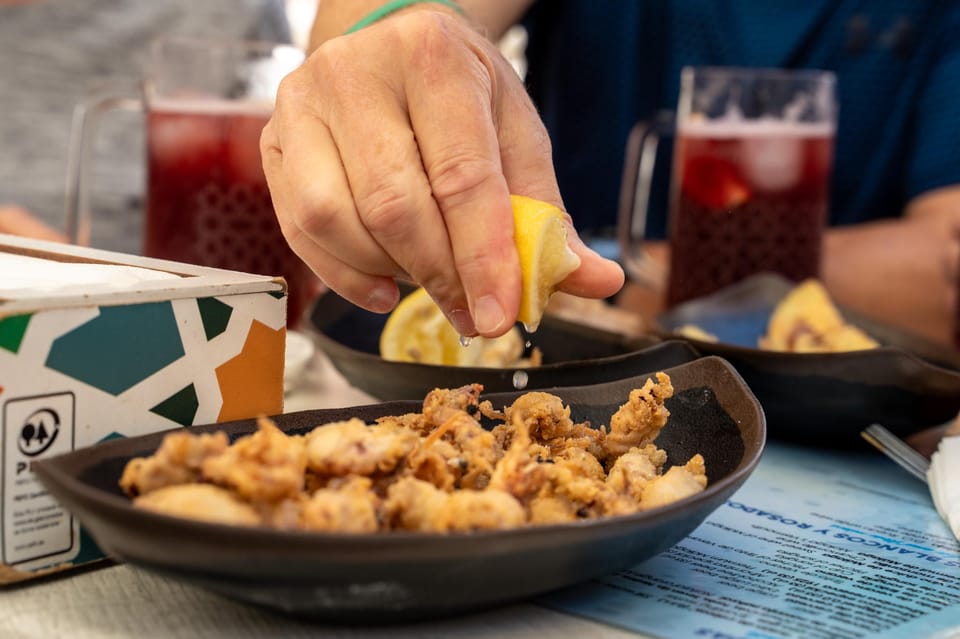
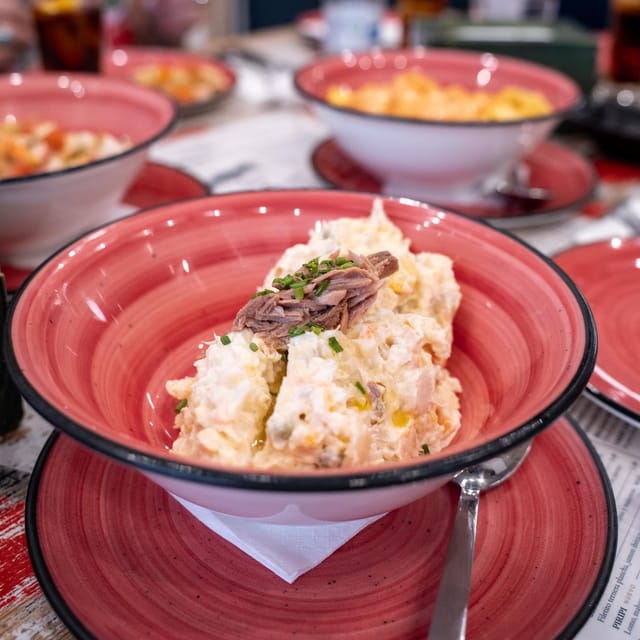
The tour includes tapas and drinks, and that’s part of the value. In many “walk and see” tours, food is a checkbox. Here, the food is placed where it makes sense: you get history at key religious and market-related areas, then you eat in the middle of that atmosphere.
In practical terms, you should treat tapas as a guided taste and plan to eat a full dinner later. You’ll likely be satisfied, but not stuffed enough to skip the rest of your day.
Also, a big plus: you get the guide’s help with recommendations for your entire stay in Seville. That kind of advice can save you hours. You’re not just learning; you’re getting direction for what to do next.
On previous tours, I’ve seen guides named Zach and Marcio praised for friendliness and for steering people to less-obvious spots. Even if the guide you get is different, that emphasis on practical, people-first guidance is the heart of why this tour rates so well.
Price and value for about $79 for 3 hours
At $79 per person for a 3-hour walking-and-tapas tour, the price only feels fair if you value three things:
- a live guide who connects Islamic influence, markets, and major landmarks
- tapas and drinks included, so food isn’t extra
- a route that mixes famous names with contextual explanations
Where it can feel expensive is if you already plan to pay for entry tickets to lots of museums and you also prefer unguided wandering. Since entry tickets aren’t included, your cost may rise if you decide to go inside places you pass.
Still, as a first or second day activity, it’s strong value because you’ll leave with a mental map. That means your later time in Seville tends to go faster and feel more intentional.
Timing, pacing, and what to do before or after
This tour is short enough that it doesn’t crush your day, but long enough that you’ll feel you covered “the essentials with context.” The walking rhythm includes several quick stops and a couple of longer segments, so you’ll want to arrive ready to walk.
A smart move: if you can, do this earlier in your trip. You’ll pick up the story that helps you understand what you’ll see later on your own. If you do it late, you still get value, but your follow-up exploring will rely more on memory than direction.
Before you go, wear comfortable shoes. You’re walking through old-town surfaces that can be uneven and crowded, especially near the cathedral-area streets.
Who should book this Seville adventure (and who might skip it)
I’d book this tour if you:
- want Seville highlights plus an explanation of Islamic influence
- like tapas that feel connected to place, not dropped in at random
- prefer a structured route so you can spend later time wandering with confidence
- appreciate a guide who can share recommendations for the rest of your stay
I’d skip it if you:
- want lots of time inside major sites (since entry tickets aren’t included and the format is walking-focused)
- are traveling with kids under 12 or if the tour isn’t a fit for your situation (pregnancy is noted as not suitable)
If you’re a solo traveler, this is also a good bet because the guide does a lot of the conversation and context-building.
Should you book? My take
Yes, if you want a first-pass orientation to Seville that goes past surface sightseeing. The combination of Plaza del Triunfo, General Archive of the Indies, Alcaicería de la Seda, El Salvador’s Aljama Mosque area, mudéjar at Santa Catalina, and the Metropol Parasol skyline makes this tour feel like a coherent story.
And the tapas and drinks are not an afterthought. They’re timed so you can reset while the history is still fresh in your head. If you’re okay adding entry tickets later on your own, the value at about $79 for 3 hours makes sense.
FAQ
How long is the Seville historic walking tour with tapas?
It lasts 3 hours.
What is included in the price?
The tour includes a guided tour plus tapas and drinks.
Are entry tickets to the sights included?
No. Entry tickets are not included.
Where does the tour meet?
The meeting point is TopSegway Federico Sanchez Bedoya 12, 41001 Sevilla.
What languages is the live guide available in?
The guide is available in English, Spanish, and French.
Is the tour wheelchair accessible?
Yes, it is listed as wheelchair accessible.
What should I bring for the tour?
Bring your passport or ID card.
Is the tour suitable for children?
No, it is not suitable for children under 12.
Can I get a refund if my plans change?
You can cancel up to 24 hours in advance for a full refund.