REVIEW · SEVILLE
Seville: Tapas, Taverns, and History Walking Tour
Book on GetYourGuide →Operated by Spain Food Sherpas · Bookable on GetYourGuide
Seville tapas tastes better with a guide. This 3.5-hour walking tour pairs four real food stops with stories about how tapas work in Seville, plus insider picks on where locals actually hang out. I especially like the focus on classic bar culture, from a vintage tavern to a legendary meeting spot that has been trading since 1942.
I also love the small-group size (max 12). It keeps the pace relaxed and makes it easier to ask questions as you go. One drawback to consider: this isn’t a good fit if you’re vegan, and it’s not recommended for people with celiac disease because of gluten cross-contamination risk.
In This Review
- Key Takeaways
- Entering Seville Through Tapas Culture
- Starting at Plaza de la Encarnación (and why that spot helps)
- Stop 1: The early-1900s tavern and flaming chorizo
- Stop 2: Historic streets, the old Moorish souk, and the scent clues
- Stop 3: Traditional bakery cakes made from old recipes
- Stop 4: A legendary bar since 1942 (and who hangs out there)
- The final meal: Tradition meets modern fusion
- Small group size (max 12) and why it changes the tour
- Drinks included: vermouth at the start, wine energy later
- Price and value: where the $84 makes sense
- Food limits and who should skip (or choose carefully)
- What to do after the tour: use the recommendations fast
- Should You Book This Seville Tapas Tour?
- FAQ
- How long is the Seville tapas, taverns, and history walking tour?
- How many tasting stops are included?
- What does the tour cost?
- Where do I meet the guide?
- Is hotel pickup or drop-off included?
- Is the tour suitable for vegans?
- Is this tour safe for people with celiac disease?
- What language is the tour guide?
- What should I bring or prepare?
Key Takeaways
- Four stops with lunch and drinks included, so you’re not rationing your appetite.
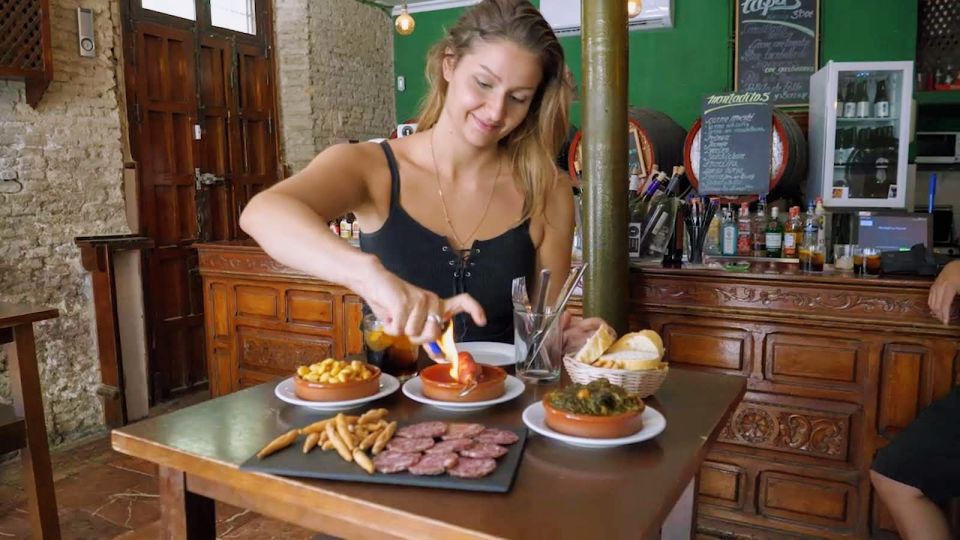
- A classic start at an early-1900s tavern, featuring flaming chorizo and vermouth poured straight from the barrel.
- You walk through Seville’s historic lanes, including the area tied to the old Moorish souk and its famous scent-filled streets.
- A visit to traditional sweets and cake-making, where you see how artisans keep old recipes alive.
- You end with a tradition-meets-modern fusion meal, so you taste both old-school Andalusia and what’s evolving now.
- Guides matter here: names like Remy, Jeff, Sasha, Antoinetta, and Cate show up in recent feedback for being funny, engaging, and ready with smart follow-up recommendations.
Entering Seville Through Tapas Culture
If you’ve ever looked at a Seville menu and thought, I know I’ll order wrong, this tour is for you. Tapas in Seville is less about random bites and more about rhythm: you drink, you snack, you chat, and you repeat. A good guide helps you understand the logic, not just the food.
The big win for me is that the tour doesn’t treat tapas like a food-festival checklist. You get the history of tapas, yes, but you also get practical guidance on how to order and where to go when you want the places with real local pull. That changes the whole feel of your first evening in town.
And it’s well-paced for a walking tour. At 3.5 hours with four stops, it leaves room to enjoy each place without feeling rushed into the next bar every five minutes.
You can also read our reviews of more walking tours in Seville

Starting at Plaza de la Encarnación (and why that spot helps)
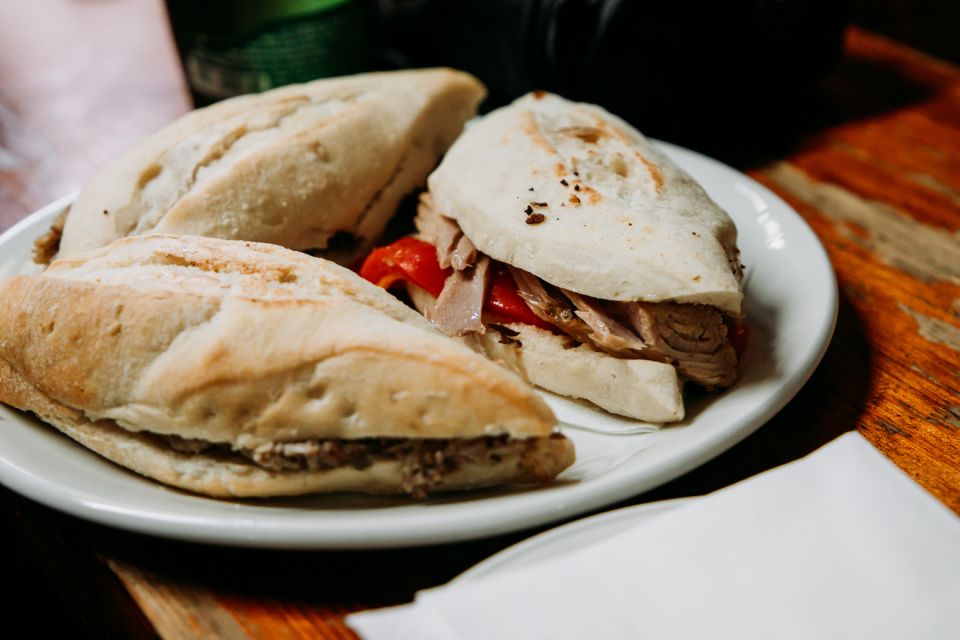
Your tour begins at Plaza de la Encarnación, next to the white monumental fountain in the center of the square. This is a smart meeting point because it’s easy to spot and it keeps you near major foot-traffic routes. You don’t spend your energy hunting for a group while everyone else is already tasting.
Bring comfortable shoes and sunscreen. Even in cooler months, Seville walks can add up fast—especially on narrow lanes where shade is hit-or-miss. Also, think about your evening plans. Because you’re including lunch and drinks, you’ll likely want a lighter meal later (unless you’re committed to a second tapas round, which Seville will cheerfully encourage).
Stop 1: The early-1900s tavern and flaming chorizo
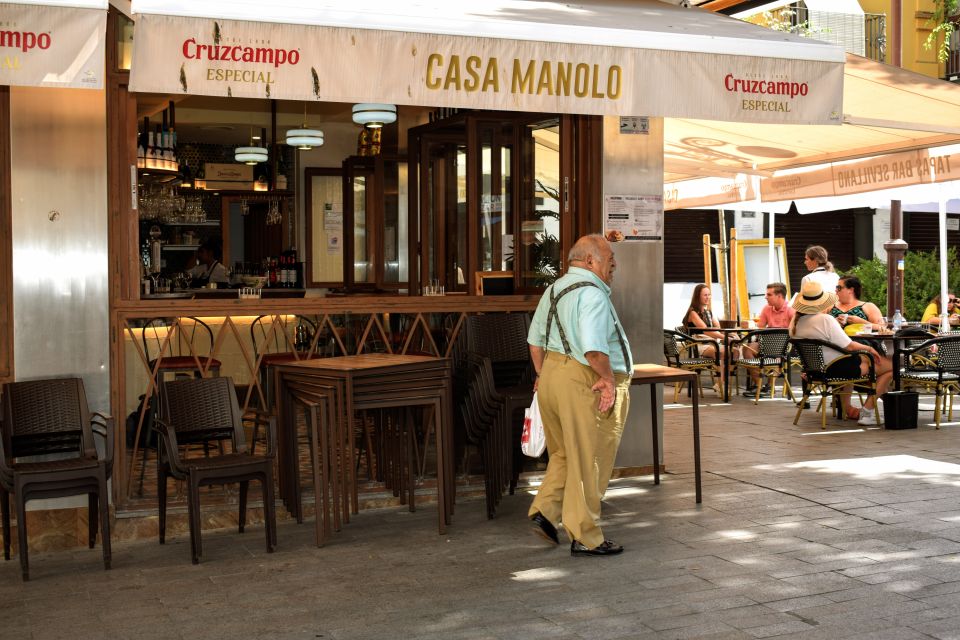
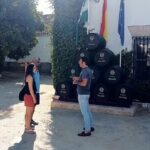
The first stop sets the tone: you start at a charismatic tavern founded at the beginning of the 1900s. That matters because tapas culture in Seville grew around places like this—small rooms, strong routines, and dishes that don’t need a marketing rewrite every season.
Here, you taste typical dishes such as flaming chorizo. The description is specific for a reason: it’s served with the kind of theatrical preparation that you don’t usually recreate at home. You’ll also get refreshing artisan vermouth poured straight from the barrel, exactly the way they did a century ago.
Why I like this start: it gives you a reference point. After your first smoky, warm, salty bite, you’ll understand what the rest of the night is aiming for: balance. Salt, fat, and spice are paired with something herb-forward and refreshing. It’s tapas done like a system, not a snack.
One consideration: if you’re sensitive to strong aromas or heat from flambé-style dishes, give your guide a heads-up early. With a tour format like this, you’ll get more comfort and better pacing.
Stop 2: Historic streets, the old Moorish souk, and the scent clues
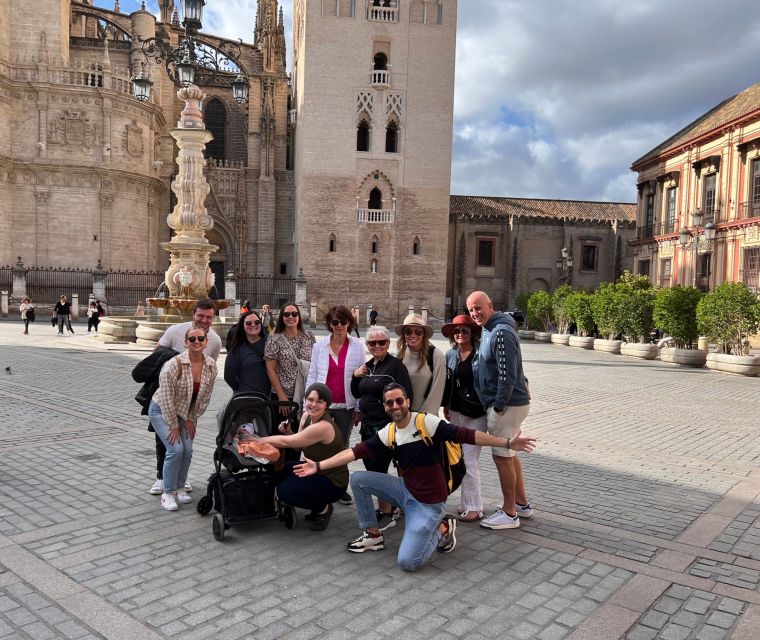
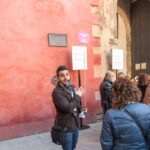
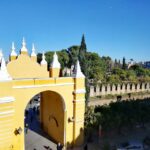
Between tastings, you’ll walk through historic Seville and along the older lanes connected to the Moorish souk. The tour frames these streets with a fun idea: the secrets of Seville’s fragrances. It’s not just poetry for the brochure. In Seville, smells help you track what neighborhood you’re in—bakery scents, bar smoke, citrusy notes, and street-level spices.
This walking portion is also where your guide earns their fee. You learn how tapas ties into the city’s daily habits. And you get local context you can carry forward: what to look for when you choose a bar on your own, and how to read the vibe of a place in five seconds.
Practical tip: during this segment, slow down your phone camera habits. The best “aha” moments are usually at street corners—when you see the kind of lanes locals slip into without thinking. Watch people. Follow the guide’s timing.
Stop 3: Traditional bakery cakes made from old recipes
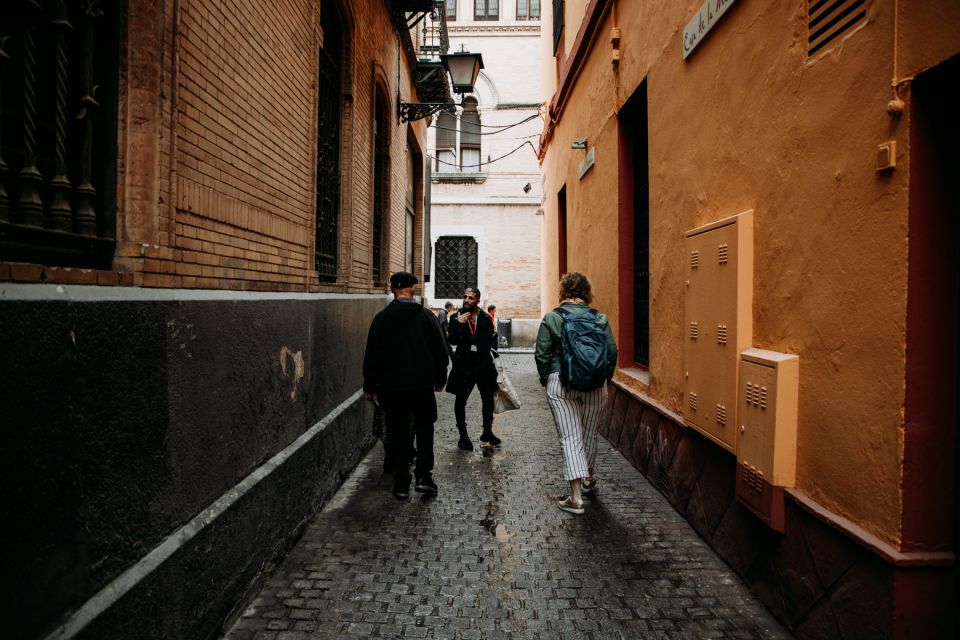
Next comes a local bakery where traditional cakes are made using old recipes by artisans. This stop broadens the tour beyond savory tapas so you leave with a fuller sense of Sevillian eating culture.
Seville desserts tend to reward curiosity. The flavors can be nutty, honeyed, and spice-leaning, and they often feel rooted in routine rather than trend. The value here isn’t just tasting something sweet. It’s understanding how the city treats sweets as craft—something made carefully, not assembled last minute.
If you’re the type who usually skips dessert on tours, don’t. This is the moment that changes your mind. You’ll taste a style of cake that feels tied to heritage, and you’ll be better equipped to spot it again later.
You can also read our reviews of more historical tours in Seville




Stop 4: A legendary bar since 1942 (and who hangs out there)
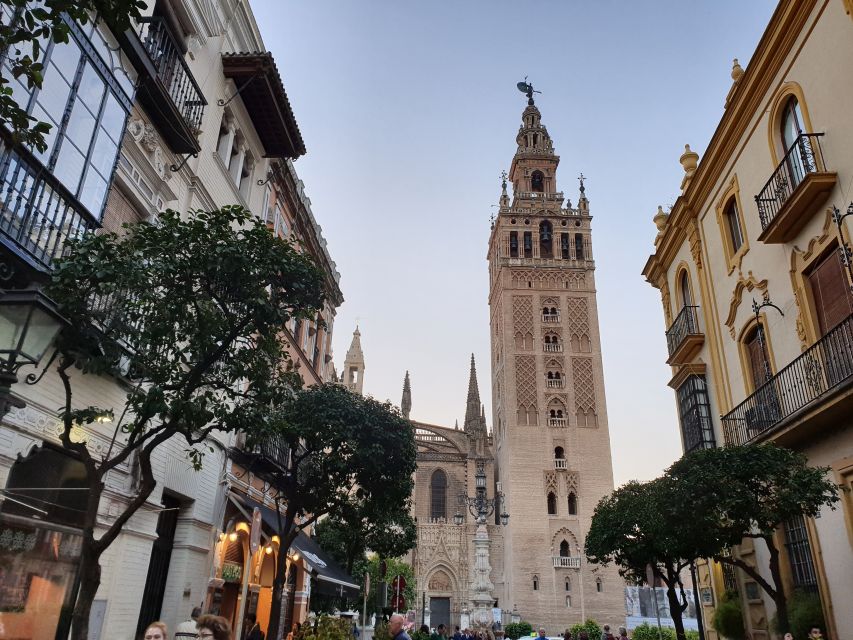
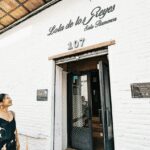
The next stop is one of Seville’s best-known bars, trading since 1942. This isn’t presented as a random famous address. It’s framed as a social magnet—where politicians, writers, and artists congregate.
And the owner has been recognized with the Medal of the City in 2018. That kind of detail signals what’s going on here: the bar isn’t only about food. It’s about reputation, community, and long-standing local status.
This is also a good place for you to pay attention to how people order. In bars like this, you can often see the pattern: one round, a shared plate, then a second course of drinks and talk. Your guide will help you translate that into what you should try without overdoing it.
One thing to remember: because this stop is popular, it can feel busy or lively even when the group stays together. Keep your expectations flexible. You’ll still get your tastings and explanations, but the energy is part of the deal.
The final meal: Tradition meets modern fusion
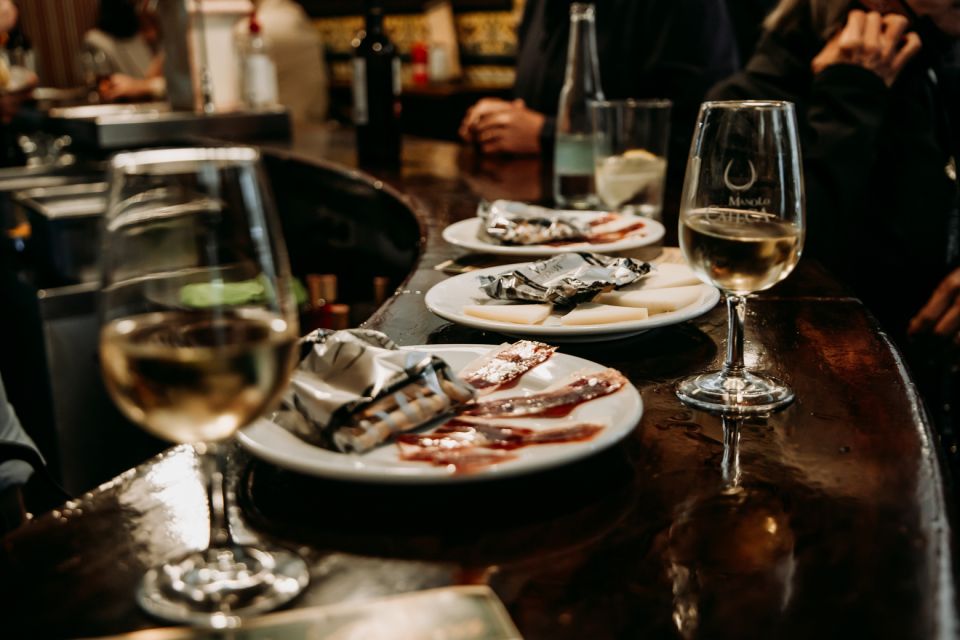
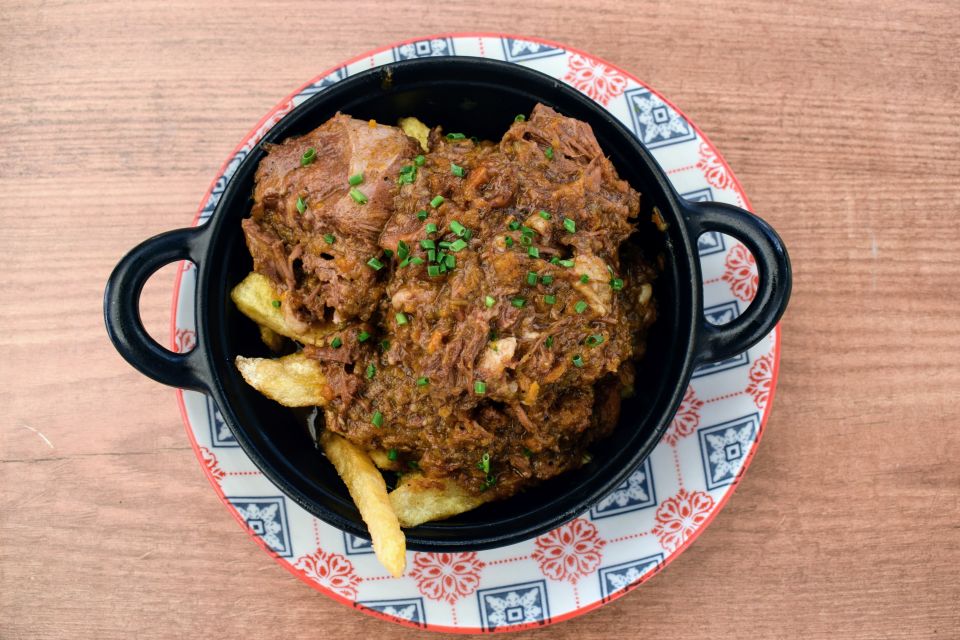
Your last stop is a restaurant where tradition and modern influences share the table. The tour describes Andalusian and international fusion as intertwined, and that’s the point: tapas culture isn’t trapped in the past. It’s evolving while still respecting what came before.
This final meal is where you should slow down and savor. You’ve spent the morning or afternoon walking and tasting, so the last place is less about rushing and more about wrapping everything up into one satisfying finish. You’ll taste familiar Sevillian themes with a contemporary twist.
If you’re food-curious, this is the most “I want to come back” part of the night. It gives you ideas for what to order when you’re not guided—how to look for fusion that still respects regional identity.
Small group size (max 12) and why it changes the tour
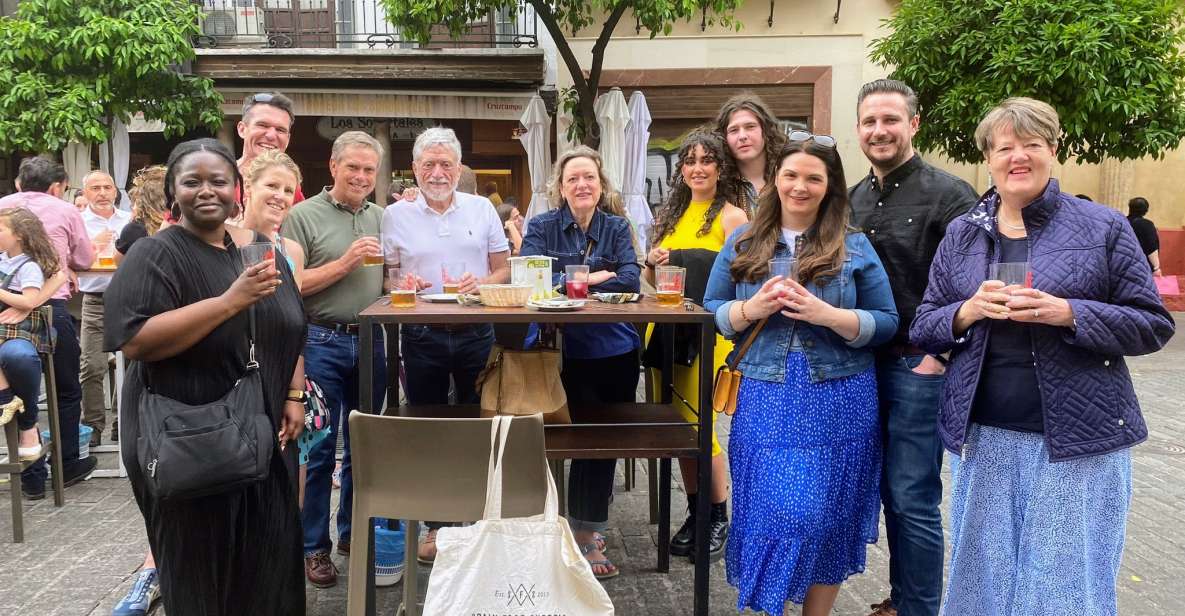
A lot of food tours say small group. This one actually commits to max 12 people, which you feel right away. Conversations don’t vanish into background noise. You can ask, How is this served normally? or What should I order next time? without your guide turning into a traffic controller.
Recent feedback also highlights this social benefit: people often leave feeling like they met real companions, not just strangers in matching shirts. If you’re traveling solo, this format can do a lot of good. You get built-in interaction without the awkwardness of forced networking.
It also affects your tasting experience. Four stops in 3.5 hours is a workable schedule. With too many people, guides can lose the thread and the pacing gets off. With a max-12 group, the night stays more balanced.
Drinks included: vermouth at the start, wine energy later
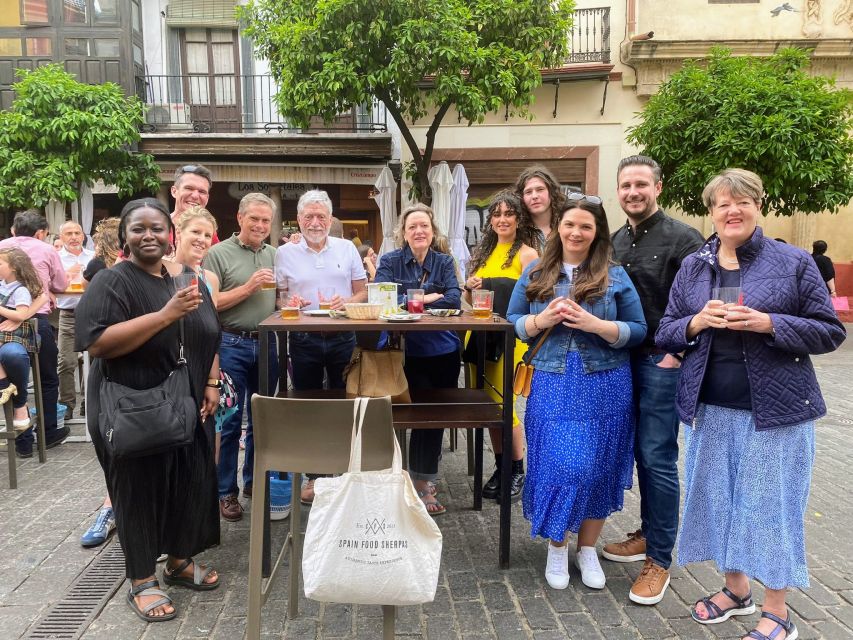
Drinks are included, and the tour’s first taste points you toward Seville’s long love affair with fortified flavors. That artisan vermouth from the barrel is a memorable detail, and it’s a smart pairing with flaming chorizo because it refreshes your palate.
You’ll also likely try other drink pairings at later stops. In feedback, multiple guides are credited for pairing tastings with wines, and the overall impression is that drink selection is part of the experience, not an afterthought.
Practical advice: pace your sips. Seville heat plus walking plus multiple tastings can sneak up on you, even if you’re not a big drinker. If you prefer alcohol-light options, tell the guide at the start so they can steer pairing choices.
Price and value: where the $84 makes sense
At $84 per person for 3.5 hours with lunch and drinks, the price isn’t cheap in the abstract. But it looks better when you compare what you get: four distinct food stops plus guided history plus drinks, and it’s done in a small group.
Here’s the value logic that matters for you:
- You’re paying for access to places you might not find quickly, especially the older, locally rooted taverns and bars.
- You’re paying for the ability to order confidently. That’s huge in tapas settings where the menu language can trip you up.
- You’re paying for time saved. Finding good spots on your own in Seville can work out, but it’s not guaranteed—especially on your first day.
When the tour works, it turns into a shortcut for taste and local instincts. When it doesn’t, it’s because you didn’t want the walking or you needed a dietary style it can’t support.
Food limits and who should skip (or choose carefully)
This tour comes with clear limits, and you should respect them.
- It’s not recommended for vegans.
- It’s not recommended for people with celiac disease due to the risk of gluten cross-contamination.
- It’s not recommended for people with limited mobility, since it’s a walking experience and the stops are in areas that aren’t designed for wheelchairs.
If you have allergies or intolerances, provide details ahead of time. The format depends on proper substitutions and careful handling. In feedback, guides are praised for accommodating restrictions with alternate options in at least some cases—so communicate early and then trust the plan your guide builds with you.
What to do after the tour: use the recommendations fast
One of my favorite parts of a good food tour is the trail it leaves behind. You’ll likely come away with practical recommendations on where to eat and what to order next. Many guides in recent feedback are noted for offering follow-up suggestions around Seville and even nearby towns.
So here’s what I’d do right after:
- Pick one place from the tour to revisit. The best bars often feel even better when you already understand the rhythm.
- Use the “order logic” you learned. Try to replicate the balance: one drink, one savory bite, a second round that matches your mood.
- Save a dessert craving for later, because the bakery stop can make you want a second taste.
Seville rewards second nights. The tour helps you make that second night smarter, not more random.
Should You Book This Seville Tapas Tour?
Book it if you want a first-day friendly way to understand Seville through food. You’ll get four stops, lunch and drinks included, and a guide-led story thread that connects tapas to the city’s streets and tavern culture. If you value small group energy, this max-12 format is a strong reason to go.
Skip it if you’re vegan, need a strict gluten-free celiac-safe plan, or have limited mobility. Also skip it if you prefer to wander without structure. This tour gives you a route, a schedule, and guided context—and that’s exactly what some people love, and others find too planned.
If you do book, aim to go with an open appetite and a short attention span for menus. Trust the guide, ask questions, and wear shoes you can stand in. Seville will do the rest.
FAQ
How long is the Seville tapas, taverns, and history walking tour?
The tour lasts about 3.5 hours.
How many tasting stops are included?
You visit 4 foodie stops, with lunch and drinks included.
What does the tour cost?
The price is $84 per person.
Where do I meet the guide?
Meet at Plaza de la Encarnación, next to the white monumental fountain in the center of the square.
Is hotel pickup or drop-off included?
No. Hotel pickup and drop-off are not included.
Is the tour suitable for vegans?
No, the tour is not recommended for vegans.
Is this tour safe for people with celiac disease?
No. It is not recommended for celiac disease due to the risk of gluten cross-contamination.
What language is the tour guide?
The tour is offered in English.
What should I bring or prepare?
Bring comfortable shoes and sunscreen. Also share any food allergies or intolerances before the tour.