REVIEW · SEVILLE
Seville Food Tour: Vermut, Churros & 10+ Tasty Local Dishes
Book on Viator →Operated by Secret Food Tours · Bookable on Viator
Your appetite will remember this walk. This Seville food tour mixes serious local flavors with big sights, from the Giralda to the Alcázar area, all led by an English-speaking guide in a tight group.
I especially like the mix of tastes, from Vermut and churros to savory tapas like anchovies in vinegar and Andalusian pork skewers. I also like how the walk helps you understand why places like Triana and the cathedral tower matter to everyday Seville.
One catch: plan on fairly steady walking, and in noisy food stops you may find it hard to hear without the use of a microphone.
In This Review
- Key Highlights You’ll Feel Right Away
- Why This Seville Food Tour Works So Well
- Price, Duration, and the Real Value of Getting Fed
- Getting Started at Pl. del Salvador and How the Walk Gets You Oriented
- Metropol Parasol Stop: A Viewpoint Break With Architectural Backstory
- Parque de María Luisa Plaza: Regionalism Architecture You Can Actually Notice
- The Giralda Bell Tower: From Minaret to Cathedral Icon
- Alcázar of Seville (UNESCO): Peter of Castile and a Palace Still in Use
- Torre del Oro: Why This 13th-Century Watchtower Isn’t Just Pretty
- Triana Food Neighborhood: Where the Tour Starts to Feel Like Real Seville
- What You’ll Eat and Drink: The 10+ Dishes That Make the Price Make Sense
- Drinks Beyond Beer: Vermut and Tinto de Verano in Context
- The Guide Factor: Friendly, Funny, and Able to Answer Questions
- How the 3.5 Hours Usually Feels: Pacing, Walking, and Portion Logic
- Who This Tour Is Best For (and Who Might Want a Different Option)
- Should You Book This Seville Food Tour?
- FAQ
- How long is the Seville Food Tour?
- What is the group size on this tour?
- What’s included in the food and drink?
- Is the tour offered in English?
- Do I need to walk a lot?
- Can the tour accommodate dietary requirements?
Key Highlights You’ll Feel Right Away
- Small-group size (max 12) keeps the pace friendly and questions easy
- 10+ included tastings and drinks, not just a token sample
- UNESCO-listed Alcázar area on your route, with context while you walk
- Triana on the west bank where Seville’s food culture shows up fast
- No private transport: you’re doing this the old-school way, on foot
Why This Seville Food Tour Works So Well
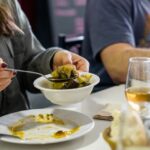
This tour is built for people who want more than a list of tapas. You get a guided walk through classic Seville landmarks, then you shift gears into real eating places locals actually use. The smart part is that the history and the food support each other, instead of feeling like two separate activities stapled together.
The group is small, capped at 12 travelers, so you don’t feel lost in the crowd. That matters because food tours are basically timed conversations—who knows what, who asks when, and whether everyone gets served without chaos.
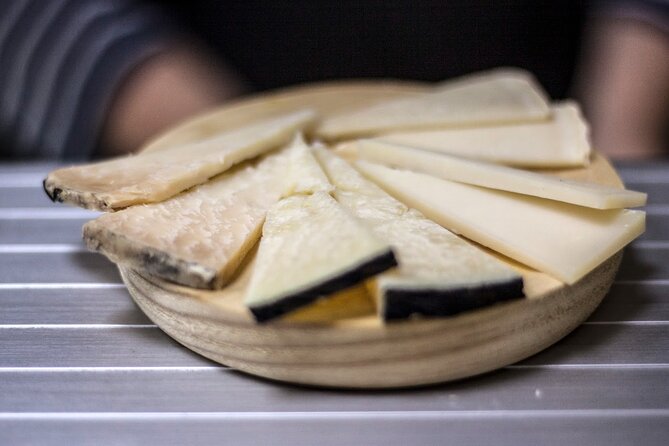
You’re also promised a lot of variety: 10+ tasty local dishes and drinks, including churros, Iberian ham, local cheese, and a mix of hot and cold bites. If you like your evening part sightseeing, part eating, this hits your sweet spot.
You can also read our reviews of more food & drink experiences in Seville
Price, Duration, and the Real Value of Getting Fed
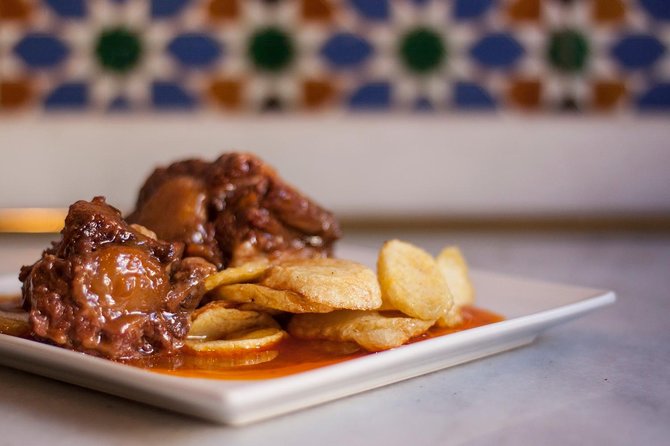
At $105.21 per person for about 3 hours 30 minutes, you’re paying for three things: time with a guide, access to multiple tasting spots, and enough food that you should not need dinner afterward. The included menu is heavy on classic Seville comfort foods plus regional specialties like pringa and anchovies in vinegar.
If you’ve ever paid for one tapas stop and then spent the rest of the night hungry (or over-ordering to make up for it), you’ll appreciate how this tour is structured around filling you up gradually. Hot drinks and alcohol are also included: hot chocolate, local beer, tinto de verano, and vermut.
The time commitment is also honest. This isn’t a sit-down meal tour where you hop out of a van and back. You’ll walk, and you’ll taste, so budget your energy like you would for a long dinner that happens to include streets and viewpoints.
Getting Started at Pl. del Salvador and How the Walk Gets You Oriented
You meet at Pl. del Salvador, 8 in Seville’s Casco Antiguo area. That’s a good starting point because it puts you close to the historic core, where you’ll be walking for the evening anyway. You’ll end near Puente de Isabel II on the Triana side, which helps your tour naturally flow toward the west bank neighborhood that’s famous for food.
The walking rhythm is part of the experience. You’ll move from architecture to food spots without needing to figure out logistics or interpret every landmark on your own. By the time you reach Triana, you’ll feel like you’re not just visiting neighborhoods—you understand where you are in the story.
This also helps with decision-making during the rest of your trip. Guides on this tour often answer practical questions, and multiple reviews mention that they’re willing to share recommendations for the remainder of your time in Seville.
Metropol Parasol Stop: A Viewpoint Break With Architectural Backstory
One of your early stops is at that striking sculptural wooden structure with an archaeological museum, rooftop walkway, and viewpoint. That place is famous because it looks modern, but it’s sitting on layers of earlier Seville.
You’ll get why it was built and what you’re seeing from different angles, which makes the viewpoint feel less like a random photo stop. Even if you’ve seen pictures before, this kind of guided pause helps you read the city rather than just collect images.
Practical note: viewpoint areas tend to be windy or bright. If you’re photographing, bring sunglasses and keep an eye on time so you don’t slow the group too much.
Parque de María Luisa Plaza: Regionalism Architecture You Can Actually Notice
Another stop is a plaza in Parque de María Luisa, one of Seville’s great park anchors. What you’re looking at matters: the style blends Renaissance Revival with Moorish Revival (Neo-Mudéjar) features.
This sounds academic, but on the ground it’s useful. The guide’s explanations help you spot design clues—arches, textures, and ornament patterns—so you start recognizing the city’s influences when you walk on your own later.
It’s also a pleasant reset between heavier sightseeing. Parks give your legs and mind a breather before the route leans toward big monuments.
You can also read our reviews of more tours and experiences in Seville




The Giralda Bell Tower: From Minaret to Cathedral Icon
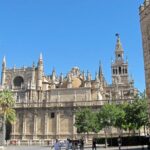
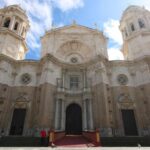
You’ll also see the bell tower of Seville Cathedral, the Giralda. The key detail here is what the tower used to be: originally a minaret for the Great Mosque of Seville during the Almohad dynasty.
This is a perfect example of why walking with a guide pays off. You’re not just looking at a famous structure; you’re seeing how Seville changed hands and religions, and how that history left visible marks in stone.
If you’re sensitive to noise and crowds, this area can get loud. Still, it’s worth standing back and letting your guide explain the transformation—because once you know the backstory, the silhouette hits differently.
Alcázar of Seville (UNESCO): Peter of Castile and a Palace Still in Use
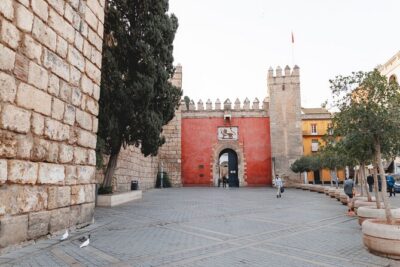
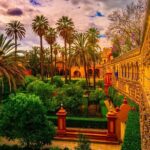
Your route includes the royal palace built for Peter of Castile, and it’s noted as the oldest royal palace still in use in Europe. The fact that it’s registered as UNESCO World Heritage since 1987 isn’t just a stamp—it’s a reminder that Seville’s power centers aren’t ancient relics. They’re living landmarks.
Even when you’re not stepping inside, you’ll benefit from the explanation. You’ll learn what kind of monarchy lived here and why this palace is a big deal in European terms, not just Spanish ones.
This stop also makes the food feel more grounded. Seville’s cuisine, like its architecture, developed over centuries of overlapping cultures. When you connect the dots, the evening tastings land with more meaning.
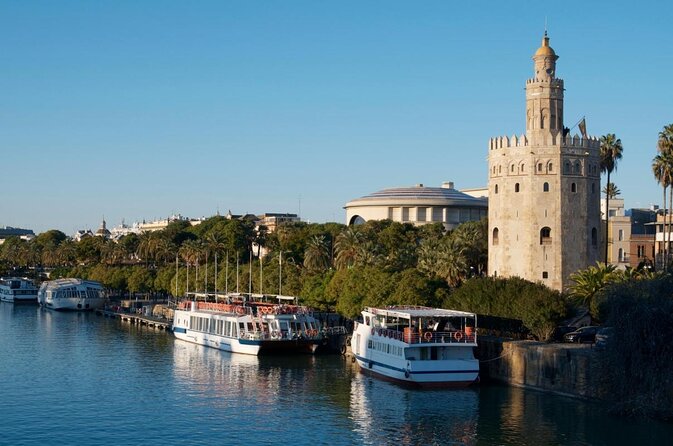
Torre del Oro: Why This 13th-Century Watchtower Isn’t Just Pretty
Another highlight is the dodecagonal military watchtower on the south side of Seville. It was constructed in the first third of the 13th century and served as a prison during the Middle Ages.
That prison detail is memorable because it changes how you see the tower. You stop thinking of it as a postcard and start imagining trade, security, and control along the river.
It also sets up your final stretch toward Triana. Once you’re thinking about the river and movement, Seville’s neighborhoods feel more connected instead of like separate stops on a checklist.
Triana Food Neighborhood: Where the Tour Starts to Feel Like Real Seville
You spend time in Triana, the colorful neighborhood and administrative district on the west bank of the Guadalquivir River. Triana has a reputation for local identity, and this tour leans into that by shifting your focus from monuments to the food culture of the area.
Practically, the end point near Isabel II bridge on the Triana side is smart. After 3.5 hours, you’re not crossing the city in search of one last drink. You’re already where you can keep the evening going.
If you’re arriving in Seville for the first time, starting your tasting route with Triana in mind is a great way to avoid the common mistake of ending your day too far from where you actually want dinner.
What You’ll Eat and Drink: The 10+ Dishes That Make the Price Make Sense
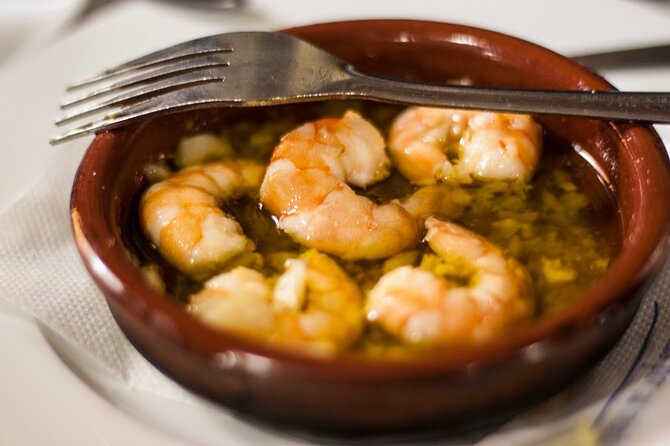
This tour is advertised around Vermut, churros, and 10+ local dishes, and the included menu reflects that mix of sweet and savory. You can expect both classic comfort bites and Andalusian specialties, plus at least one secret dish.
Here’s what’s explicitly included:
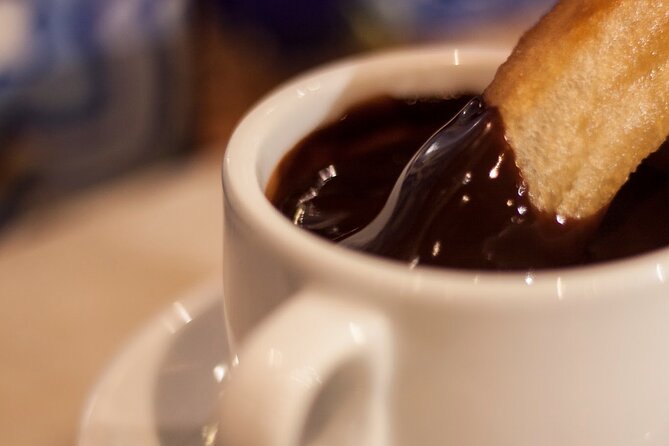
- Churros, plus hot chocolate
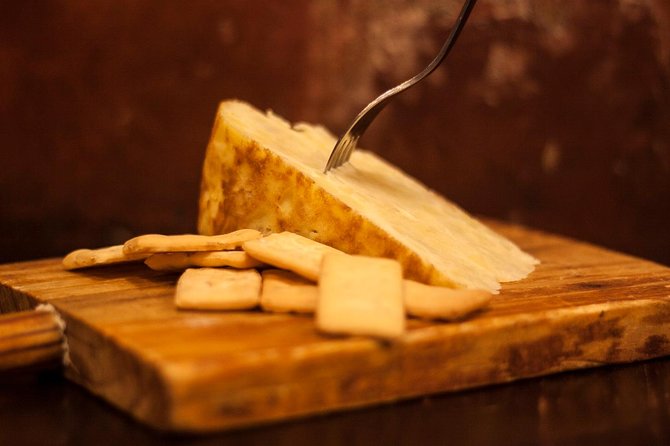
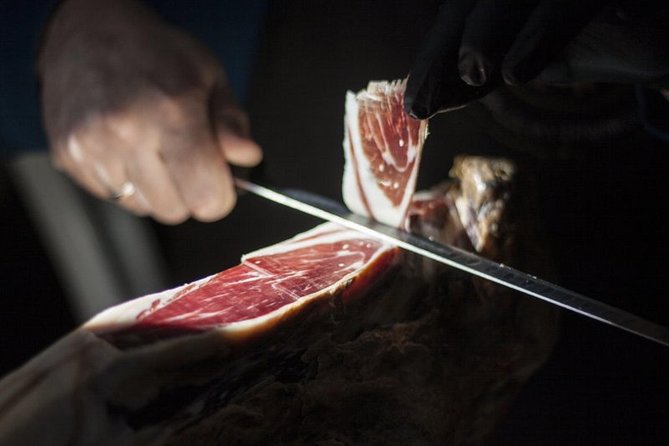
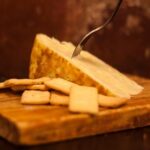
- Iberian ham and local cheese
- Fried eggplant with molasses
- Pringa (Andalusian-style sandwich)
- Anchovies in vinegar
- Pinchito (Andalusian pork skewer)
- Vermut, local beer, and tinto de verano (summer red wine)
- Our Delicious Secret Dish
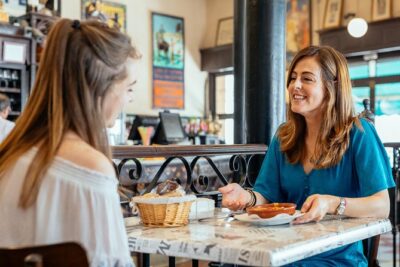
What I like about this menu is the pacing logic. You get crunchy and sweet (churros), then you move into salty and punchy (ham, anchovies, pork). That keeps your palate awake instead of shutting down after one style of flavor.
Also, if you love variety, this tour is your friend. One of the best bits from the experience feedback is that people feel they tried foods they would not have ordered on their own. That’s the value of having someone guide your choices.
One smart tip from the vibe of the experience: don’t eat a big meal before you go. You’ll still be full when you’re finished, and that’s kind of the point.
Drinks Beyond Beer: Vermut and Tinto de Verano in Context
Seville has a strong drink culture, and this tour includes a small tasting lineup rather than leaving you to guess. Vermut and tinto de verano show up alongside local beer, which lets you taste how people actually unwind.
The tour doesn’t treat drinks as an afterthought. You’ll be sipping while you’re in different neighborhoods, and that makes it easier to remember which stop came with which flavor profile.
If alcohol isn’t your thing, this still may be fine because there’s a lot of food included. But the experience is clearly designed as a pairing evening, not a dry-food-only tour.
The Guide Factor: Friendly, Funny, and Able to Answer Questions
A lot of the best moments in this kind of tour depend on the guide. In the feedback, names like Albania, Sarah, Cristina, Camila, Xavier, Adrian, and Mario come up repeatedly, and the common theme is that the guides are personable and able to connect what you’re eating with what you’re seeing.
Some reviews highlight calm, friendly delivery with lots of facts. Others focus on the guide as a local who gives you practical follow-ups for the rest of your trip. You’ll get that on-the-ground value: where to go next, what to order, and how to order it without feeling awkward.
One caution from the experience notes: this tour does not use microphones. In crowded places, it can be harder to hear every word, especially near bars and busy plazas. If you care about listening closely, position yourself where you can see the guide clearly and keep your phone away during the main explanations.
How the 3.5 Hours Usually Feels: Pacing, Walking, and Portion Logic
With a duration of about 3 hours 30 minutes and a max group size of 12, you can expect a lively but controlled flow. You’ll stop, taste, walk, repeat. It’s not rushed, but it isn’t a slow museum stroll either.
The positive reviews often mention that portions feel plentiful and spread out, and that stops are spaced so you can enjoy the variety. That’s important because some food tours stack everything at one venue, and then everyone is either overfull or underfed later.
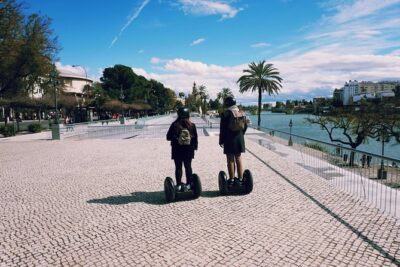
The practical downside is walking. Comfortable shoes are recommended, and you should plan for a fair amount of foot time. If you’re the type who gets tired easily, this might not be the tour for a day when you’re also doing a long walking itinerary on your own.
Who This Tour Is Best For (and Who Might Want a Different Option)
This Seville food tour is ideal if you:
- Want a mix of tapas and local specialties, not just one style of bite
- Like history told in practical chunks while you walk
- Prefer small groups over big coach tours
- Want an easy first-night plan that helps you decide where to eat afterward
It may not be the best fit if you:
- Need an extremely quiet experience, since food stops can be noisy and there’s no microphone
- Hate walking for a few hours straight
- Are extremely picky about trying unfamiliar foods, since the menu includes items like anchovies in vinegar and fried eggplant with molasses
Should You Book This Seville Food Tour?
I’d book it if you want a high-value, full-flavor evening that combines major landmarks with real local eating. For $105.21, the big win is that you get a lineup of dishes and drinks that should carry you through the night without you hunting for extra meals.
Book ahead if you can. The experience is often reserved about a month in advance on average, which tells me it’s popular for a reason. And if you have dietary needs, contact the operator in advance so they can plan appropriately.
If you’re arriving in Seville and you want your first taste of the city’s culture to come with a plan, this tour is a strong choice. Just wear good shoes, come hungry, and be ready to taste your way from the old center toward Triana.
FAQ
How long is the Seville Food Tour?
It runs for about 3 hours 30 minutes.
What is the group size on this tour?
The tour has a maximum of 12 travelers.
What’s included in the food and drink?
Included items are churros, Iberian ham, local cheese, fried eggplant with molasses, pringa, anchovies in vinegar, pinchito, a secret dish, hot chocolate, local beer, tinto de verano, and vermut.
Is the tour offered in English?
Yes, the tour is offered in English.
Do I need to walk a lot?
Yes. The tour involves a fair amount of walking, so comfortable shoes are recommended.
Can the tour accommodate dietary requirements?
You should contact the operator in advance about any dietary requirements so they can cater to you as best as possible.