REVIEW · SEVILLE
Seville: Game of Thrones and Roman Empire Italica Tour
Book on GetYourGuide →Operated by Naturanda Turismo Ambiental · Bookable on GetYourGuide
Dragons and ancient Rome meet in one place. This Seville tour focuses on Itálica, where you walk through the amphitheatre arena tied to Game of Thrones seasons 7 and 8, then shift gears into real Roman daily life. I like how the guide keeps the mosaics and ruins clear and easy to picture, and I like that the route stays short enough to fit into a busy day.
One thing to plan for: the Game of Thrones connection is mostly a highlight near the amphitheatre, while the bulk of the tour is Roman history and archaeology.
In This Review
- Key things you’ll notice on this tour
- Italica: the Roman city behind Seville’s Game of Thrones moment
- How the 1.5-hour format keeps your day from getting wrecked
- Amphitheatre of Itálica: the dragon-pit filming highlight (and more)
- Domus Exedra: where Roman comfort becomes readable
- Domus de Neptuno: life, design, and story in stone
- Casa de los Pájaros: small details that make the ruins feel human
- Casa del mosaico planetario: a mosaic you can actually understand on-site
- What $21 gets you: value at this price point
- GOT expectations vs Roman reality: who this tour suits best
- Book it or skip it? My decision guide
- FAQ
- FAQ
- How long is the Seville Game of Thrones and Italica tour?
- Where is the meeting point?
- Are monument tickets included in the price?
- Is transportation included from Seville?
- What’s included besides the guide?
- What languages are available for the tour?
- Can I get a refund if my plans change?
Key things you’ll notice on this tour
- Dragon-pit style walk in the Italica amphitheatre with photo time and guided context
- Domus stops that explain how Roman citizens lived, not just what’s left of the stone
- Mosaic-focused storytelling, including the planetarium-style mosaic house
- Guides who add humor and energy, with names like Jesus and Carlos showing up often in standout feedback
- Tickets and a local guide included for a fixed-price, no-stress visit
- A tight 1.5-hour pace that covers multiple major ruins without wandering endlessly
Italica: the Roman city behind Seville’s Game of Thrones moment
Seville has a famous old-city rhythm, but this outing takes you to something different: Itálica, a Roman archaeological complex just outside town. It’s one of the places where you stop thinking in terms of TV scenes and start thinking in terms of crowds, routines, and engineering.
The tour starts at the main entrance of the complex, with a quick orientation so you know what you’re looking at before you start walking. From there, you move through key buildings—especially the amphitheatre and several domus (Roman houses). The guides explain how these spaces worked, why they were built where they were, and what the surviving details say about life two thousand years ago.
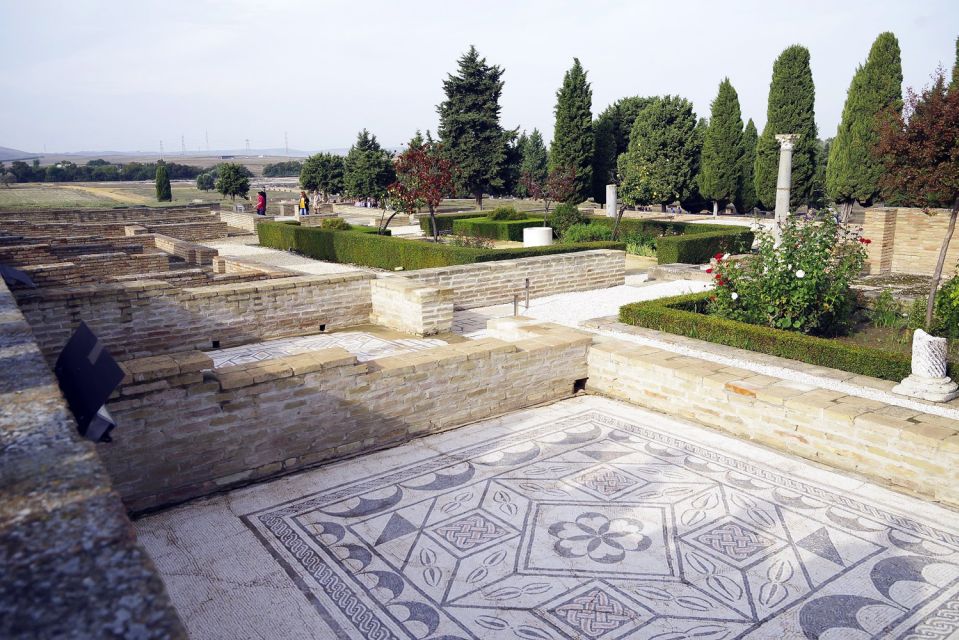
And yes, there’s a Game of Thrones link. The amphitheatre is the big on-screen connection, tied to the dragon pit filming. But even if you’re not chasing dragons, Itálica is worth your time because it’s about real Roman art and real Roman architecture—especially the mosaic work. The complex is also known for having one of Spain’s best mosaic collections, which is exactly why this tour feels like more than just a photo stop.
You can also read our reviews of more tours and experiences in Seville.



How the 1.5-hour format keeps your day from getting wrecked
This is designed to be efficient. You’re out for about 1.5 hours total, with a clear sequence of stops. You’ll get both photo breaks and guided walk-through time, which matters at archaeological sites where the details can be easy to miss if you’re just strolling.
The monument tickets are included, and the ticket-line process is handled for you (so you spend time looking, not waiting). Transport isn’t included, though, so you’ll want to plan your ride to Santiponce. The meeting point is listed at Av. Extremadura, 2, 41970 Santiponce, Sevilla, Spain.
Because the pace is tight, you should also show up ready to walk. Wear comfortable shoes, and bring sun protection—sunglasses, a sun hat, and sunscreen are all smart here. You’re in open-air ruins, and the sun can be relentless.
Amphitheatre of Itálica: the dragon-pit filming highlight (and more)
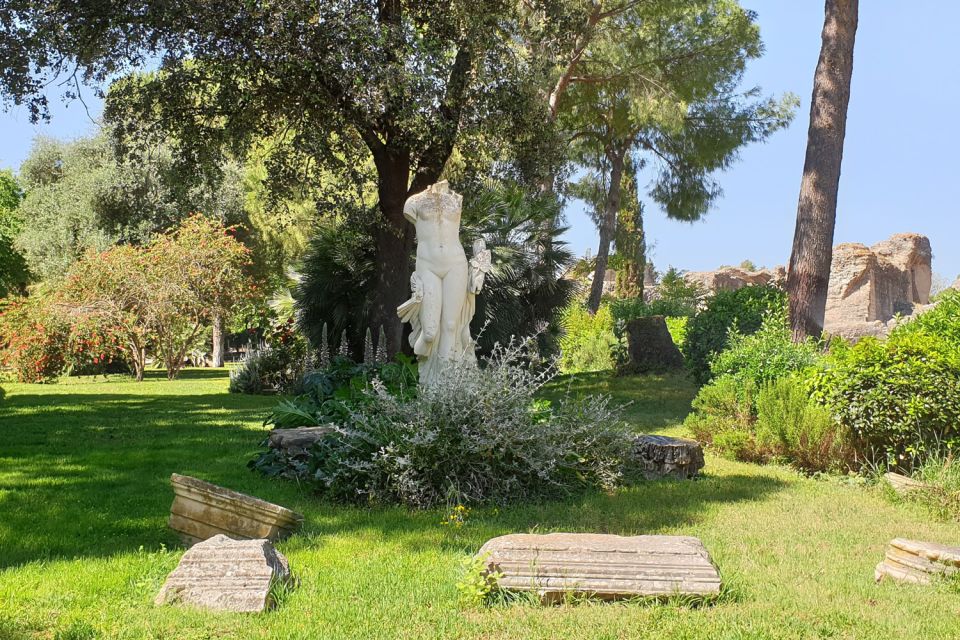
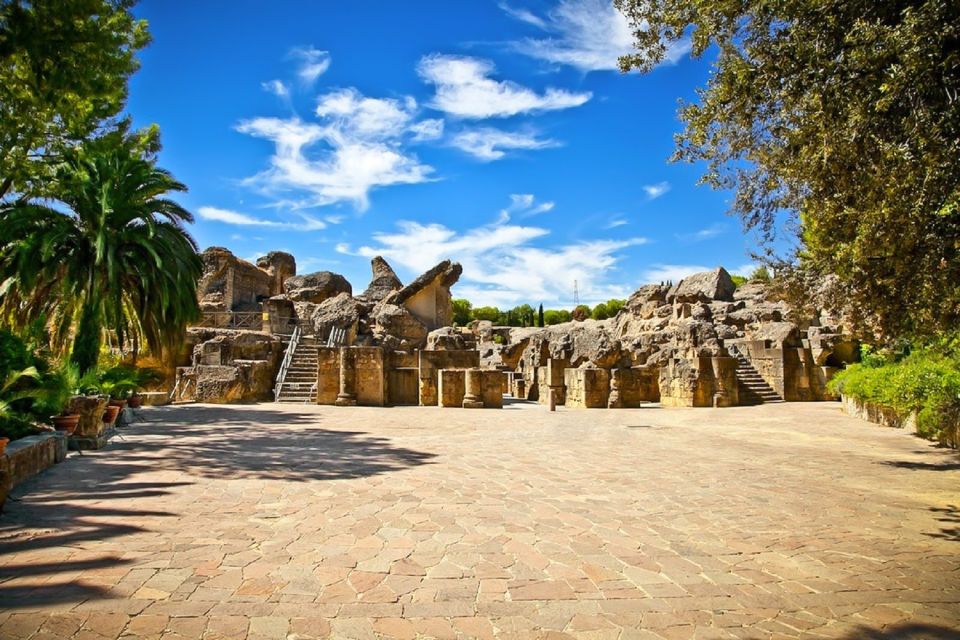
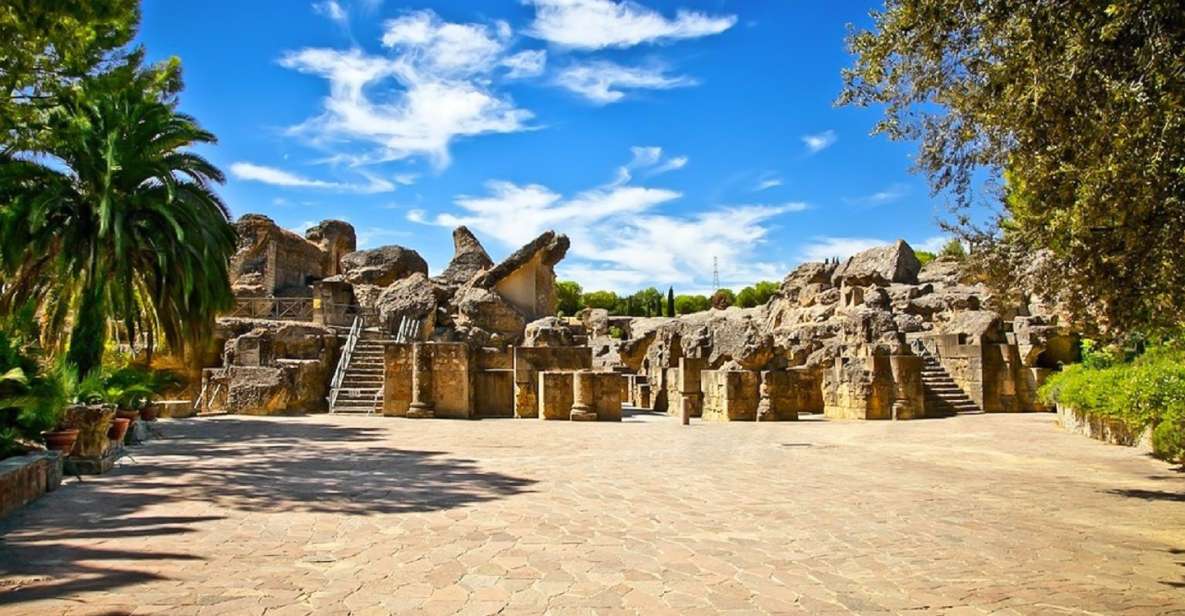
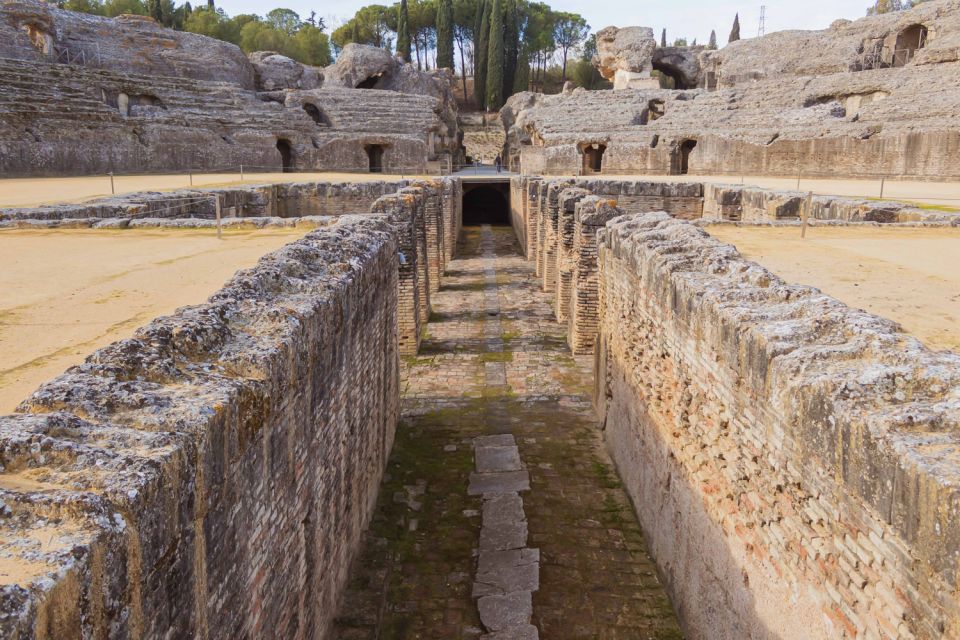
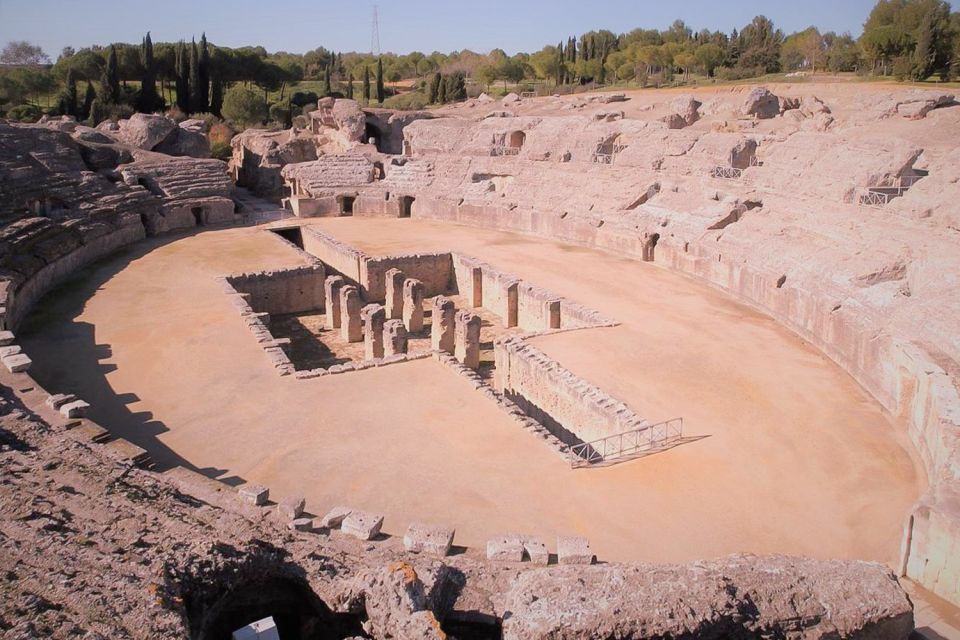
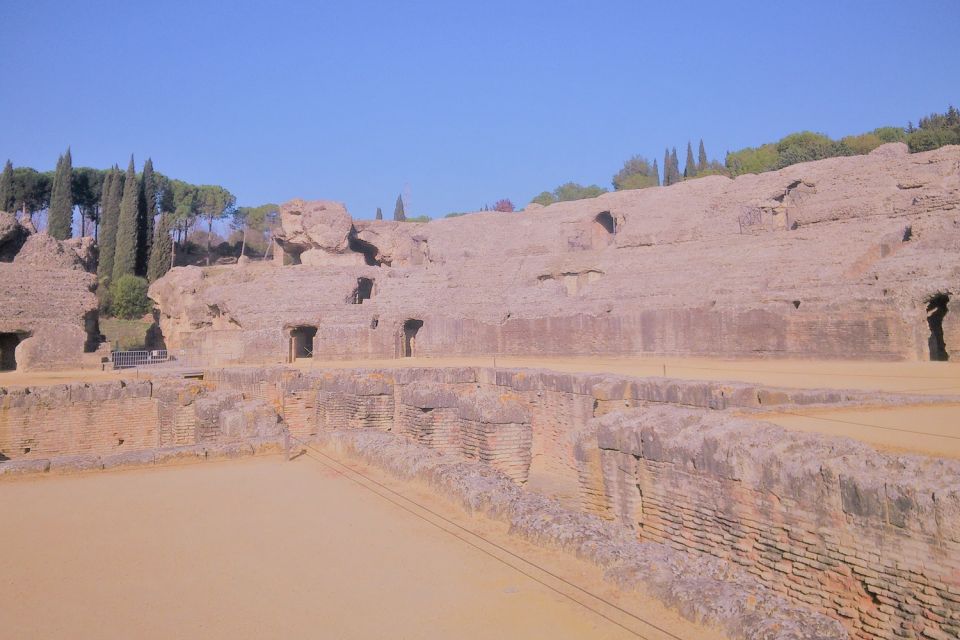
The amphitheatre is the showstopper in the complex, and it’s the stop built for Game of Thrones fans. You’ll spend about 30 minutes here, with a photo stop plus a guided tour inside the arena area.
What makes this part work is the way it connects imagination to architecture. The guide helps you picture how the space would have moved people: the shape of the seating area, the arena floor, and how spectators would experience the place. One review specifically called out access to hidden tunnels around the arena, which is one of those details that turns ruins into a functional machine in your mind.
Also, the scale helps. In its day, the amphitheatre could hold around 25,000 people. Standing in that kind of space changes your perspective fast. Even if dragons are what brought you here, you end up understanding why a building like this was a big deal—power, entertainment, and public life all in one.
Photo tip: bring your camera posture game. You’ll want a few wide shots from the arena and a few close-ups for mosaic and stone details nearby. The guided time helps you know what angles are worth it.
Domus Exedra: where Roman comfort becomes readable
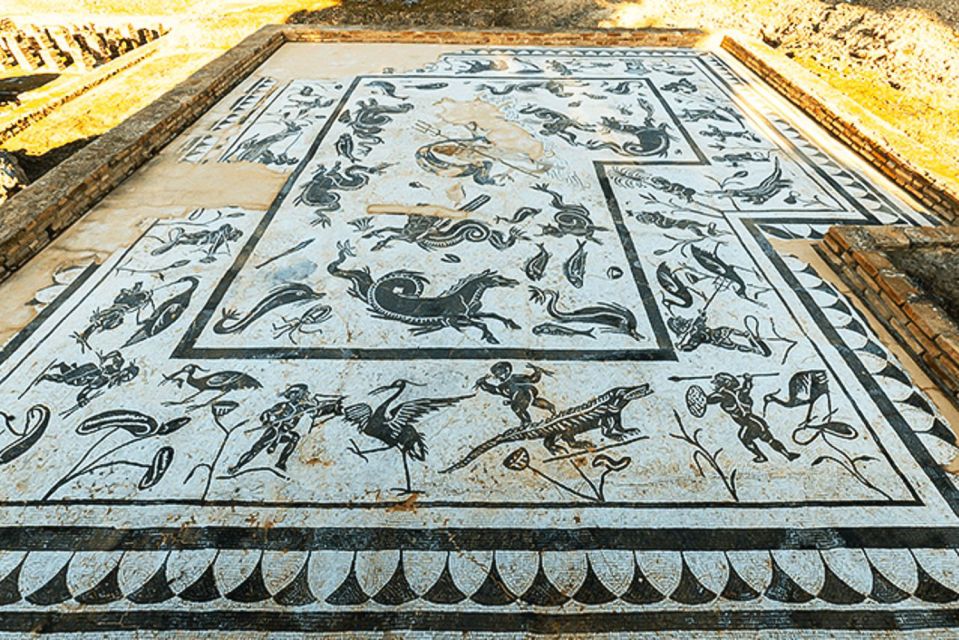
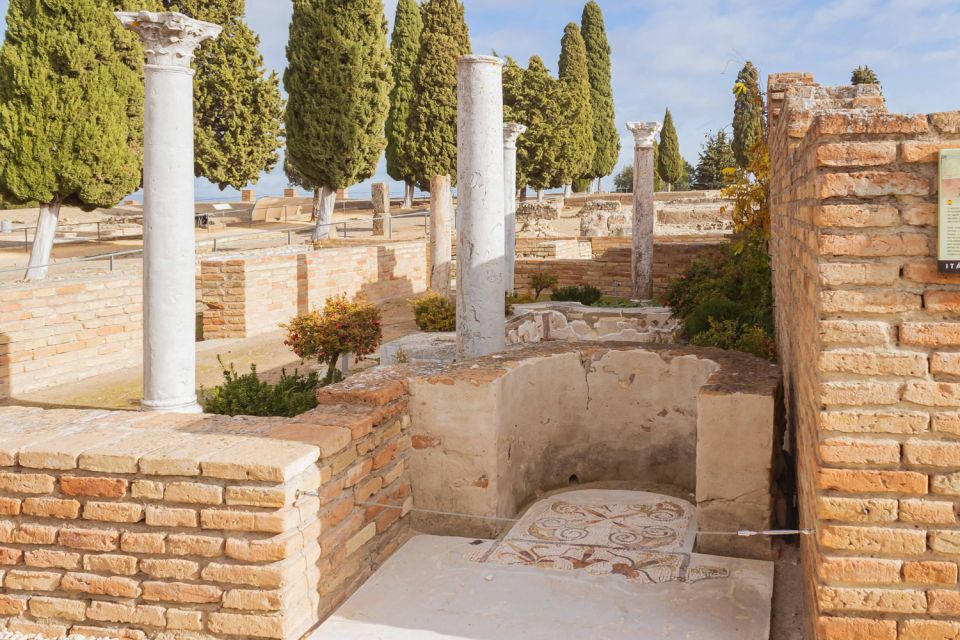
After the amphitheatre, the tour moves into the domus area—Roman homes, rooms, and courtyards that show what everyday comfort looked like. Domus Exedra is one of the stops, with about 15 minutes of guided time plus a photo stop.
This is where the tour starts to feel less like a set visit and more like a history lesson that still feels fun. The guide points out architectural clues: how rooms were arranged, where people would gather, and how the house reflects status. You’re learning to read the layout like a map.
If you love ruins, domus stops can be hit-or-miss on tours—sometimes they rush and sometimes they skip the meaning. Here, the value is that the guide connects the space to how Roman citizens lived. You’re not just looking at walls. You’re learning how people moved through the home and what the spaces likely meant.
Domus de Neptuno: life, design, and story in stone
Next up is Domus de Neptuno, again with around 15 minutes of guided time and a photo stop. The name alone hints at decoration and symbolism, and the guide uses that to explain what the Romans wanted to show.
This stop is a great fit if you’re the type who likes figuring out why a building is shaped a certain way. Even if only parts survive, the layout and surviving artistic elements guide you to understand the bigger picture: Roman homes were designed for more than shelter. They were designed for display.
And if you’re a Game of Thrones fan, this is the part that adds depth. The tour may have TV in its title, but Roman life is what makes the whole outing feel grounded. You start recognizing how the Romans turned domestic spaces into statements.






Casa de los Pájaros: small details that make the ruins feel human
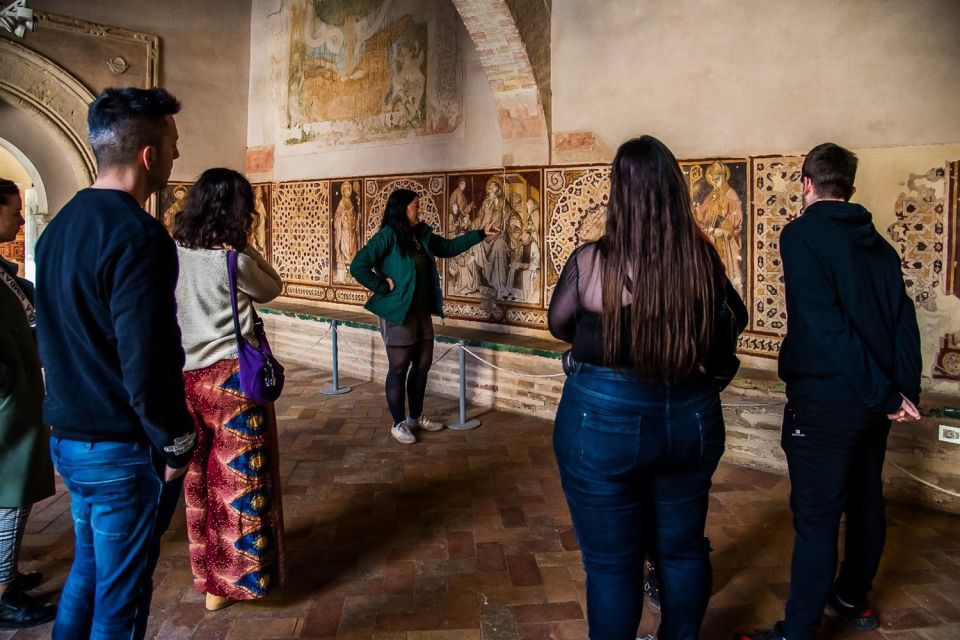
Casa de los Pájaros is another domus stop, with about 15 minutes of guided time plus photo time. This is where you can slow your looking down a notch, because the name suggests a specific theme in the decoration.
I like these domus stops because they give you contrast with the amphitheatre. The amphitheatre is crowd energy. The domus sections are private energy—art you’d see as part of daily life, not just public spectacle.
Even when you’re standing in the same place for a few minutes, the guide’s explanation changes how you see the floor plans and decorative remnants. You notice the choices Romans made to shape mood: where the light would fall, how a space would frame a view, and how art would turn a normal room into something special.
Casa del mosaico planetario: a mosaic you can actually understand on-site
The last major scheduled stop is Casa del mosaico planetario, again around 15 minutes guided and a photo stop. If you only care about one “wow” element at Itálica, let it be the mosaic work here.
Mosaics are what make Itálica feel like a living art museum instead of only a pile of stone. The planetarium mosaic stands out because it’s a recognizable theme—you can connect it to Roman interest in astronomy and cosmology without needing to be a scholar.
The guide’s job here is to help you read the mosaic as more than decoration. You learn why it mattered, what kinds of ideas Romans liked displaying, and how the mosaic fits the house setting. It’s a short stop, but it’s one that can stick with you for weeks because you’ll remember the imagery and not just the ruins’ age.
What $21 gets you: value at this price point
At around $21 per person, this tour is priced like a “quick win” visit. And that’s how it works best: you’re paying for a structured route, included tickets, and a local guide to interpret what you see.
If you visit Itálica on your own, you can still have a great time—but it’s easy to walk past the meaning. With a guide, you get context for:
- why the amphitheatre mattered
- how domus layouts reflect daily life and social status
- what the mosaics communicate
You also avoid the ticket-line step, which adds up when you’re on a tight travel schedule.
The only value warning is this: if you’re expecting a full Game of Thrones storyline tour, you may feel shortchanged because the Roman site focus remains primary. The Game of Thrones piece is there, but it’s mainly the amphitheatre highlight.
GOT expectations vs Roman reality: who this tour suits best
If you’re a Game of Thrones fan who loves history, this tour is a great match. The amphitheatre gives you that dragon-pit connection, and then the guide helps you turn the experience into something bigger than TV nostalgia.
If you’re a die-hard GOT fan expecting every minute to relate to dragons, you’ll likely be happier with a tour that’s built around TV references. Here, you’re really doing a Roman archaeology tour with a GOT spotlight at the arena.
For Roman history fans, the tour hits the sweet spot. It’s compact, it focuses on major structures, and it pairs architecture with art details like mosaics. Even if you’ve been to other Roman ruins in Italy or Greece, Itálica can feel fresh because the mosaics and the amphitheatre setting create a strong sense of place.
Also, keep in mind this is a guided walk inside an active archaeological complex. You’ll get more out of it if you enjoy looking closely and asking questions.
Book it or skip it? My decision guide
Book this tour if you want:
- a short, high-coverage visit to Itálica (about 1.5 hours)
- the amphitheatre arena photo moment tied to the dragon pit filming
- mosaic and domus context so the ruins make sense
Skip this tour if your main goal is:
- nonstop Game of Thrones content for the whole tour window
My take: even with the GOT portion limited, Itálica is the kind of site where a good guide changes everything. The price is fair, the route is tight, and you come away with both the fun filming highlight and real Roman art and architecture you can actually explain to friends.
FAQ
FAQ
How long is the Seville Game of Thrones and Italica tour?
The tour lasts 1.5 hours.
Where is the meeting point?
The meeting point is Av. Extremadura, 2, 41970 Santiponce, Sevilla, Spain.
Are monument tickets included in the price?
Yes. Tickets to the monuments are included, and you can skip the ticket line.
Is transportation included from Seville?
No. Transport is not included.
What’s included besides the guide?
The local guide and tickets are included. Food and drinks are not included.
What languages are available for the tour?
The live guide is available in Spanish, English, French, and Italian.
Can I get a refund if my plans change?
Yes, free cancellation is available up to 24 hours in advance for a full refund.