REVIEW · SEVILLE
Seville in roman times: Italica
Book on Viator →Operated by Argania Travel · Bookable on Viator
Roman stone tells stories fast. This Seville Roman-times visit focuses on Italica’s amphitheatre and the feeling of walking inside a real Roman complex. I love that it’s private from pickup to finish, so you’re not trapped in a big herd or stuck decoding ruins alone.
Two other strong wins: the official guide explains how Italica and nearby Híspalis fit into the Roman map around Seville, and the route ends at the amphitheatre where you walk through entrances and labyrinth-style corridors. One consideration: it’s a tight about 3 hours, so you’ll want to arrive ready to move and soak it in without expecting a slow, museum-level pace.
In This Review
- Key highlights at a glance
- Italica: The Roman-times detour that makes Seville feel bigger
- Pickup, timing, and why private matters here
- Entering the Archaeological Ensemble of Italica
- The amphitheatre: where the tour turns from ruins into a story
- The guide experience: humor, clarity, and real human storytelling
- What you should expect to learn about Roman Seville
- Price and value: is $167.68 per person worth it?
- Who this tour fits best (and who should pick something else)
- Practical tips to make the most of your 10:00 am start
- Should you book this Italica Roman-times tour?
- FAQ
- FAQ
- What time does the tour start?
- How long is the Italica tour?
- Is pickup from my accommodation included?
- Is this tour private?
- Do I need to buy the admission ticket separately?
- Is lunch included?
Key highlights at a glance
- Private group format means you only share the experience with your party
- Hotel or accommodation pickup in Seville saves time and hassle
- Amphitheatre walk-through with guided access to key areas
- Official guide helps you connect ruins to Roman life
- Admission ticket included for the Italica archaeological visit
Italica: The Roman-times detour that makes Seville feel bigger
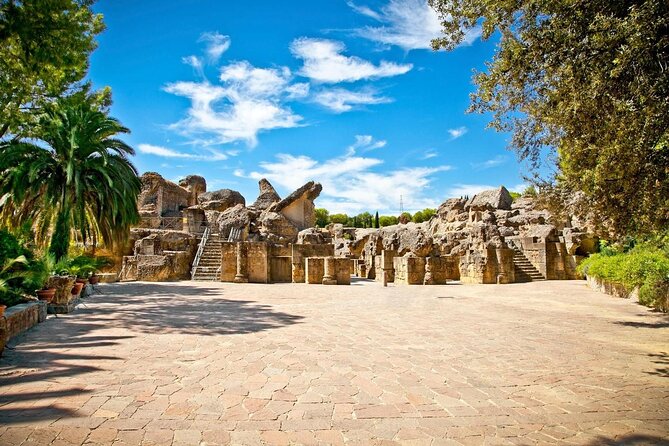
Seville is famous for Moorish and modern life, but it also sits on layers. Roman traces are close enough that you can feel the old world without leaving the region. This tour is built for exactly that moment when Roman history stops being a timeline and turns into a place you can stand in.
What makes the experience especially interesting is the way it frames Roman life through two connected cities. You’re centered on Italica, with explanations that link it to Híspalis, another Roman settlement that’s described as being in the same general Seville area. So even if your main walk is focused at Italica, you get the bigger “neighborhood” story of how Romans lived near Seville.
And then there’s the amphitheatre. This isn’t just a photo-stop. You finish the visit by walking through the amphitheatre’s entrances and maze-like spaces, which changes how you read the site. Sitting in an amphitheatre is one thing. Moving through its passages makes you picture how people flowed, waited, and watched. It’s one of those experiences where the stones do the talking, and the guide helps you translate.
You can also read our reviews of more tours and experiences in Seville.



Pickup, timing, and why private matters here
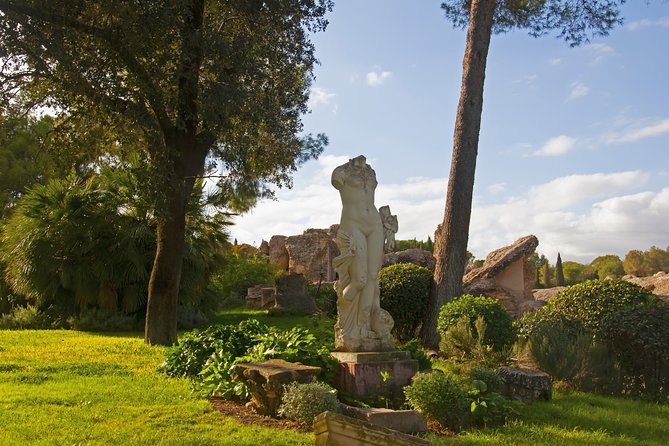
This tour starts at 10:00 am and runs for about 3 hours. That half-day length is a plus if you want Roman sites without eating up your entire day. It’s also long enough for a proper guided pass—especially because the visit includes a full ticketed segment at Italica.
The format is a private experience for your group. That sounds like a marketing line until you realize what it changes on the ground. In a private setting, your guide can slow down when something clicks, speed up when you’re already catching on, and answer the kind of questions that usually get lost in a group schedule. It also means you’re more likely to actually watch the space instead of spending the whole time trying not to fall behind.
Practical detail: the tour includes air-conditioned vehicle transport and pickup from your hotel or accommodation in Seville. That convenience matters at Italica because you don’t want your Roman day to start with a scramble—finding the meeting spot, coordinating transit, and building stress before you even reach the ruins.
One small consideration worth flagging: one guide experience described a situation where the hotel pickup list didn’t clearly match their accommodation choice on the booking site. If your lodging name is unusual or slightly different from official records, double-check your pickup details when you book so you’re not stuck trying to interpret a dropdown later.
Entering the Archaeological Ensemble of Italica
Your core stop is the Archaeological Ensemble of Italica, with the admission ticket included. Plan on about 1 hour 30 minutes at this first (and main) focus point, plus time for travel and the guided end at the amphitheatre.
When you arrive, the site’s power is immediate: you’re looking at structures that still hold shape. That’s important, because ruins can sometimes feel like scattered stones. Italica tends to do better than that. The amphitheatre is a major anchor, and it gives you a framework for understanding the rest of the place as part of a living urban world.
You’ll likely spend your time not just looking outward, but letting the guide explain how the spaces worked. The tour is designed to make Roman life feel concrete—less like a list of Roman achievements and more like daily movement, public gathering, and social hierarchy played out in architecture.
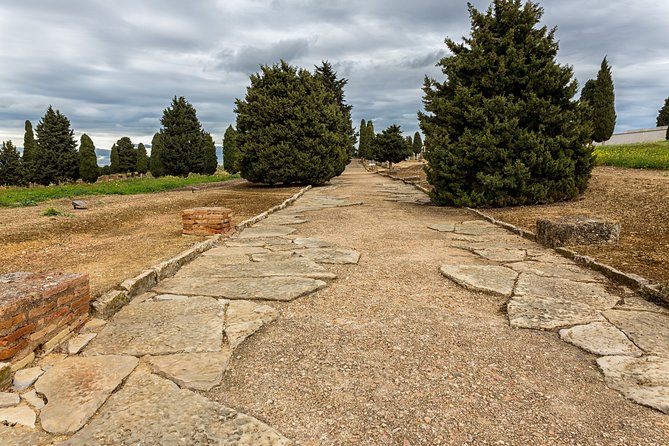
Also, you’ll get the Roman geography angle. Italica is described as being on the outskirts of Seville, while the other city connection, Híspalis, is framed as being in the same Seville area. That contrast helps you understand how Romans weren’t far away—they were close, and their presence shaped how the region developed.
The amphitheatre: where the tour turns from ruins into a story
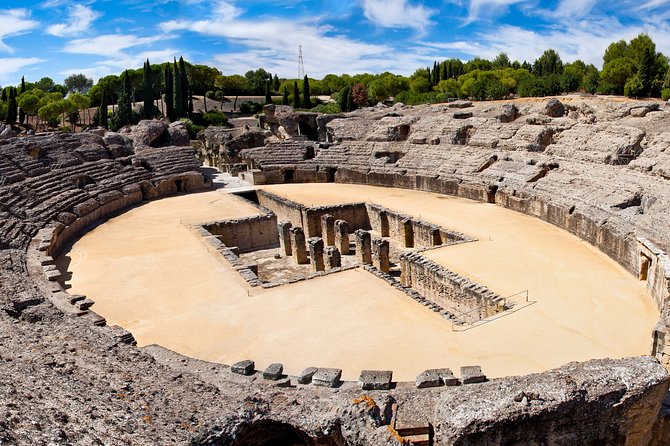
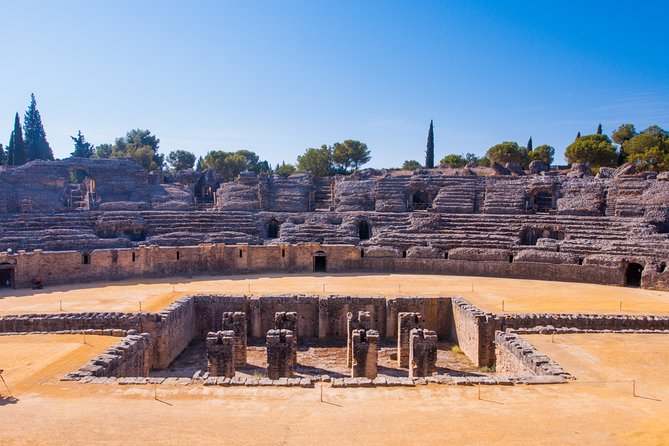
The visit ends at the Roman amphitheatre, and that’s where the tour earns its reputation. This isn’t a casual viewing from outside. You get a guided walk through entrances and labyrinth-like corridors, which gives you a very different perspective from the typical sightseeing loop.
Here’s what that kind of access does for your understanding:
- You can connect audience space to backstage flow. When you walk the entrances, you start picturing how people arrived, gathered, and moved into position.
- You see how circulation shapes the experience. Amphitheatres weren’t just big rooms. They were designed systems for crowd movement.
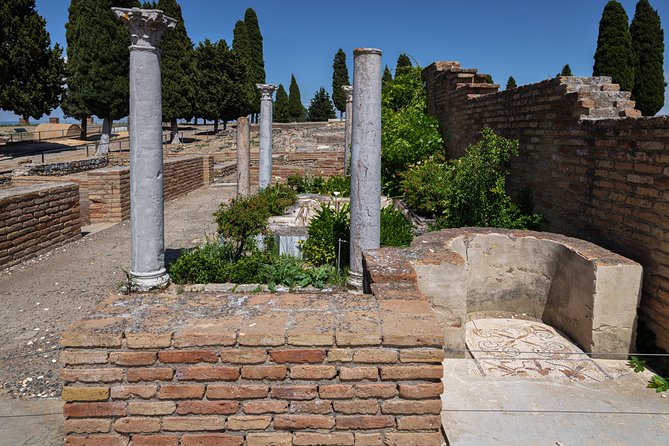
- You notice details your eyes might skip from a distance. The guide can point out what survived—like mosaics still present on parts of the site—and explain why they matter.
There’s also an emotional layer that comes through on this kind of visit. The ruins can be awe-inspiring, and at the same time you may feel the ache of what’s missing. One experience highlighted how the site’s value is obvious, yet preservation feels underfunded. I think that reaction is common when a place is both impressive and clearly vulnerable. If you’re the type who likes your history with a bit of conscience, this stop will land.
The amphitheatre itself is described as one of the largest of the Empire. Even without getting lost in technicalities, that phrase helps set expectations. You’re not visiting something tiny and local; you’re seeing a major Roman public structure that once operated on a big scale.
The guide experience: humor, clarity, and real human storytelling
The biggest difference between a good history day and a great one is the guide. This tour comes with an official guide, and the tone you can expect is warm and animated—not a stiff lecture. Named examples shared include Jesus, Javier, and Patricia, and what stands out is how each of them made the ruins feel alive.
Here’s what that usually means in practice on a site like this:
- You get context while you’re still standing in front of the thing. Timing matters. Explanations delivered before you see the space stick better.
- The guide helps you make sense of layout. Corridors, entrances, and sightlines can feel confusing if you’re just reading signs.
- You get a light touch. One guide approach was described as enthusiastic and entertaining, another as humorous, and another as effective at bringing what you’re looking at into a clear mental picture.
I also like that guides here don’t just talk at you. The experience is set up for interaction, so if you have questions about what you’re seeing, you’re more likely to get answers that connect to the physical space.
If you’ve ever visited a major ruin and felt like you did all the work yourself, this format is designed to prevent that. Your job is mostly to look closely and ask when you want.






What you should expect to learn about Roman Seville
Even though the itinerary’s main walking portion is centered on Italica, the concept behind the tour is bigger than one set of ruins. You’re there to understand Roman life across two close locations: Italica and Híspalis. That matters because it avoids the “one site equals one story” problem.
The way the tour frames it is straightforward:
- Italica helps you see Roman public life and monumental architecture through the amphitheatre.
- Híspalis provides the nearby urban context so you don’t treat Roman presence as something that arrived and disappeared.
You’ll come away with the sense that Roman influence shaped daily spaces, not just grand monuments. When a guide makes that connection in real time—while you’re moving through corridors and entering key areas—that learning becomes easier to remember later.
Price and value: is $167.68 per person worth it?
At $167.68 per person, this isn’t an impulse bargain. But the price is tied to practical value: official guidance, admission included, and hotel pickup with private transportation. For many people, the decision comes down to one question: do you want to spend your limited time in Seville using a guide, or do you prefer to self-navigate?
For a Roman site day, I think the guided portion is where you get the most return. The amphitheatre experience improves a lot when someone explains how to read it. If you’re the kind of traveler who likes asking why a place is arranged the way it is, the guide’s role is the core value driver.
It also helps that it’s private and only your group participates. You’re paying for a more tailored pace, and that can make a 3-hour visit feel fuller instead of rushed.
One more factor: there are group discounts and the tour is described as having daily departures. So you’ve got some flexibility compared to tours that only run on a couple dates.
Booking note: it’s commonly booked about 31 days in advance on average. If you’re traveling in a busy season, I’d still treat it as something to lock in early so you’re not hunting for a last-minute alternative.
Who this tour fits best (and who should pick something else)
This tour is a great fit if you want Roman-era context without spending a full day. The half-day length works for people balancing Seville’s other highlights. It’s also ideal if you prefer guided movement through complex spaces—like amphitheatre entrances and corridor areas—because those parts can be hard to interpret solo.
You’ll probably enjoy it most if you:
- like historic sites where a guide helps you map the space
- want a structured visit with ticket included
- value convenience, like pickup and transport in an air-conditioned vehicle
- prefer a private format to ask questions freely
If you’re the kind of traveler who enjoys slow wandering and reading on your own, you might find the 3-hour structure limiting. In that case, consider whether you want a more self-paced option. But if you’re aiming for clarity and story fast, this is built for you.
Practical tips to make the most of your 10:00 am start
With an about 3-hour visit, small decisions make a difference.
Arrive ready to move. The experience is structured, and the amphitheatre end is the highlight, so you’ll want energy and attention rather than arriving late and apologizing to your driver.
Bring questions. Since the tour is private, you’ll get more out of it if you ask what you notice. When you’re walking through entrances and corridors, you’re seeing “how people moved,” and that’s a natural topic for good questions.
Plan for no lunch. Lunch isn’t included, so have a plan before you go. If you’re traveling with a full itinerary, treat this as a morning or midday anchor and schedule food afterward.
Take a preservation mindset with you. If you feel that tug of sadness about underfunded protection, that emotion is part of what makes ruins meaningful. It turns a sightseeing stop into a reminder that conservation depends on attention, not just admiration.
Should you book this Italica Roman-times tour?
If your goal is a guided, time-efficient Seville add-on that makes Roman life feel real, I’d book it. The combination of private transport and pickup, an official guide, admission included, and the guided amphitheatre walk-through is a strong package for the money.
I’d hesitate only if you want a long, unstructured stroll or you prefer to read and interpret everything on your own. In most cases, though, this tour is the kind that saves you time and gives you understanding while you’re actually inside the stone world of Italica.
FAQ
FAQ
What time does the tour start?
The start time is 10:00 am.
How long is the Italica tour?
It lasts about 3 hours.
Is pickup from my accommodation included?
Yes. Pickup from your hotel or accommodation in Seville is included.
Is this tour private?
Yes. It’s described as private, meaning only your group participates.
Do I need to buy the admission ticket separately?
No. The admission ticket is included for the Archaeological Ensemble of Italica.
Is lunch included?
No. Lunch is not included.