REVIEW · SEVILLE
From Seville: Doñana National Park Day Trip
Book on GetYourGuide →Operated by Naturanda Turismo Ambiental · Bookable on GetYourGuide
Doñana is wild Spain in one long day. I love the way this tour stacks bird-spotting with big habitats from marshes to dunes, and then adds the unusual stop at El Rocío. A highlight for me is the way guides like José and Sergio work the area for wildlife sightings. One drawback to plan for: you’ll be in a van a lot, and the famous lynx is never a guaranteed photo.
This is a 10-hour day trip from Seville with hotel pickup and drop-off, led by a live guide (English, French, Italian, or Spanish). At $105 per person, it’s aiming at real value: you’re paying for transport, a guide, and access to the right viewing areas—not a self-guided drive where you might miss the key spots.
In This Review
- Key things I’d circle before you go
- Why Doñana fits a Seville day trip
- Getting out of town: Coria del Río and the long run to the park
- Dehesa de Abajo visitor area: marshland, birds, and real viewing
- Rice fields, storks, and how the guide shapes your odds
- El Rocío: chapel-and-observatory stop with a different pace
- Walking near La Rocina: where you slow down and look
- Matalascanas dunes and the Atlantic break
- Asperillo sunset and the lynx reality check
- Price and what makes it worth $105
- What to pack for a long nature day
- Should you book this Doñana day trip?
- FAQ
- How long is the Doñana day trip from Seville?
- What’s included in the price?
- Are meals and drinks included?
- What languages are available for the live guide?
- Is it a shared tour or can I do it privately?
- Can I bring pets?
Key things I’d circle before you go
- North-to-south habitat variety in one day, so you see marsh, forest, and sand dunes instead of just one corner
- Spotting scopes/prismatics included, plus many chances to position for birds and other wildlife
- El Rocío stop for the chapel and observatory area, a sharp change of pace from wetlands
- La Rocina trail time where you can slow down and look for animals along water
- Matalascanas dunes and beach time, with the Atlantic on deck in summer
- Lynx reality check, including reports of pawprints even when sightings don’t happen
Why Doñana fits a Seville day trip
Doñana National Park is one of those places where “Spain” stops being a single postcard and becomes a whole system: marshland, scrubby pine woods, rice fields, and massive dune country. From Seville, that variety is exactly what makes this day trip work. You’re not just driving to a viewpoint; you’re moving through different habitats where different animals and birds show up.
I also like that the tour’s rhythm isn’t one long lecture. It’s lots of photo stops and guided segments, which matters because wildlife watching is timing-based. If the birds are active, you want to be there; if they’re spooked, you want to be in the right place to wait it out.
The tradeoff is the day is structured around transportation and multiple areas, not a slow, hiking-first experience. If you’re hoping for long stretches of on-foot exploring all day, this will feel more like a guided wildlife drive with walking bonuses than a trek.
You can also read our reviews of more tours and experiences in Seville

Getting out of town: Coria del Río and the long run to the park
The day starts with pickup in Seville and a drive out toward Coria del Río on the Guadalquivir River. That early transit isn’t just logistics—it sets your expectations. Doñana is far enough from the city that you’ll settle into “road trip mode” quickly.
Expect a comfortable van ride, but also accept that this region isn’t smooth highways the whole way. One review noted the ride can feel bumpy for an hour or more, so if you get motion sick easily, it’s worth planning for that.
What you gain during the drive is context. You’re not zoning out; you’re watching the ecosystems you’ll later step into. Even simple moments—like passing through agricultural patches—help you understand why Doñana supports so many species. This isn’t a place where you can brute-force sightings with a quick stop and a short walk.
Dehesa de Abajo visitor area: marshland, birds, and real viewing
Your first major anchor is the visitor center at Dehesa de Abajo, in the northern marshes of Doñana. This is the kind of starting point that helps you “read” the park. Pine forests and open pastures create clear lines of sight, and the guide can explain what you’re seeing rather than leaving you guessing.
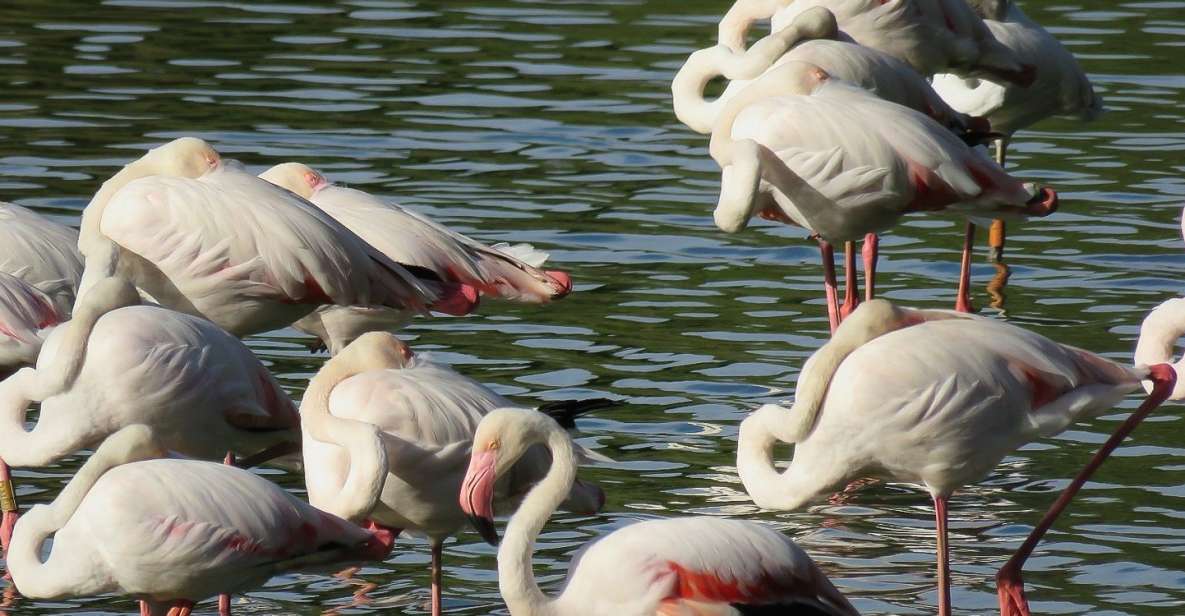
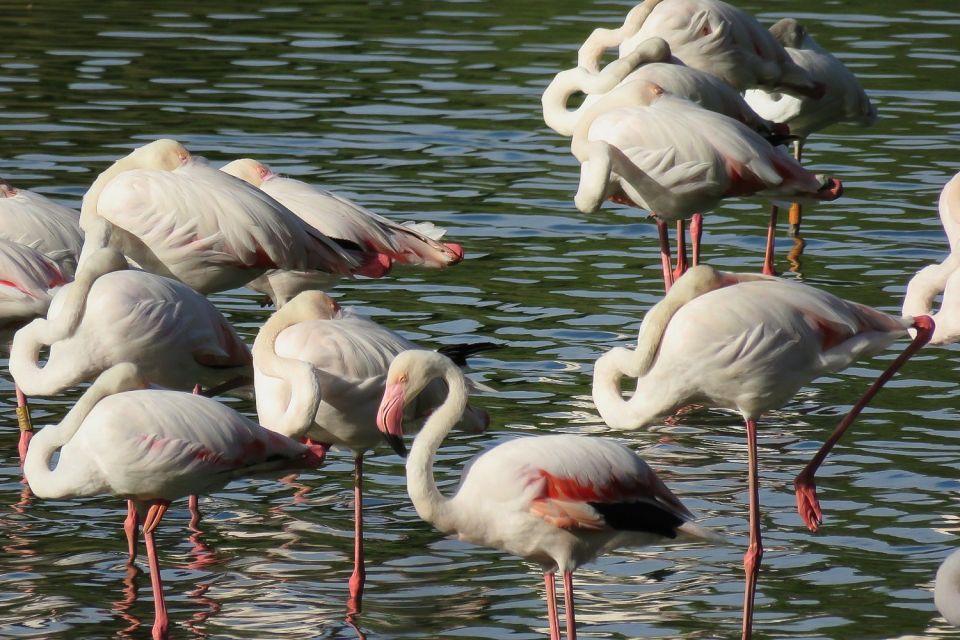
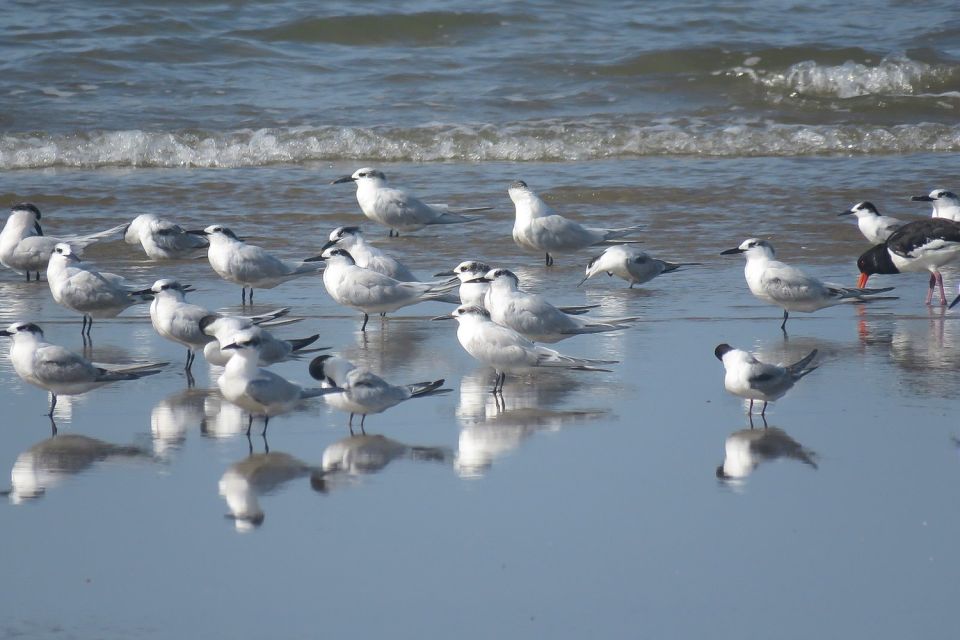
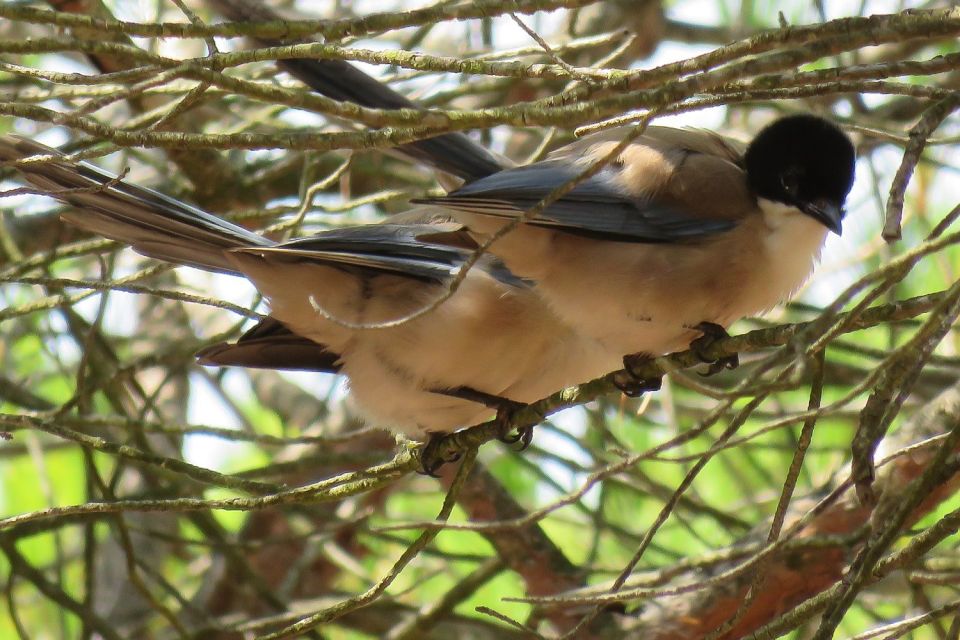
The numbers here are big: the park is home to around 300 bird species, and it’s famous for flamingos and Spanish imperial eagles. That’s the tour’s core pitch—birdlife on the move, often at close range when conditions cooperate.
Here’s the practical part: bird spotting is easier when you can get steady, not frantic. That’s where included prismatics help. A few guides also worked actively to reposition for everyone’s sightlines—slowing down, adjusting stops, and choosing angles so you’re not just looking over other heads.
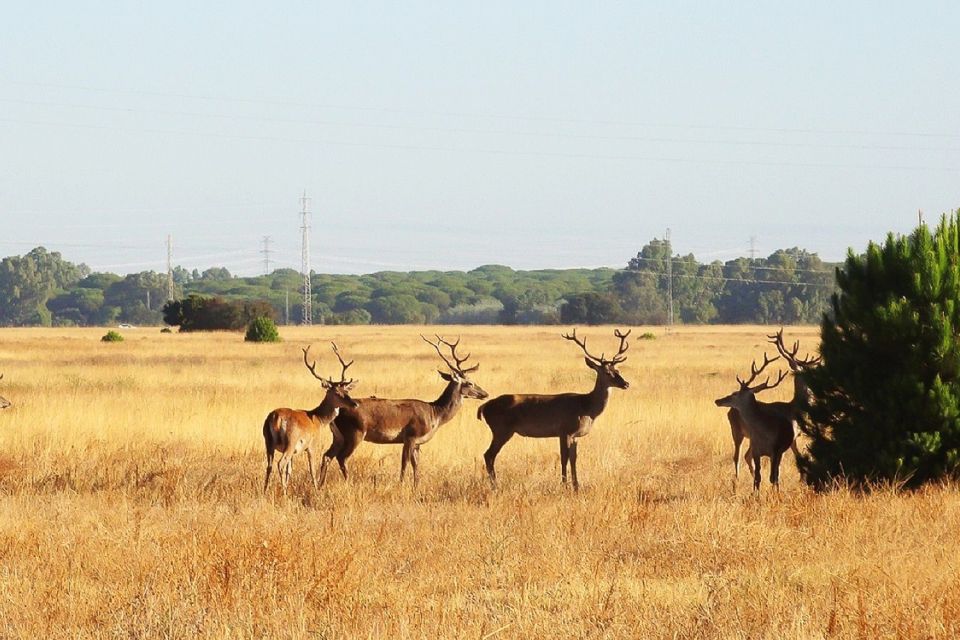
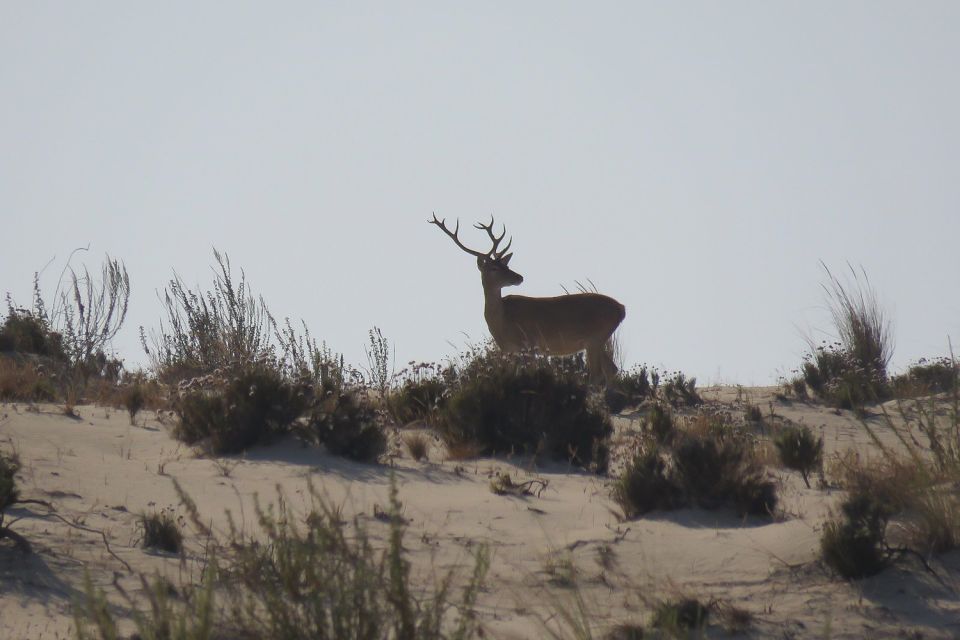
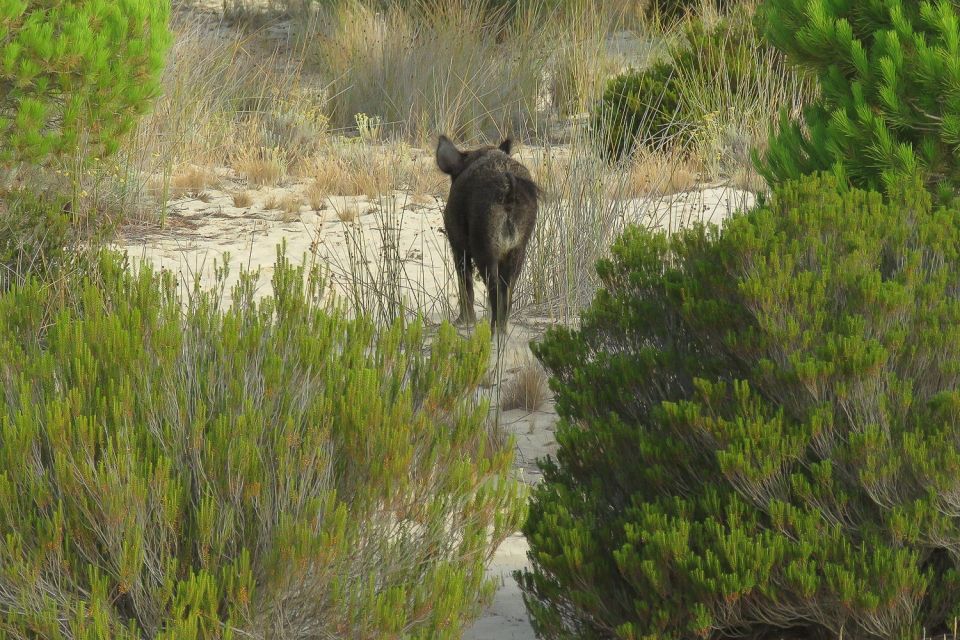
And yes, you’ll likely notice the park is more than birds. People also reported seeing deer, wild boar, and the signs of bigger mammals, even when the weather or timing limited the headline species.
Rice fields, storks, and how the guide shapes your odds
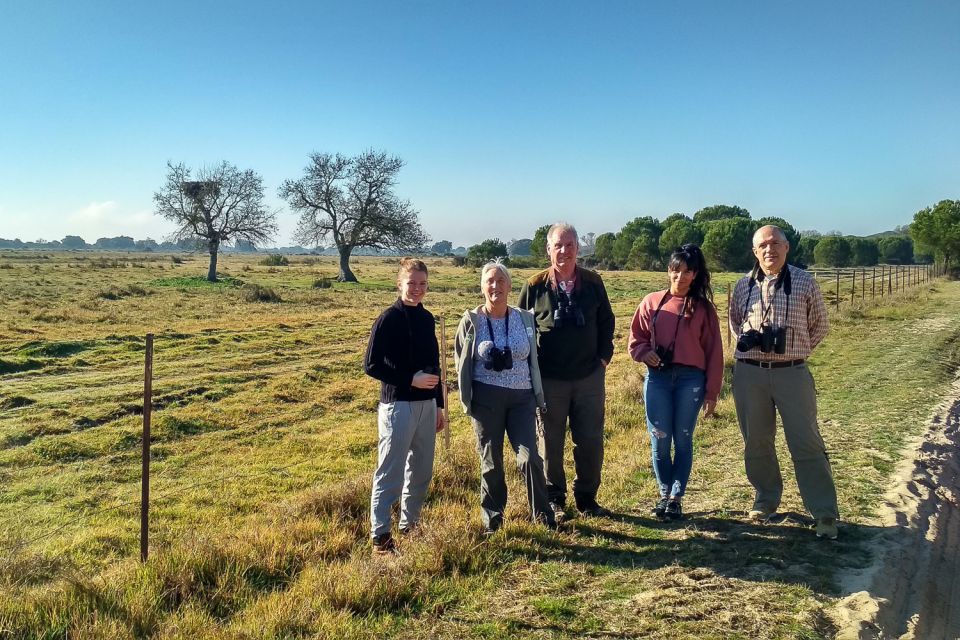
Between marsh areas and deeper park country, the tour passes by a rice field area known for Europe’s largest colony of storks. Even if you’re not a “stork person,” it’s a smart stop because it shows how Doñana uses a mosaic of wet and dry conditions.
This is where the guide can make or break the day. Some groups were lucky with flamingos, and others needed patience and a detour. One standout detail from the feedback: guide José made sure the group saw flamingos in a reserve area when sightings weren’t guaranteed in the main zone. That tells you something important about how this tour operates—flexibility is part of the experience.
You should also know that this is a living system. Birds shift. Raptors hunt. Wetlands hold water at different depths over time. So the guide’s job isn’t just “point and name.” It’s choosing where to stand, when to wait, and when to move so you don’t waste the morning staring at empty grass.
If you’re serious about birds, you’ll get more from bringing your own binoculars, even though prismatics are included. You’ll often want the best magnification for small shapes and fast flight angles.
El Rocío: chapel-and-observatory stop with a different pace
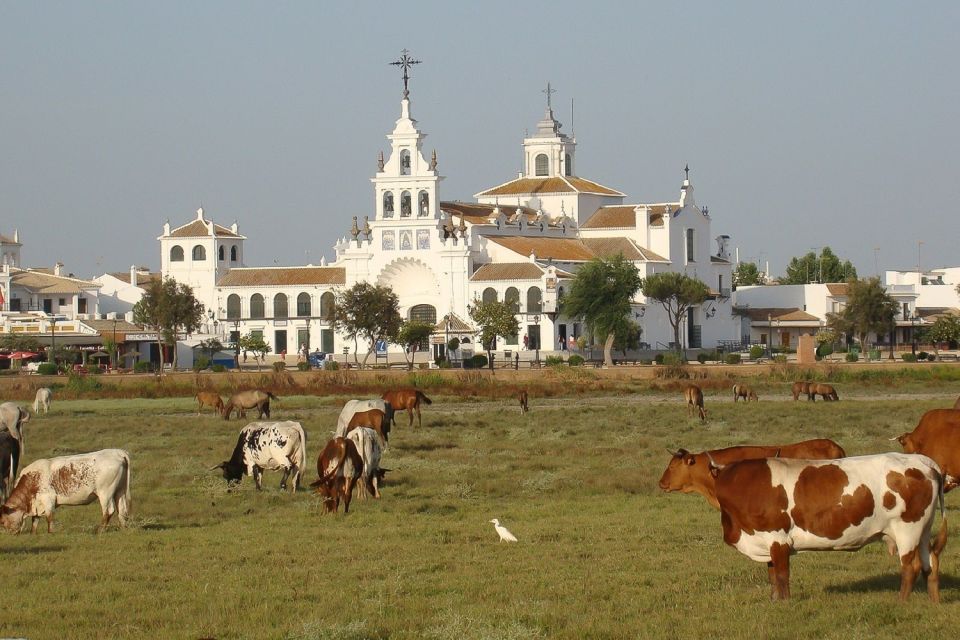
After the northern park segment, the day shifts to El Rocío, a village strongly tied to Doñana. The tour includes time for a photo stop and a guided look around the area, including the chapel and observatory.
This stop works for two reasons. First, it breaks the “watch wildlife, drive, repeat” rhythm. Second, it adds the human side of the park—why people care about this place and how culture grew around it.
In terms of time, the guided portion is shorter than the park blocks. That’s fine if you mainly want photos and a quick orientation. It can feel rushed if your priority is wandering slowly or staying for a longer sit-down lunch.
One practical tip: if you’re the kind of person who likes to read plaques and take in the details, you might want to spend a few extra minutes here before the group tucks back into the van. This is the moment where you can turn the day from “scenery + animals” into “scenery + meaning.”





Walking near La Rocina: where you slow down and look
You get a chance to walk on trails in Doñana near the stream of La Rocina. This is one of the more satisfying parts of the tour because it’s the only segment that truly encourages a slower pace. You’re still guided, but you’re not just rolling past viewpoints from a seat.
Walking time matters because many animals don’t appear as a sudden miracle—they show up as movement, tracks, calls, or small sightings near cover. A guide can help you notice what to watch for, like shifts in bird behavior or signs that larger mammals have passed nearby.
Weather can affect this portion. Some people went in winter and found good bird activity around water and lakes; others went later in the year and noted they saw lots of insects and wildlife along the routes. That doesn’t mean one season is better—it means the park will keep offering different clues even when the headline species aren’t obvious.
If you want the best experience here, wear truly comfortable shoes. This is not a dressy stroll, and the ground can vary depending on the path conditions.
Matalascanas dunes and the Atlantic break
After lunch, the tour heads into the dunes area near Matalascanas. This is a big shift—sand, wind, and open beach access. The tour includes time that typically gives you both photo opportunities and a chance to enjoy the sea area.
In summer, the tour includes the chance to hop into the Atlantic and take a dip. Even if you’re not swimming, the beach break is a nice reset after marsh watching. It gives your eyes a different kind of horizon and helps you cool down if the day is hot.
One caution: some people felt the dune and beach time could be short. If your main dream is beach lounging or a longer walk across the sand, you’ll want to manage expectations. This is still a wildlife-and-park tour first, not a full beach day.
That said, the day feels well balanced because the dunes aren’t random. They’re tied to how Doñana functions—one of Europe’s most important wetland-and-coastal systems. Seeing the sand after seeing the marsh makes the whole place click.
Asperillo sunset and the lynx reality check
As the day winds down, the route returns toward Seville with a stop planned for sunset through pine forest in the Asperillo area. This is a calm ending compared to the frantic bird-spotting moments earlier in the day. It’s also the kind of time when animals may become active again as temperatures drop.
Now for the lynx. Doñana’s lynx—especially the elusive one visitors hope to see—has a reputation for being hard to spot. Even with careful guiding and detours, sightings aren’t guaranteed. Some people on the tour didn’t see a lynx, but did spot pawprints, which is still a meaningful sign that the park’s big mammals are present.
What I like about this tour’s presentation is that it doesn’t pretend you can order a lynx sighting like a ticketed show. Guides work for it, but they can’t force a wild animal to step into your frame.
So here’s the mindset that pays off: treat lynx as an extra. Your day’s value should come from the variety of birds, the habitat transitions, and the chance to see mammals like deer and wild boar—or at least their presence in the ecosystem.
Price and what makes it worth $105
At $105 per person for about 10 hours, you’re paying for three things that are hard to replicate solo from Seville: transport, a guide, and access to the right viewing rhythm inside the park. Doñana is huge, and wildlife watching depends on knowing where to stand and when to move.
Meals and drinks aren’t included, so plan for that. Many people built the day around lunch time near the beach area, but you should still budget for your own snacks and water if you want more than what’s provided.
Group options also affect value. There’s a choice between shared or private/small groups, which changes how much flexibility your guide can apply. In smaller groups, you often get easier repositioning for views. In larger groups, you’ll still likely see plenty, but the guide may be managing more human traffic in each stop.
Language is another value factor. The guide is available in multiple languages, but the provider mentions that some language configurations require a minimum number of people. If you’re picky about language, it’s worth confirming your booking language ahead of time so you don’t end up with a switch.
What to pack for a long nature day
This tour is outdoors for a good chunk of the day, even when you’re mostly in the van. Bring:
- Comfortable shoes for trails near La Rocina
- Sunglasses and a sun hat
- Sunscreen
- Binoculars if you own them (prismatics are included, but extra magnification helps)
Also, remember you can’t bring pets. If you’re traveling with kids, infant seats are available if requested in advance.
And if you’re going in summer, plan for heat. The park transitions from marsh shade to open sand and beach sun fast, so water and sun protection aren’t optional, they’re survival tools.
Should you book this Doñana day trip?
If your goal is one great day that covers marshes, forest, dunes, and a culture stop in El Rocío, this is a strong choice. The best reason to book is the structure: you’re moving through habitats with a guide who can spot wildlife quickly and help your group get into good viewing positions.
I’d skip it if you want a long, walking-only hike day or if you’re hoping for a guaranteed lynx sighting. This is wildlife watching with real odds, not a wildlife lottery you can control.
My recommendation: book it if you’re flexible, bring sun protection and good shoes, and approach lynx as a bonus. You’ll leave with a bigger understanding of Doñana than you’d get from a short self-drive.
FAQ
How long is the Doñana day trip from Seville?
The tour lasts about 10 hours.
What’s included in the price?
Hotel pickup and drop-off, transportation, a guide, and prismatics are included.
Are meals and drinks included?
No. Meals and drinks aren’t included, so you’ll want to plan for lunch on your own.
What languages are available for the live guide?
English, French, Italian, and Spanish are available.
Is it a shared tour or can I do it privately?
You can choose between shared or small group experiences, or private experiences.
Can I bring pets?
No, pets aren’t allowed on this activity.