REVIEW · SEVILLE
Seville: Jewish History Private Tour
Book on GetYourGuide →Operated by ALTAI - Alba Tourism and Interpretation · Bookable on GetYourGuide
Seville’s Jewish past is written in the streets. This 2-hour private walking tour traces the community’s story through the Santa Cruz area and the Judería, taking you from synagogue spaces to what’s left underground. What I really like is the tight focus on two standout synagogues, and the way guide Alba connects buildings to real daily life. One practical drawback: it’s not set up for wheelchair users, so expect a route that favors walking.
The experience is led by Alba Tourism and Interpretation, and the difference shows fast. Alba has a PhD in Jewish history of the region, and her storytelling style keeps facts moving without feeling like a textbook. You’ll also get enough time to actually look at details, not just rush by them.
Finally, a heads-up on value: at $131 per person, this is best if you want a guided narrative and specific sites, not just a free wander through Seville’s historic center.
In This Review
- Key things you’ll notice on this tour
- From Plaza Nueva to Judería: how the walk tells the story
- Santa Cruz Quarter: where you learn the neighborhood, not just the landmarks
- Santa María la Blanca: spotting the synagogue story in the details
- San Bartolomé synagogue: understanding community life beyond the obvious
- Going underground to the Jewish cemetery ruins
- The quieter middle stops: how the route adds meaning without naming everything
- The 2-hour format: pacing, questions, and private-group value
- Who this tour fits best (and who might skip it)
- Price and logistics: what you should plan around
- Should you book the Seville Jewish History Private Tour?
- FAQ
- Where does the tour start?
- How long is the Seville Jewish History private tour?
- Is this tour private or shared?
- What main places will we visit?
- What languages are offered?
- What’s included in the price, and is transportation included?
- Is the tour wheelchair accessible, and what’s the cancellation window?
Key things you’ll notice on this tour
- A PhD-level guide, Alba, who ties Jewish heritage to places you can actually see
- Santa María la Blanca synagogue highlighted as a must-see stop in the Jewish story
- San Bartolomé synagogue used to explain how worship and community life worked
- Underground cemetery ruins, giving you a rare look at what remains below street level
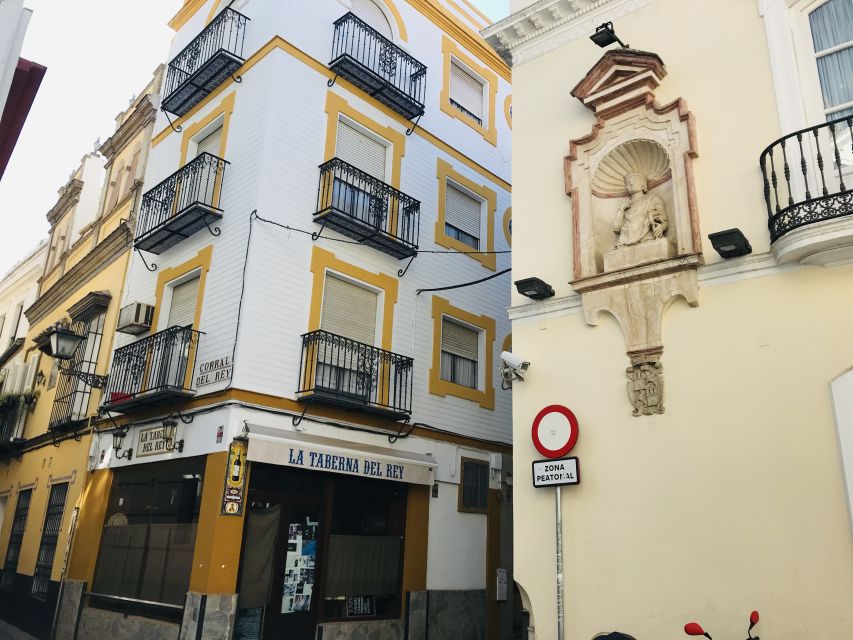
- Santa Cruz Quarter streets and viewpoints, where the neighborhood’s character becomes part of the lesson
- Private group pacing, so you can ask questions and move at a human speed
From Plaza Nueva to Judería: how the walk tells the story
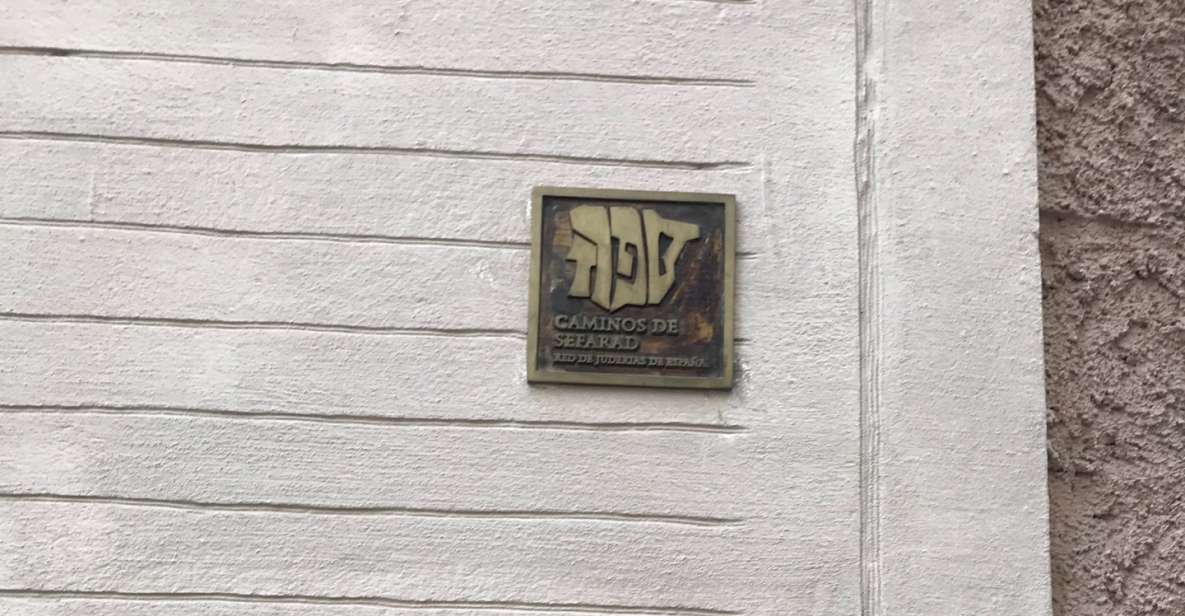
Most Seville walks start with big landmarks. This one starts in a more useful place: Plaza Nueva, with the meeting point beside the central statue. That matters because you’re not doing a random loop. You’re stepping into a guided route built around how Seville’s Jewish quarter developed and how it changed over time.
The tour then moves into the historic Santa Cruz area, where narrow lanes and old corners make it easier to imagine centuries of daily life. Your guide doesn’t treat the quarter like a museum hallway. The goal is to show you what the space meant: where families lived, where people worshipped, and where community life left an architectural fingerprint.
Then, toward the end, you finish at Judería. That final stop gives the walk a clean shape—less like wandering, more like learning a chapter with a beginning, middle, and end. It’s especially good if you’ve only got a couple of hours for this theme and you want to come away with more than a few photos.
You can also read our reviews of more private tours in Seville



Santa Cruz Quarter: where you learn the neighborhood, not just the landmarks
The Santa Cruz Quarter is the emotional center of this tour. It’s “picturesque” in the way that’s more than postcard visuals. The streets help you understand how people would have navigated their neighborhood, how tight geography supports community life, and why certain places became reference points.
Your guide uses the neighborhood as a framework, not a backdrop. Expect the story to connect Jewish community presence to the wider look and feel of Seville—so you’re not just seeing buildings, you’re learning why those buildings existed where they did. You’ll also hear how Jewish culture left an imprint that shows up beyond religion: gastronomy, surnames, traditions, and expressions that are still used today.
One thing I like about this approach is that it helps you avoid a common trap in heritage tours. If the guide only points out famous monuments, you still walk away with gaps. Here, the quarter becomes the map, and the sites become the evidence.
Practical note: because this is a walking tour, plan for comfort. Seville’s historic center can be uneven and it’s easy to get antsy if you’re under-dressed for a couple of hours on your feet.
Santa María la Blanca: spotting the synagogue story in the details
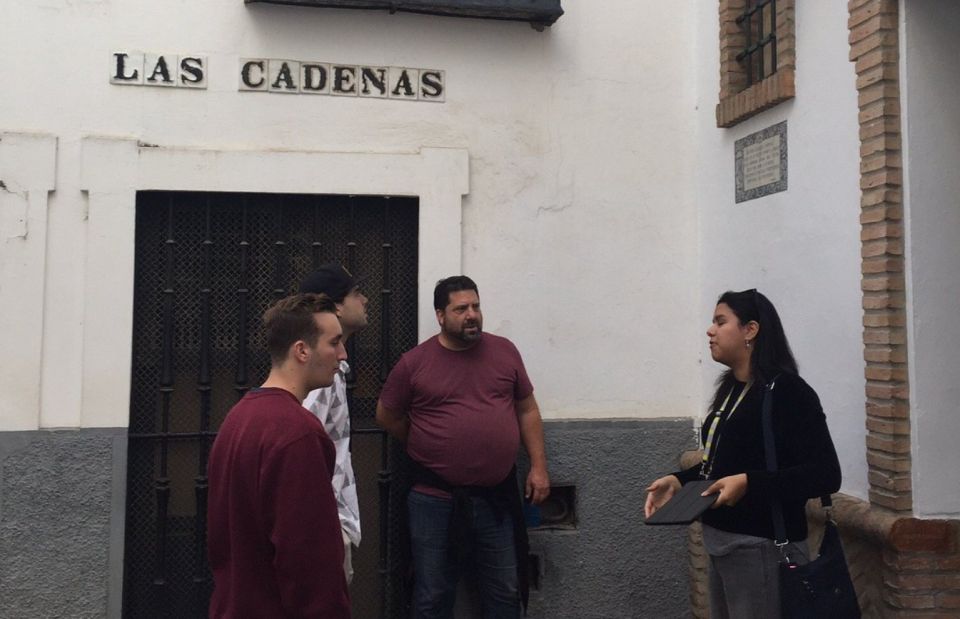
When the tour reaches Santa María la Blanca, it’s not treated as a one-and-done photo stop. It’s presented as a key piece of the Jewish story in Seville—one of the older synagogue sites tied directly to the community’s past.
What you get here is context. Instead of just telling you what you’re looking at, the guide explains why this synagogue matters and what it represents in terms of worship and community identity. The effect is that you start reading the building, not just walking past it.
This is also where a strong guide really earns their pay. Alba’s style, based on what I’ve learned from her approach, is built around a story that keeps moving from one point to the next. She tends to stay organized: place, purpose, people, then consequences. That keeps your attention from drifting, especially if you’re juggling multiple sights in Seville.
If you’re the type who likes architecture but hates lectures, you’ll probably still enjoy this stop. The narrative is anchored to what’s in front of you.
San Bartolomé synagogue: understanding community life beyond the obvious
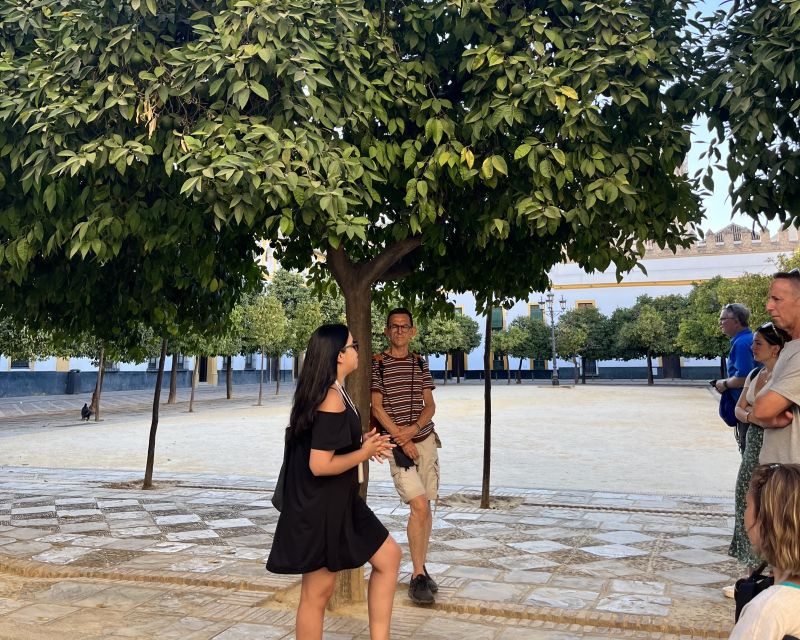
Next, the walk turns toward San Bartolomé, another major stop for Seville’s Jewish heritage. This is the part of the tour that helps you see Jewish life as more than a single monument or a single era.
The guide’s focus is on how Jewish families lived and worshipped and how the community shaped the city’s identity. In practice, that means you’ll spend time connecting the synagogue site to daily life rhythms—how people gathered, how beliefs turned into public space, and how those patterns left traces you can still read today.
I also like the way this tour uses comparison without turning into trivia. You’re not just memorizing facts. You’re learning how different Jewish sites fit into the larger “community system” that existed in Seville.
If you’re short on time in Seville but want the theme to feel real, San Bartolomé is one of the best reasons to pick this tour over a generic walking route.
Going underground to the Jewish cemetery ruins
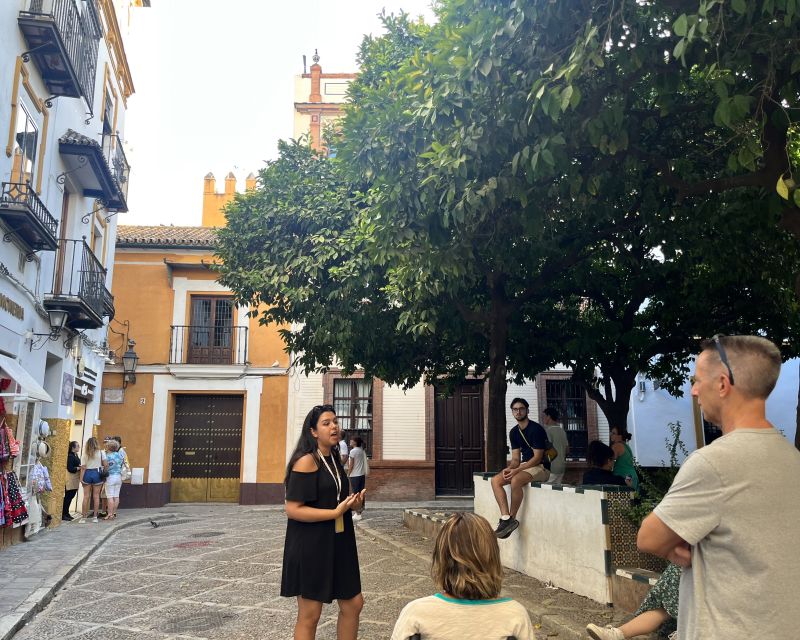
One of the standout experiences is the chance to go underground to find the ruins of the Jewish cemetery. This is where the story changes tone. Up above, you learn about community spaces and visibility. Below ground, you learn about memory, continuity, and what remains after a community is forced out.
That shift matters. It turns “history” from something abstract into something you can feel in the ground under your feet—literal layers of time. And because it’s part of a guided narrative, you’re not just looking at remains. You’re understanding what those remains represent.
A practical consideration: an underground stop usually means the environment can feel cooler or different than street level. If you run hot or cold easily, bring a layer you can manage without slowing the group down.
You can also read our reviews of more historical tours in Seville




The quieter middle stops: how the route adds meaning without naming everything
Between the big landmarks, you’ll hit two smaller moments your guide describes as special stops. They’re not listed as headline attractions, and that’s exactly why they work.
This tour design uses those pauses to do two useful things:
- Point out what your eyes might miss when you’re on your own
- Reconnect you to the bigger storyline so nothing feels random
So even if you’re expecting only synagogues and cemetery ruins, you’ll likely come away remembering the “in-between” moments as the glue. Those are often where a guide makes Seville feel alive—street-level details that help you understand how the community would have moved through the area.
If you like tours that teach you how to look, you’ll probably enjoy this section more than you expect.
The 2-hour format: pacing, questions, and private-group value
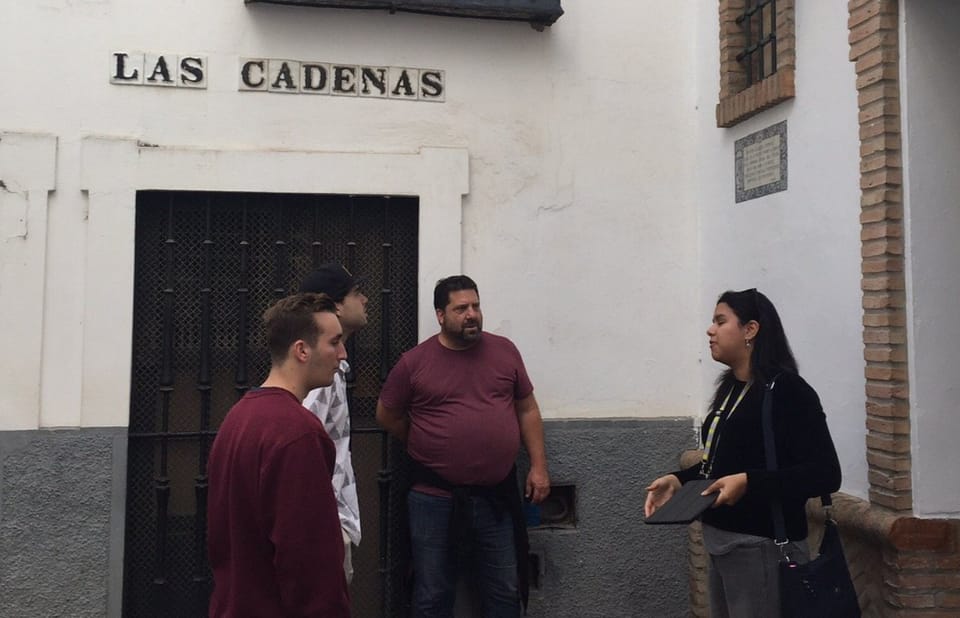
This tour runs 2 hours, and that’s a sweet spot for this theme. Long tours can blur together. Too-short tours can skip the context you need to understand why certain places matter. Here, the pacing is built to give you a guided narrative without turning your day into a history seminar.
It’s also a private group. That matters because you can ask questions without feeling rushed or getting lost in the shuffle. And with Alba’s style—stories from beginning to end, with the right amount of time for both information and attention—your brain won’t feel overstuffed.
Now about the price: $131 per person is not the cheapest thing you can book in Seville. But it’s also not trying to be. You’re paying for:
- a professional local guide
- entrance-related fees and taxes
- a focused route built around specific Jewish heritage sites
- a guided explanation that saves you from doing guesswork on your own
If you’re the kind of traveler who likes to know what you’re looking at, the cost makes sense. If you’re just after scenic walking time and don’t care about context, you might be happier spending your money on self-guided wandering.
Who this tour fits best (and who might skip it)
This experience is a strong fit if you:
- care about Seville’s Jewish heritage as a real chapter, not a quick stop
- want to see Santa María la Blanca, San Bartolomé, and the underground cemetery ruins with context
- like a guide who tells stories in a structured way (Alba is praised for exactly that tone and energy)
You might think twice if:
- you need wheelchair accessibility, since it’s not suitable for wheelchair users
- you’re allergic to walking and only want short, flat sightseeing
Price and logistics: what you should plan around
You’ll meet at Plaza Nueva, beside the central statue. From there, you’ll walk into the historic center and end at Judería. The tour includes all fees and taxes and has a professional guide, but private transportation is not included.
So plan to arrive already situated for a walking route. If you’re hopping between major sights that day, give yourself a little buffer so you’re not rushing to catch the start point.
Also note the language options: the live guide runs in Spanish and English. If you have a preference, pick the right option when you book so you get the full effect of the storytelling.
Should you book the Seville Jewish History Private Tour?
Yes—if Jewish heritage in Seville is something you genuinely want to understand, not just glance at. This is one of those tours where the guide’s approach matters as much as the sites. With Alba leading—PhD-level expertise, friendly energy, and a story that holds together from start to finish—you’ll finish with a much clearer picture of how Jewish community life appeared on the ground, and how the ending reshaped what Seville could show afterward.
Skip it only if you’re price-sensitive and want a self-guided route, or if accessibility is a must for your group.
FAQ
Where does the tour start?
The tour starts at Plaza Nueva, at the meeting point beside the central statue.
How long is the Seville Jewish History private tour?
It lasts 2 hours.
Is this tour private or shared?
It’s a private group tour.
What main places will we visit?
You’ll see historic Jewish heritage sites including Santa María la Blanca and San Bartolomé, visit the Santa Cruz area, and go underground to the ruins of the Jewish cemetery. The tour finishes at Judería.
What languages are offered?
The live guide is available in Spanish and English.
What’s included in the price, and is transportation included?
The price includes all fees and taxes and a professional tour guide. Private transportation is not included.
Is the tour wheelchair accessible, and what’s the cancellation window?
The tour is not suitable for wheelchair users. It also offers free cancellation up to 24 hours in advance for a full refund.