REVIEW · SEVILLE
Seville: Palacio de Las Dueñas, La Macarena & Las Setas Tour
Book on GetYourGuide →Operated by Naturanda Turismo Ambiental · Bookable on GetYourGuide
Seville tells its story street by street. This 3-hour walk strings together Roman traces, major church sights, and a guided look inside Palacio de las Dueñas. You’ll move through contrasting parts of the historic center in a way that feels practical, not rushed.
I especially like the guided palace visit. You get context for what you’re seeing in the rooms, the art, and the garden, plus stories tied to the Duquesa de Alba and her family. I also like how La Macarena is explained beyond just being a famous name, so the basilica visit lands with meaning.
One consideration: it’s a lot of time on foot in central neighborhoods. Bring comfortable shoes, because you’ll be walking between churches and viewpoints as the tour unfolds.
In This Review
- Key points before you go
- Where the tour begins: Metropol Parasol to Seville’s north district
- Antiquarium under the Metropol Parasol: Roman traces you can actually picture
- Feria Street and the market stop: Seville you can smell and hear
- Cardo Máximo connections: following old routes without a map headache
- La Macarena Basilica: the Virgin of Hope and why Seville cares
- Several churches, one walking rhythm: Gothic, Moorish, Baroque, Renaissance, and more
- San Luis de los Franceses: quiet street history and a change of pace
- The Arco de la Macarena and Santa Marina: small landmarks, big stories
- Palacio de las Dueñas: the guided highlight that turns history into atmosphere
- Alfonso X and the big picture: how the guide stitches time together
- Price and value: $46 for three hours with multiple paid entries
- Practical stuff I’d plan around: wear, timing, and pacing
- Who should book this Seville tour
- Should you book Palacio de Las Dueñas, La Macarena & Las Setas Tour?
- FAQ
- How long is the tour?
- Where do I meet the guide?
- What’s included in the ticket price?
- Which languages is the tour offered in?
- Is there food included?
- Does the tour skip the ticket line?
- Is the tour wheelchair accessible?
- Can I cancel for a refund?
- What should I bring?
Key points before you go
- Skip-the-line-style access: entries include key sites, so you’re not stuck waiting around
- Two big anchors: La Macarena and the guided Palacio de las Dueñas bookend the experience
- A real neighborhood route: Feria Street, market stops, and the north district feel lived-in
- A “Romans to the 21st century” timeline: history shows up in layers, not in one museum
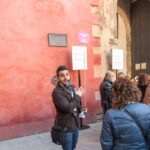
- Strong guiding: Emilio and Jesus are described as especially attentive and engaging
Where the tour begins: Metropol Parasol to Seville’s north district
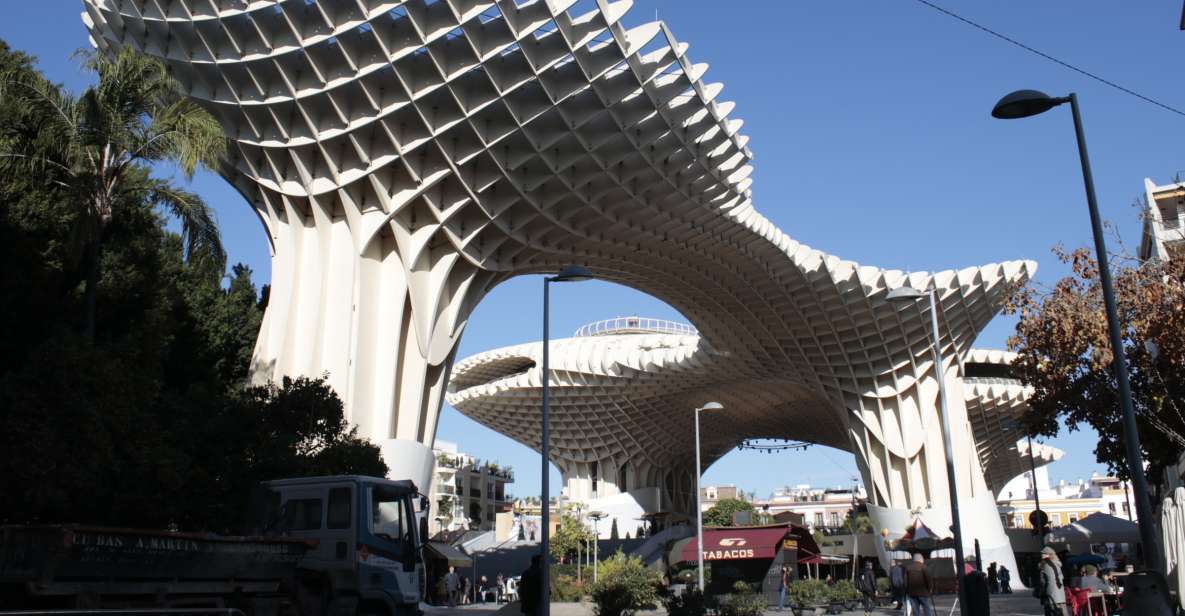
Most Seville days start with the main squares and the big-ticket landmarks. This tour starts with something different: the area around Metropol Parasol at Plaza de la Encarnación. It’s an easy meeting point, and the timing is built so you get oriented fast before the walking really starts.
From there, the tour shifts toward Seville’s north district. That matters, because Seville changes character as you move. Near the market areas you see everyday rhythms. Near the churches you feel the weight of centuries. The route doesn’t try to cover everything. It picks the kinds of stops that help you understand how the city evolved.
You can also read our reviews of more tours and experiences in Seville.

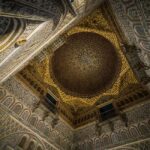
Antiquarium under the Metropol Parasol: Roman traces you can actually picture
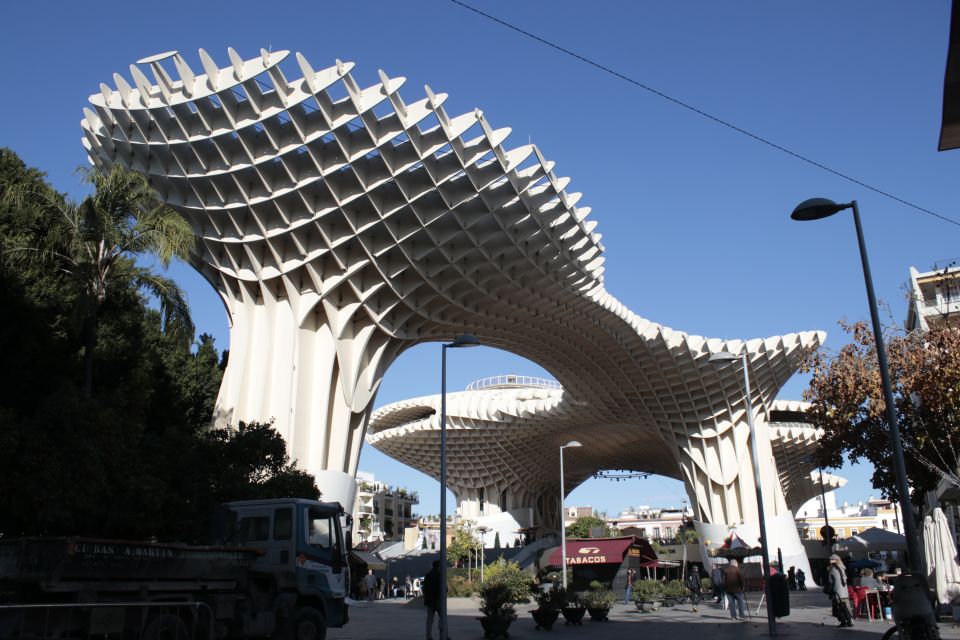
The first major stop is the Antiquarium. It’s not just a quick photo break. You get entry plus a guided introduction, which helps turn ruins and artifacts into something you can visualize.
Here’s why I think this start works: the Antiquarium connects the present-day city with its Roman past. Seville has layers, and if you begin by seeing those layers in a guided way, the later church and palace history feels more grounded. You’re not learning facts in isolation—you’re watching time stack up.
If you like history that you can connect to real streets and buildings, you’ll appreciate this pacing. It sets the baseline, so when the tour later references old structures and older urban routes, it has more meaning.
Feria Street and the market stop: Seville you can smell and hear
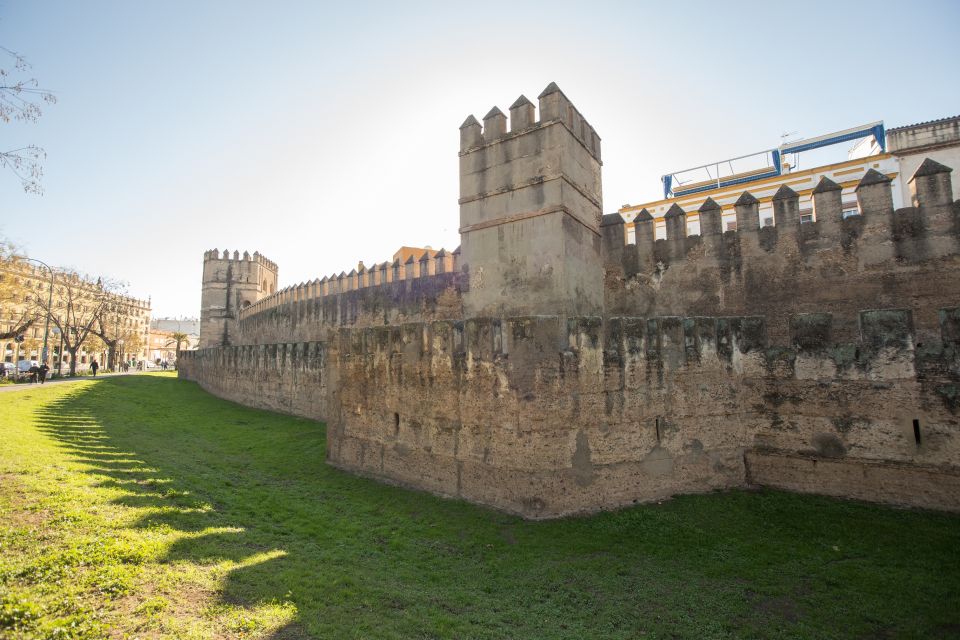
After the initial historical setup, the tour shifts outdoors into the everyday city—starting with Feria Street and a market visit. This is where Seville stops being a list of monuments and starts being a place.
The market stop is short, but it’s the right kind of short. You get a guided look and context without burning your time. You’ll also get a sense of how the neighborhood supports the churches and daily life around them. Even if you don’t buy anything, the experience helps you read the city.
This part also gives you a breather from the big interior sites. You’re still learning, but you’re walking and watching street-level life. For many people, that’s the tour’s best “reset” moment.
Cardo Máximo connections: following old routes without a map headache
The tour doesn’t just point at buildings. It also points at the logic of the city—how people moved and where important corridors used to run. One of the themes woven in is the old Cardo Máximo, the main north-south axis in Roman cities.
Even if you’re not a mapping nerd, this is useful. When your guide explains old city structure while you’re standing in the right spot, you get mental breadcrumbs. Later, when you wander on your own, you’ll understand why certain areas feel like they connect.
It’s a small thing, but it can change how you explore Seville after the tour. You won’t feel like you’re just drifting through pretty streets. You’ll feel like you’re walking along a storyline.
La Macarena Basilica: the Virgin of Hope and why Seville cares
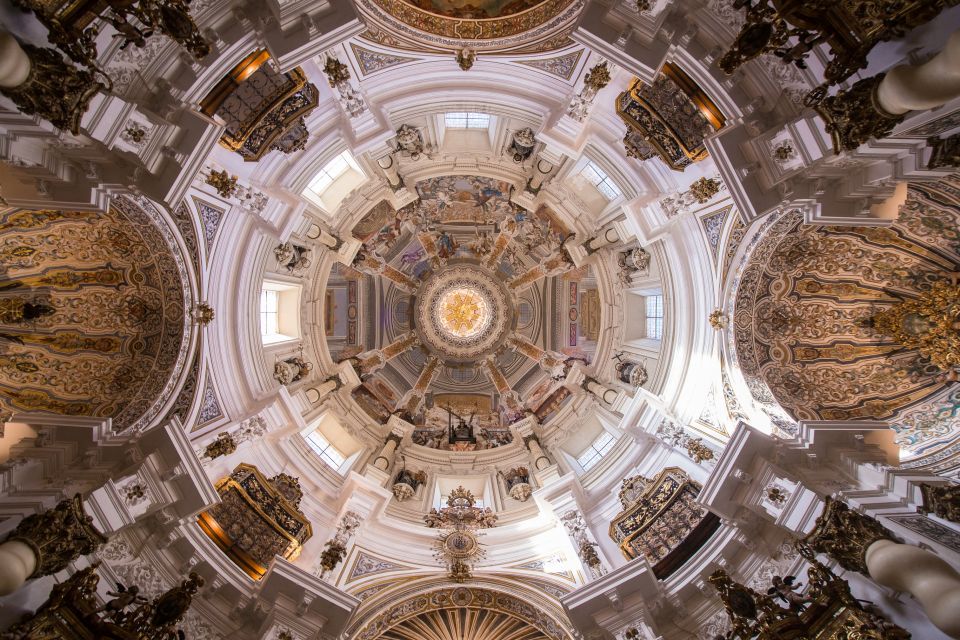
Then comes the star of the neighborhood stop: the Basilica de la Macarena. This is one of Seville’s most revered religious sites, and the tour gives you the background you need to understand why.
You’ll be guided through the church experience and learn about the Virgin of Hope of Macarena, a figure that matters deeply in local devotion. The difference here is that you don’t just visit a building and move on. You get the layers of meaning that people in Seville recognize instantly.
I like this approach because it prevents a common mistake: treating churches as just architecture. In Seville, religion is history you can still feel. If you care about culture, this stop is the moment the tour becomes more than sightseeing.



Several churches, one walking rhythm: Gothic, Moorish, Baroque, Renaissance, and more
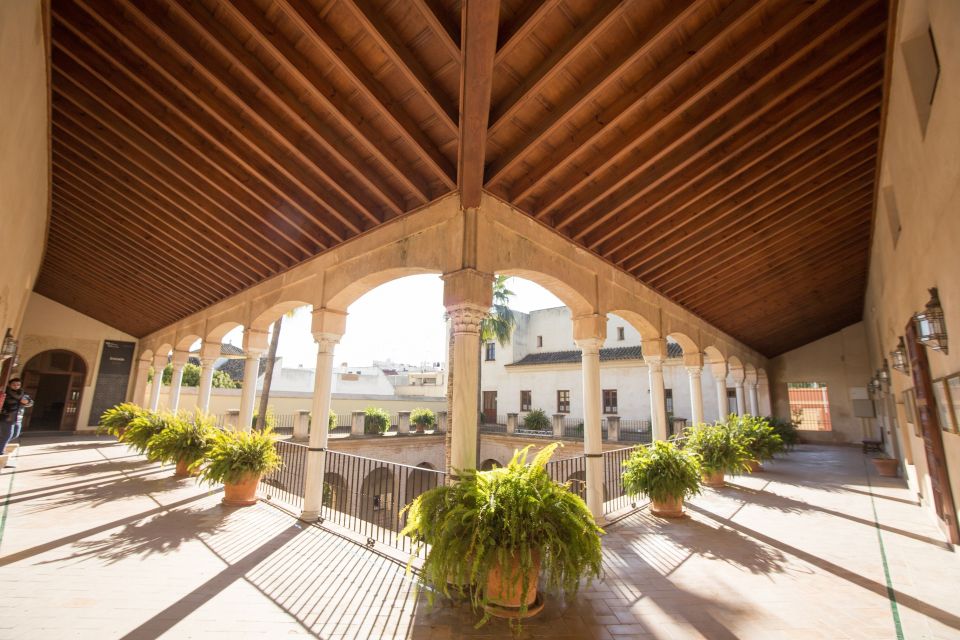
This tour includes multiple church stops and pass-bys, and it deliberately mixes styles. You’ll encounter churches with different artistic languages—Gothic, Moorish, Baroque, Renaissance, and even 20th-century influence.
The value of that variety is simple: Seville doesn’t look like one era. It looks like a city that kept rebuilding itself. When you see churches from different periods along the same route, you understand that what you’re seeing isn’t random. It’s a timeline in stone.
It also keeps the walking tour from becoming monotonous. Interiors change, facades change, and your guide has fresh stories to connect each stop to the bigger picture. Some guides—people like Emilio and Jesus—are particularly praised for keeping groups engaged for the full three hours, which is exactly what you want when you’re handling multiple church visits.
San Luis de los Franceses: quiet street history and a change of pace
Another stop on the way is San Luis de los Franceses. This area has a different feel than the busier market zones, and the tour uses that. You get a mix of guided time and pass-by moments, which helps the route flow without exhausting you.
The tour also includes nearby San Luis Street area time, plus guided context around the church. If you’re the type who likes to wander but still wants structure, this portion is satisfying. You get just enough to make the architecture and location feel intentional.
In a short walking tour, balance matters. This is one of the sections that gives you variety while still staying on track.
The Arco de la Macarena and Santa Marina: small landmarks, big stories
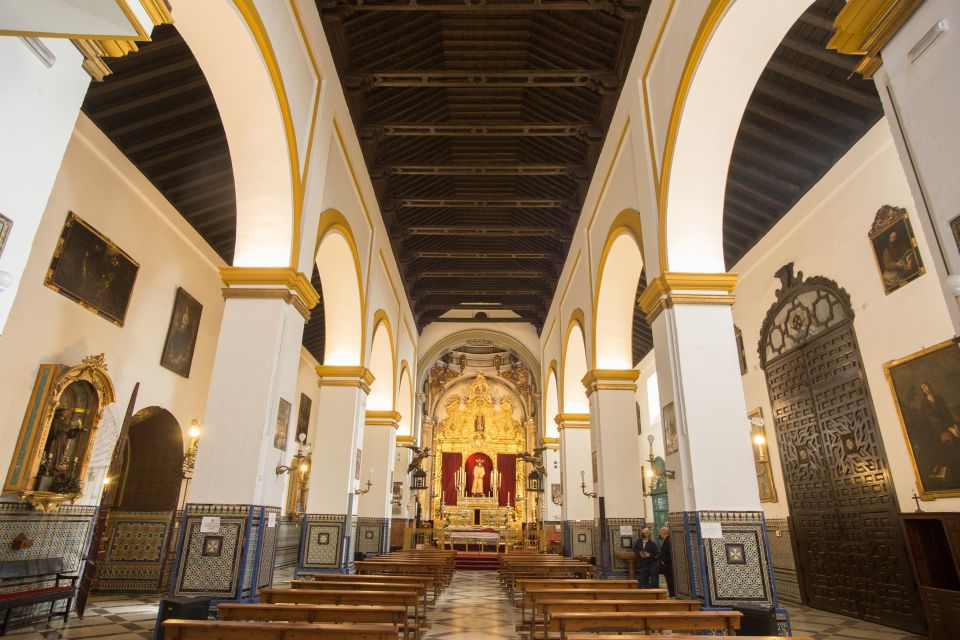
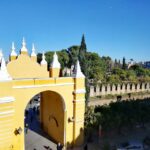
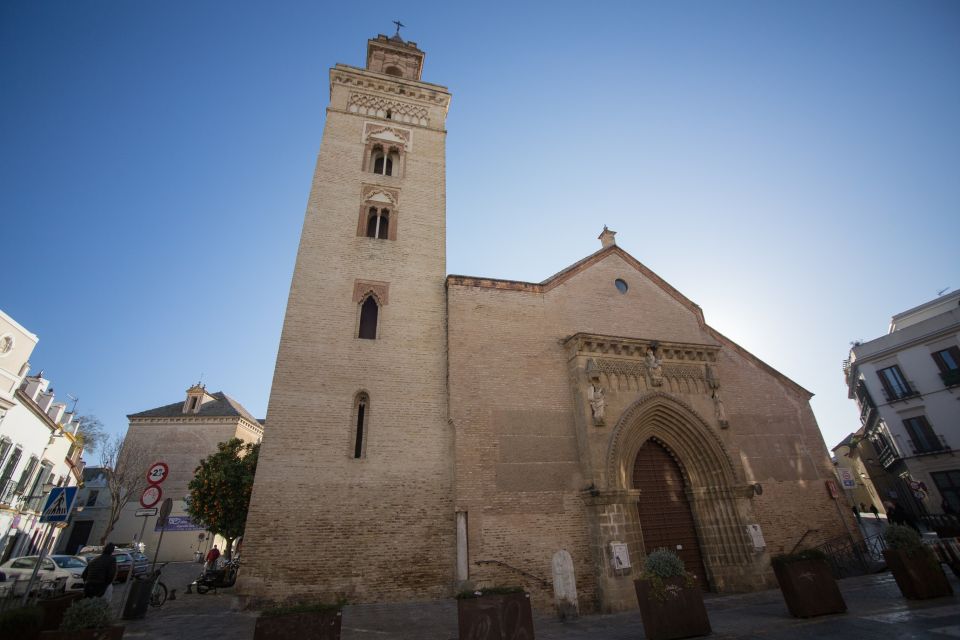
Between the bigger anchors, you’ll notice smaller landmarks like the Arco de la Macarena and stops around Iglesia de Santa Marina. These are the kind of details that often get ignored when people rush through Seville.
What makes them valuable on a guided tour is that you get to know what they represent—how they fit into local legends, how they relate to neighborhood identity, and how the city’s older traditions show up in physical form.
These short guided bursts can be surprisingly memorable. They’re the moments you later spot again and think, I get why that matters.
Palacio de las Dueñas: the guided highlight that turns history into atmosphere
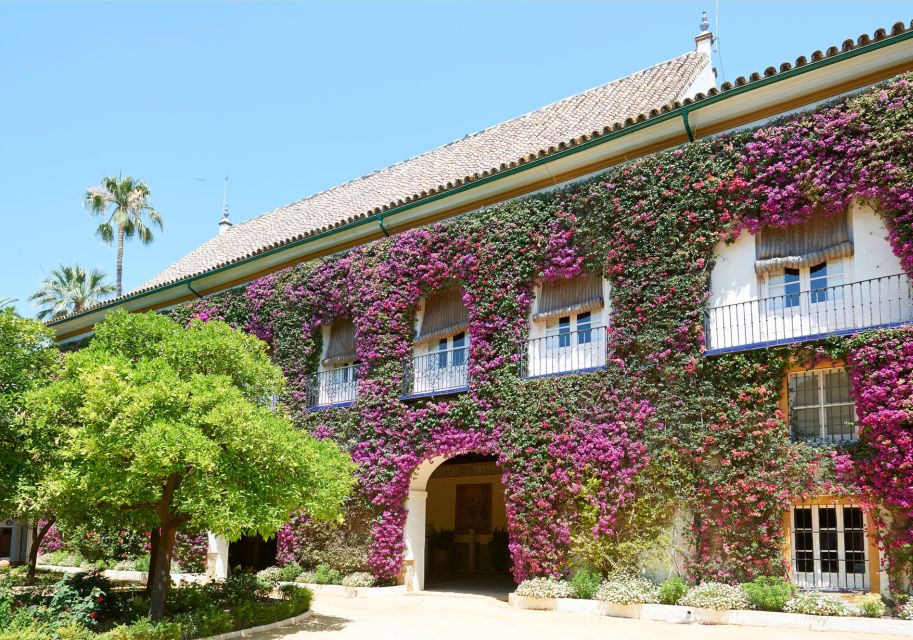
The tour ends with the biggest payoff: a guided visit to the Palacio de las Dueñas. This is the old residence of the Duquesa de Alba, and it’s one of the best ways to understand Seville’s aristocratic past without needing a full-day museum plan.
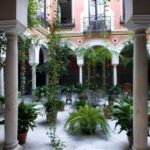
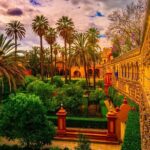
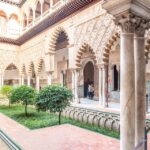
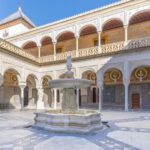
What you’ll care about here is not just that it’s beautiful. It’s the mix: rooms with art, personal things connected to an important Spanish family, and a fabulous garden space that helps you see how the palace functioned as a home.
This is where the guiding really matters. When someone explains what you’re looking at—why certain spaces were made, what objects or artwork represent, how the family shaped the property—the palace stops being a photo stop. It becomes a story you can walk through.
It also helps that the tour allocates a longer chunk of time here (about an hour), so you can actually take it in without feeling like you got only a surface glance.
Alfonso X and the big picture: how the guide stitches time together
A good walking tour does more than list sights. It connects them. This one explicitly references Alfonso X, and the guide’s job is to place him within the broader history your route is covering.
You don’t get one long lecture. Instead, the guide brings historical context while you’re moving from site to site. That style works well because it matches how you experience the city—short scenes, then the next street, then the next building.
If you want a tour that helps you understand why Seville looks like it does, this is a strong fit. You’ll likely leave with more than landmarks in your camera. You’ll have a better mental map of time.
Price and value: $46 for three hours with multiple paid entries
At about $46 per person for a 3-hour walking tour, the value is strongest if you want guided access to several ticketed places.
You’re not just paying for narration on the street. Entry and guided time are included for:
- Antiquarium
- Palacio de las Dueñas
- Macarena church
- San Luis de los Franceses
Add the fact that the tour is designed as a compact route and you avoid spending your limited time hunting tickets or waiting around. For many people, that turns into real savings in a city where sightseeing competition is real.
The only “cost” in your time budget is walking. If your plan includes lots of other major sights afterward, you’ll still likely benefit because the tour ends at the palace and gives you a clear direction for the rest of your day.
Practical stuff I’d plan around: wear, timing, and pacing
A few practical reminders before you book:
- Wear comfortable shoes. You’ll be on foot through central streets and church areas.
- If you need photos, remember there are photo stops along the way, but you’ll still be moving between places.
- There’s no food included. You can purchase something at a café during the day on your own plans, so keep that in mind if you’re hungry at the start.
Language is English or Spanish with a live guide, which is great if you want real-time explanations instead of audio wandering.
And yes, the tour is listed as wheelchair accessible, so it’s worth considering if mobility is a factor for your group.
Who should book this Seville tour
This tour is a good match if you:
- Want a focused 3-hour plan that covers multiple time periods
- Like guided visits inside places with art and religious significance
- Prefer walking routes that include neighborhood streets and a market feeling
- Want the strongest Seville experience ending with a guided palace visit
It’s also a nice “first Seville” option, because the route helps you understand the city’s timeline from Roman traces through later centuries.
If you’re the type who wants only one or two big-ticket sights and nothing else, you might find the number of church stops a lot. But the pacing is built to keep it moving, not to trap you in one interior for hours.
Should you book Palacio de Las Dueñas, La Macarena & Las Setas Tour?
I think you should book if you want a guided route that makes Seville feel connected: Roman-era traces at the Antiquarium, devotion and identity at La Macarena, and a final guided walk through Palacio de las Dueñas with its art and garden.
The biggest reason to choose it is the guide component. The tour is repeatedly praised for guides who are attentive, prepared, and able to hold interest for the full three hours, with examples like Emilio, Jesus, and Julian mentioned for strong delivery.
If you hate walking or you want food included, look elsewhere. But if you’re happy to wear comfortable shoes and let a guide stitch together Seville’s layers, this is a solid use of time at a fair price.
FAQ
How long is the tour?
It lasts 3 hours.
Where do I meet the guide?
Meet at the main stairs of Metropol Parasol, in the Plaza de la Encarnación area.
What’s included in the ticket price?
You get entry and guided visits for the Antiquarium and Palacio de las Dueñas, plus entry for the Macarena church and San Luis de los Franceses church, along with a local guide.
Which languages is the tour offered in?
The live guide offers English and Spanish.
Is there food included?
No food is served on the tour, but there is a café where you can purchase something.
Does the tour skip the ticket line?
Yes, it includes skip-the-ticket-line access for the included sites.
Is the tour wheelchair accessible?
Yes, it’s listed as wheelchair accessible.
Can I cancel for a refund?
Yes. Free cancellation is available up to 24 hours in advance for a full refund.
What should I bring?
Bring comfortable shoes and comfortable clothes.