REVIEW · SEVILLE
From Seville: Full-Day Tangier Trip
Book on GetYourGuide →Operated by Not Just a Tourist · Bookable on GetYourGuide
Africa comes into view faster than you expect. This day trip pairs a Gibraltar Strait crossing with guided time in Tangier’s medina so you don’t just see Morocco from a distance. The tradeoff: it’s a tight 16-hour schedule built around ferry times, so you’ll feel the long day.
I like how the route mixes big, clear landmarks with smaller street moments. You get the Cap Spartel area, the cave of Hercules, and the option for a beach camel ride, plus a proper walking tour through the old city. Guides (including Bachir, in past groups) have been praised for staying flexible while still keeping things on track.
In This Review
- Key highlights worth clocking
- Seville to Tangier in one long day: the 16-hour reality
- Tarifa ferry and the Gibraltar Strait crossing you’ll remember
- Cap Spartel Lighthouse and Spartel Cape: the northwest Africa stop
- Hercules Cave: Neolithic engineering you can actually stand beside
- Achakkar Beach camel ride: fun add-on with a supplement
- Tangier on foot: casbah, museum, and medina market time
- Moroccan lunch and what to pay out of pocket
- Price and value: what $418 includes and what costs extra
- How pacing feels: ferry time, walking time, and free time
- Who should book this Tangier day trip from Seville
- Should you book this Seville to Tangier full-day trip?
- FAQ
- How long is the Seville to Tangier day trip?
- Are ferry tickets included in the price?
- What parts of the day include a guide?
- Is lunch included?
- Is the camel ride included?
- What do I need to bring before traveling?
Key highlights worth clocking
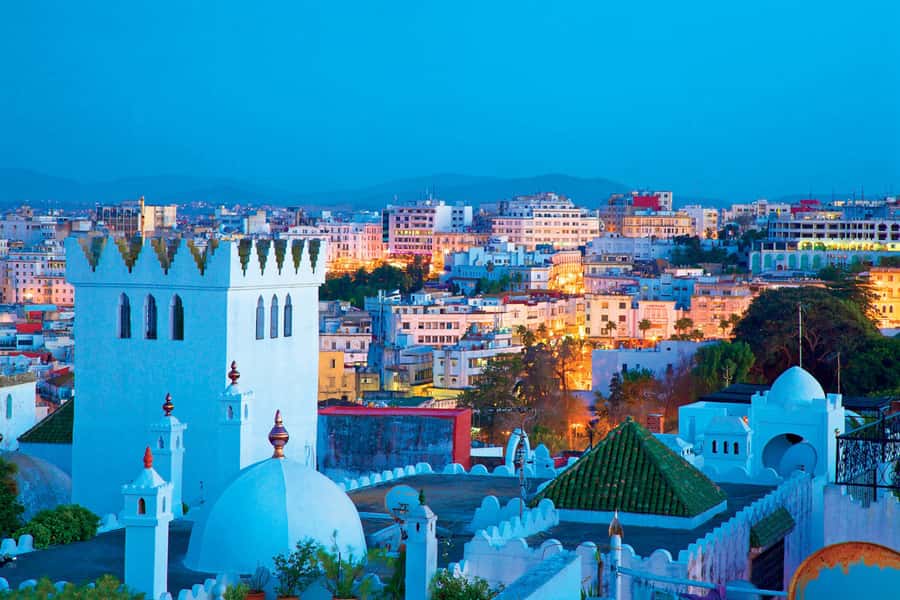
- Gibraltar Strait crossing: big views as you head toward Africa
- Tangier on foot: casbah sights, medina markets, and central squares
- Cap Spartel lighthouse (1864): a stop with a real international-history angle
- Hercules Cave: ancient cave structures that make you wonder how they were made
- Achakkar Beach camel ride option: fun add-on if you want the full sensory day
- Small group (up to 8): easier pacing and more personal attention
Seville to Tangier in one long day: the 16-hour reality
This is a full-day excursion designed for people who want Tangier without spending the night in Morocco. You start in Seville with hotel pickup, then transfer to Tarifa, catch the ferry, and end the day back in Seville. The total time is listed at 16 hours, so it’s not a relaxed “wander all day” plan. It’s more like a well-run sprint with standout stops.
The small group size (limited to 8) matters here. With fewer people, the guide can manage the pace on the streets and during museum time, and you’re less likely to feel swallowed by a large crowd. One review also singled out smooth planning and flexible guidance around individual needs, which is exactly what you want on a schedule this dependent on ferry departure windows.
If you know you dislike rushed days, this one may feel like work. But if you like a packed route with good structure—where each stop has a purpose—it can feel like a smart way to “check Tangier off” in a single day.
You can also read our reviews of more tours and experiences in Seville
Tarifa ferry and the Gibraltar Strait crossing you’ll remember
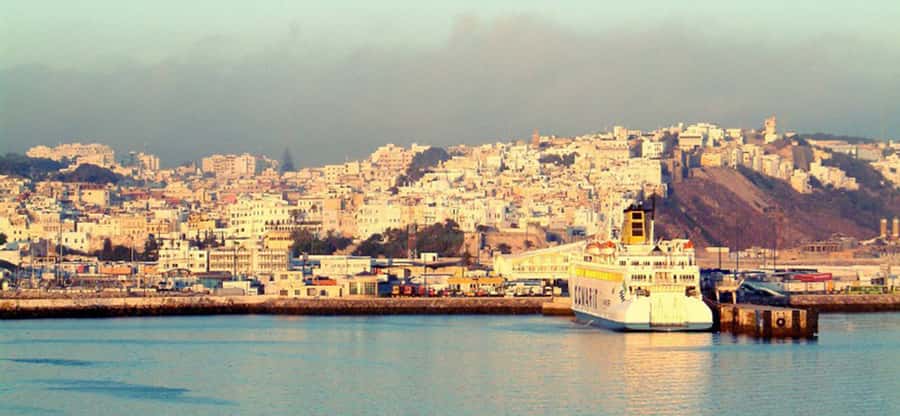
The day begins with a scenic transfer to Tarifa, the port town where you board the ferry to Tangier. The cruise is about 1 hour, and the route includes open-water views of the Mediterranean Sea and the Atlantic Ocean. There’s also a practical perk: the description notes that dolphins often appear, so you’ll want to look out when the boat is moving.
The star moment is crossing the Strait of Gibraltar. It’s one of those travel experiences that turns geography into something you can see. You’re literally switching continents in a short time window, and Tangier arrives quickly after you land. That speed is part of the value here: you lose less time and gain more sightseeing hours on the ground.
One more practical detail: the activity requires passport information in advance for ferry and immigration. That’s not the kind of thing you want to scramble about at the last minute. If your passport details are not ready, you’ll risk slowing down the process. Plan ahead.
Cap Spartel Lighthouse and Spartel Cape: the northwest Africa stop
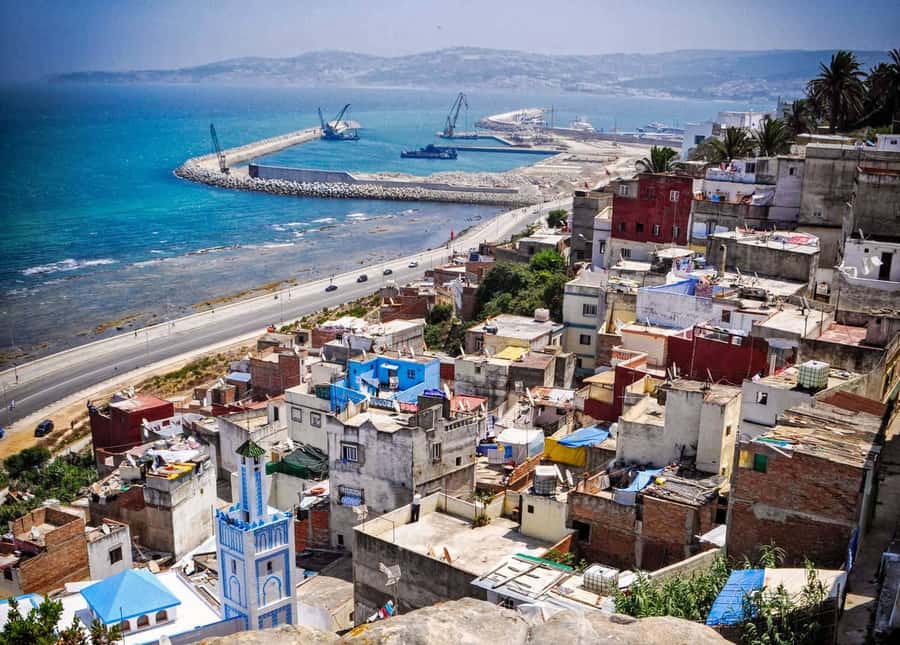
Once you arrive and finish early city viewing, the program drives along the Atlantic coastline to Cap Spartel area. This is described as the most northwestern point on the African mainland and one of the focal points for Tangier. Even if you’re not a map person, this stop helps you frame where you are in relation to Europe—and it gives you a breather between city walking.
The lighthouse at Cap Spartel is a standout detail. It was built in 1864 as part of an international agreement zone, cooperatively with nine European nations, plus the American and Moroccan governments. That adds weight to the stop. You’re not just looking at a pretty structure; you’re looking at something tied to shipping, navigation, and diplomacy. For many visitors, that kind of context makes a quick photo stop feel more meaningful.
There’s also a museum component listed for this stop (guided). That’s a good pairing with the lighthouse, because you’re more likely to connect the visuals to the story of Tangier as a crossroads.
Hercules Cave: Neolithic engineering you can actually stand beside
After Cap Spartel, you head to the Hercules Cave area. The cave dates back to the Neolithic period, and the description notes it’s partially man-made and partially natural. That blend is the point. You’re looking at a site where geology and human effort meet—without needing a lecture to understand why people have been drawn to it for ages.
The program includes a guided visit and cave entrance tickets are part of the included elements (subject to opening hours). Even if you only spend a short time inside, the logic of the stop is strong: it breaks up city time with something physical, visual, and older than almost everything else on the day.
One of my favorite aspects of this kind of stop is how it changes the way you travel. A cave isn’t just “another thing to see.” It gives you a sense of scale and effort—especially when the description points out how construction methods would have been primitive by modern standards. That detail makes the place feel even more puzzling in a good way: did they get help, or did they simply do extraordinary work with simple tools?
Achakkar Beach camel ride: fun add-on with a supplement
You’ll have the option to take a camel ride along the beaches at Achakkar. This is not included in the base price. The camel ride costs a supplement listed as €35 per person.
If you’re debating whether it’s worth it, think about what kind of traveler you are. This isn’t required to enjoy the day. But if you want Morocco to feel hands-on—something more than walking, photos, and museums—this is the one moment that adds a strong sensory memory. It also tends to be the kind of activity people talk about later because it’s different from everything else in Tangier.
One review called out that the camel ride is not to be missed, and another noted the overall walking tour wasn’t difficult. That combo matters: you don’t need to be an athletic traveler to enjoy the day’s main rhythm.





Tangier on foot: casbah, museum, and medina market time
Back in the city, the tour shifts into walking mode. You start in the casbah area, where there’s a museum connected to the sultan’s palace. The idea here is practical: you’re given a time-and-place grounding before you go deeper into the medina. The program describes the museum as a chance to understand history from prehistoric times to the 19th century. Even if you don’t catch every detail, that broad timeline helps Tangier feel like a living city rather than a set of disconnected sights.
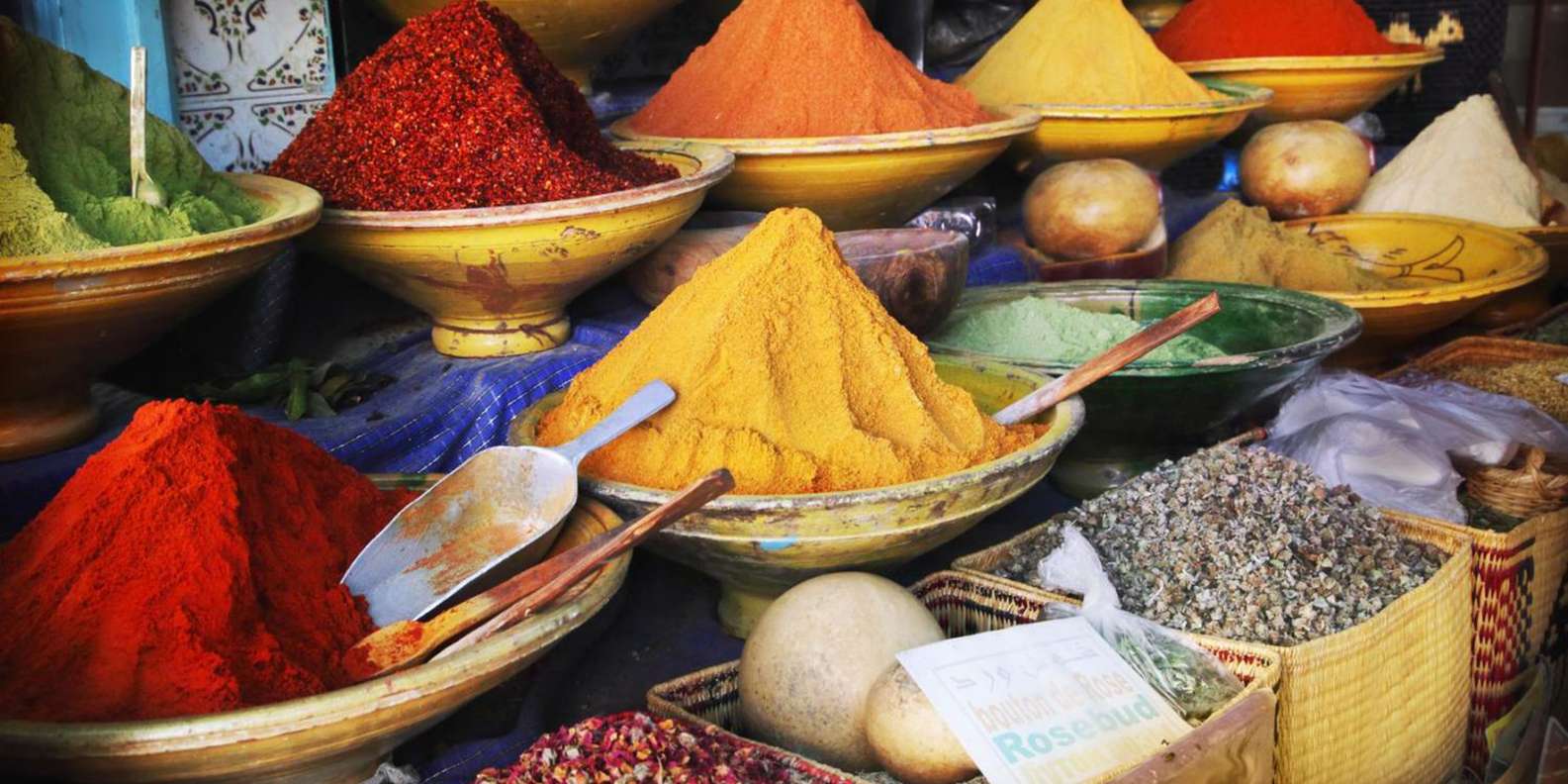
After that, you move to the medina. This is the market area, and the experience is described as a typical Moroccan market where you interact with friendly locals. There’s also a chance to visit a local bakery if the timing works. This is the kind of stop where “time spent” beats “time rushed.” You want a bit of room to look, ask questions, and get your bearings fast.
Then you’ll see more of Tangier’s city-center rhythm through photo stops and short walks:
- Dar el Makhzen (photo stop, plus a visit)
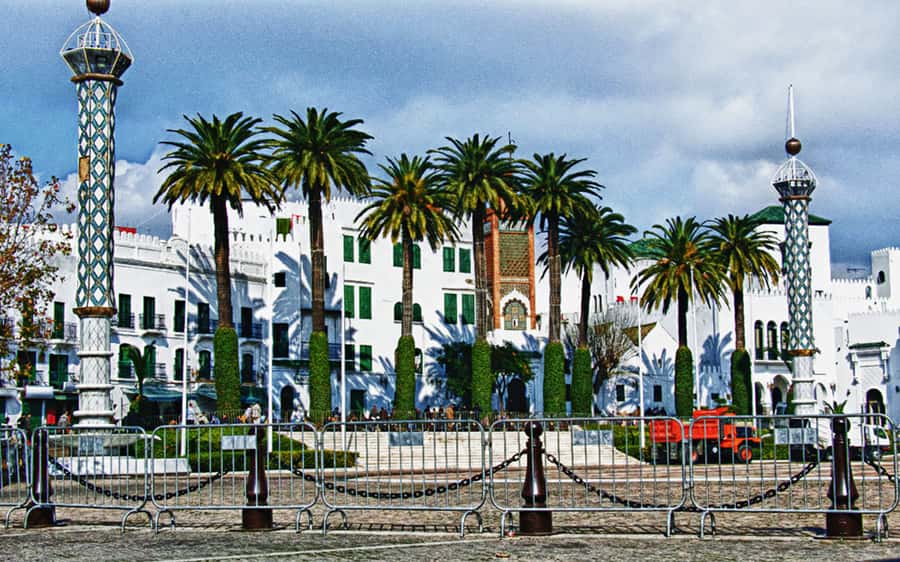
- Grand Socco (photo stop and walk)
- Place du 9 Avril 1947 (sightseeing walk)
- Grand Mosque area (photo stop and walk)
These aren’t long stays, so it’s smart to treat them as a way to understand Tangier’s layout. The walking tour in general has been described as easy, which helps if you want the “feel” of the city without grinding for hours.
Moroccan lunch and what to pay out of pocket
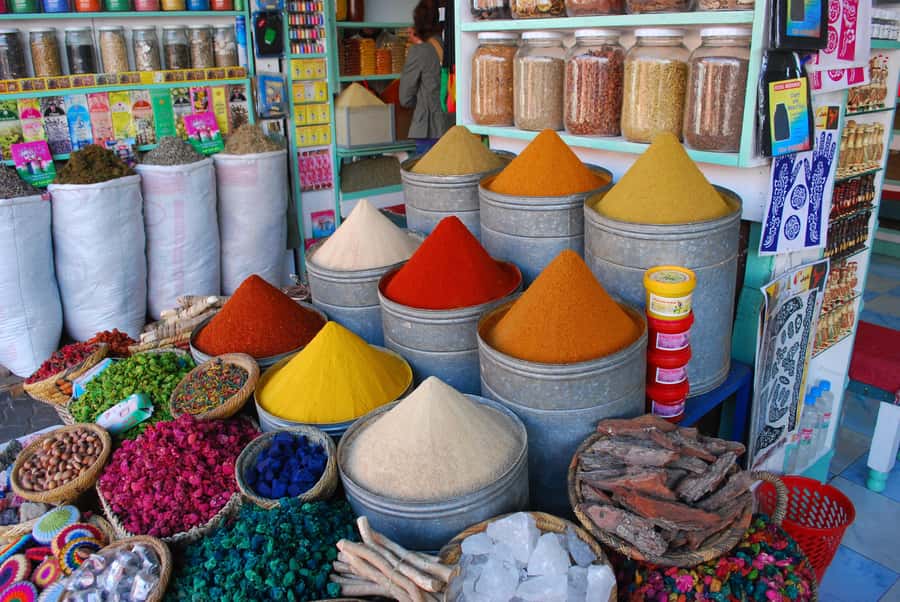
Lunch is in a traditional Moroccan restaurant. This is a paid extra: €25 per person. Drinks are not included.
The upside is that you’re eating local food during a time block built into the route, so it’s less stressful than trying to find a meal between stops with a strict day schedule. The description also emphasizes regional variety and flavorful cuisine, and at least one review mentioned the lunch tasted good.
If you want to keep the day smooth, plan for this cost early. You’ll also be in a place where it’s easy to spend money on small things—souvenirs, snacks, drinks. The program includes free time at the end, but it won’t feel like a full afternoon of wandering, so budgeting a little helps.
Price and value: what $418 includes and what costs extra
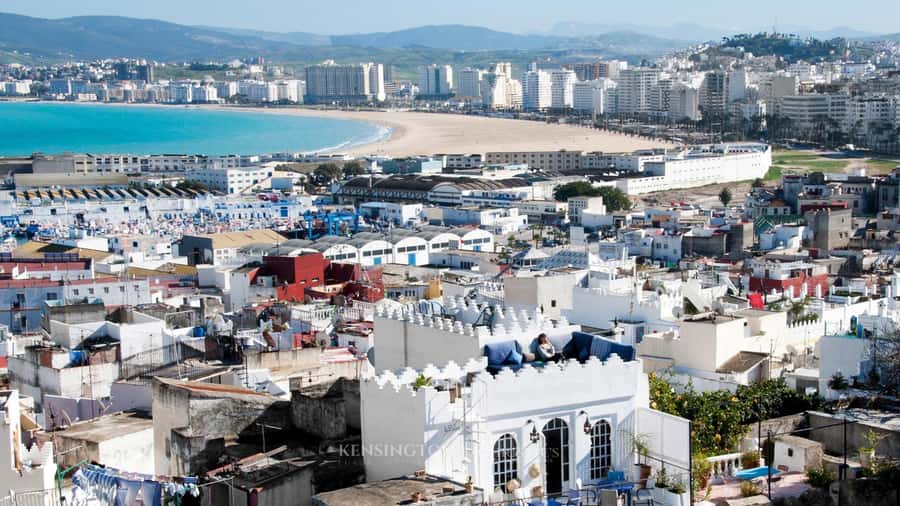
The listed price is $418 per person for the full day. What you actually get for that price is a lot of “logistics and guided structure”:
Included:
- Hotel pickup and drop-off
- Driver in Tangier
- Guided museum visit and cave entrance tickets (subject to opening hours)
Not included:
- Camel ride: €35 per person
- Roundtrip ferry tickets: local payment of €110 per person
- Traditional lunch: local payment of €25 per person
- Drinks
That means the base price mainly covers the Spain-to-Morocco logistics, plus key guided components. If you add the ferry (€110) and lunch (€25), you’re already accounting for the biggest practical expenses outside the base rate. Add the camel ride (€35) and the total extra costs rise further, but the camel ride remains optional.
So is it good value? For people who hate the hassle of planning a cross-strait day trip—timing the ferry, managing local transit, and fitting Tangier sights into one day—yes, the structure is the value. For people who want complete control and minimal extra fees, you might do better planning a self-guided version.
How pacing feels: ferry time, walking time, and free time
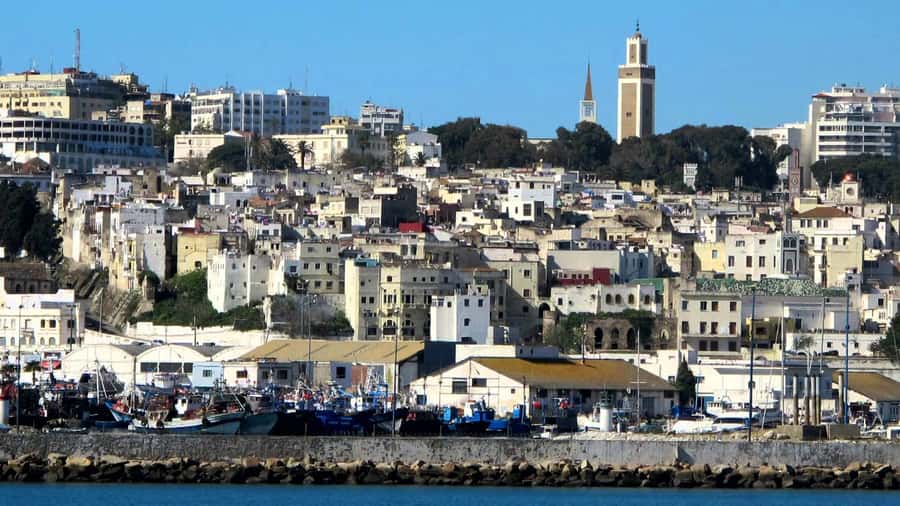
A major “feel” factor is how the day is divided. You spend time on the water (ferry), then you’re in museums and caves, then you walk. The day includes multiple city photo stops plus market time, and you also get a block of free time near the end for souvenirs, last-minute photos, or a relaxed drink.
That free time matters more than it seems. Tangier is the kind of city where you may want a second look at something you noticed earlier. It also gives you flexibility if you’re waiting for the group rhythm to catch up after museum time.
The flip side is that there’s no slack built into ferry timing. The schedule depends on getting back to Tarifa for the return ferry. If you’re the type who likes to linger at every corner, this might feel a bit of a push.
Who should book this Tangier day trip from Seville
This works best for:
- First-timers to Tangier who want a guided overview
- People who value guided museum and cave time rather than DIY wandering
- Travelers who want the Gibraltar crossing without losing a day to planning
- Small-group travelers who like a manageable pace (up to 8 people)
You might think twice if:
- You hate long days or anything that feels schedule-driven
- You want a slower, purely flexible itinerary with no ferry constraints
- You’re sensitive to the idea of extra paid items (ferry, lunch, and optionally camel)
A final note from the real-world experience shared in past bookings: the guidance quality and day flow are often praised, with comments about planning that ran like clockwork and a guide who could adjust to specific needs. That’s a big deal when you’re crossing borders and moving through a busy city.
Should you book this Seville to Tangier full-day trip?
I’d book it if you want Tangier in one day with clear structure: ferry views, Cap Spartel and lighthouse context, Hercules Cave, and a walking circuit through Tangier’s main historic and central areas. The small group size also helps you enjoy the city instead of being herded.
I’d skip it if you want a slow travel day or if you’re hoping the price includes every major cost. With ferry tickets, lunch, and the optional camel ride all listed as extra payments, your final spend will be higher than the sticker price.
If you’re okay with that and you like efficient sightseeing, this is a solid way to experience Morocco from Seville—especially if the idea of seeing Africa appear after the Strait of Gibraltar crossing is exactly your kind of travel payoff.
FAQ
How long is the Seville to Tangier day trip?
It runs for 16 hours total, with hotel pickup in Seville, ferry time to Tangier and back, and guided sightseeing in Tangier.
Are ferry tickets included in the price?
No. Roundtrip ferry tickets are not included and are paid locally (listed as €110 per person).
What parts of the day include a guide?
You’ll have a sightseeing guide and guided museum visit at Cap Spartel, plus a guided visit to the Hercules Cave. A driver in Tangier is also included.
Is lunch included?
Lunch is not included. You’ll pay locally for a traditional Moroccan restaurant lunch (listed as €25 per person).
Is the camel ride included?
No. The camel ride is optional and costs extra (listed as €35 per person).
What do I need to bring before traveling?
Bring your passport. You also need to provide full passport details at booking (name, gender, nationality, passport number, expiry date, and DOF) for ferry and immigration.