REVIEW · SEVILLE
Seville Bike Tour with Full Day Bike Rental
Book on Viator →Operated by Naturanda Turismo Ambiental · Bookable on Viator
Pedal through Seville before the heat wins. I like how this small-group guided ride moves you through the historic core without turning your day into a museum sprint, and I also love that you get a full-day bike rental after the tour to keep exploring on your own. One thing to consider: bike comfort can vary, so it pays to check that your seat and frame feel right before you head out.
You start at C. Trajano, 6 in the Casco Antiguo area and you’ll ride for about 3 hours with a local guide. The route touches classic Seville neighborhoods and landmark zones, including Triana, sites along the Guadalquivir River, Santa Cruz, and then the popular districts of La Macarena and La Alameda de Hércules. The ride is a great match if you have moderate fitness and you’re comfortable cycling through city streets.
In This Review
- Key things I’d watch for
- Starting at C. Trajano: quick logistics, real local rhythm
- Triana and Expo 1992: learning the story while you pedal
- The ride along the Guadalquivir: Torre del Oro and the river views
- Plaza de España area and María Luisa Park: making the monuments make sense
- Santa Cruz Jewish Quarter: monuments without the maze stress
- La Macarena and Alameda de Hércules: neighborhood texture and energy
- Full-day bike rental: where this tour pays off
- Bike comfort, timing, and what to check right away
- English guide expectations and how to get the most out of it
- Price and value: is $87.07 a smart buy?
- Who this Seville bike tour suits best
- Should you book it or skip it?
- FAQ
- How long is the Seville Bike Tour with Full Day Bike Rental?
- Where does the tour start?
- What time does the tour start?
- Is food or drinks included?
- What’s included in the price?
- Is the tour offered in English?
- Do I need good weather for this experience?
- What’s the cancellation policy?
Key things I’d watch for
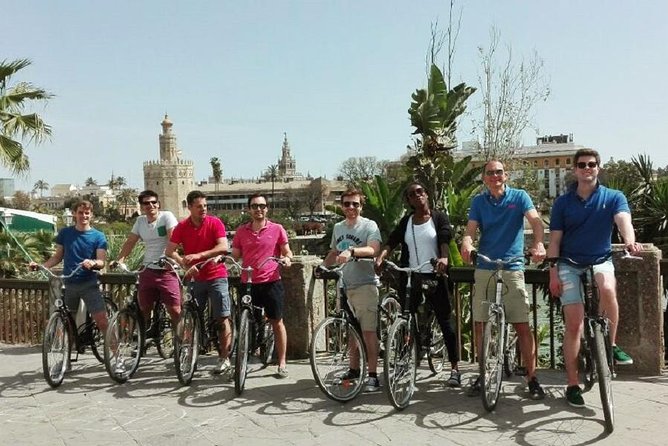
- Small-group format from C. Trajano, 6 at 12:00 pm, with the tour ending back at the meeting point
- Expo 1992 and Triana context early on, so the city stops feel less random
- Guadalquivir River landmarks like Torre del Oro, Maestranza, and stops tied to the 1929 exhibition and the Plaza de España area
- Santa Cruz Jewish Quarter stops to see the most important monuments without getting lost
- Keep the bike for the rest of the day so you can build your own afternoon plan
Starting at C. Trajano: quick logistics, real local rhythm
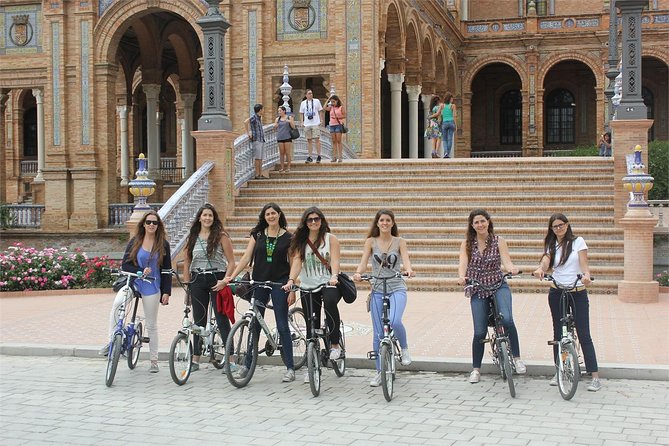
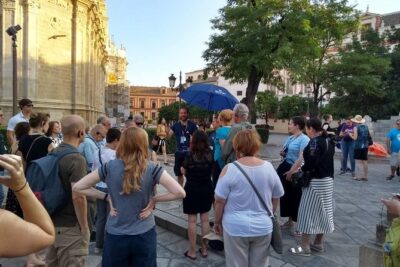
Meeting at C. Trajano, 6 (Casco Antiguo) is handy because you’re already in the thick of central Seville. You depart at 12:00 pm, and because it’s described as near public transportation, it’s easier to weave into the rest of your day if you’re using trams or buses.
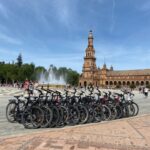
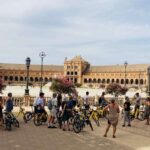
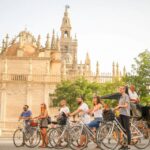
This is set up as a small-group tour, which usually means fewer people to regroup and a better chance that the guide can keep things moving at a human pace. You’ll also get a padlock and some accessories, so you’re not scrambling to secure your bike when you stop for photos or viewpoints.
One practical tip: make a quick bike-fit check before you roll. Even though there are bicycles of different types to choose from, your comfort comes down to whether the bike matches your body. If something feels off, speak up early—mid-ride adjustments are a hassle.
You can also read our reviews of more cycling tours in Seville
Triana and Expo 1992: learning the story while you pedal
The tour begins by riding out through ancient streets, and the guide focuses on connections that help you understand what you’re looking at. Early highlights include Expo 1992 and Triana, which matters because Triana isn’t just a neighborhood name—it’s a lived-in identity with its own feel and history.
As you glide through the historic centre, you’ll also get guidance on how to spot what makes Seville distinct: the way districts “turn” into each other, and how the city’s layout shapes daily life. This is the kind of context that makes later self-guided exploring much easier, because you’re not just ticking off sights—you’re learning how the city’s geography and eras link together.
The bike format helps here. Walking the same streets all at once can tire you before the best viewpoints, and cycling keeps your energy for the stops and the river stretch ahead.
The ride along the Guadalquivir: Torre del Oro and the river views
After the center-to-river transition, the route shifts toward major sights clustered along the Guadalquivir River. You’ll hear about and see places such as Maestranza, plus the Torre del Oro, which is one of those landmarks you recognize instantly once you’re close.
This river section is valuable because Seville’s “big picture” becomes clearer. Standing in the right spot, you can connect how the city faces the water and how key cultural and event spaces sit near the river corridor.
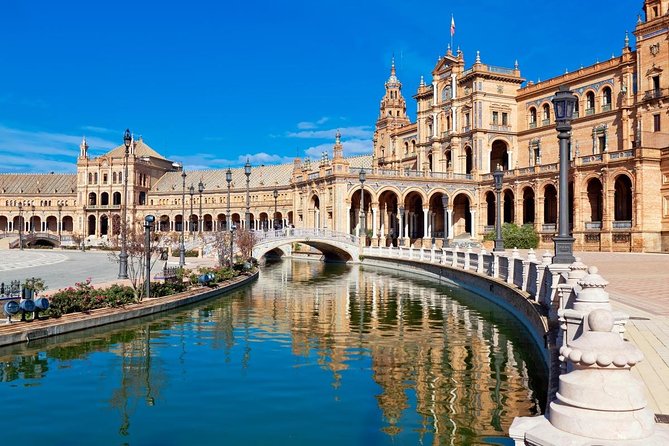
You’ll also encounter references tied to the Seville exhibition of 1929, described as part of the Plaza de España area. Even if you’re not spending hours inside every building, that framing adds meaning to what you see outside—especially when you’re later exploring parks and architectural landmarks on your own.
Don’t rush the views here. This part of the tour is where it’s easiest to slow down for skyline photos and to notice the river’s curve and the spacing between major sites. Bikes help, but your eyes still need a moment.
Plaza de España area and María Luisa Park: making the monuments make sense
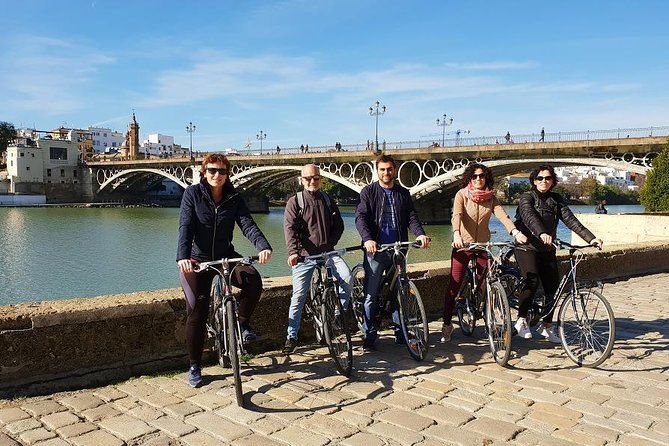
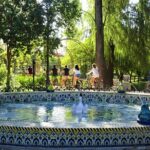
Your itinerary includes the Seville exhibition of 1929 connection and continues toward María Luisa Park, which is one of the city’s best “exhale zones.” Even in a short guided segment, these stops work because the guide ties them back to the story of Seville’s modern growth and long-running pageantry.
María Luisa Park is especially useful after you’ve already been cycling through tighter historic streets. It gives you a break from brick walls and narrow lanes, and it can reset your energy for the neighborhoods that come next.
If you’re the type who likes to understand what you’re seeing, this section tends to deliver. You’ll come away with better mental markers for where you are, which makes it easier to keep riding after the official tour ends.
Santa Cruz Jewish Quarter: monuments without the maze stress
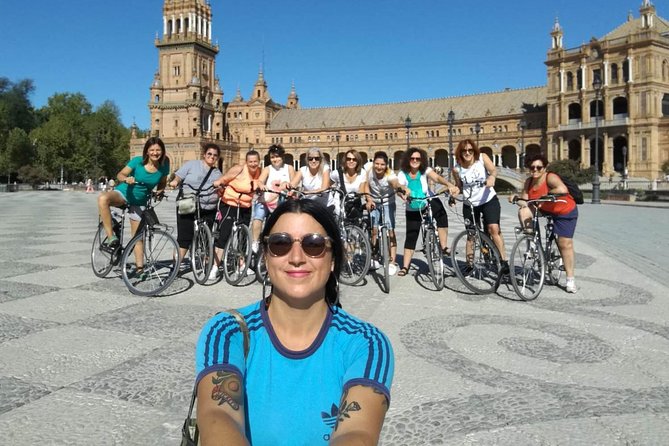
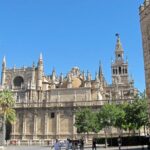
Next up is the Santa Cruz Jewish Quarter. The tour is described as stopping at the most important monuments there, which is exactly what you want in a place famous for both beauty and confusing streets.
Cycling through is great, but the real value is in the guide’s ability to prioritize. Instead of wandering until you find the sites that match your interests, you get directed stops, so your time goes toward the monuments that matter most.
This is also where the tour’s “guided plus free time” design starts paying off. When you later roam on your own with the bike, you’ll recognize what you saw earlier and you’ll be more confident about which turns lead to the good viewpoints.
One small consideration: you’re still on a bike. If you prefer long, slow, mostly walking sightseeing, you might want to plan extra time later on for places you want to revisit.
You can also read our reviews of more tours and experiences in Seville




La Macarena and Alameda de Hércules: neighborhood texture and energy
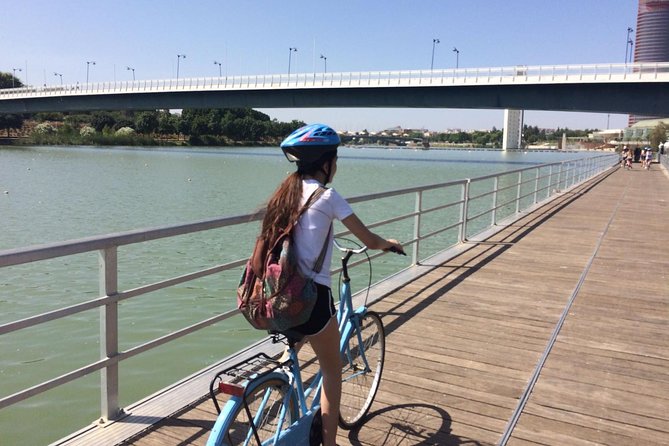
After Santa Cruz, the route finishes by touring popular neighborhoods including La Macarena and La Alameda de Hércules. This is a smart endgame because it shifts from “monuments” into “everyday Seville.”
Neighborhood rides like this help you understand the city beyond postcard highlights. You get a feel for street life, local rhythm, and the character of blocks that you might not pick on your own unless you knew where to look.
Alameda de Hércules is especially useful as a last stop because it’s the kind of area where you can keep exploring once the guided portion ends. Even if your afternoon plan is flexible, you’re positioned well to go in multiple directions.
The tour ends back at the meeting point, which keeps things tidy and predictable.
Full-day bike rental: where this tour pays off
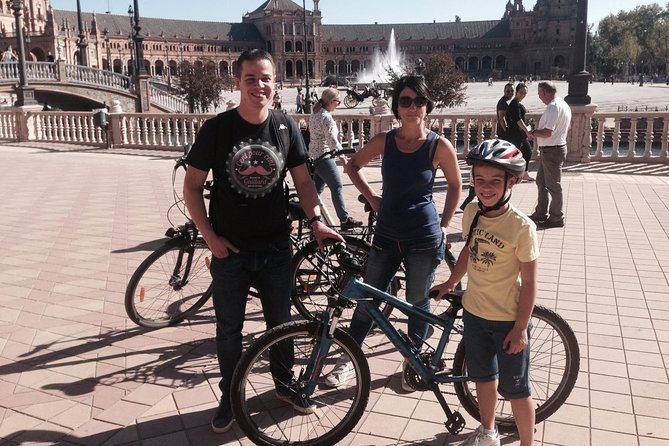
Here’s the best practical perk: after the guided tour, you can use the bike during the rest of the day at no extra cost. That turns a 3-hour guided experience into a longer, more personalized sightseeing window.
For you, that means you can handle Seville like a choose-your-own-adventure city. Want a second pass at a viewpoint you enjoyed? You can. Want to pop into a neighborhood that felt promising? You can. This also helps if you’re traveling with someone who wants to slow down—your guided portion gets the orientation, and your rental gives you freedom after.
Just be smart about planning. Bring water, wear comfortable shoes, and keep an eye on fatigue, especially if you add extra stops after the tour. Also, confirm with the staff what the rental expectation is for the day—how long you can keep the bike and what return instructions apply—so there are no surprises.
Bike comfort, timing, and what to check right away
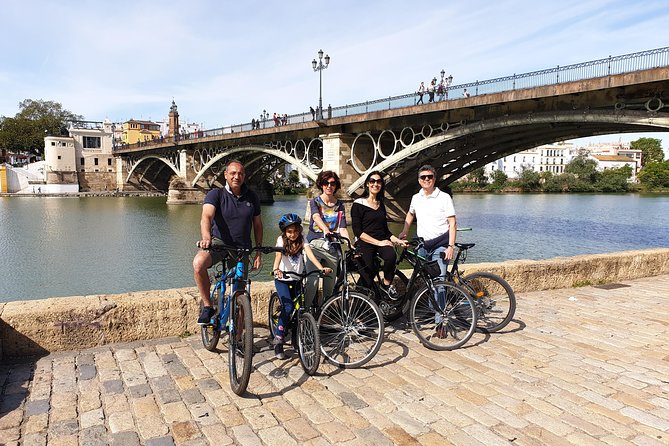
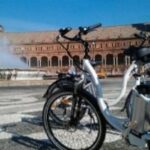
Seville’s streets can be a mix of smooth patches and uneven surfaces. That makes bike comfort not a minor detail. The tour includes bicycles of different types, which is a big plus because it gives you options, but you still need to match the bike to your body.
One caution from real-world experiences: some people ended up uncomfortable due to seat fit, including a situation where a seat became unstable mid-ride. That’s why I’d treat your first minute on the bike as a checklist moment: test the seat height, stability, and your reach to the handlebars before you leave the starting area.
Timing is another thing to watch. The tour is described as about 3 hours, but if you have firm plans right after, build in a buffer. When a ride runs shorter than expected, your best move is to use that free time wisely—since you still have the bike afterward in most cases.
If you’re sensitive to schedule changes, keep your afternoon flexible. Weather also matters; this experience is described as requiring good weather, and poor conditions can trigger a reschedule or a full refund.
English guide expectations and how to get the most out of it
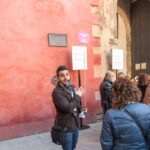
The tour is offered in English, and the guide experience seems to vary by person and language strength. In general, I’d assume you’ll get solid storytelling and route guidance, but you might find some guides more comfortable with detail and explanations than others.
To get the most out of the ride, ask one or two questions at the start. If you care about Triana’s character or the Expo 1992 story, say so early. If you want practical photo tips, ask about where to stop and when to look for the best river views.
This matters because the tour’s power isn’t just the route—it’s the context that turns sights into a coherent day plan.
Price and value: is $87.07 a smart buy?
At $87.07 per person, you’re paying for a guided small-group ride plus a bike you can keep for the rest of the day. That’s the value equation: you’re not just buying transportation, you’re buying orientation and storytelling for 3 hours, then buying time and flexibility for the afternoon.
You also get a professional local guide, padlock and some accessories, and group handling that tends to reduce guesswork in a city that can feel like a maze if you’re walking without a plan.
What you don’t get: food and drinks. So budget for a snack or a drink on your own, especially if you’re planning to extend the ride into the later afternoon.
For me, the best value angle is the combo: guided route first, then independent riding when your interests are clearer. If that style fits your travel rhythm, the price makes sense.
Who this Seville bike tour suits best
This is a strong pick if you want a guided overview that lands you in the right districts fast, without spending all day searching for where to go next. It’s also ideal if you like bikes as a practical tool for covering ground and you can handle a city ride with a moderate fitness level.
It’s also a good option for couples and small groups who want both structure and freedom. You can do the guided portion together, then split or slow down after, using the bike time to follow your own interests.
Kids can join, but they must be accompanied by an adult. If you’re traveling with children, confirm the right bike type and make sure everyone stays comfortable and controlled from the start.
If you’re the kind of traveler who needs highly predictable timing and zero schedule friction, you’ll want a little margin in your day plan. Weather requirements and real-world bike logistics can matter.
Should you book it or skip it?
Book it if you want an efficient way to see Seville’s big highlights—Triana, river landmarks like Torre del Oro, Santa Cruz, and the neighborhood texture of La Macarena and Alameda de Hércules—then keep riding afterward using the full-day bike rental.
Consider booking something else (or at least going in with eyes open) if bike fit is a dealbreaker for you or if you have very tight plans right after noon. The experience depends on bike comfort and the guide’s ability to explain at your preferred pace, so start with a fit check and ask questions early.
Overall, it’s a good value for people who like to learn as they move, then roam after.
FAQ
How long is the Seville Bike Tour with Full Day Bike Rental?
The guided tour is about 3 hours.
Where does the tour start?
The meeting point is at C. Trajano, 6, Casco Antiguo, 41002 Sevilla, Spain.
What time does the tour start?
The start time is 12:00 pm.
Is food or drinks included?
No. Food and drinks are not included.
What’s included in the price?
Included items are a professional local guide, use of the bicycle during the day after the tour (optional), a padlock and some accessories, and a small group guided tour.
Is the tour offered in English?
Yes, it is offered in English.
Do I need good weather for this experience?
Yes. The experience requires good weather, and if it’s canceled due to poor weather, you’ll be offered a different date or a full refund.
What’s the cancellation policy?
Free cancellation is available. You can cancel up to 24 hours in advance for a full refund.