REVIEW · SEVILLE
Italica, city of emperors
Book on GetYourGuide →Operated by María de la Paz González Vázquez · Bookable on GetYourGuide
Emperors left a paper trail in stone. Italica is one of those places where the Roman world feels close-up, not distant, with Trajan and Hadrian connected to what you see on the ground. You’ll walk through the archaeological enclosure with a live Spanish guide, turning ruins into a clear story.
What I like most is the guided focus: you get a planned route through mansions, public buildings, and key structures instead of wandering around hoping it all clicks. The other standout is the amphitheater, famous in Roman terms and also linked to a Game of Thrones filming reference tied to rest areas after visits.
One thing to consider: the tour is Spanish only, and the overall cost can be higher if you need the monument ticket yourself (EU entry is free, non-EU entry isn’t included).
In This Review
- Key highlights to look for
- Why Italica matters: veterans, emperors, and a Roman city in your hands
- Before you start: meeting at the entrance with a red flag
- Step into Roman domestic life: domus and the feeling of a planned city
- Public buildings you’ll actually remember: theaters, baths, and power
- The amphitheater: Roman scale, second-largest claim, and a Game of Thrones reference
- Transport and timing: how a 1.5-hour tour keeps value high
- Price and tickets: when $15 becomes more (and when it stays fair)
- The guide makes the difference: what María de la Paz González Vázquez does well
- Who this Italica tour is best for
- Should you book this Italica tour?
Key highlights to look for
- A 120-minute guided circuit inside the archaeological enclosure, built for a clear introduction
- Emperor connections through the city’s rise under Trajan and Hadrian
- Game of Thrones filming reference tied to the amphitheater area
- Daily-life buildings such as large hot springs and grand domus
- María de la Paz González Vázquez-led storytelling, praised for clarity and enthusiasm
Why Italica matters: veterans, emperors, and a Roman city in your hands
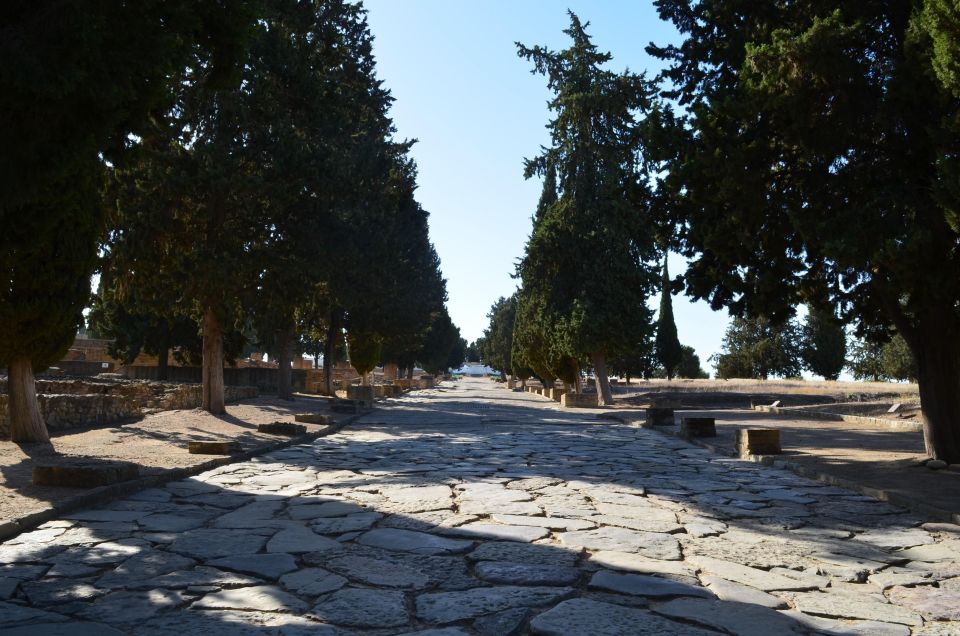
Italica is in Andalusia, and it’s big on one theme: how a Roman settlement became an imperial showcase. The city was founded in 206 B.C. as a Roman base for veterans after the Second Punic War against the Carthaginians, with troops associated with the African Scipio. That origin matters, because it explains why the town has a real mix of practical settlement life and later “we’ve arrived” monument building.
Then the city gets elevated by its role in the rise of the Betic emperors, especially Trajan and Hadrian. These rulers didn’t just rule from afar; they helped give Italica its splendor, with more grand residences (domus) and major public works.
When you walk Italica with a guide, this timeline becomes the map. Instead of treating each ruin as a random pile of stone, you’ll understand the “why” behind it—why people built here, why they stayed, and why the city eventually deserved an amphitheater on a Roman scale.
You can also read our reviews of more city tours in Seville



Before you start: meeting at the entrance with a red flag
You’ll meet at the Conjunto Arqueológico de Itálica. The meeting point is practical: look for a guide with a red flag at the entrance to the archaeological team.
This matters more than it sounds. Italica is an archaeological enclosure, so being lined up early saves time and keeps you from getting separated before the guide starts the story. Also, since the tour is in Spanish, getting oriented at the start helps you catch the key names and terms your guide uses.
If you’re someone who likes to know the plan before you step inside, this tour’s structure helps. It’s about 1.5 hours total, so you’re not trying to absorb everything alone for half a day.
Step into Roman domestic life: domus and the feeling of a planned city
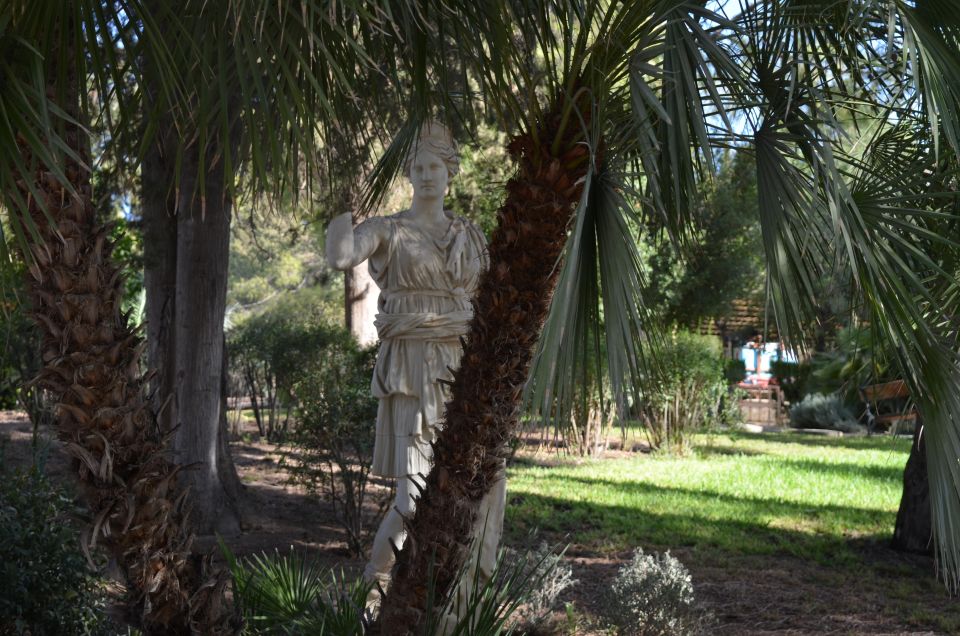
The guided portion takes place inside the archaeological enclosure, and the tour is designed to move you through the city’s main “parts.” You’ll hear how Italica was built up from a veteran settlement into a city with impressive private homes and public spaces.
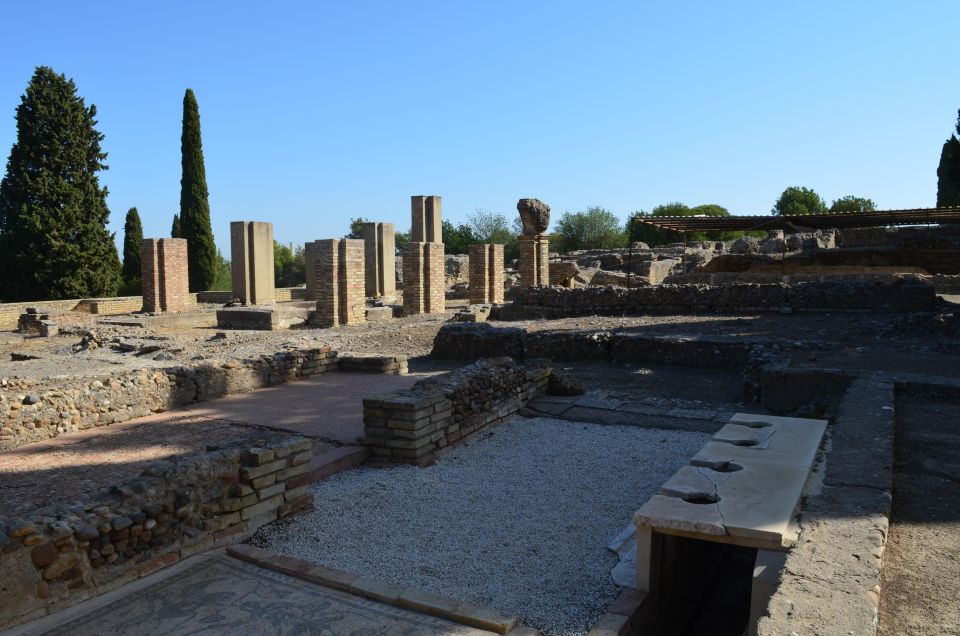
The domus topic is one of the best uses of your time on a short tour. Roman houses weren’t just stylish; they were a display of status, organization, and daily routine. On a guided visit, the ruins stop being abstract. You start noticing how spaces connect, how a “home” becomes a political statement, and how the layout reflects how Romans lived.
You’ll also connect those domestic spaces to the broader city plan. Italica wasn’t random growth; it became a more organized, monumental place as it gained importance. The guide’s job is to keep that big picture in your head while you look at specific buildings.
A possible drawback of a guided focus like this: you won’t have unlimited time to wander slowly on your own. If you’re the type who loves stopping every 30 seconds for photos, you might feel a bit time-limited. Still, for 90 minutes, the structure is exactly what makes the site easier to understand.
Public buildings you’ll actually remember: theaters, baths, and power
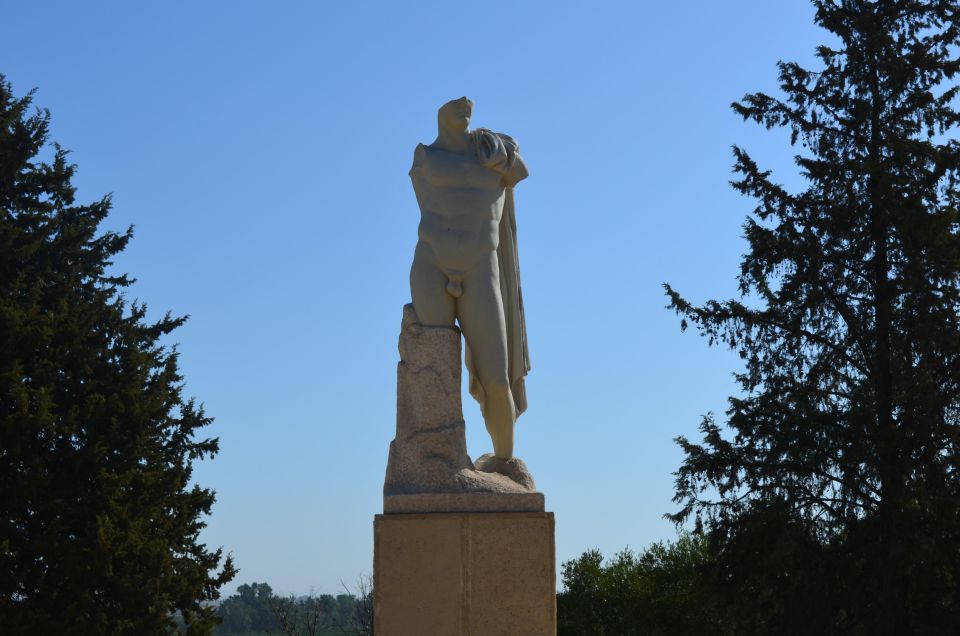
Italica isn’t only famous for one structure. The city was known for major public works, and your guide points out how those buildings show what Romans valued: gathering, spectacle, comfort, and civic pride.
One highlight is the mention of large hot springs. Roman baths weren’t just for washing. They were social hubs and a sign of investment. When you hear about the size and importance of hot-spring facilities here, it gives context to why the city later gained attention from high-ranking Romans.
Expect the tour to connect private luxury (domus) to public luxury (major structures). That link is valuable because it explains how an emperor-level city kept people engaged, impressed, and loyal. If you’ve ever visited a ruin where everything feels disconnected, a short guided route through both domestic and public buildings makes Italica much easier to “hold” in your mind.
The lesson I’d carry into your own visit: look for patterns. Even when you can’t see every original detail, you can often spot how the Romans wanted movement, crowding, and ceremony to happen in specific spaces.
The amphitheater: Roman scale, second-largest claim, and a Game of Thrones reference
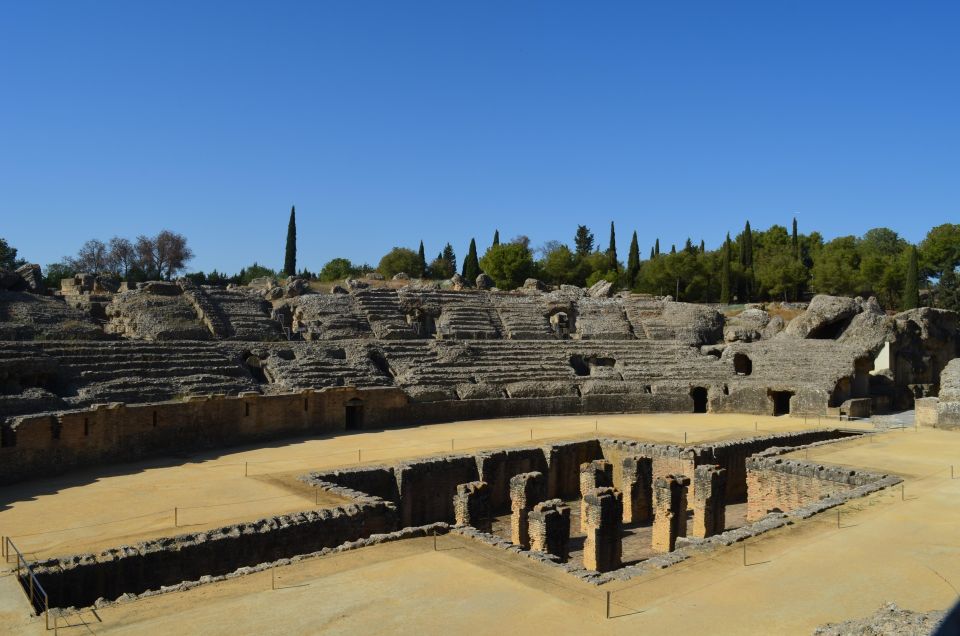
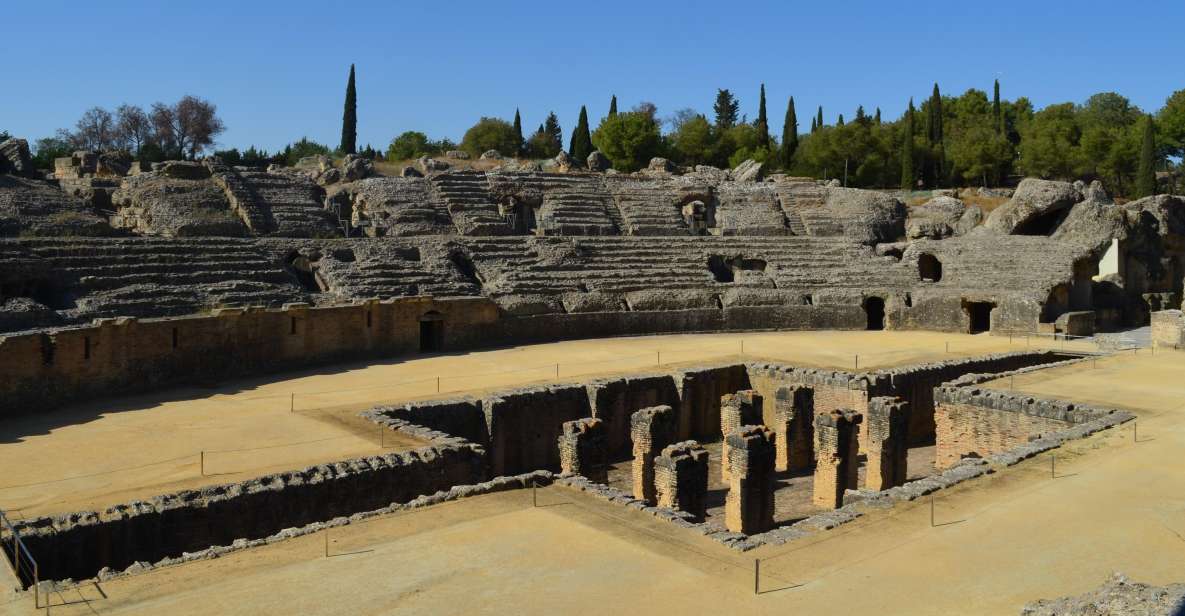
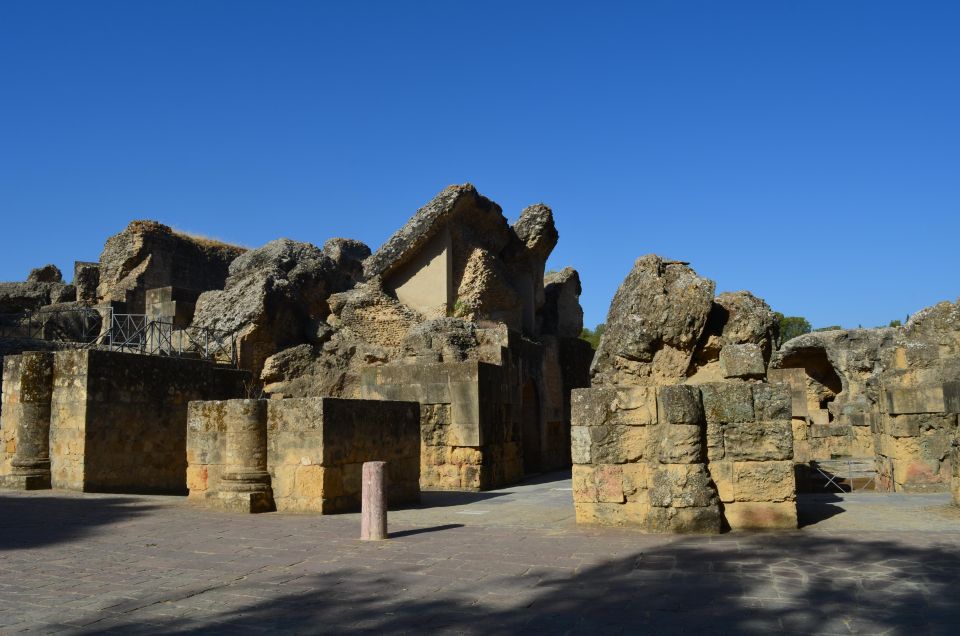
Now for the moment most people come for: the great amphitheater. This is where Italica shifts from “interesting archaeology” to something you can feel in your body.
Here’s the Roman bragging right you’ll hear during the tour: research has identified this amphitheater as the second largest in the Roman Empire, only behind the Colosseum in Rome. That’s not a small detail. It changes how you should interpret the space. This wasn’t a minor venue; it was built for major events on a big stage.
And yes, there’s a pop-culture connection. The tour specifically points to where Game of Thrones reportedly used Merenderos as a resting area after a visit. Even if you’re not hunting filming locations, this adds a fun layer. It helps the site feel familiar, and it gives you a reason to look at seating and access routes with more attention.
A practical note: amphitheaters are big. On a short guided tour, you’ll likely get a concentrated explanation rather than a slow, step-by-step study of every corner. Still, the guide’s job is to help you understand what you’re seeing: where crowds would sit, how the building supported spectacle, and why the setting was chosen.





Transport and timing: how a 1.5-hour tour keeps value high
This experience is priced at $15 per person and lasts about 120 minutes. For a site like Italica, that’s a realistic length: long enough for key context, short enough that you won’t burn your entire day wrestling with ruins alone.
The tour also includes transport to the old Roman city of Italica. Even without knowing every route detail, the value is clear: you spend less mental energy on how to get there and more on seeing what’s important once you arrive.
Timing also matters because Italica is best when you know the story while you look. With a guided tour, you get that “now I understand” feeling while buildings are still in front of you. That’s why a compact schedule is often the smarter buy for first-time visitors.
So here’s the value equation I’d use: you’re paying for interpretation. Ruins are powerful, but interpretation is what turns them into understanding. At this price point, you’re getting a structured explanation that saves you from doing guesswork.
Price and tickets: when $15 becomes more (and when it stays fair)
The headline cost is $15 per person, which is solid for a live guided visit. But ticket rules can change what you actually pay.
If you’re an EU citizen, the entrance to the monument is free. If you’re visiting from outside the EU, entrance to the Conjunto Arqueológico isn’t included, so you should expect to budget for the ticket separately.
That affects value, but not necessarily in a bad way. Even with an extra entrance cost, you’re still buying a guide-led walkthrough of major elements—domus, public buildings, hot springs mention, and the amphitheater. For first-timers, that bundle often feels more efficient than paying for access and then trying to create meaning on your own.
My practical advice: before you book, check your own nationality and ticket rules so you can judge the real total. Then decide based on whether you want the guide’s storytelling versus self-guided time.
The guide makes the difference: what María de la Paz González Vázquez does well
This tour is led by María de la Paz González Vázquez, and the feedback pattern is consistent: people credit the guide for clarity, enthusiasm, and good pacing.
You’ll see praise for the way the explanation stays organized and the duration feels right. One comment highlights that the guide mastered the subject and that the tour lasted an adequate amount of time. Another calls the experience wonderful and emphasizes the passion behind the teaching. Others focus on how clear and interesting the explanations were, and one even notes the visit and the explanations as a perfect score.
Even if you’re not fluent in Spanish, this kind of guide quality matters because it helps you follow the story as you move. Clear explanations act like subtitles for your eyes. You learn which building matters first, which emperor connection to listen for, and why the amphitheater is the big finish.
There’s also a note in the feedback about an Alejandro being an excellent guide, which suggests the experience may sometimes be delivered by different guides. That said, the official guide named for the activity is María de la Paz, so I’d expect her approach to be the baseline.
Who this Italica tour is best for
This is a smart choice if you want a first introduction to Roman Italica without spending hours figuring things out yourself. The format fits all audiences, and it’s especially good for:
- People who like guided context and want names, dates, and purpose tied to what they’re seeing
- History-minded visitors who want a focused dose of Roman city life—homes, baths, and spectacle
- Game of Thrones fans who want a real-world amphitheater stop with a filming reference attached
It may be less ideal if you’re the type who prefers wandering freely for long stretches, taking dozens of slow detours, and reading every panel at your own pace. With 1.5 hours, you’ll get the main points, not an all-day archaeological study.
Should you book this Italica tour?
Yes—if you want a clear, guided route through one of Andalusia’s most important Roman sites. The price is fair for the time on site, and the guide-led format is where the value lives: you leave understanding why Italica grew, why it mattered to Trajan and Hadrian, and why the amphitheater is such a major piece of the puzzle.
Book it if Spanish explanations work for you and if you’re comfortable treating this as an introduction rather than a deep, self-directed archaeology marathon. If you’re outside the EU, do the quick math for the monument ticket so there are no surprises.
If you want, tell me your travel dates and whether you’re an EU citizen. I can help you estimate the real total cost and decide if the 1.5-hour pace fits your style.