REVIEW · SEVILLE
Private hald day tour to the historic roman city of Italica
Book on Viator →Operated by Naturanda Turismo Ambiental · Bookable on Viator
Trajan and Hadrian get real fast. This private half-day takes you to Italica, the birthplace of two emperors, where the mosaics and amphitheatre make Roman life feel tangible, then you shift gears to the Gothic and Mudejar monastery at San Isidoro del Campo. One thing to weigh: the sites are outdoors and the tour is weather-dependent, so plan for some uneven ground and bring layers.
What I like most is how the experience turns ruins into a place you can picture, thanks to guides such as Jesus, Jose, Miguel, Nieves, and Alberto, who use clear storytelling and strong context. You also get an easy flow for a short trip: pickup from your hotel area, admission included at both stops, and only your group on the private tour—so you can ask questions without racing the crowd.
In This Review
- Key highlights you should care about
- Why Italica Makes a Great Half-Day Break from Seville
- Meeting Your Guide: Pickup from Your Stay
- Stop 1: Anfiteatro de Italica, Mosaics, and the Power of Two Emperors
- A gentle note on pacing
- Stop 1 Bonus: The Medieval Monastery Feeling at Italica
- Stop 2: San Isidoro del Campo and the Gothic Meets Mudejar Effect
- What to expect in an hour
- Price and Logistics: Is $93.71 Good Value?
- Comfort, Timing, and Weather: The Real-World Stuff
- A smart packing checklist
- Who This Private Tour Fits Best
- Should You Book This Tour?
- FAQ
- FAQ
- Is pickup included?
- How long is the tour?
- What language is the tour offered in?
- What are the main stops?
- Are admission tickets included?
- Is this a private tour?
- Is there free cancellation?
- What happens if the weather is poor?
Key highlights you should care about
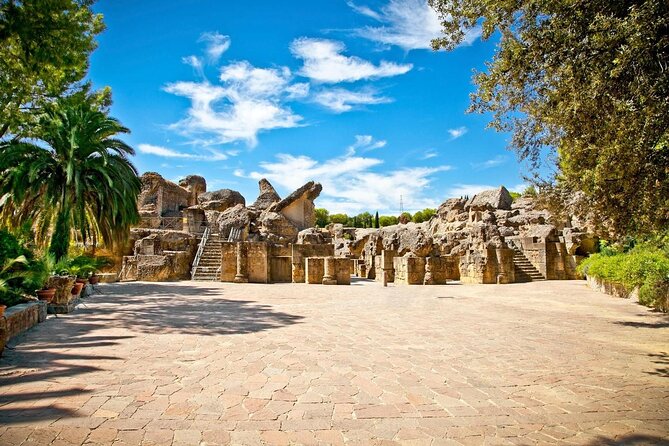
- Roman emperors’ birthplace in Italica with time focused on the standout remains
- Anfiteatro de Italica plus mosaics that help explain everyday Roman life
- San Isidoro del Campo where Gothic and Mudejar style meet in one fortress-monastery
- English-speaking private guide with strong explanations and question time
- Two admission tickets included, so you avoid add-on surprises
Why Italica Makes a Great Half-Day Break from Seville
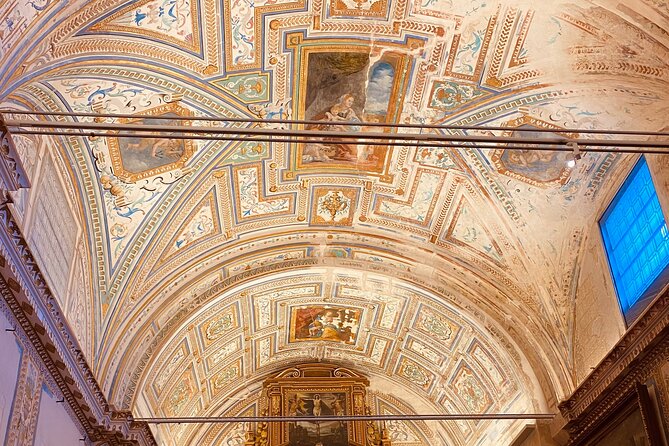
Italica is not the kind of Roman site that feels like a quick photo stop. Even with just a few hours, you can connect the dots between power, daily routines, and how a Roman city was laid out and built to last.
The real win here is that Italica was the birthplace of Trajan and Hadrian, so you’re not just looking at old stones. You’re standing in a setting tied to people who shaped an empire—and your guide can anchor what you see to the bigger story of Roman society. If you like history that has names and cause-and-effect, this tour fits.
And because the day pairs Italica with San Isidoro del Campo, you get a second kind of “layering” to notice: Roman ruins on one side, then a monastery built in Gothic and Mudejar styles that reflects later eras in southern Spain. That contrast is a nice way to spend limited time.
You can also read our reviews of more city tours in Seville



Meeting Your Guide: Pickup from Your Stay
This is built around convenience. Pickup is offered, and you just tell the operator where you’re staying so they can confirm the exact pick-up time and place.
That matters in Seville, because it’s easy to lose an hour figuring out logistics. With pickup handled, you can use your four hours on site, not on transport wrangling. It’s also private, so your guide works only with your group—no squeezing in with strangers.
A small practical plus: you get a mobile ticket, which keeps things simple the day of the tour.
Stop 1: Anfiteatro de Italica, Mosaics, and the Power of Two Emperors
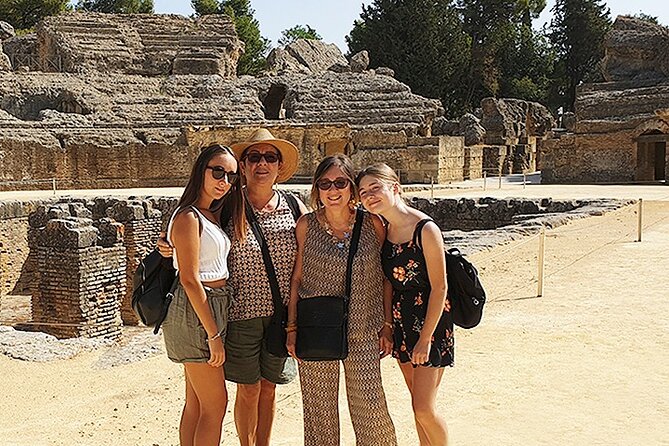
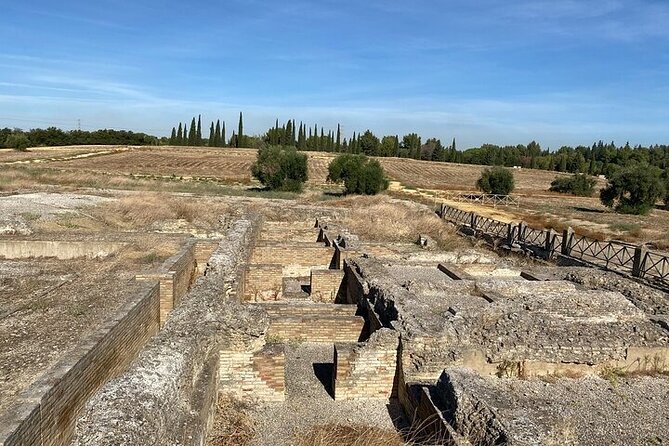
You start at Anfiteatro de Italica, and you get about 2 hours here with an admission ticket included. This is the heart of the experience.
First, look at the amphitheatre with two questions in mind: Who used this place, and how did Roman engineering make it work? An amphitheatre wasn’t just entertainment. It was civic identity—part spectacle, part status display. In a good guided visit, you’ll see how that changes the way you interpret the stones.
Next comes the mosaics. Italica is famous for mosaic work, and mosaics are where Roman daily life becomes specific. They often act like visual shorthand: you can learn what people valued, what they wanted to show guests, and how art and wealth could communicate together. Your guide’s explanations are the difference between seeing patterns and understanding meaning.
This is also where the “Trajan and Hadrian” angle becomes more than a trivia line. If your guide is strong—as several past guides on this route have been—then you’ll connect what you’re seeing to Roman social customs and the way cities developed around elite families. Guides named Jesus, Jose, Miguel, Nacho, and Alberto have been praised for turning Italica into a story people can follow.
A gentle note on pacing
Two hours at Italica is a solid chunk, but it’s not a slow stroll through every corner. If you’re the type who wants to linger over details longer than a typical tour, consider that you’ll likely have to prioritize. The good news: a private format lets you steer the pace more than a group bus tour.
Stop 1 Bonus: The Medieval Monastery Feeling at Italica
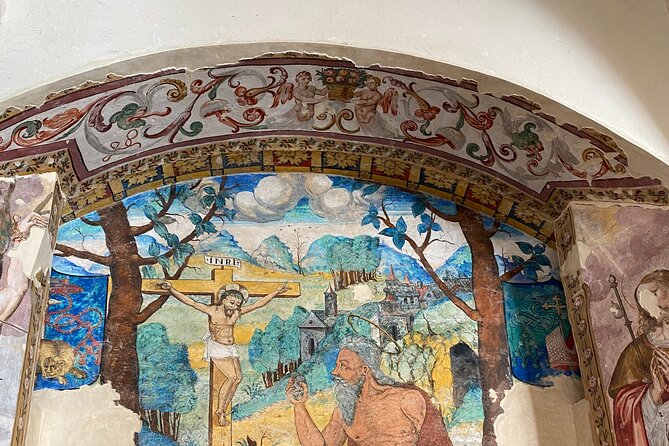
One reason I like this particular pairing of sights is that Italica isn’t only a Roman textbook page. The itinerary also mentions a medieval monastery presence during the Italica visit.
That’s worth your attention because it tells you something important: ruins didn’t just sit untouched. Over centuries, people adapted places, re-used spaces, and layered new meanings on top of older ones. Even if you don’t become an architecture nerd, you’ll start noticing how time shows up in the built environment.
With a guide who talks through context, these mixed-era moments stop feeling confusing. Instead, they become a clue about settlement, survival, and what the landscape allowed people to do later.
You can also read our reviews of more private tours in Seville





Stop 2: San Isidoro del Campo and the Gothic Meets Mudejar Effect
After Italica, you head to Monasterio de San Isidoro del Campo, where you spend about 1 hour. Admission is included again, so you don’t have to budget extra money at the door.
This stop is all about architecture and atmosphere. The monastery is described as a unique fortress monastery blending Gothic and Mudejar styles. That combination is a big deal in this part of Spain, and seeing it in person helps you understand why the region’s history can’t be reduced to one label.
Gothic style tends to signal vertical emphasis and a certain formal structure, while Mudejar references are tied to craft traditions and stylistic choices that reflect the cultural mixing of later periods in Iberia. When your guide points out the contrasts, the monastery starts to read like a conversation between eras rather than a single “look.”
Past guide notes highlight strong explanation during the San Isidoro del Campo portion too. Nieves is mentioned for explaining in both English and Spanish, and Jose Luis is praised for making the explanations flow with humor and clarity. That matters because one hour can fly by if you only see shapes and not what they’re telling you.
What to expect in an hour
In one hour, you’re not going to inspect every corner like a researcher. You’ll get the key highlights your guide chooses, plus time to take in the character of the building. If you enjoy short but focused architecture visits, this works nicely.
Price and Logistics: Is $93.71 Good Value?
At $93.71 per person, the headline price feels a little spicy compared with a big group bus. But the value gets clearer when you add what’s included and what you avoid.
You’re paying for:
- Private guiding for just your group
- Pickup from your stay (time and coordination handled)
- Admission included at both Italica and San Isidoro del Campo
- Two focused stops in about 4 hours total
For me, the big value is the admission being included twice. Add those tickets yourself and the math changes fast, especially when you’re doing multiple sites. You also get a shorter day than the typical full itinerary, which can be a win if you’ve already seen other Seville sights or you want to keep evenings free.
Also, this tour appears to be popular enough that it’s commonly booked well in advance (around 59 days). If you have a tight travel window, that’s a hint to lock it in sooner rather than later.
Comfort, Timing, and Weather: The Real-World Stuff
This is a 4-hour tour “approx.” in length, which usually means a half-day that’s intense but not exhausting if you pace yourself. You should expect some walking on uneven ground at outdoor ruins, plus time spent outdoors at both stops.
The tour also requires good weather. That doesn’t mean the operator will cancel for a light drizzle every time, but it does mean you’ll want flexibility. If weather forces a change, you should expect either a different date or a full refund.
On top of that, the experience notes:
- Most travelers can participate
- Service animals allowed
So you can feel good about basic suitability, but still plan for real-world museum-and-ruins movement.
A smart packing checklist
Bring:
- comfortable shoes you trust on uneven surfaces
- sun protection (even when skies look mild)
- a light layer for shade and early/late hours
If your travel style is short stops with lots of photos, you’ll do best by letting your guide choose what to focus on. That keeps the time useful instead of scattered.
Who This Private Tour Fits Best
This is a great match if you want context, not just locations.
I’d especially recommend it if:
- you like Roman history and want to connect Trajan and Hadrian to the places they’re tied to
- you enjoy mosaics as a storytelling tool, not just decoration
- you also want one later-era stop with architecture (San Isidoro del Campo) rather than only Roman remains
- you prefer a private format where you can ask follow-ups and keep your own rhythm
It’s also a good choice if you’re visiting Seville and want a day that feels like a mini trip without committing to a full-day tour.
If you’re the type who wants to cover maximum sites with zero guide talk, a private half-day might feel too “structured.” But if you want the ruins and monastery to make sense, the guide-led approach is the point.
Should You Book This Tour?
If you want a short, high-impact outing with included admissions, convenient pickup, and strong guide storytelling, I’d book it. Italica is the kind of place where a good explanation turns the experience from pretty ruins into a place with human meaning, and San Isidoro del Campo adds a second layer of Spanish history in one compact stop.
Book it especially if you’re excited about the Roman side and you’d like the monastery visit to feel connected rather than tacked on. The main reason to hesitate is weather dependence and the fact that half-day timing doesn’t allow you to wander forever on your own.
FAQ
FAQ
Is pickup included?
Yes, pickup is offered. You’ll need to let the operator know where you stay so they can confirm the pick-up time and place.
How long is the tour?
The tour runs about 4 hours.
What language is the tour offered in?
The tour is offered in English.
What are the main stops?
You’ll visit Anfiteatro de Italica and Monasterio de San Isidoro del Campo.
Are admission tickets included?
Yes. Admission tickets are included for both stops.
Is this a private tour?
Yes. It’s private, and only your group will participate.
Is there free cancellation?
Yes, you can cancel for a full refund up to 24 hours in advance.
What happens if the weather is poor?
This experience requires good weather. If it’s canceled due to poor weather, you’ll be offered a different date or a full refund.