REVIEW · SEVILLE
Seville: Fun class to approach Flamenco
Book on Viator →Operated by Danzaora · Bookable on Viator
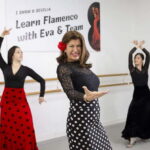
One hour, and your hands start clapping. This Seville flamenco class is a hands-on way to learn palmas and the compás of tangos, guided by instructors such as Luna or Elisabeth. You’ll laugh, you’ll move, and you’ll finish with a short routine that makes later flamenco shows make a lot more sense.
I especially like how the teaching is step-by-step (first rhythm, then arms, then feet) and how the vibe stays supportive even if you’re starting from zero. The other win is that you’re not only watching—you’re doing the timing that flamenco runs on.
The only catch is the footwork: you’ll be dancing a patá (tango-style foot beats), so plan for shoes that work on the studio floor.
In This Review
- Key Takeaways Before You Go
- What This Flamenco Class Really Teaches (and Why It Matters)
- The One-Hour Flow: Palmas, Arms, Patá, Then a Group Finish
- Step 1: Palmas and the compás of tangos
- Step 2: Hands and arms, guided by the same timing
- Step 3: Footwork and patá beats
- Step 4: A call and a short routine you can repeat
- Where the Class Fits in Seville (Plaza Pelícano Area)
- Learning Flamenco at a Level That Makes Shows Click
- Price and Value: Is $42.05 for an Hour Fair?
- Who This Class Is For (and Who Might Want a Different Option)
- What to Bring and How to Prepare
- What the Small-Group Limit Means for You
- Friendly, Clear Instruction: The Names You’ll Hear
- Should You Book This Seville Flamenco Class?
- FAQ
- How long is the flamenco class?
- Where does the class start?
- What language is the class taught in?
- How much does it cost?
- Is dance study included?
- What is not included?
- How big are the groups?
- Are beginners welcome?
- Is there free cancellation?
- Are service animals allowed?
Key Takeaways Before You Go
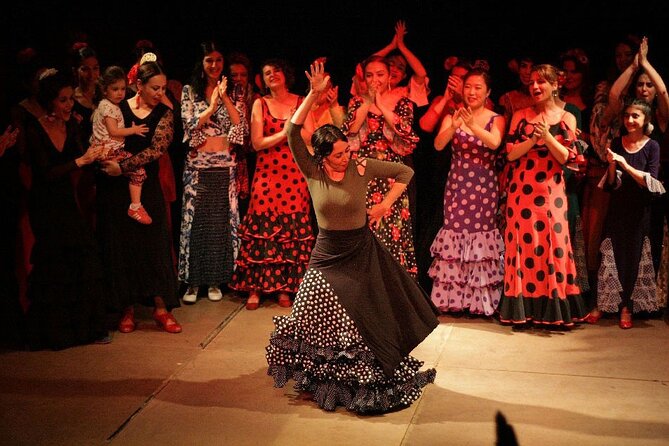
- Palmas first, compás fast: you start with clapping the tango rhythm before any complicated steps.
- Patá footwork is taught, not assumed: feet come last, with clear pacing to avoid feeling lost.
- You leave with a short routine: call, response, and a group finish—enough to remember when you’re back home.
- Beginner-friendly energy: instruction scales to your level, with lots of encouragement.
- Real flamenco technique talk: you’ll hear about styles and what makes tango different within flamenco.
- Small-group feel: capped at 30, with a chance to get extra attention if your group is small.
What This Flamenco Class Really Teaches (and Why It Matters)
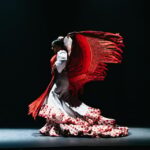
If you’ve watched flamenco in Seville and wondered why it feels so tight—like the dancers and music share one heartbeat—this class is designed to answer that. You won’t leave as a dancer with a full repertoire. But you will understand the mechanics that make flamenco land: rhythm (compás), hand percussion (palmas), and the sharp timing of footwork (patá).
The format is simple and effective. You begin by learning the clapping pattern for tangos, then you layer in arm and hand movements, and only after that do the feet enter. That order matters because flamenco isn’t just movement. It’s coordination.
You also get a built-in social element. The class ends with singing a tango lyric and dancing the routine together, so you’re not practicing alone. It’s one of the easiest ways to shake off nerves, because the instructor drives the pace and the group keeps you steady.
You can also read our reviews of more tours and experiences in Seville


The One-Hour Flow: Palmas, Arms, Patá, Then a Group Finish
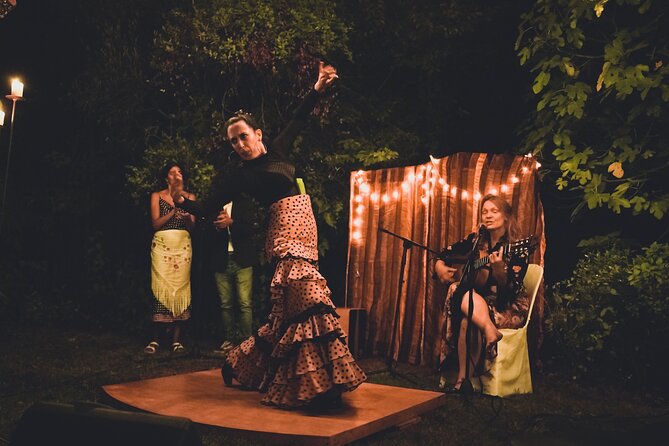
This experience runs about an hour, and the structure is designed to keep momentum without rushing you.
Step 1: Palmas and the compás of tangos
You start with the rhythm—learning to clap to the tango compás. That sounds basic until you realize flamenco rhythms aren’t random. They have accents. They have spacing. And once you clap the correct rhythm, the rest of the dance suddenly feels possible.
In plain terms: this step gives you the metronome. If you’re the type who freezes when music starts, this is where you get your footing fast.
Step 2: Hands and arms, guided by the same timing
Next comes moving your hands and arms to match the rhythm you just learned. The teaching approach focuses on getting your body to understand the beats rather than memorizing shapes.
A few of the notes you’ll likely hear in class connect directly to what you’ll notice later in Seville performances: how flamenco uses arm positions for musical emphasis, not just visual beauty.
Step 3: Footwork and patá beats
Then you move down to the feet and learn the patá por tangos—the tango-style foot beats. This is where suitable footwear becomes more than a comfort issue. Your foot needs grip and control, especially if the studio floor is smooth.
It’s also the section that tends to feel hardest at first, but the hour’s pacing helps. You’ll get repeated practice on the basics until your feet stop feeling like they’re on a different planet than your hands.


Step 4: A call and a short routine you can repeat
The last training chunk is a call and a shot (a short, punchy combination). This is the part that turns technique into something you can actually perform—even if it’s only for 30 to 60 seconds.
A few people mention that the routine feels like a souvenir they can take home, not just a one-time lesson. One report also notes that the instructor recorded their routine, which is a great way to review your timing later.
Finally, the instructor sings a tango lyric and the class dances the whole thing together. This group finish is the confidence booster. You’ll be surprised how quickly you can repeat what you practiced.
Where the Class Fits in Seville (Plaza Pelícano Area)
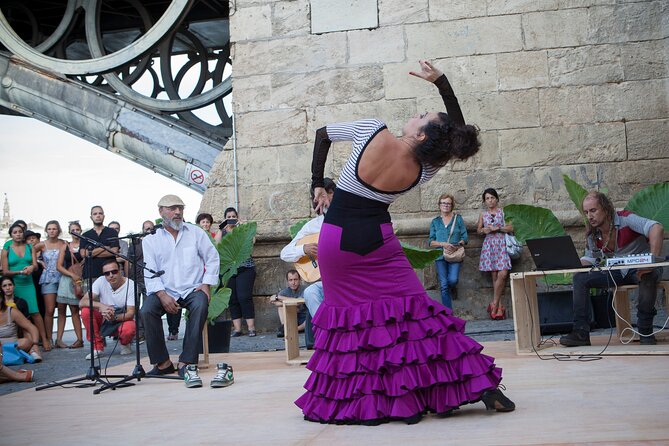
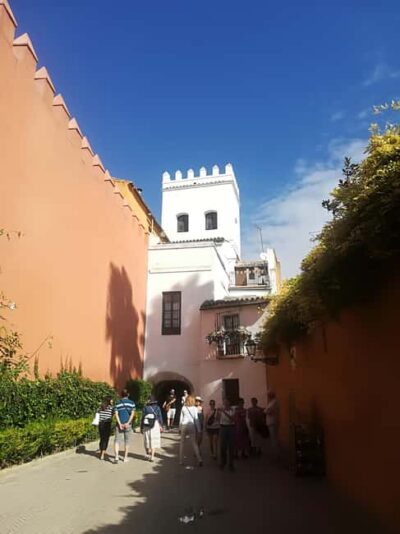
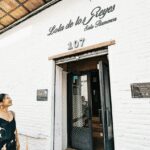
The meeting point is Plaza Pelícano in the Casco Antiguo (Old Town), and the activity ends back at the same spot. That matters because it keeps this experience from becoming a logistical headache during a short visit.
It also means you’re doing your flamenco learning in a part of Seville where you can easily connect it to the rest of your day. Before or after class, you can keep roaming through the historic center without spending extra time commuting.
One thing I like about this setup: it feels like you’re stepping into a local art space rather than a show. People describe the studio environment as active, with an artisan feel and a sense that flamenco lives among other creative workshops.
Learning Flamenco at a Level That Makes Shows Click
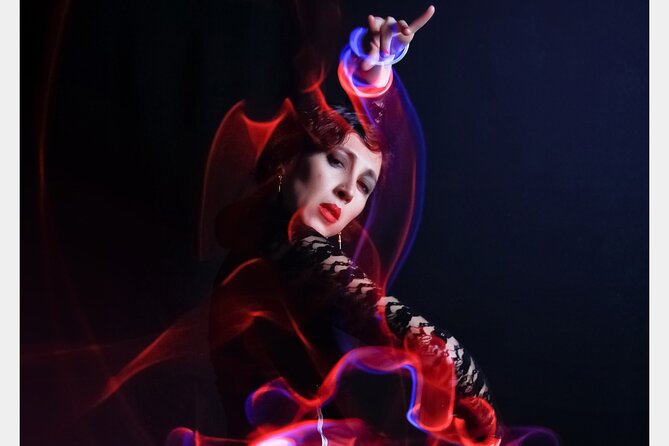
Here’s the value most people don’t expect: after this class, flamenco performances become more “readable.”
Without rhythm training, a tablao show can still be stunning—but you’re mostly reacting to emotion and costume. With a compás foundation, suddenly you start recognizing patterns. You notice when the hands hit accents. You understand why the feet sound the way they do. You’re no longer only watching the dance; you’re tracking its structure.
Some instructors also share brief background on flamenco styles and explain how tango fits into the bigger flamenco picture. You don’t need a textbook. You just need a framework, and this class gives it in a way that stays practical.
Price and Value: Is $42.05 for an Hour Fair?
Let’s talk money honestly. The price is $42.05 per person for about an hour, and the group size is capped at 30.
For Seville, that’s not “cheap,” especially if you’re expecting a casual tourist activity. But this isn’t a passive sightseeing stop. You’re getting in-room dance coaching—rhythm work, arm technique, and foot beats—plus a short routine at the end. That’s a lot of instructor time packed into a short session.
A useful way to judge value: you’re paying for focused, structured practice rather than an experience where you watch others do the work. That’s why many people rate it 5/5 and call it a highlight, even if they arrived as complete beginners.
One extra reality check from experiences: if you book alone, you may end up with a more private-feeling lesson. That can make the price feel higher at first glance, but it also explains why you’re getting that “teacher is with you” attention.
If you’re splitting costs with a friend, the value usually feels better fast.
Who This Class Is For (and Who Might Want a Different Option)
This class is best for people who want to leave with physical knowledge, not just photos.
You’ll love it if:
- You’re a total beginner and want a safe, encouraging start.
- You enjoy hands-on learning and like practicing short steps repeatedly.
- You plan to watch flamenco performances later in your trip and want to understand what you’re seeing.
- You want something social and fun to do in Seville that’s not another long walking tour.
It’s also great for couples and small groups. The activity has a lively classroom energy, and group dancing at the end helps you avoid the awkward “I’m doing this wrong” feeling.
You might consider a different kind of flamenco option if you’re looking for a long, performance-style immersion (this isn’t that). It’s technique and a short routine in one hour.
What to Bring and How to Prepare
You don’t need fancy dance clothes, but you do want to set yourself up to succeed.
- Wear comfortable clothes you can move in easily.
- Bring shoes with good grip if possible. At least one participant notes it’s preferable to have shoes that work for dancing.
- If you’re someone who gets shy, remember the class includes a group finish and a sung tango segment. You’ll be moving with other people, not performing alone.
You can also expect a casual chance to ask questions about flamenco. That Q&A time is a good moment to clarify what you’ll look for in later shows—especially rhythm and technique.
What the Small-Group Limit Means for You
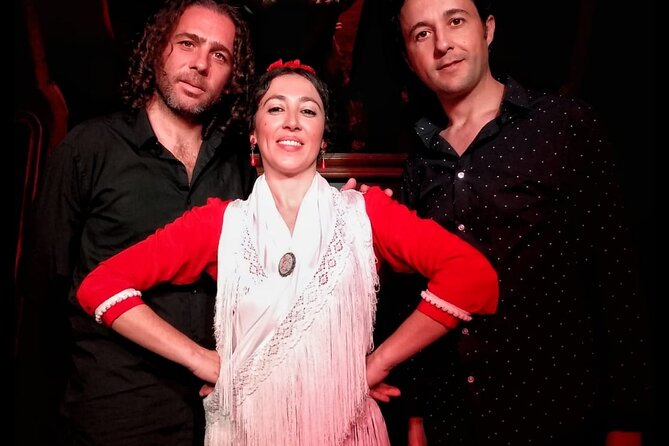
The maximum group size is 30 travelers, and the class feels more like a coached studio session than a big crowd event. That cap helps keep the pace manageable and makes it easier for the instructor to watch what’s happening with your hands and feet.
Some people also ended up with a more one-on-one feel, which shows that your actual experience may be more personal than the “group class” label suggests.
Friendly, Clear Instruction: The Names You’ll Hear
In the experiences shared, instructors like Luna and Elisabeth come up often. The consistent theme is the same: clear breakdowns, a patient pace, and an emphasis on helping you feel the rhythm rather than only copying shapes.
One reason this sticks with people is that the teaching approach doesn’t treat beginners like an inconvenience. It treats your beginner phase like part of the process—and it builds from there.
Should You Book This Seville Flamenco Class?
I’d book it if you want a practical flamenco introduction that turns into real understanding the moment you watch a performance in Seville afterward. For most people, $42 for an hour of hands-on compás, palmas, and patá is a good trade, especially when the class is fun, supportive, and ends with a short routine you can repeat.
I’d hesitate only if you’re unwilling to do basic footwork or you show up with shoes that won’t grip well. If that’s your situation, you can still come, but you’ll enjoy it less—because the patá part is the heart of learning.
If you’re open to learning through laughter, clapping, and a little rhythm training, this is one of the most “worth it” experiences you can fit into a Seville day.
FAQ
How long is the flamenco class?
The class runs for about 1 hour.
Where does the class start?
It starts at Plaza Pelícano in the Casco Antiguo area of Seville (Pl. Pelícano, 41003 Sevilla, Spain).
What language is the class taught in?
The class is offered in English.
How much does it cost?
It costs $42.05 per person.
Is dance study included?
Yes. Dance study is included.
What is not included?
Soda or pop is not included.
How big are the groups?
The activity has a maximum of 30 travelers.
Are beginners welcome?
Most travelers can participate, and the instruction is set up for people learning the basics.
Is there free cancellation?
Yes. You can cancel up to 24 hours in advance for a full refund.
Are service animals allowed?
Yes, service animals are allowed.