REVIEW · SEVILLE
Seville: 4–Hour Italica Tour
Book on GetYourGuide →Operated by Centerbici · Bookable on GetYourGuide
Roman ruins, on bikes, just outside Seville. This 4-hour tour blends Seville park and riverside cycling with the shock-and-awe of Italica’s preserved mosaics and one massive amphitheatre. One heads-up: the biking can feel tight near the city streets, especially if traffic and narrow lanes make you nervous.
I also like that the visit isn’t just a drive-by look. You follow a real route through green parkways and the river area, then step into a Roman site that’s famous for being the first Roman city founded outside the Italian peninsula—named for the emperors Trajan and Hadrian. If you’re lucky enough to get a guide like Rigo, you’ll likely feel the pace stays comfortable and the explanations click fast.
In This Review
- Key highlights you’ll actually care about
- From Centerbici Stire to Italica: the bike ride that makes this tour worth it
- Cycling Seville’s parks and river route: more than just a transfer
- San Isidoro del Campo on the way: why this stop is smart
- Entering Italica: the first Roman city outside Italy (and why that’s a big deal)
- Inside the ruins: mosaics, sculptures, and what to look for
- The amphitheatre at Italica: one of Rome’s biggest shows
- Price and value: $57 for bike + guide + entrance is the right kind of deal
- Practical notes: biking comfort, time management, and who this tour fits
- Should you book the Seville 4-hour Italica Tour?
- FAQ
- How long is the Seville: 4–Hour Italica Tour?
- How much does the tour cost?
- Where is the meeting point for the tour?
- Where does the tour end?
- What is included in the tour price?
- Do I need to buy an entrance ticket separately?
- What languages are available for the live guide?
- Is the tour suitable for people with mobility impairments?
- Can I change my plans after booking?
Key highlights you’ll actually care about
- 4 hours door-to-entrance for one Roman-site payoff: bike ride + Italica entry + guided time inside
- Italica’s mosaics and sculptures: some are described as perfectly preserved
- The amphitheatre: one of the largest in the entire Roman Empire
- A ride that includes Seville’s parks and the river area: you see more than just ruins
- Monastery of San Isidoro del Campo: a notable stop on the way to the Roman entrance
From Centerbici Stire to Italica: the bike ride that makes this tour worth it
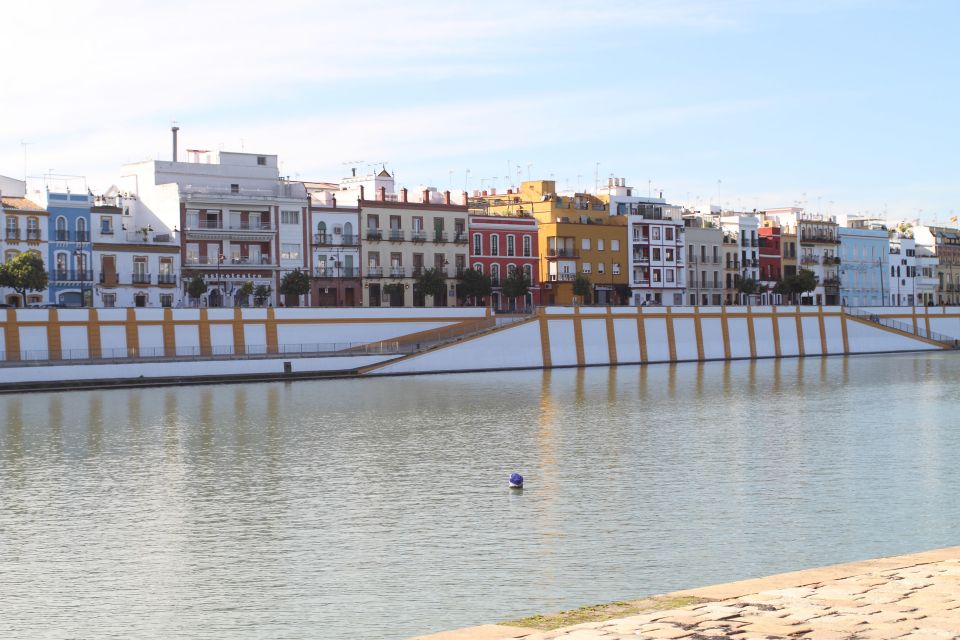
This is not a sit-and-stare history tour. It’s a guided bike tour of Seville that uses motion as the “glue” between the city and the ancient world. The payoff is that you spend some time seeing how Seville changes as you move away from the center—toward parkways and the river—before you ever reach the ruins.
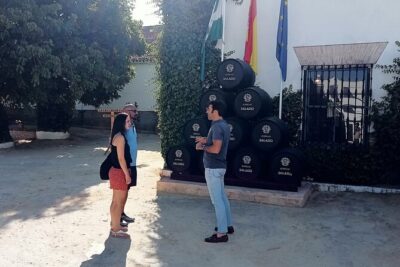
You’ll start at Centerbici Stire, at C/ Espronceda. 5, 41004 Sevilla. Then the tour ends back at the same meeting point. That loop matters. It means you can fit it cleanly into a normal day without juggling extra transport plans, and you’re not stuck figuring out how to get from the ruins back into town.
What I like about this format is the pacing choice: the ride gets you “in the area,” and the site time gives you the real wow factor. If you only want to see Italica, a bus or taxi gets you there. If you want to experience Seville as a living place first, this is the better match.
You can also read our reviews of more tours and experiences in Seville.

Cycling Seville’s parks and river route: more than just a transfer
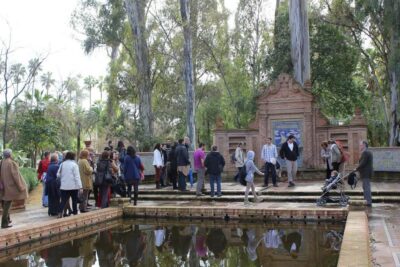
The tour includes a ride through the center of Seville, then it shifts into a path that crosses the river and continues along parkways. That matters for two reasons.
First, those segments tend to feel different from the city streets. You’re not just grinding through urban traffic the whole time. Second, it gives you natural sightlines: you start noticing the city’s layout—how the river threads through it—and you get a sense of why this area attracted Roman builders in the first place. (People often picture ruins as isolated. This tour ties them back to the geography.)
From there, you move toward the Monastery of San Isidoro del Campo, which is included as part of the route before the entrance to the Roman ruins. Even if your main goal is Italica, I like having that “between” stop. It breaks up the experience so the day doesn’t feel like one long sprint to the ruins.
San Isidoro del Campo on the way: why this stop is smart
The itinerary doesn’t treat this monastery like a side quest. It’s placed along the route, so it acts like a mental reset before you step into the Roman setting.
You’re transitioning from cycling—where you’re focused on route and pace—into a site that rewards slow looking. A stop like this helps you shift gears. You also get context for the landscape around Italica: this isn’t some lone archaeological island; it’s part of an active region with layers of culture.
If you’re the kind of traveler who likes to connect dots, this is the kind of add-on that makes the whole outing feel more grounded in place.
Entering Italica: the first Roman city outside Italy (and why that’s a big deal)
When you reach the entrance of the Roman ruins of Italica, the story you’re stepping into is unusually specific: Italica is described as the first city in the Roman Empire built outside the Italian peninsula, and it’s tied to emperors Trajan and Hadrian.
That origin detail matters because it changes how you read the site. It’s not just Roman ruins because Romans lived here. It’s Roman ruins because Rome was exporting its urban model far beyond Italy—and doing it early enough that Italica becomes a kind of benchmark.
The tour also includes skip-the-ticket-line, so you’re not spending precious time waiting outside. That helps keep the day feeling like one continuous experience: ride, brief route stops, then straight into the ruins.
Inside the ruins: mosaics, sculptures, and what to look for
Once you’re inside Italica, the most emphasized parts are the ones you’ll want to plan your attention around: mosaics and sculptures, described as especially notable because they’re perfectly preserved. In practice, that means you’ll want to slow down and look for the finer details—patterns, figures, and craftsmanship—rather than only snapping the big-wide photos.
Here’s how I’d approach it while you’re there:
- Look for the mosaic areas first, even if you’re tempted to jump to the amphitheatre. Mosaics can be visually busy, so your brain works better if you warm up with the smaller art details.
- Then shift your eye to sculptures. They tend to feel more “human” and help you picture how the site looked when it wasn’t a ruin.
- Finally, let the amphitheatre moment take over. It’s built for scale, and it hits differently after you’ve already trained your eyes on the art.
That order matters because the amphitheatre is the headline. But the mosaics and sculptures are the proof that this place wasn’t just monumental—it was cared for and decorated.

The amphitheatre at Italica: one of Rome’s biggest shows
The tour highlights the big amphitheatre, noted as one of the largest in the entire Roman Empire. Even if you’ve seen amphitheatres elsewhere, the size claim is a reason to stay focused here. Big Roman venues aren’t just buildings; they’re performance machines made of stone.
What I’d do during your time inside:
- Take one wide look from wherever the route allows, so you register the structure’s overall shape.
- Then step closer (when possible on your path) to notice how the seating and stonework sit together.
- Finally, reframe it through what you learned from your guide. If you catch a guide like Rigo, the strength is in how the site history connects to the physical remains.
The good news: because your visit is guided, you’re not left guessing what matters. You’re pointed toward what deserves attention.
Price and value: $57 for bike + guide + entrance is the right kind of deal
At $57 per person, this is priced like a real small-group activity, not a cheap museum ticket. What makes it feel fair is what’s included:
- Bike tour of Seville
- Bicycle rental
- Entrance to Italica
- Bilingual guide
- Water bottle
- Helmet rental for children
When you stack those together, you’re paying for two things you’d otherwise have to arrange separately: (1) bike logistics and (2) guided time at a major archaeological site. Add skip-the-ticket-line, and you get less “downtime cost” while you’re on holiday.
For me, the value test is simple: if you enjoy cycling and you want a guided feel rather than DIY directions, this is a smart spend for a half-day. If you hate bikes, or you want a totally wheelchair-accessible plan, it won’t work well.
Practical notes: biking comfort, time management, and who this tour fits
This outing is 4 hours, so it’s a good fit for travelers who want one strong experience without losing an entire day. It also ends back at the meeting point, which makes it easy to plan lunch or a post-tour wander.
The one real consideration is biking in the city. One of the cautions mentioned is that narrow streets with city traffic can become challenging, especially toward the end of the riding segment. That doesn’t mean the tour is unsafe or chaotic—it just means you should show up ready to handle urban cycling.
Who it suits best:
- You like bikes and want to see more of Seville than just the big landmarks
- You want the Roman experience to be guided so the site feels coherent fast
- You’re happy to walk around ruins for a focused time window, not a whole day
Who should be cautious:
- Anyone with mobility impairments should avoid it, since it’s stated as not suitable
- If you strongly dislike tight lanes or traffic, you might find parts of the ride uncomfortable
Should you book the Seville 4-hour Italica Tour?
I’d book it if you want a half-day that feels like an experience, not a checklist. The combination of park and river cycling, a route that includes San Isidoro del Campo, and then Italica’s mosaics, sculptures, and huge amphitheatre is exactly the kind of “two worlds in one” outing that tends to become a favorite memory.
Skip booking if you want a low-movement day or you’re not comfortable cycling near city traffic. And if you’re traveling with kids, this is one of those rare tours where helmet rental for children is explicitly included.
If you’re on the fence, your best tiebreaker is this: do you want to see Italica with context and guidance, while also experiencing Seville’s geography by bike? If yes, this tour is a strong choice.
FAQ
How long is the Seville: 4–Hour Italica Tour?
The tour lasts 4 hours.
How much does the tour cost?
The price is $57 per person.
Where is the meeting point for the tour?
You meet at Centerbici Stire, C/ Espronceda. 5, 41004 Sevilla.
Where does the tour end?
The activity ends back at the meeting point.
What is included in the tour price?
It includes a bike tour of Seville, bicycle rental, entrance to Italica, a bilingual guide, a water bottle, and helmet rental for children.
Do I need to buy an entrance ticket separately?
No. Entrance to Italica is included, and the tour also offers skip the ticket line.
What languages are available for the live guide?
The guide is available in Spanish, English, French, German, and Italian.
Is the tour suitable for people with mobility impairments?
No. It is not suitable for people with mobility impairments.
Can I change my plans after booking?
You can cancel up to 24 hours in advance for a full refund, and there is a reserve now & pay later option.