REVIEW · SEVILLE
Seville Ultimate Food Tour
Book on GetYourGuide →Operated by Devour Tours · Bookable on GetYourGuide
Seville’s best bites come with stories. This 3-hour walk turns jamón, churros, and tapas into a real sense of daily life, guided by people who connect food to place. You start in the market zone and end in the city center with enough tastings for a light meal.
I love the way this tour puts your hands and senses on the food—especially the Iberian ham carving you watch up close in the morning market. I also like the churros stop in a long-running bar, where you get fresh churros plus a cup of hot chocolate.
One thing to consider: this is mostly standing and walking (about 3.5 km), and it’s not suitable for wheelchairs, strollers, or mobility impairments. If you’re sensitive to standing for a few hours, plan accordingly.
In This Review
- Key things that make this Seville food tour worth it
- Why this Seville Ultimate Food Tour feels different
- Mercado de la Encarnación to Las Setas: starting with the way Seville shops
- Jamón carving that turns into a lesson in patience
- Churros and hot chocolate in a 100-year-old style of Seville
- A convent stop for nuns’ cookies and a quieter side of town
- Tapas bar navigation plus vermouth paired with Holy Week
- Fried fish and adobo at Freiduría La Isla, then a crisp manzanilla finish
- Food tour value: 7+ tastings and 2 drinks for $81
- Group size and guide style: what small groups get you
- Practical tips: shoes, timing, and how to handle dietary needs
- Who should book this Seville food tour (and who should skip it)
- Should you book the Seville Ultimate Food Tour?
- FAQ
- FAQ
- How long is the Seville Ultimate Food Tour?
- How much does the tour cost?
- What’s included in the price?
- Where does the tour start?
- Where does the tour finish?
- What should I bring?
- Is the tour in English?
- How much walking is involved?
- Can the tour accommodate dietary restrictions?
- Is the tour suitable for vegan guests or people with celiac disease?
- How far in advance can I cancel for a full refund?
Key things that make this Seville food tour worth it
- Ham, churros, convent cookies, tapas, fried fish: you cover Seville across multiple food traditions, not just one neighborhood.
- A market start that matches local rhythm: you begin at Mercado de la Encarnación and see how people shop before the tastings begin.
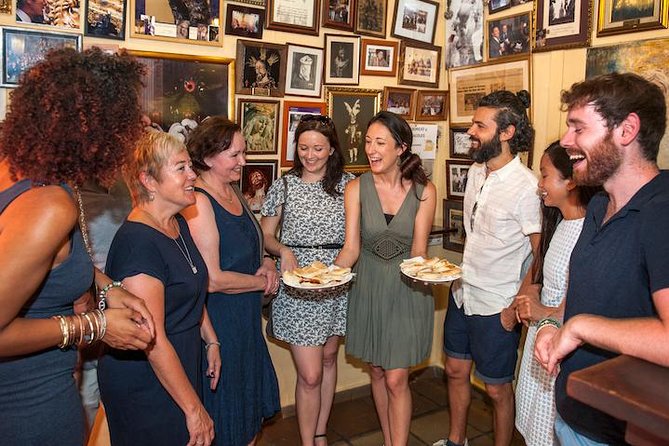
- Holy Week context with vermouth pairing: one tapas bar is tied to Easter traditions, with memorabilia you can look at while you snack.
- The nuns’ daily baking: you visit a sacred convent and try cookies baked every day by the nuns.
- Adobo-marinated fried fish: you learn about a seafaring specialty that locals connect to Feria de Abril.
- Small group size: 12 people or fewer keeps it more conversational with your English-speaking guide.
Why this Seville Ultimate Food Tour feels different
A good Seville food tour doesn’t just hand you snacks. It teaches you how locals actually eat—timing, order, and what people care about. This one does that by moving from market morning to tapas bars to a classic fried-fish stop, all within a walk you can handle with comfortable shoes.
Another plus: you’re not stuck with one type of food. You’ll sample ham, churros, cookies from a convent, tapas paired with vermouth, and fried fish with a special marinade, then finish with manzanilla. It adds up to a satisfying light meal without feeling like a marathon.
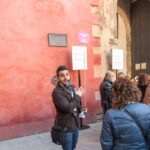
The guides matter here. In past departures, I’ve seen strong comments about guides such as Elena and Guillermo for storytelling that links food to daily life and Seville’s traditions. You’ll want to listen because the little cultural details are often what make the tastings memorable.
You can also read our reviews of more food & drink experiences in Seville
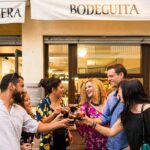
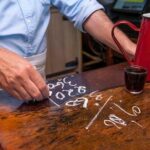
Mercado de la Encarnación to Las Setas: starting with the way Seville shops
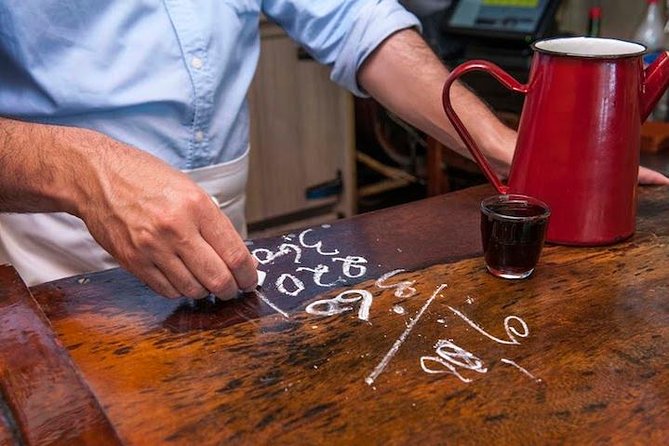
Your tour begins at Mercado de la Encarnación, near the Metropol Parasol area. From there, you head to Las Setas de Sevilla for a market segment that’s built around one idea: morning food in Seville starts with buying ingredients, not with sitting down.
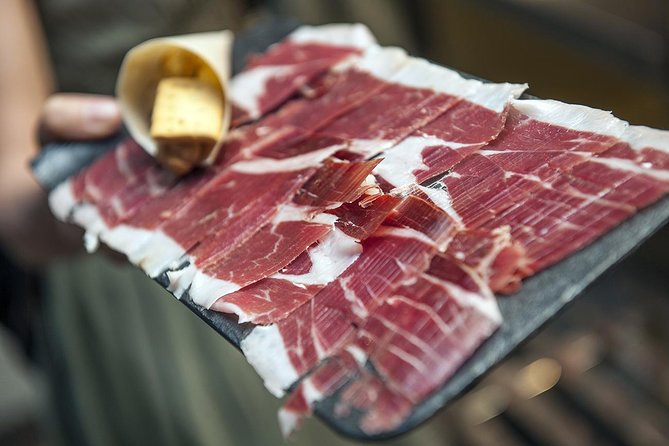
Expect to watch the market energy as people do their daily shopping. Then you’ll shift from “market as a place” to “market as a flavor source” when Iberian ham becomes part of the experience. It’s one of those moments that turns a menu item into something real—watching ham get carved carefully before you taste.
This stop is also a helpful orientation for the rest of the walk. You learn quickly what kind of food this city favors at different times of day, and you’ll feel more confident when you’re later inside tapas bars.
Jamón carving that turns into a lesson in patience
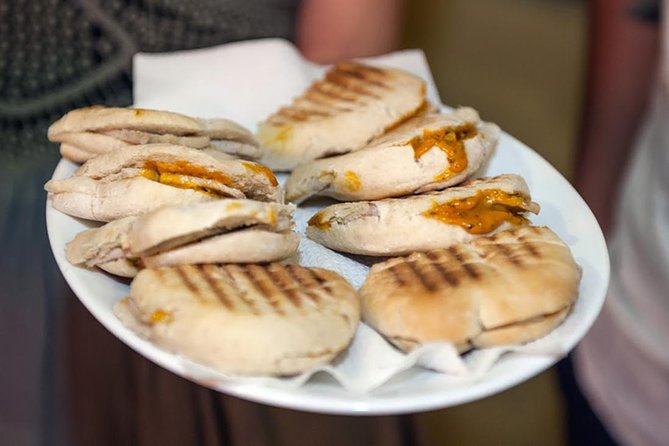
That ham carving portion isn’t just for show. You get to see how it’s portioned, and it comes with a guide who explains why the details matter. Even if you’re not a ham expert, you’ll understand what to look for and how the flavor changes when it’s served freshly carved.
You’ll also get to taste a few slices right there, so it’s not only theory. If you like tasting experiences that teach you what makes a product different, this part is a strong reason to book.
A practical note: you’ll want to be ready for salty flavors early. That’s normal for Spain—especially with jamón—so drinking water and taking your time with each tasting helps.
Churros and hot chocolate in a 100-year-old style of Seville
Next up is the sweet side, and you’ll go to a bar where churros are made fresh. The tour highlights churros made by a family-run team, served with hot chocolate—exactly the kind of combo that locals treat as comfort food.
You’ll get freshly made churros during this stop, not a pre-packaged version. That difference matters. Fresh churros tend to have that crisp exterior while the inside stays softer, and pairing with hot chocolate makes it feel like a proper Seville breakfast or snack.
If you’ve ever had churros that were either too hard or too oily, this is the place to reset your expectations. You’re tasting the kind of version that people in Seville actually talk about.
A convent stop for nuns’ cookies and a quieter side of town
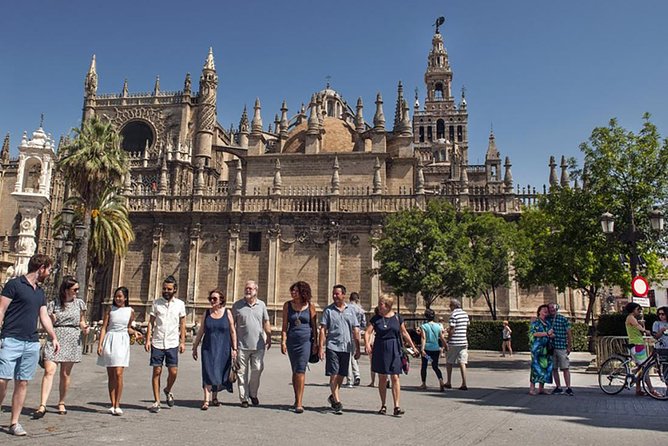
After the market and the classic snack bar, the tour slows down for a visit to a sacred convent. Here, you meet nuns who bake batches of fresh cookies every day, and you get to try their cookies.
This is a different rhythm from the tapas bars: less noise, more calm. And because the cookies are made daily, the tasting feels tied to real routine rather than a one-time performance for tourists.
If you prefer experiences that include culture you can’t get from a food court, this is often the emotional highlight. It’s also a reminder that food in Seville isn’t only street food—it can be tied to faith, community, and daily work.
You can also read our reviews of more tours and experiences in Seville
Tapas bar navigation plus vermouth paired with Holy Week
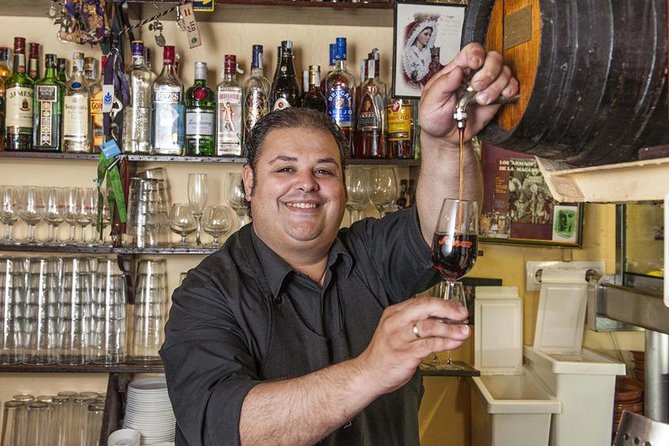
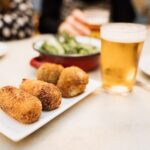
One of the most useful parts of the tour is learning how to eat at tapas bars without feeling lost. You’ll get that in a dedicated tapas stop, where you try two tapas paired with a glass of vermouth.
This particular bar also has a strong connection to Holy Week, one of Seville’s biggest annual celebrations. You’ll see memorabilia and photos up close while your guide explains Easter traditions in the city. It’s the kind of context that makes you understand what you’re looking at when you later visit churches or see the processions.
Value-wise, this stop does more than feed you. It teaches you the “how” of tapas culture: order pacing, how vermouth works with savory bites, and how conversation flows around multiple small plates.
Fried fish and adobo at Freiduría La Isla, then a crisp manzanilla finish
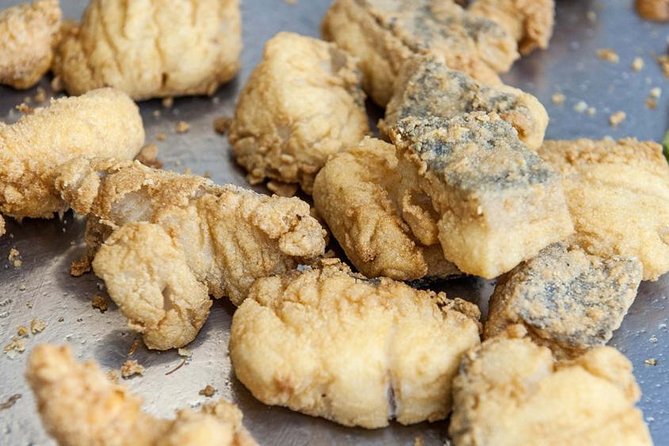
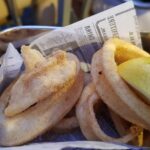
You’ll end with the sea-food side of Seville. The tour takes you to a fried fish place—Freiduría La Isla—where you learn how locals fry fish and why a specific marinade matters.
The fish comes with a local marinade called adobo, described as a seafaring specialty eaten for generations. You’ll also hear how it connects to Feria de Abril, so the tasting lands with meaning, not just flavor.
After the fried fish stop, you finish with a glass of crisp manzanilla. Manzanilla is a sherry-style wine associated with the region, and it’s a great way to close the loop after salty, fried food.
If you tend to think “wine is only for dinner,” this ending can change that. Here, the drink is part of the food sequence, not an afterthought.
Food tour value: 7+ tastings and 2 drinks for $81
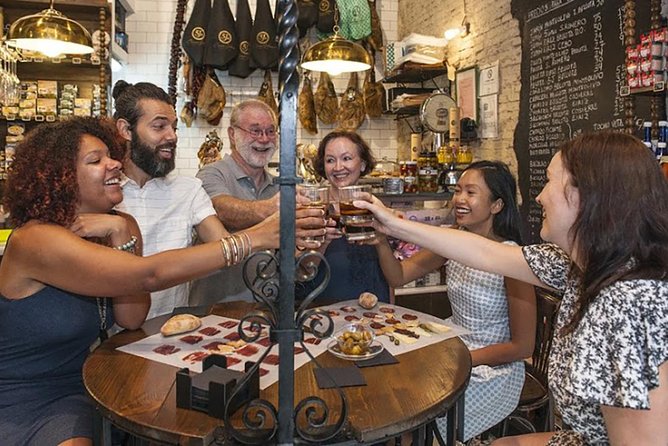
At $81 per person for a 3-hour tour, the real question isn’t just the number—it’s what you get for that time. You’re paying for an English-speaking culinary expert, a small group (12 or fewer), and more than seven tastings plus two drinks, enough for a light meal.
Also, you’re not only getting tastings—you’re getting guided context at several stops: ham carving in a market, churros from a long-running bar, convent cookies, tapas paired with vermouth, and fried fish with adobo. That’s a lot of different food moments packed into one walk.
So for me, the value comes from variety plus explanation. If your main goal is only to eat, you might find cheaper options. But if you want Seville food with cultural meaning—and you don’t want to plan each stop yourself—this price starts to look fair.
Group size and guide style: what small groups get you
Keeping groups at 12 or fewer changes the vibe. You’re more likely to hear details clearly, ask quick questions, and actually interact with the guide instead of tuning out between loud groups.
That’s where comments about guides like Elena and Guillermo make sense. When a guide can connect food to daily life and traditions, the tour feels personal and less like a checklist. In bad tours, you feel rushed from bite to bite. Here, the stops are structured enough that the stories have room to land.
Practical tips: shoes, timing, and how to handle dietary needs
This tour includes considerable standing and walking (about 3.5 km). Bring comfortable shoes and wear something you can stand in for a while. It’s also in English, so if you want a guided explanation, you’ll get it directly from your culinary expert.
Dietary info is flexible, but with limits. The tour can be adapted for vegetarians, pescatarians, gluten-free (not celiacs), dairy-free, non-alcoholic options, and pregnant women. Still, the tour warns you may not have a replacement food option at every stop, so it’s smart to email ahead if you have restrictions or allergies.
Important restrictions you should respect: the tour is not suitable for vegans and not suitable for celiac disease. It also isn’t suitable for those with gluten intolerance.
Who should book this Seville food tour (and who should skip it)
This tour is a great fit if you want to:
- Eat across Seville’s market-to-tapas-to-fried-fish food traditions
- Learn what’s behind what you’re tasting (Holy Week, convent baking, adobo, Feria de Abril connections)
- Enjoy a small group walking format with an English-speaking guide
You may want to skip it if:
- You need wheelchair access or you can’t comfortably stand and walk for about 3.5 km
- You’re vegan or managing celiac disease
- You know you’ll struggle with long standing times
If you’re on the fence, think about your priority: do you want food plus context, or do you only want a quick snack route?
Should you book the Seville Ultimate Food Tour?
I’d book it if you’re in Seville for a short time and you want one outing that covers multiple classic tastes—ham, churros, convent cookies, tapas with vermouth, and fried fish with adobo—without doing the planning yourself. The format is designed for a light meal, and the small group size makes the explanations land better.
I’d pause if you have serious mobility constraints or strict dietary needs like vegan or celiac. In those cases, you may not get safe or complete replacements.
FAQ
FAQ
How long is the Seville Ultimate Food Tour?
The tour lasts about 3 hours.
How much does the tour cost?
It costs $81 per person.
What’s included in the price?
You get a local English-speaking culinary expert, 7+ food tastings and 2 drinks, and a small group of 12 people or fewer. It’s enough for a light meal.
Where does the tour start?
It starts at Mercado de la Encarnación, in front of the Metropol Parasol building (next to the Tobacco station), near the corner with Calle Imagen.
Where does the tour finish?
It finishes at Plaza Nueva, 41001 Sevilla, Spain.
What should I bring?
Bring comfortable shoes.
Is the tour in English?
Yes, it’s conducted in English.
How much walking is involved?
Plan for standing and walking for a distance of about 3.5 km (2.15 miles).
Can the tour accommodate dietary restrictions?
It can be adapted for vegetarians, pescatarians, gluten free (not celiacs), dairy free, non-alcoholic options, and pregnant women. However, you may not have a replacement option at every stop.
Is the tour suitable for vegan guests or people with celiac disease?
No. It is not suitable for vegans or for guests with celiac disease.
How far in advance can I cancel for a full refund?
Free cancellation is available up to 24 hours in advance for a full refund.