REVIEW · SEVILLE
Seville: Rhythm, Beat and the Flamenco Box Drum
Book on GetYourGuide →Operated by Not Just a Tourist · Bookable on GetYourGuide
Box drums make flamenco feel physical. In this Seville workshop, you learn the rhythm basics that turn flamenco singing and dance from pretty into powerful. It’s hands-on, small-group, and built around the traditional caja box drum and the percussive clapping that drives the whole show.
I like two things a lot. First, you start with the logic behind the rhythm—history and theory are explained before you’re asked to play. Second, I really value the follow-through: an instructor who shares practical flamenco tips for what to listen for when you watch later, plus 25 edited professional photos included.
One drawback to consider: it’s only 1 hour, so you’ll leave with solid fundamentals and a taste of the patterns, not full mastery. If you’re expecting a long, detailed, performance-level training session, you may feel like it ends too soon.
In This Review
- Key things to know before you go
- Why flamenco percussion matters more than you think
- The scenic walk and the moment you start playing
- The 1-hour format: what you’ll realistically learn
- Box drum basics: how the caja turns rhythm into drama
- Clapping and stomping: the fastest way to understand flamenco timing
- Meeting the instructors: passion plus patience (Kati and Fidel)
- Photos and how to use them after the lesson
- Getting more out of Seville flamenco shows afterward
- Price and value: is $81 for 1 hour fair?
- Who should book this workshop, and who should think twice
- Should you book the Seville box-drum workshop?
- FAQ
- How long is the flamenco box drum workshop?
- How big is the group?
- What languages are available?
- What’s included in the price?
- What material is provided?
- Where do we meet?
- Can I combine this with other activities?
- Is there free cancellation?
Key things to know before you go
- Small group, max 8 participants, so you get real coaching time
- A local instructor-led session focused on flamenco percussion techniques
- Theory first, then practice, so the rhythms make sense as you learn them
- Clapping, beating, and stamping (the full flamenco percussion kit)
- A celebratory drink at the end of the workshop
- 25 edited professional photos included, with an option to buy more
Why flamenco percussion matters more than you think
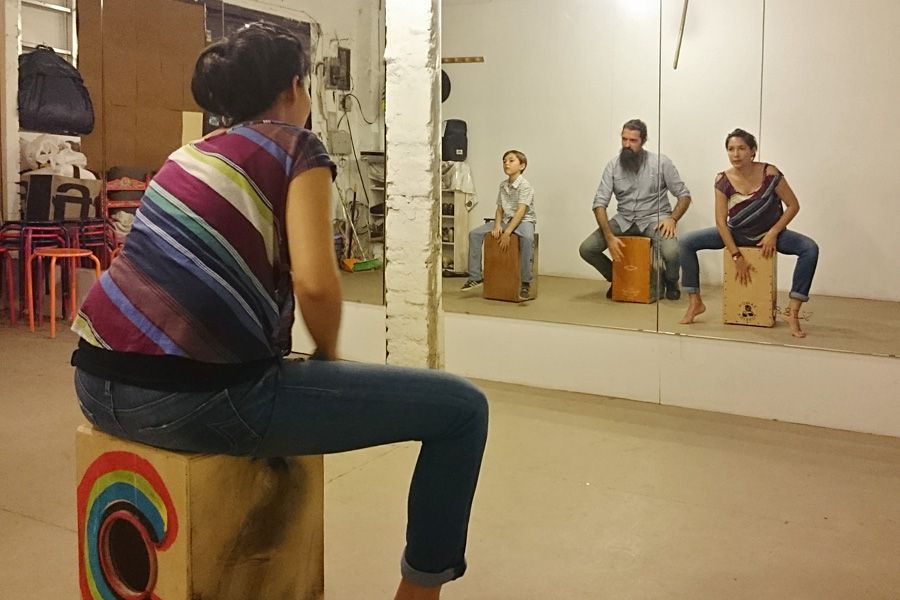
Flamenco gets described through singing and dance, but the percussion is the engine. When the clapping lands in the right place and the box drum answers it, the whole thing tightens into a living rhythm you can feel in your body.
That’s exactly what this workshop helps you understand. You’re not just copying moves for fun. You’re learning how flamenco rhythms work as a system—timing, accents, and the call-and-response between voice, feet, and percussion. Even if you’re new to music, you’ll see how structure creates emotion.
And Seville is the right place for it. The rhythms feel practical here, not like a museum lesson. You’ll leave with a clearer sense of what you should listen for when you’re out watching flamenco later.
You can also read our reviews of more tours and experiences in Seville.


The scenic walk and the moment you start playing
You’ll meet at a location that depends on group size, and your guide confirms the point after booking. That matters because the workshop is arranged for small groups, and they likely keep things flexible to match the day’s schedule.
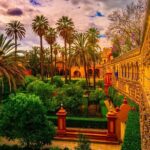
From there, you take the scenic route toward the session area. The point isn’t sightseeing for sightseeing’s sake. It’s a quick way to set the mood for Seville and get you out of your head and into the day—then you’re ready to learn.
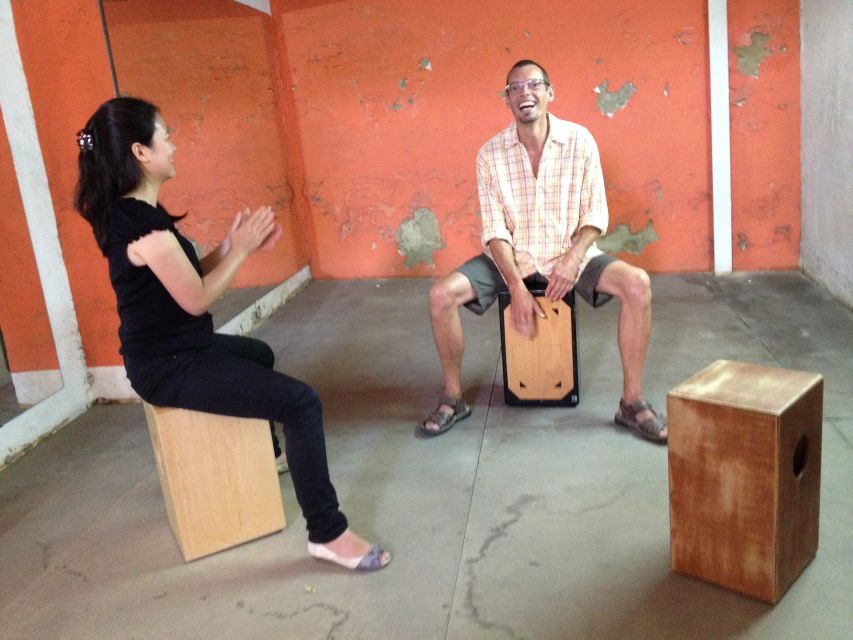
Once you’re gathered, the instructor sets the rhythm atmosphere fast. The earlier reviews give you a strong clue about the teaching style: people mention instructors such as Kati and Fidel leading the class with passion, good humor, and lots of patience. That combination is important because box-drum rhythms and coordinated clapping can feel awkward at first—even for people who think they’ve got rhythm.
The 1-hour format: what you’ll realistically learn
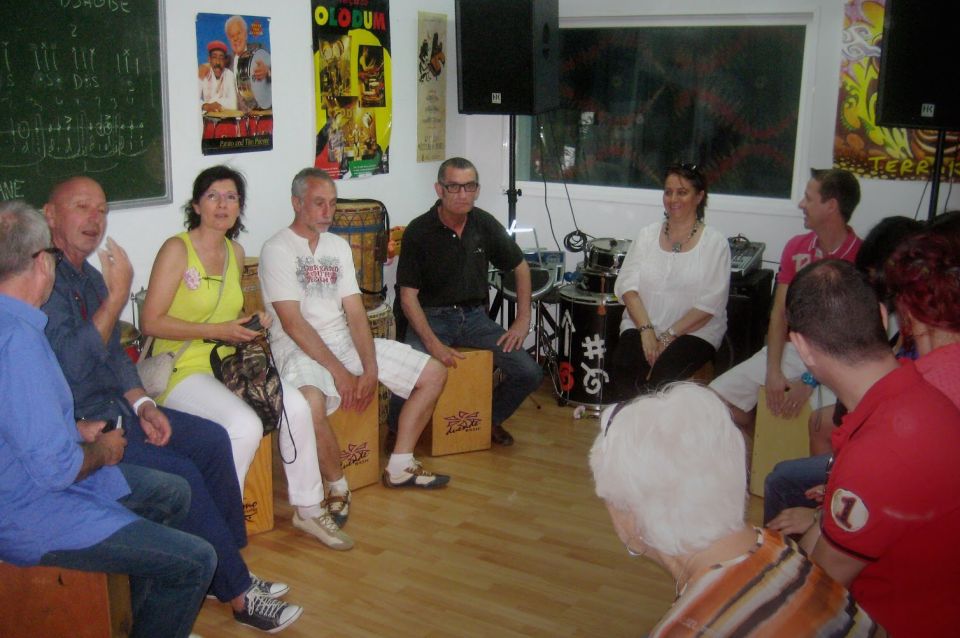
The workshop runs for 1 hour, and the structure is built for quick results. You don’t start with complicated patterns. You start by understanding what the percussion does in flamenco, then you build the basics step by step.
In the first part, your instructor explains the box drum’s history and theory. That theoretical primer matters because flamenco percussion isn’t random noise. It has roles: the claps (palmas) help set the beat and shape the accents, the feet and stamping add grounded weight, and the box drum helps complete the rhythmic framework.
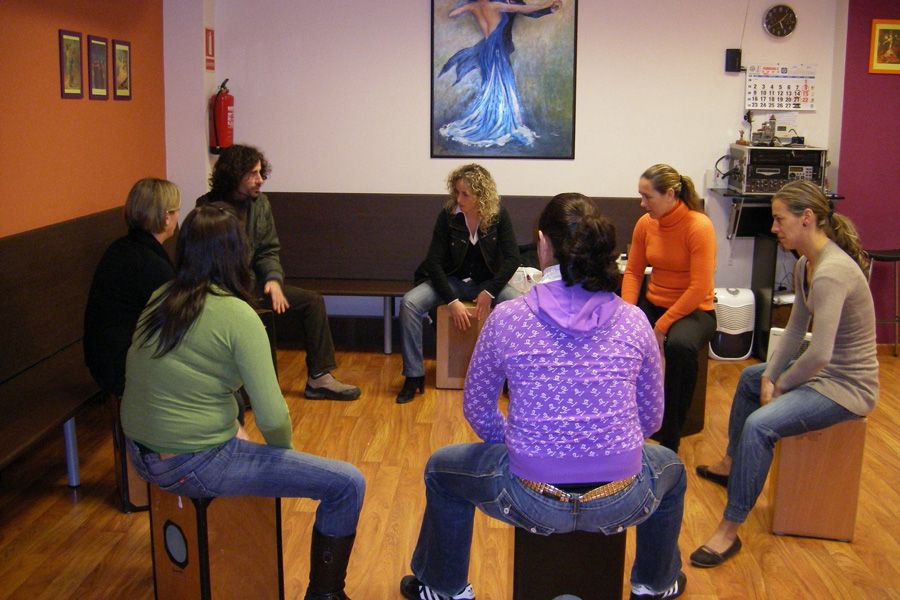
Then you jump straight into practice: clapping, beating on the caja, and stamping along. The tempo and coordination come together because you’re doing it as a group. Watching someone else keep time helps you lock in faster than trying to self-learn later from your phone.
At the end, everyone celebrates with a refreshing drink. It’s a small detail, but it signals what the class is meant to be: relaxed, social, and focused on getting you participating, not performing.
Box drum basics: how the caja turns rhythm into drama
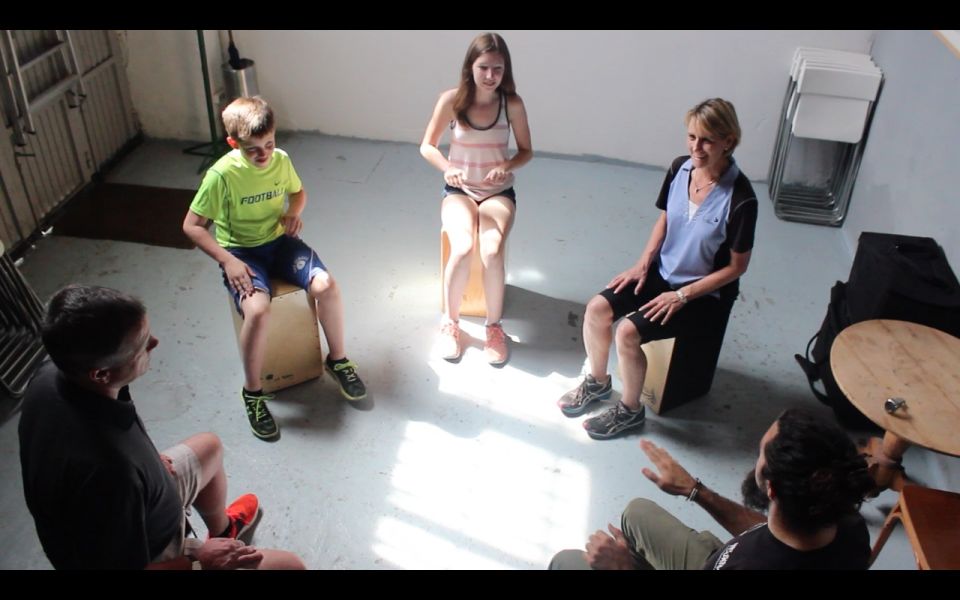
The traditional box drum, often called the caja, is deceptively simple in shape. In practice, it’s all about control—what you hit, when you hit it, and how hard you hit it. Flamenco percussion uses dynamics (strong vs. lighter accents) to create intensity, not just volume.
In the workshop, you’re guided to understand that difference. You learn techniques that help you make the drum sound consistent as you join the group rhythm. You also get practice coordinating your hands and body, because flamenco percussion usually isn’t separate tasks. It’s layered.
If you’re nervous about rhythm, take comfort from the fact that the class is designed for beginners and mixed abilities. One review specifically notes that even if someone feels uncoordinated, it still stays fun. That’s the tone you want: supportive enough to try, structured enough to improve.
Also pay attention to what the instructor emphasizes about listening. In flamenco, timing isn’t just counting; it’s responding. You’ll start catching the moment when the group lands together—and that’s when it starts to feel like real flamenco rather than a lesson.
Clapping and stomping: the fastest way to understand flamenco timing
A surprising part of learning flamenco percussion is realizing how much the body already knows. Your hands can learn patterns quickly, but stamping and moving your feet adds a second layer that makes the rhythm feel more real.
During the session, you’ll do clapping (palmas), beating on the box drum, and stamping. That full set is valuable because it teaches coordination the way flamenco actually works: multiple rhythm sources locked together.
Here’s what I think makes this approach click for most people. When you clap and stamp, you’re physically inside the beat. Even if you don’t understand the music theory yet, you feel where the accents land. Then, when the instructor’s explanations come, they match what you’re already experiencing.
You’re also practicing group timing, which is a big deal if you later attend a flamenco show. Many performances are fast and emotional, so your brain needs a stable reference point. This workshop gives you one.

Meeting the instructors: passion plus patience (Kati and Fidel)
One of the most praised parts of this experience is the teaching style. In different sessions, instructors named Kati and Fidel are repeatedly mentioned for being professional, passionate, and supportive.
That matters because flamenco percussion has a short learning curve for some people and a longer one for others. The best instructors manage that gap without making anyone feel behind. Reviews highlight patience and good morale, and that’s what you should look for when choosing a workshop like this.
I’d also treat the local guidance as part of the value. You’re not just taught to play; you’re taught how flamenco is built. That makes the whole experience feel more authentic and less like a one-off activity.
Photos and how to use them after the lesson
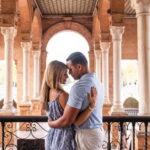
This workshop includes 25 edited professional photos. That’s a real perk, especially for a hands-on class where your hands are busy and you’re not thinking about selfies.
You can also get more photos for a supplement, which helps if your group takes the moment seriously and you want more than a simple set. If you’re the kind of traveler who documents experiences, this can save you from the usual problem: you play, you smile, and then you realize you have no good shots.
More importantly, the photos are a memory anchor for something subtle: coordination. When you look back later, you’ll remember the rhythms that felt confusing in the moment but started making sense by the end.
Getting more out of Seville flamenco shows afterward
The class includes insider tips, and that’s where the workshop extends beyond the hour. When you watch flamenco after learning the percussion basics, you start noticing the structure faster.
Instead of thinking, I’m just seeing dance and hearing singing, you begin tracking questions like: Where do the accents land? How does the caja support the claps? When the rhythm shifts, does the dancer’s timing match?
That’s the practical payoff. Even if you don’t become a percussion expert, you’ll understand why certain moments feel sharper. You’ll also hear more detail in the palmas and feel the rhythmic “conversation” between performers.
And because the teaching style comes with a lot of encouragement, you’re likely to approach your next flamenco show with more confidence. You don’t have to be musical to appreciate the craftsmanship—you just need the right reference point.
Price and value: is $81 for 1 hour fair?
At $81 per person for a 1-hour workshop, the value depends on what you expect to get out of it.
Here’s what makes the price more reasonable than it looks:
- You’re in a small group (max 8), which means more attention and faster progress
- The instruction covers both theory and technique, not just a quick tryout
- You get insider tips that help you with future flamenco viewing
- 25 edited professional photos are included, plus an option for more
When you break it down, you’re paying for expert coaching time plus cultural instruction plus a photo package. If you’ve ever done city tours where you pay for a route and a story, this is different. This one is participation-based, and that tends to feel more satisfying because your brain and hands both learn.
The main “cost” is time. Since it’s only an hour, you’ll walk away with basics, not a full performance skill set. But as an introduction that changes how you experience flamenco afterward, it’s strong value.
Who should book this workshop, and who should think twice
This is a great fit if you:
- want a hands-on flamenco experience instead of just watching
- like learning music rhythms with an instructor in real time
- plan to see flamenco in Seville and want to understand what you’re hearing
- prefer small groups with personal attention
It may not be ideal if you:
- need a long, structured progression to get truly advanced at percussion
- expect a full dance class or a choreography-focused session
- want extensive material packs or take-home practice resources (the workshop lists no extra materials)
If you’re traveling solo, couples, or with friends, the small group size also helps. You’ll be in a shared learning space, and that tends to be more fun than doing a private lesson where there’s less energy.
Should you book the Seville box-drum workshop?
I think you should book this workshop if you’re curious about what makes flamenco work under the surface. For $81, you’re paying for a focused hour where you learn the percussion basics, get coaching in a small group, and walk away with both photos and practical tips you can use immediately at shows.
If you want a longer training arc, look elsewhere. But if your goal is to understand flamenco rhythm with your own hands and feet, this is exactly the kind of experience that pays off during the rest of your Seville trip.
FAQ
How long is the flamenco box drum workshop?
It lasts 1 hour.
How big is the group?
The workshop is a small group with a minimum of 2 participants and a maximum of 8.
What languages are available?
The live tour guide offers Spanish, English, French, and Italian.
What’s included in the price?
The class includes the 1-hour class and insider tips. You also receive 25 edited professional photos, with the option to receive more for a supplement.
What material is provided?
No other materials are listed as included, so you should plan for the workshop supplies to be handled during the session.
Where do we meet?
The meeting point depends on group size and is confirmed with your guide after booking.
Can I combine this with other activities?
Yes. You can indicate if you’d like a more customized tour or a combination of this workshop with other activities offered by the provider.
Is there free cancellation?
Yes. You can cancel up to 24 hours in advance for a full refund.