REVIEW · SEVILLE
Seville: Andalusian Tapas Class
Book on GetYourGuide →Operated by Taller Andaluz de Cocina -Cooking School · Bookable on GetYourGuide
Cooking tapas beats ordering them.
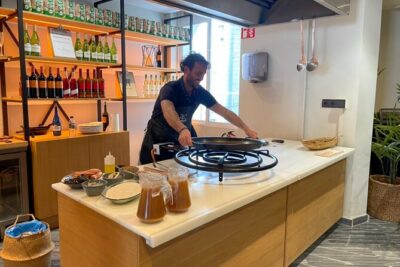
This hands-on Seville class takes you into Triana Market, where you work with fresh, seasonal ingredients and cook four classic Andalusian tapas with a professionally trained chef in English. I love how starting inside the market makes everything feel real and local fast.
I also like the relaxed, friendly teaching style, with Dominique and Noelia guiding the evening and Leo running the kitchen instruction. The meal afterward is what you made, plus drinks. One thing to consider: if you want to do every step completely solo, you may find the flow a little more guided than DIY.
In This Review
- Key highlights to know before you go
- Triana Market: the ingredient lesson built into the meetup
- How the 3.5-hour class really flows (and why it works)
- The menu you cook: four Andalusian tapas, chosen by season
- From chopping to plating: the skills you’ll actually practice
- Sangria, olives, and the wine finish: eating like you cooked it
- Price and value: what $88 gets you (and what you’re paying for)
- Who this class suits best (and what might not)
- Tips to make your night go smoothly
- Should you book the Seville Andalusian Tapas Class?
- FAQ
- Where is the class meeting point?
- How long is the Seville tapas class?
- Is the class taught in English?
- What tapas will I cook?
- Are drinks included?
- Can the recipes be adapted for dietary restrictions?
- Do I receive anything to take home?
- Is there free cancellation and reserve-and-pay-later?
Key highlights to know before you go
- Triana Market location means fresh ingredients from a real food hub, not a grocery stand.
- Cook 4 tapas (menu varies by season) and eat them right after.
- English instruction from a professionally trained chef, with step-by-step help.
- Sangria plus olives during class, then wine or soft drinks with your meal, and a local dessert wine to finish.
- Recipe handouts and tips so you can repeat the dishes at home.
Triana Market: the ingredient lesson built into the meetup
The meeting point is Triana Market, on Plaza del Altozano, in Stalls 75–77. That matters more than it sounds. When a cooking class is inside an active market, you’re surrounded by the ingredients that shape Andalusian food—tomatoes, garlic, olive oil basics, and whatever the season is actually putting on the shelf.
It also helps you read Seville like a cook. Instead of learning tapas as a vague concept, you start connecting dishes to produce you can point to. And since the school is in the market, the ingredients used are described as fresh and seasonal—so your menu isn’t just a theme, it’s current.
You’ll generally be moving between the classroom workstations and the ingredients area, so wear something comfortable. You’re not in a formal cooking demo room with perfect shoes and zero mess. You’re in Seville food mode.
You can also read our reviews of more tours and experiences in Seville

How the 3.5-hour class really flows (and why it works)
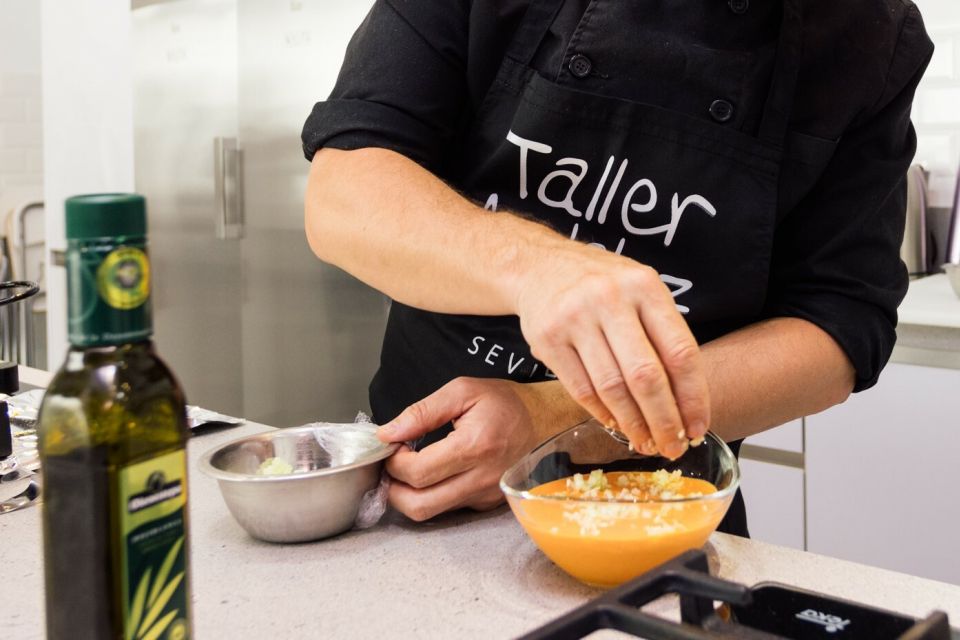
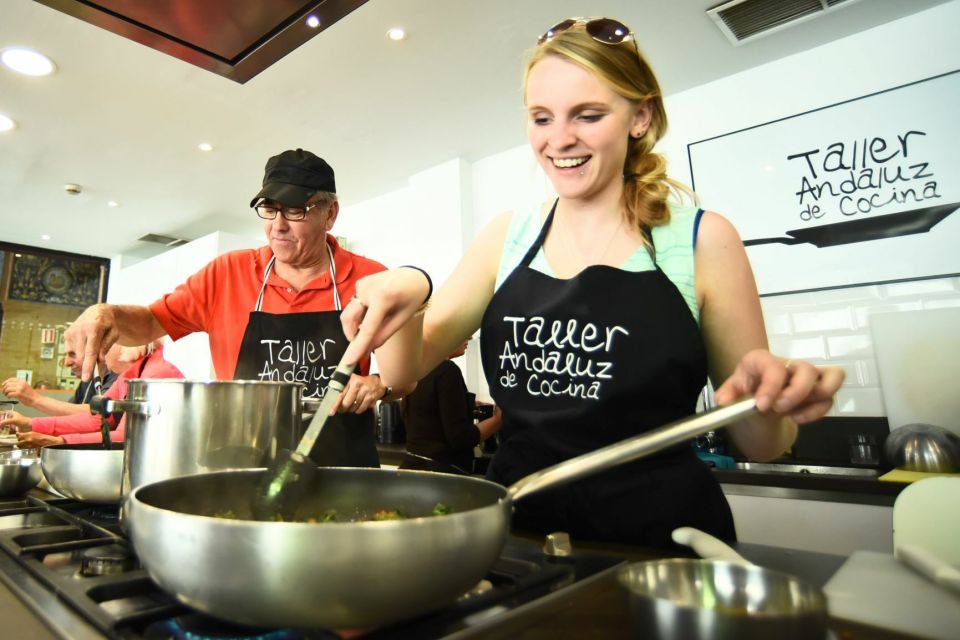
This experience is designed to feel like an evening out that happens to be educational. You’ll have 3.5 hours total, taught in English, with everything provided: ingredients, utensils, and an apron.
A typical flow looks like this:
- You begin with drinks during the prep time (sangria is served during class, and table olives show up as well).
- You cook four traditional tapas, with the chef guiding you and letting you participate.
- At the end, you eat what you prepared, accompanied by up to two extra drinks (Spanish wine, beer, or soft drinks).
- You finish with a local sweet dessert wine.
Why this timing is smart: you get practice first, then a reward meal that’s actually tied to the cooking. Many food tours end with a bite somewhere else. Here, the dinner is part of the class.
Also, the teaching style comes through in the reviews. People describe an atmosphere that’s relaxed and social. Dominique and Noelia are mentioned for friendly guidance and giving room to talk, while Mayte and Leo show up as supporting hosts/chefs who keep things moving and calm.
The menu you cook: four Andalusian tapas, chosen by season
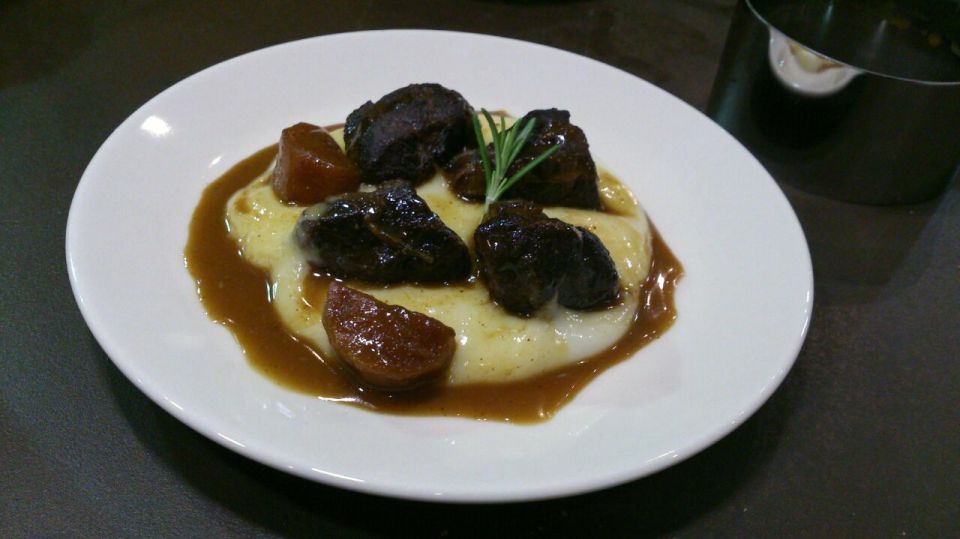
Your four tapas come from a set list, but the exact picks depend on the season. The options include:
- Salmorejo or Gazpacho
- Spanish omelet
- Spinach on garlic toast
- Huevos a la Flamenca
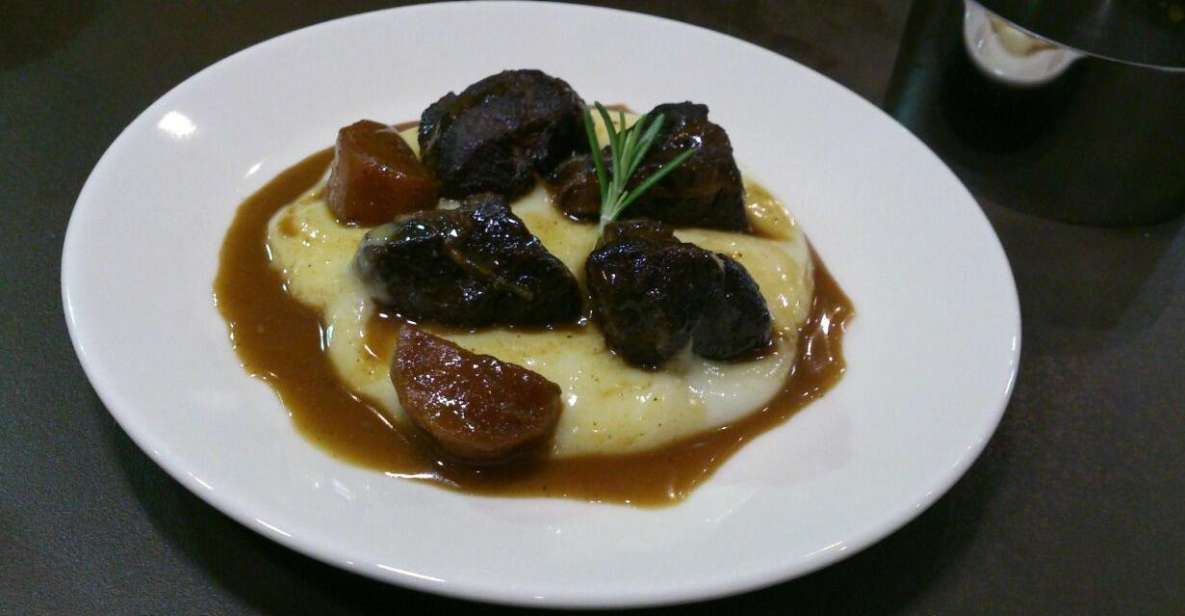
- Iberian pork cheeks stew
- Codfish in batter or codfish croquettes
- Shrimps in garlic oil
That flexibility is a plus. Andalusian cooking is seasonal in a very practical way. Tomatoes don’t taste the same in every month, seafood and herbs shift, and stews tend to follow what’s available. So the class reflects real cooking, not a museum menu.
Here’s what each possible tapas-style dish is about, in plain terms, so you’ll know what you’re signing up for:
- Salmorejo / Gazpacho: cold soups built around blending and balance. Salmorejo usually feels thicker and silkier; gazpacho tends to be lighter. Either way, you’ll focus on cutting flavor with acidity and getting the texture right.
- Spanish omelet (tortilla española): the classic Seville/Madrid comfort bite. The challenge isn’t fancy ingredients—it’s heat control and patience so the egg stays tender.
- Spinach on garlic toast: simple ingredients, strong payoff. Expect garlic that tastes mellow rather than harsh, plus bread that soaks up just enough sauce or oil.
- Huevos a la Flamenca: eggs baked with flavors from a tomato base. It’s a comfort dish with a little drama—spoonable, aromatic, and great with bread.
- Iberian pork cheeks stew: slow-cooked, tender, and deeply savory. This is the kind of tapas that turns a small plate into a full-on dinner mood.
- Codfish in batter or codfish croquettes: either you’re doing a fry/batter moment or shaping a creamy filling into croquettes. Both are about texture—crisp outside, flavorful inside.
- Shrimps in garlic oil: quick-cook seafood with garlic and olive oil. The goal is not to overcook—just to get the sweet, briny flavor and a fragrant sauce.
If you have dietary needs, the class is set up to adapt. You’re asked to advise in advance if you need changes for allergies or restrictions, and recipes are described as adaptable. That’s important, because tapas recipes often rely on egg, dairy, fish, or gluten-based items like bread and flour.
From chopping to plating: the skills you’ll actually practice
This is not a sit-and-watch class. You’re given the ingredients and tools, and you’re guided to help prepare the dishes. The exact tasks depend on the menu for your date, but the skill targets are consistent: classic Andalusian methods, done in a way you can repeat later.
Here are the most useful cooking “moves” you can expect to build:
- Emulsion and texture control (especially for cold tomato soups like salmorejo/gazpacho). You’ll learn how to blend toward the right thickness and how to balance flavors so it tastes bright rather than flat.
- Egg cookery (Spanish omelet and huevos a la flamenca). This is where confidence grows fast. Egg dishes teach you timing and temperature more than they teach ingredients.
- Garlic flavor that behaves (spinach toast and shrimps in garlic oil). Garlic can go from sweet and fragrant to bitter if handled wrong. You’ll get a feel for gentle heat and timing.
- Two ways with cod (batter vs. croquettes). Batter teaches you coating and fry timing; croquettes teach you shaping and getting a creamy interior without turning them into a messy blob.
- Slow-braise instincts (pork cheeks stew). Even if you’re not braising for hours on your own at home, you’ll understand the point of low-and-slow and how tenderness signals doneness.
- Seasoning by taste, not guesswork. Andalusian flavors are built on simple staples—olive oil, garlic, salt, acidity, and herbs—so learning when to adjust while cooking is gold.
And yes, you’ll probably still do some watching between steps. One review mentioned wanting it to be more hands-on. That’s a fair note. But even with some guidance, you walk away with techniques, not just recipes you can read like a grocery list.
Sangria, olives, and the wine finish: eating like you cooked it
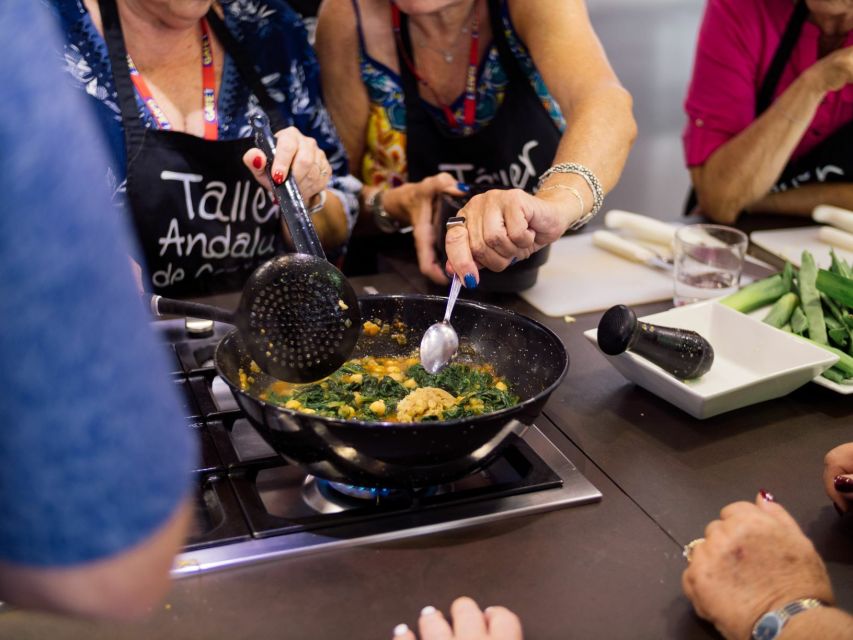
Class drinks are part of the experience design. Sangria is served during cooking time, and table olives appear as you work. It keeps the evening feeling like Seville, not a classroom where everyone eats silently at the end.
Then comes the meal: you eat the four tapas you cooked, and you get up to two extra drinks with that meal. Options listed include Spanish wine, beer, or soft drinks. After that, there’s a final sweet local dessert wine.
Why this matters for value and enjoyment: you’re not paying just for instruction. You’re paying for a full food experience where the tastiest part is tied directly to your effort. And because tapas portions are small, this format also lets you try multiple styles—cold soup, egg dishes, seafood or pork, and something fried or creamy—without feeling like you need a second dinner afterward.
One review also notes the meal was more than enough as an evening meal. That matches the structure: you don’t just nibble. You sit down and eat what you made, with drinks to match.






Price and value: what $88 gets you (and what you’re paying for)
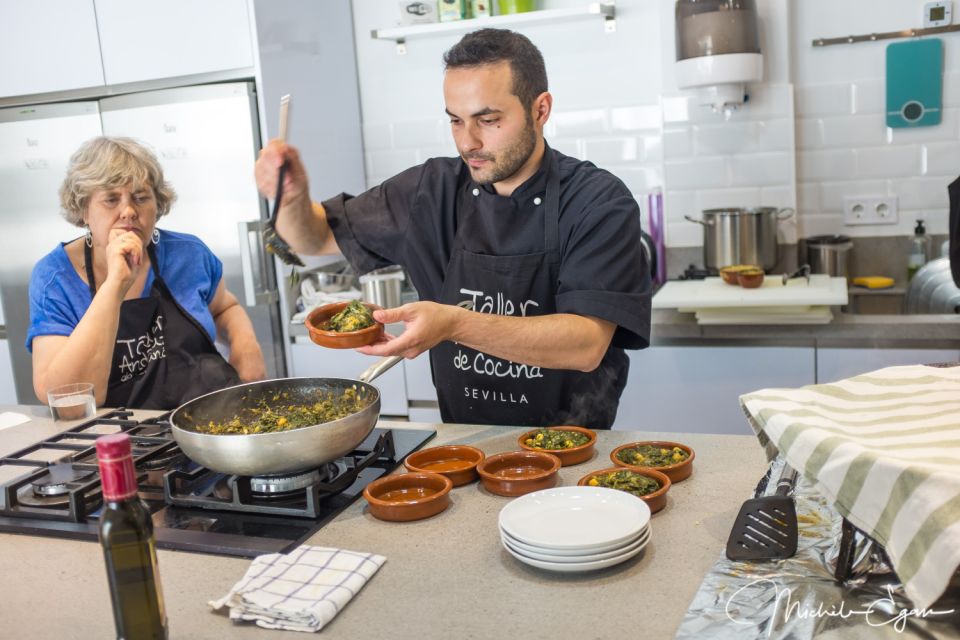
$88 per person sounds like more than a casual tapas dinner—because it is. But here’s the value logic: you’re paying for chef-led instruction, all ingredients and utensils, and a meal that uses your own cooked work as the centerpiece.
In your ticket, you get:
- All ingredients and use of an apron
- Sangria during class (plus table olives)
- The meal that includes all four tapas you cooked
- Up to two additional drinks to accompany your meal
- A local sweet dessert wine at the end
- Written recipes and lots of tips to take home
A normal tapas dinner can cost similar money in a touristy setting, but you won’t walk out knowing how to execute the dishes yourself. You won’t have a chef correcting your texture, timing, and seasoning. You also won’t have the structured menu variety packed into a single evening.
So if you’re the type who likes learning by doing, this price is easier to justify. If you only want to eat, you might feel it’s pricier than necessary. For me, the tipping point is simple: if you can see yourself cooking at home again, this class pays back fast.
Who this class suits best (and what might not)
This experience fits both novice and experienced cooks. The class is designed so you can participate whether you’re picking up kitchen confidence or sharpening technique.
It’s especially good for:
- Food lovers who want skills, not just stories
- Couples or small groups who like a guided night with a proper meal included
- Travelers who want English instruction from a chef, without the stress of language barriers in a busy kitchen
It might feel less ideal if:
- You want a pure sightseeing-and-tapas crawl with no cooking
- You’re hoping for total freeform cooking where you’re left to freestyle without much structure
- You’re very sensitive to standing and hands-on prep time (the class is practical by design)
The good news: the teaching tone comes across as friendly and relaxed, and people specifically call out the hosts (Dominique, Noelia, Mayte) for being welcoming, and Leo for keeping things organized and supportive.
Tips to make your night go smoothly
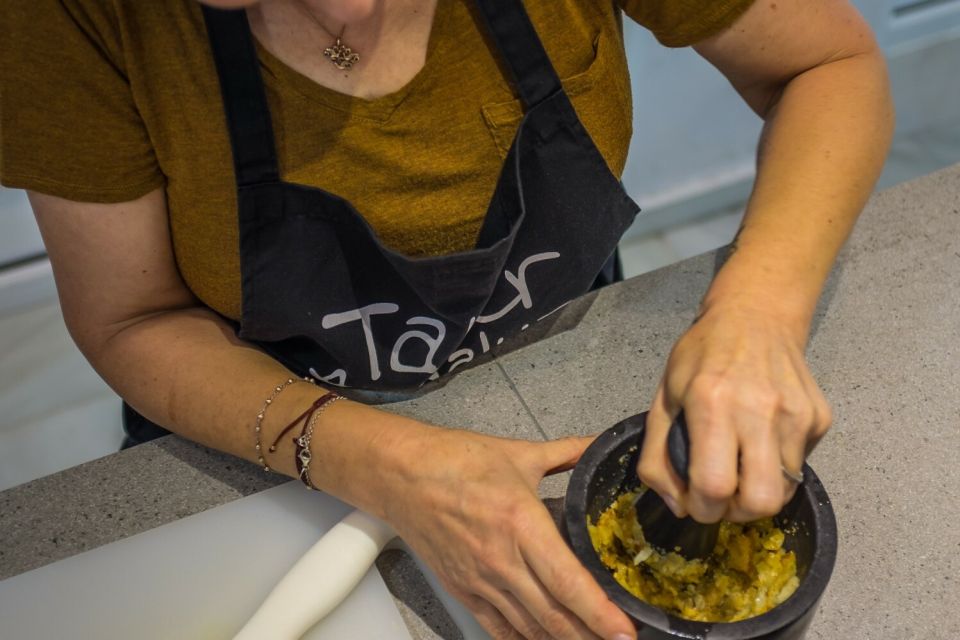
A few practical things will help you get the most out of the evening.
- Arrive with an appetite and a willingness to get involved, even if you’re a beginner. The class is designed for participation.
- If you have any allergies or restrictions, tell the operator ahead of time so your menu can be adapted properly.
- When the chef explains a step, listen for the reasoning, not just the action. For tapas, timing and balance matter more than fancy ingredients.
- Ask for tips you can use later. You’ll get written recipes afterward anyway, but the chef’s small fixes can be the difference between a decent dish and a repeatable one.
Also, save room in your head for the flavors. Andalusian tapas often lean on olive oil, garlic, and acidity. Once you taste how those elements work together, you’ll start seeing tapas as a system, not a random list of foods.
Should you book the Seville Andalusian Tapas Class?
If you want an authentic Seville food experience that combines fresh market ingredients, chef instruction in English, and a full meal you actually cooked, this is a strong pick. The $88 price feels fair because it includes far more than dinner: it includes the teaching, the produce, the cookware, and the wine-and-dessert finish.
I’d book it if you’re excited by hands-on cooking, want to leave with techniques you can repeat, and like the idea of eating your own work without hunting down reservations or different stops.
If you only care about eating and you’d rather skip the prep work, you may find this better as a “learn and enjoy” choice than a budget tapas alternative.
FAQ
Where is the class meeting point?
The class meets at Triana Market, on Plaza del Altozano, at Stalls 75–77.
How long is the Seville tapas class?
The class runs for about 3.5 hours.
Is the class taught in English?
Yes. The instruction is in English.
What tapas will I cook?
You’ll cook four traditional tapas. The exact dishes depend on the season, chosen from options like salmorejo or gazpacho, Spanish omelet, spinach on garlic toast, huevos a la flamenca, Iberian pork cheeks stew, codfish in batter or codfish croquettes, and shrimps in garlic oil.
Are drinks included?
Yes. Sangria and table olives are served during the cooking time, and you also get up to two extra drinks with your meal, plus a final local sweet dessert wine.
Can the recipes be adapted for dietary restrictions?
Yes. The recipes are described as adaptable for dietary restrictions. You should inform the tour operator in advance if anyone has allergies, intolerance, or restrictions.
Do I receive anything to take home?
Yes. You’ll be given written recipes and lots of tips to help you practice at home.
Is there free cancellation and reserve-and-pay-later?
The experience offers free cancellation up to 24 hours in advance for a full refund, and it also offers a reserve now & pay later option.