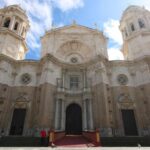
REVIEW · SEVILLE
The Seville of the 3 Cultures
Book on Viator →Operated by Sevilla&ME · Bookable on Viator
Giralda views and Jewish legends in one walk. This Seville of the 3 Cultures tour strings together big eras and small street corners, from the Medina/Jewish Quarter area to the Arenal and finally the river. You’ll move through squares, gates, and “wait, what did I just learn?” moments as the city’s power shifts from Roman administration to Al-Andalus, then Reconquest Christianity, with Jewish life left all over the map.
Two things I like a lot: you get short stops packed with stories (many are around 5 minutes), so the walk stays active without feeling like one long lecture. And the narration matters: guides like Jose and Alfredo get called out for making the neighborhoods make sense, with fun, clear storytelling.
One heads-up: a few key stops mention admission not included, so if you want to go inside, you may need extra tickets and a little extra time.
In This Review
- Key things you’ll notice on this walk
- Why Seville’s Three-Culture Story Works So Well Here
- From Plaza de San Francisco to Ayuntamiento: Getting Your Bearings Fast
- Cathedral Territory and the Archbishopric: Looking Straight at the Story
- Santa Cruz and the Jewish Quarter Squares: Where Legends Feel Close
- A Palace Square to Medieval Gates: Royal Alcázars Area Without the Confusion
- Baroque-Era Signals, Photo Tricks, and Tower Views
- Plaza Del Cabildo to Postigo: The Quarter-to-River Transition
- The Walk’s Payoff: Torre del Oro and the Best Ending Point
- Price and Value: What You’re Actually Paying For
- Small Group, Clear Narration: How It Feels in Real Life
- Who Should Book This (and Who Might Want Something Else)
- Should You Book the Seville of the 3 Cultures Tour?
- FAQ
- How long is the Seville of the 3 Cultures tour?
- Where does the tour start and end?
- What does the tour cost?
- Is there a mobile ticket?
- How large is the group?
- Are entrance tickets included for all stops?
- Can I bring a service animal?
- What if my plans change?
- FAQ
- Is confirmation received right after booking?
- Is this tour suitable for most people?
Key things you’ll notice on this walk
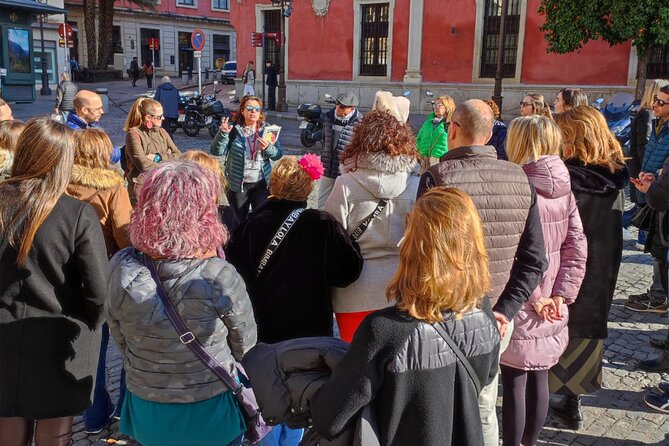
- A 2-hour route built from many quick story stops
- Four cultures tied together: Roman, Muslim, Christian, Jewish
- Jewish Quarter squares and street legends that feel local
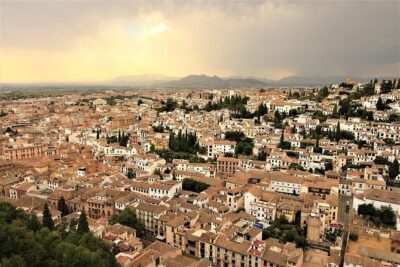
- Photo points and skyline moments near the Giralda area and the end at Torre del Oro
- A few sights may require separate entry tickets
- Small group size (up to 20) and a mobile ticket
Why Seville’s Three-Culture Story Works So Well Here
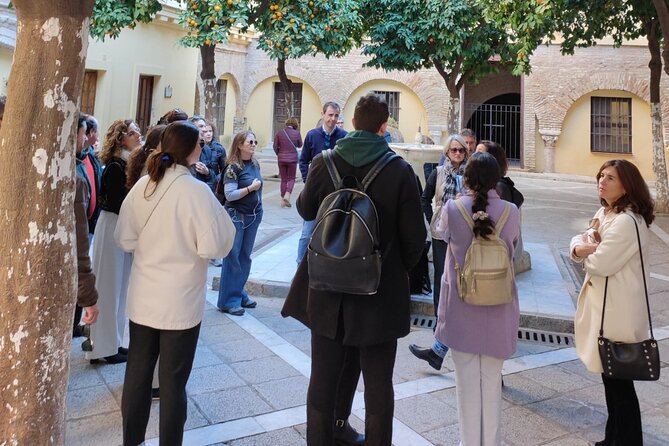
Seville is one of those cities where layers overlap. Even when you’re just walking, you can feel that the streets have been used by different communities across different rules and religions. This tour keeps that idea simple: you’re not just seeing monuments, you’re learning how the city’s roles changed over time.
What I like is how the route is planned to connect “power” with “people.” You start with a civic anchor, slide into cathedral territory, then shift into Jewish Quarter spaces and backstreets, and end at the river where Seville’s past feels broad and connected.
You can also read our reviews of more tours and experiences in Seville.

From Plaza de San Francisco to Ayuntamiento: Getting Your Bearings Fast
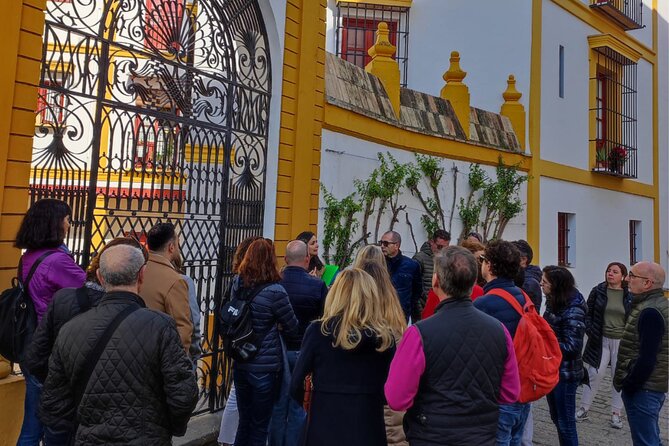
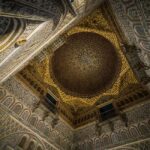
Your meeting point is Pl. de S. Francisco, 17 in the Casco Antiguo. From there, the tour moves to the Ayuntamiento de Sevilla area at the square that divides Seville into old commercial space and the more monumental side. It’s a smart opener because it frames the walk: Seville wasn’t just pretty lanes; it was also an administrative and commercial center.
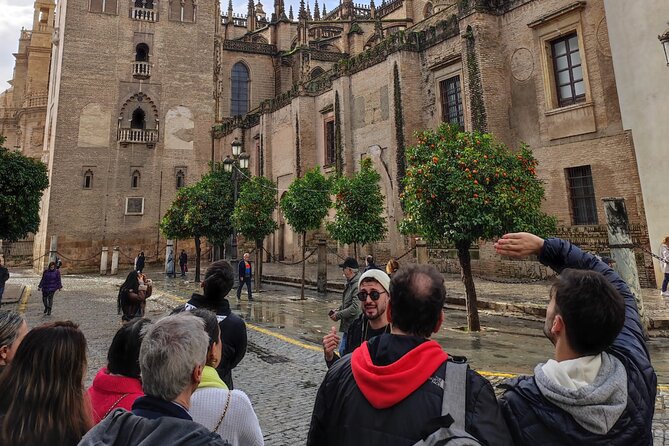
A few minutes later you reach Puerta del Perdon. This stop is all about walking through Seville’s streets while learning a story linked to the Giralda, plus getting the best photo angle for the view. It’s practical too: you’re shown where to stand so the city looks the way the guide wants you to see it.
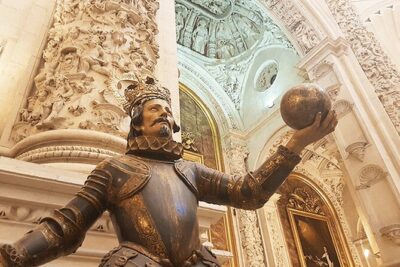
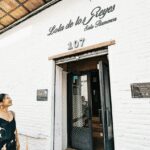
Then you’re pushed into the next “big” zone at Plaza de la Virgen de los Reyes, where the Cathedral attached to the Giralda is impossible to miss. Here the theme is what you don’t see at first glance: you’ll learn who lived in it, how it was made and finished across history, and what to pay attention to while you stand in the square.
Cathedral Territory and the Archbishopric: Looking Straight at the Story
Next comes Palacio Arzobispal, the Archbishopric. The tour description calls out the idea of Horror Vacui, and the point is not academic. You’re taught how to read what’s in front of you—especially by looking head-on—then you learn what happened to one archbishop’s standing inside the community. It’s the kind of stop that turns “a building” into “a power system,” and it’s why this tour isn’t only about photos.
One small practical note: admission is not included for this stop. So if you’re expecting every single moment to be an interior visit, adjust your expectations. On a walk like this, it’s still worth it for the exterior view and the explanation, but if you want to go inside, keep extra time (and money) in mind.
Santa Cruz and the Jewish Quarter Squares: Where Legends Feel Close
After cathedral territory, the route leans hard into the Jewish Quarter atmosphere. You start at Plaza de Santa Marta, described as a hidden square with the story of one of the largest Jewish communities in Seville. I like that you’re not just told “there was Jewish life.” You’re shown a specific place and given a reason it matters.
From there you cross into Plaza de la Alianza, marked as a square of the old Jewish Quarter. The tour frames it as the sum of many villages that passed through here, which is a helpful reminder: neighborhoods form through movement, not just through monuments. That idea fits Seville perfectly because the city keeps changing rulers and identities, and the streets keep absorbing people.
At Plaza de Dona Elvira, the focus shifts to the Santa Cruz streets and the “best prints” of the area—meaning you get direction for how to frame the neighborhood with corners and mini-squares, not just broad shots. This is also where you’re introduced to curious superstitions tied to historic minorities of Seville.
Then you move onto streets where the storytelling turns more legend-like:
- Calle Susona is presented as the neighborhood’s big legend, and the guide plays up the experience with “all the senses tuned.” Think of this as a narrative stop where you’re asked to pay attention, not just walk past.
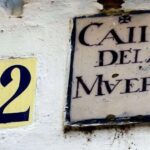
- Calle Vida flips expectations by pairing life and death imagery. The tour makes it a choice-based walk: you decide which side of the story you cross, and surprise is part of the payoff.
You finish this cluster in Judería, where the promise is sensory: after the tour, you should dream in colors, flavors, and smells. Even if you don’t remember every single legend detail later, the goal is that the neighborhood feels alive and specific, not generic.
A Palace Square to Medieval Gates: Royal Alcázars Area Without the Confusion
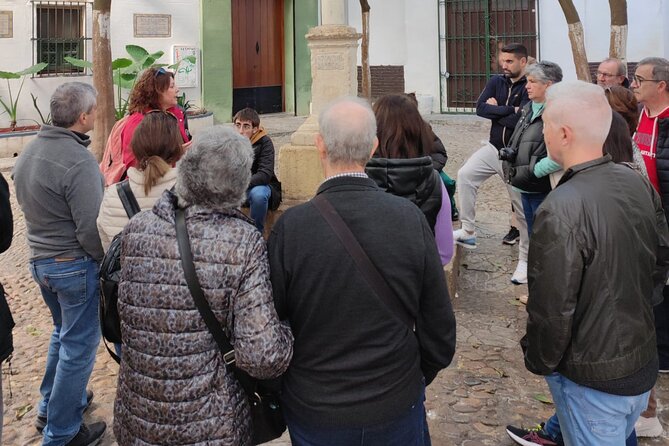
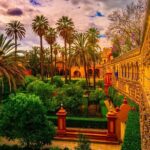
Next, you reach Plaza del Patio de Banderas. This is tied to the Royal Alcázars of Seville in spirit, with a centuries-of-history message: the tour points out who succeeded each other and what they left behind. I like this kind of stop because it helps you connect Seville’s layered past to the physical layout—who ruled, what changed, and what remained.
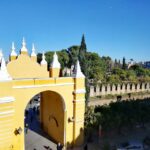
Then comes Puerta del Leon, a stop with symbology, defense, heraldry, customs, and multiple kings passing through its walls. The tour also flags admission not included here. That matters because it affects how much you’ll get from the stop: exterior storytelling can still land well, but if you’re trying to count on full interior access, plan for a partial experience unless you’re willing to add tickets.
A short step later, the route goes to Archivo General de Indias. Here the tour leans into an imaginative idea: even today it’s described as one of the places with the most pirates, and there’s an explanation for why that association sticks. Even if you don’t take every legend literally, it’s a memorable way to connect administration and empire to the documents and stories that survive.



Baroque-Era Signals, Photo Tricks, and Tower Views
At Monumento a la Inmaculada Concepcion, the tour ties Seville’s crossroad identity to art and major periods, including references to Baroque, plus a claim that this is the place where the first marketing campaign in history was created. I’d treat that as a story you’re meant to remember, not a trivia fact to debate on the spot. Still, it’s a useful reminder that public symbols often served practical goals, not just artistic ones.
Next you hit Giralillo, another icon-focused stop. The guide specifically warns that the view can deceive, and that’s genuinely helpful. Photo moments in Seville can trick you with angles and lines, so being coached on what’s misleading means your pictures tend to come out better.
Then there’s Torre Abdel Aziz, where the tour helps you see monuments from photo-friendly places but also teaches you how to feel the scale of towers and walls. The description even calls out palaces and beautiful houses, which tells you this isn’t just a skyline glance—it’s meant to train your eye to understand size, structure, and presence.
You then step into Arco del Postigo del Aceite. The stop is framed as a story-place where good times and bad times get mixed, and the Arenal Quarter is described as having everything a little. For me, this is one of those “tone shifts” that makes the end of the tour feel less like a checklist and more like a complete city mood.
Plaza Del Cabildo to Postigo: The Quarter-to-River Transition
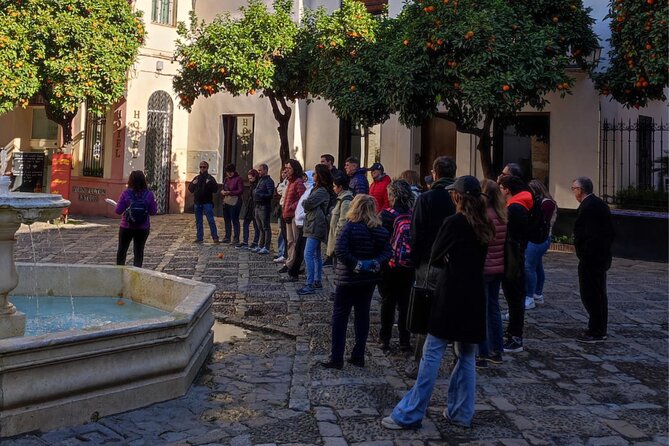
Plaza Del Cabildo is next, with a message about not leaving Seville without passing through its passageways. The tour plays up the square’s beauty and the sense that you’ll stay only halfway unless you experience it properly. Even without extra details, the instruction here is clear: don’t rush this area. Let it work on you for a few minutes.
Then you stop at Mercado Artesania El Postigo. This is presented as a place that represents “each of the villages” that settled here. In plain terms, it’s a shopping-and-sensing stop that keeps the tour from feeling too monochrome. It’s also practical: you can grab small items without having to commit to a long detour.
Finally, you cross into Puente de Isabel II (Puente de Triana). The tour calls out time for photos, plus games, comparisons, and occurrences, with pilgrim stories for the characters who crossed it. This works as a breather. You’ve been walking through lanes and squares; the bridge gives you a wider view and a clean break before the final landmark.
The Walk’s Payoff: Torre del Oro and the Best Ending Point
You finish at Torre del Oro (the end point is right in the Torre del Oro area). This is the “save the end for…” stop. The tour promises that when you arrive, understanding becomes almost absolute and you’ll feel as if you’ve always been among the city’s story.
That’s the best way to describe what makes endings like this work: the river setting naturally widens your mental map. Instead of feeling like you collected facts, you start to see connections—administration, faith, minority communities, trade and movement—folding into one Seville.
One more important note: admission is not included for Torre del Oro. So treat this as a narrative finish unless you plan to add entry separately.
Price and Value: What You’re Actually Paying For
The price is $13.88 per person for a tour of about 2 hours. That’s not cheap in the way that “free walks” can feel cheap, but it’s also not asking you to buy entry fees at every stop. Many stops are marked free for admission, which means you’re mostly paying for the guide’s storytelling, route planning, and photo-direction moments.
Two value wins here:
- You get a mobile ticket, which is simple and reduces friction.
- The route has many short stops (lots of around 5 minutes), so you’re paying for time in motion and context, not for sitting around.
The only value trade-off is the admission-not-included stops (Palacio Arzobispal, Puerta del Leon, Archivo General de Indias, Torre del Oro). If you want inside access at those places, you’ll likely add costs. If you’re happy with exterior views plus explanations, the price-to-time ratio stays strong.
Also, on average this is booked about 27 days in advance. That’s a sign the route is popular, so if you’re traveling in a busy stretch, lock it in earlier rather than later.
Small Group, Clear Narration: How It Feels in Real Life
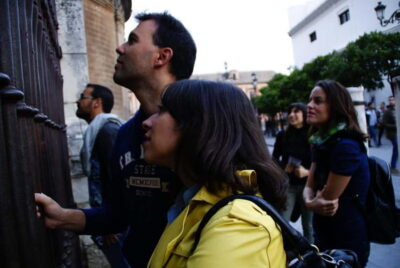
The group size cap is 20 travelers, and that tends to matter. You’re not fighting for attention. You can hear the guide without turning your head every time someone passes, and you can follow along when the story shifts from Roman administration to Al-Andalus to Reconquest Christianity to Jewish community impact.
The praise also lines up with that. People mention guides like Jose for special storytelling and people mention Alfredo for putting the neighborhood in context and explaining curious things. So you’re not just listening to a script. You’re getting human narration that turns places into meaning.
One practical planning point: it’s a walking tour with lots of short segments, so wear shoes you trust. Even if you’re not rushing, you’ll be on your feet for the full 2 hours.
Who Should Book This (and Who Might Want Something Else)
This is a strong fit if you:
- Like Seville as a layered city, not just as a set of famous landmarks.
- Want Jewish Quarter streets and legends included, not left for a separate day.
- Prefer a route with lots of quick stops instead of one or two long museum visits.
It might be less ideal if you’re hoping for mostly interior museum time. Because some sights are marked not included, you could end up with exterior viewing plus explanations more than full ticketed experiences.
Should You Book the Seville of the 3 Cultures Tour?
If you want a smart, story-driven way to connect Seville’s Roman-to-Muslim-to-Christian-to-Jewish shifts, this tour is a good bet. The walk is timed to keep momentum, the group size stays small, and the ending at Torre del Oro gives you a satisfying sense of closure.
I’d book it if you enjoy learning how neighborhoods evolved and you want guided photo-direction at key viewpoints. Skip it only if you’re specifically chasing paid interior entry at multiple stops, since several major points list admission as not included.
FAQ
How long is the Seville of the 3 Cultures tour?
It lasts about 2 hours.
Where does the tour start and end?
It starts at Pl. de S. Francisco, 17, Casco Antiguo, 41004 Sevilla, Spain, and ends in the Torre del Oro area at Torre del Oro, P.º de Cristóbal Colón, s/n, Casco Antiguo, 41001 Sevilla.
What does the tour cost?
The price is $13.88 per person.
Is there a mobile ticket?
Yes, the tour uses a mobile ticket.
How large is the group?
The tour has a maximum of 20 travelers.
Are entrance tickets included for all stops?
No. Some stops list admission ticket not included (for example: Palacio Arzobispal, Puerta del Leon, Archivo General de Indias, and Torre del Oro).
Can I bring a service animal?
Yes, service animals are allowed.
What if my plans change?
Free cancellation is available: you can cancel up to 24 hours in advance for a full refund.
FAQ
Is confirmation received right after booking?
Confirmation is received at the time of booking.
Is this tour suitable for most people?
The tour notes that most people can participate.