REVIEW · SEVILLE
Seville: City of Queens, Nuns, Sex Work & Witches
Book on GetYourGuide →Operated by Not Just a Tourist · Bookable on GetYourGuide
Seville looks different when you follow women. What I like most is the female point of view that turns famous landmarks into real human stories, not just postcards. I also love the small-group feel that keeps the pace friendly and the guide’s explanations clear, even when the topic gets uncomfortable.
One possible drawback: this is a story-forward walk with lots of standing and moving, so if you want long sit-down breaks at every site, the schedule may feel tight. Wear solid shoes and plan to stay focused for the full 2 hours.
In This Review
- Key things you’ll notice on this Seville women’s tour
- Women change the angle on Seville’s most famous places
- The 2-hour route: a story that moves, not a checklist
- Starting at Costurero de la Reina and the Exposition 1929 pavilions
- Parque de María Luisa and Doña Sol: elegance with a point
- Plaza de España and the Portugal Pavilion: where power looks theatrical
- Old Tobacco Factory and the cigar girls: labor history that hits hard
- Calle Susona, Callejón del Agua, and Santa Cruz’s narrow streets
- A bar break that keeps the vibe human
- How the guide handles tough topics (and keeps it understandable)
- Finishing at Plaza Nueva: Don Juan and Doña Inés in the real city
- Price and value: what you’re paying for at $105 per person
- Who this Seville walk is perfect for
- Should you book this Seville walk?
- FAQ
- How long is the Seville women’s themed walking tour?
- What is the group size?
- Where do I meet the guide?
- Where does the tour end?
- What languages are offered?
- Is it possible to personalize the tour or combine it with other activities?
Key things you’ll notice on this Seville women’s tour
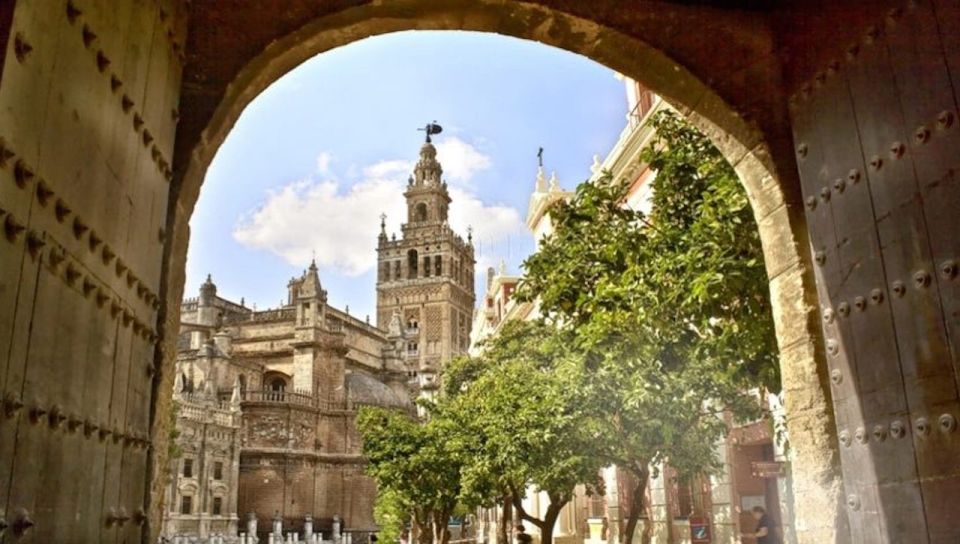
- Small group (up to 8 people) makes it easier to hear the details and ask questions.
- Old Tobacco Factory + cigar girls bring the city’s labor history into sharp focus.
- Exposition 1929 pavilions and Plaza de España get explained through the women connected to the era.
- Parque de María Luisa and Doña Sol add charm without losing the social-history thread.
- Santa Cruz alleyways show Seville’s Jewish-quarter streets at walking speed, not bus speed.
- A refreshing local bar stop gives your legs a breather while the conversation keeps going.
Women change the angle on Seville’s most famous places
This is Seville with an agenda, in the best way. You start with the city’s big public faces—architecture, plazas, and famous parks—but you keep coming back to the women who shaped daily life and power structures. The theme covers a wide range: queens and court life, nuns and religion, sex work and survival, and even witches and superstition. It’s history that doesn’t pretend everyone had the same leverage.
I like that the guide doesn’t treat women’s history like a side note. Instead, it’s the lens for the whole route. You’ll see how choices, restrictions, and risks played out in real locations—some glamorous, some gritty, some tucked behind doorways.
You can also read our reviews of more city tours in Seville



The 2-hour route: a story that moves, not a checklist
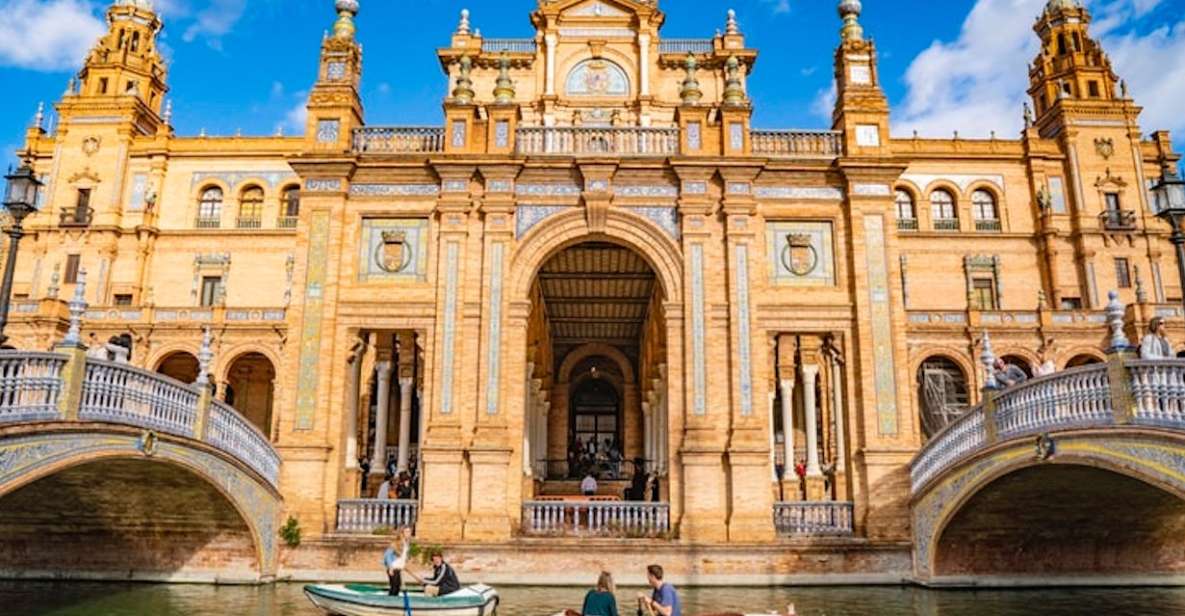
This walk is built for flow. You’re in motion most of the time, but the stops are short enough to keep the pace lively. You’re also not just looking at buildings. At each major point, the guide ties the place to a person (or a role) and explains why that matters.
With a group capped at 8 people, the guide can keep everyone tracking the narrative. That matters because themed tours live or die on clarity. When the guide is good (and this provider often gets singled out for it), the route feels like one continuous lesson you can hold onto.
Starting at Costurero de la Reina and the Exposition 1929 pavilions
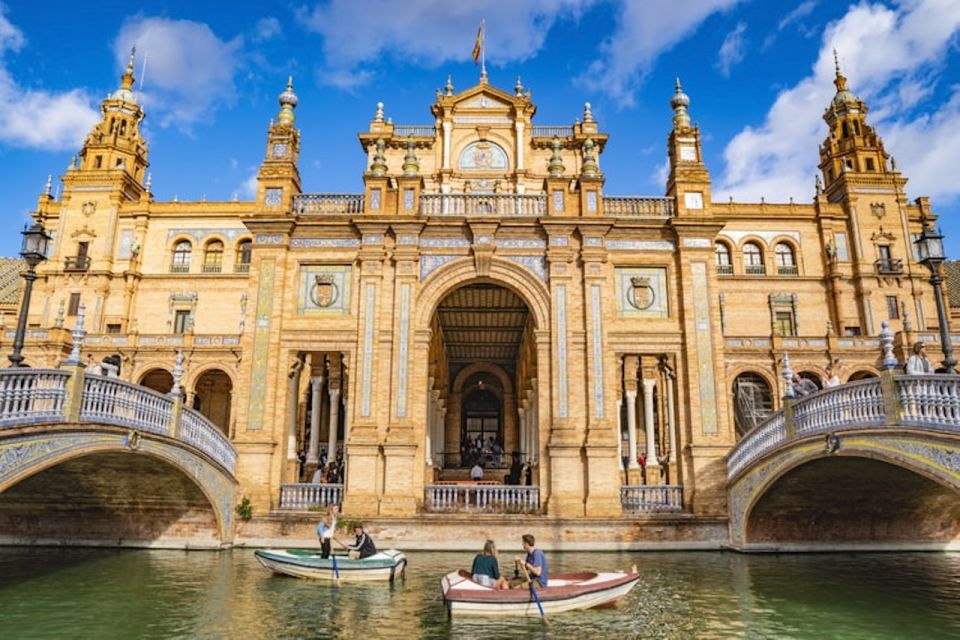
You begin at the Costurero de la Reina monument on P.º de las Delicias. Even if you’re not a “monument person,” this is a strong opening because it signals what the tour is really about: how women’s work and status were framed in Seville. The stop is brief, but it sets the tone for the rest of the walk.
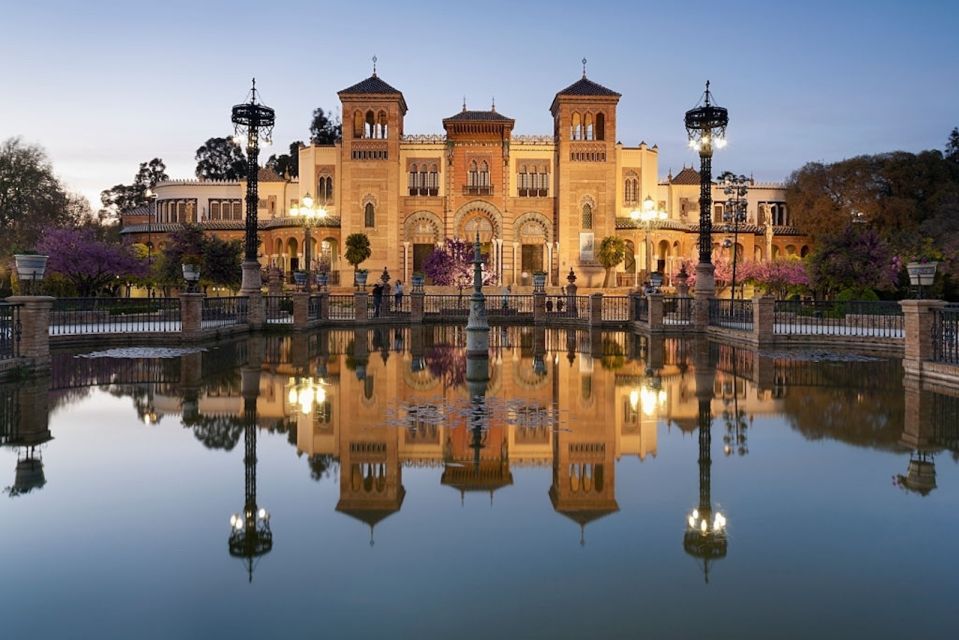
From there, you head into the Exposición 1929 zone. The route includes the Pabellón de Estados Unidos and later the Pabellón de Portugal. These aren’t just decorative backdrops. In this tour’s context, you’re watching how exhibitions and public spaces helped project identity—who got celebrated, who stayed out of the spotlight, and how social roles showed up in the public imagination.
If you like architecture, you’ll enjoy these moments for their big scale. If you’re more into human stories, you’ll appreciate how the guide connects the buildings to the people and pressures around them.
Parque de María Luisa and Doña Sol: elegance with a point
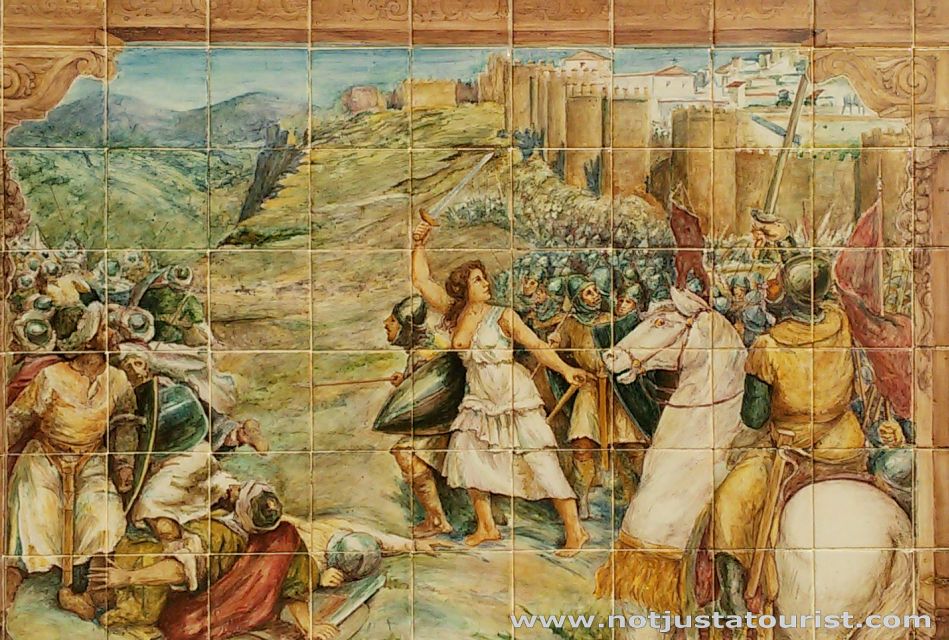
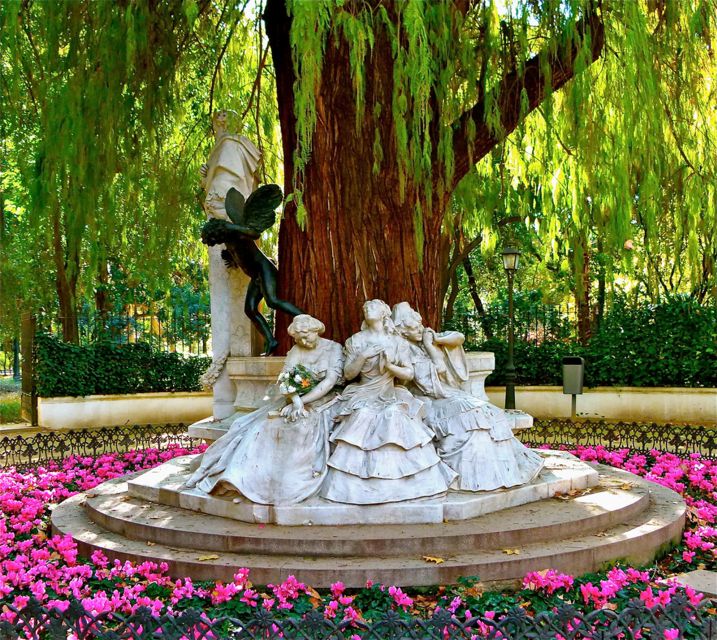
Next comes Parque de María Luisa, one of Seville’s most popular parks. Expect a pleasant walking rhythm and plenty of visual payoff, but don’t treat it like a simple scenic break. The tour uses this section to keep the theme grounded in personality and status—who had influence, who had expectations, and how those forces shaped daily life.
You also pass through or stop at Glorieta de Doña Sol. This is the kind of spot where a guide can make a quiet corner feel like part of a bigger argument. The value here is not just seeing the place; it’s learning how the story ties back into Seville’s wider culture.
Practical note: parks can be sunny, and the tour is only two hours total. If you burn easily in heat, bring water and plan to slow your pace during transitions.
Plaza de España and the Portugal Pavilion: where power looks theatrical
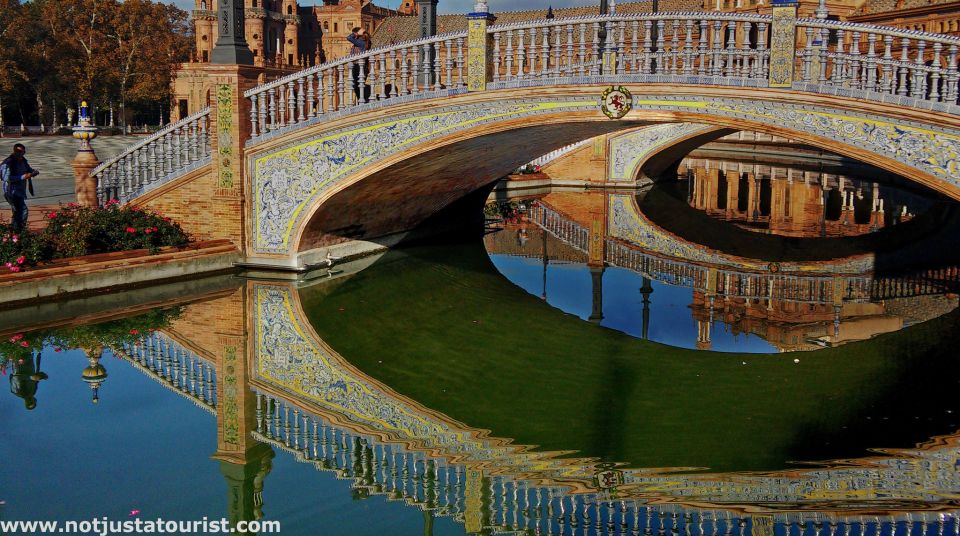
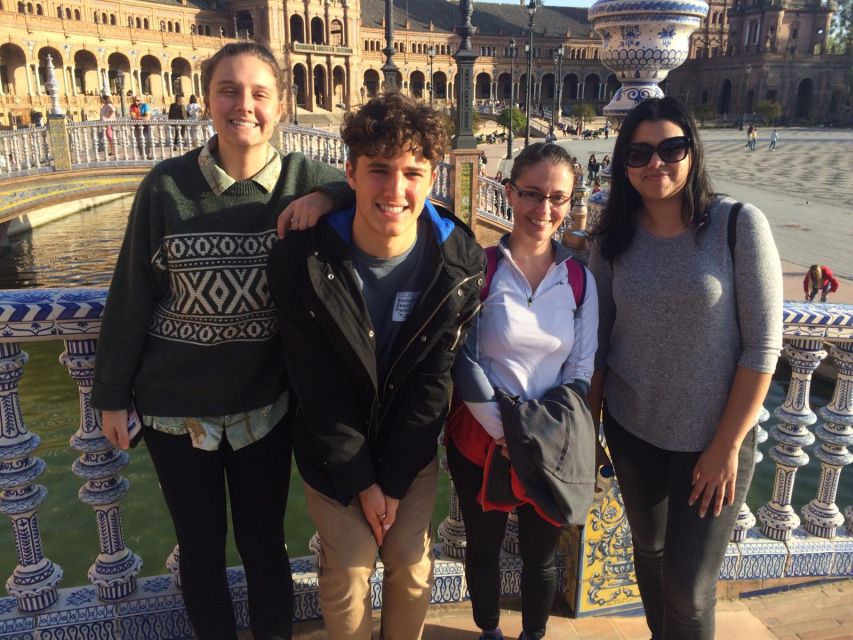
Then you reach Plaza de España, which is one of Seville’s signature sights for a reason. It’s wide, dramatic, and photogenic. But on this tour, it’s also explained through the kinds of roles women held in public life and how visibility works in a city that loves pageantry.
After that, you visit the Pabellón de Portugal. On a typical sightseeing plan, you might skim the surface. Here, the guide focuses on what the space communicates—who belonged inside the story and how women’s lives were shaped by those norms.
One thing to keep in mind: this is a guided stop, not a free-for-all roam. If you want extra time to explore every detail on your own, you’ll have to keep your photos quick during the guided portion and then circle back later.





Old Tobacco Factory and the cigar girls: labor history that hits hard
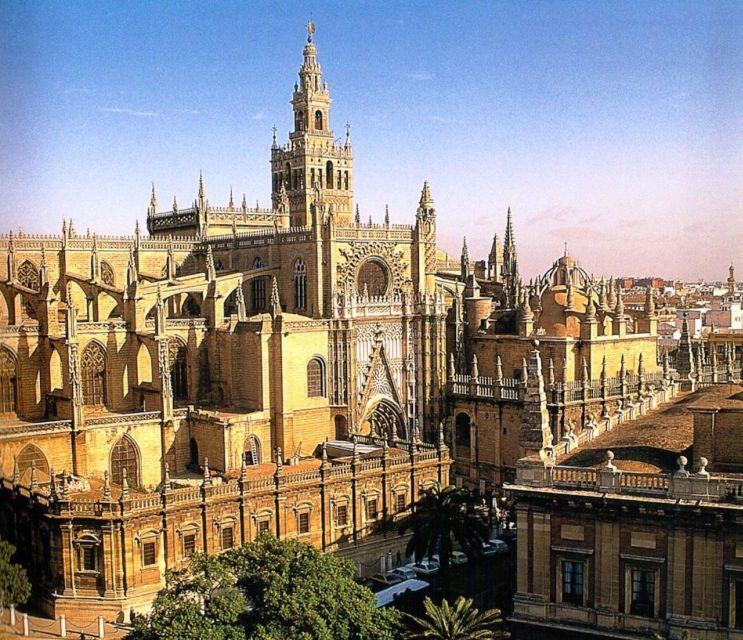
The route includes the Antigua Fábrica de Tabacos (Old Tobacco Factory). This is one of the most powerful parts of the walk because it turns a specific location into a window on work, class, and gendered power.
You’ll hear about the cigar girls—women who worked in Seville’s tobacco industry and became a symbol of how ordinary labor could carry political weight. Even if you don’t know the backstory, the guide’s framing helps you see why this matters beyond the facts. It’s about how women built influence in spaces designed for control.
If you’re into social history, you’ll likely leave this segment thinking longer than you expected. It’s not just an interesting story; it changes how you look at the city’s institutions.
Calle Susona, Callejón del Agua, and Santa Cruz’s narrow streets
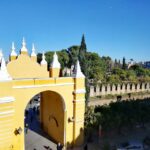
After the industrial and exhibition-era stops, the walk shifts into older, narrower streets. You’ll move through areas connected with the city’s Santa Cruz quarter and spend time in the alley network—places that feel made for walking slowly and listening closely.
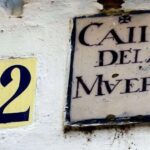
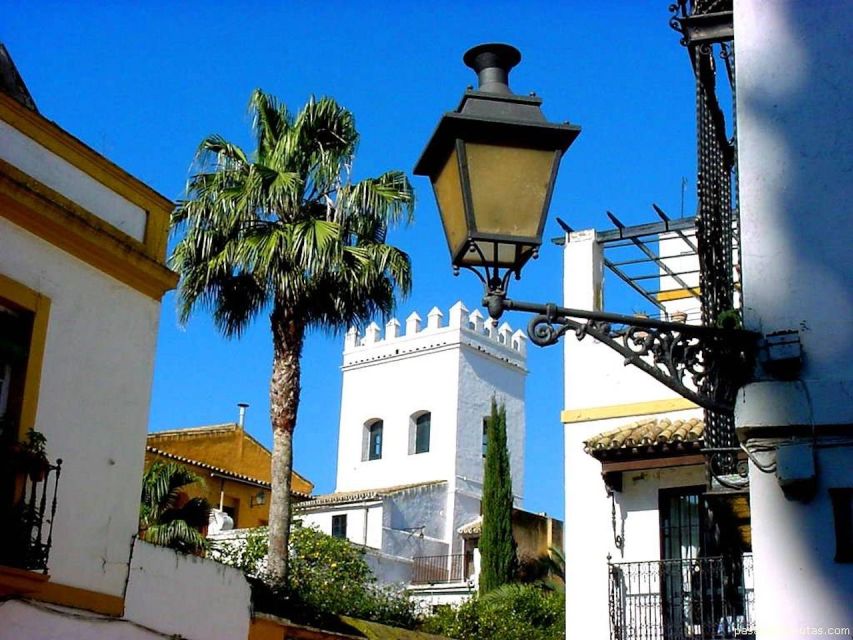
Stops include Calle Susona and Callejón del Agua before you reach Santa Cruz. This is where the tour earns its “hidden corners” promise. Even if you’ve been to Seville before, these small street moments often don’t get enough attention when people rush straight to plazas.
A themed guide helps here because the streets aren’t just charming—they’re part of how communities lived. You’ll feel the difference between Seville’s wide public faces and the tighter reality behind them.
A bar break that keeps the vibe human
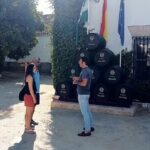
About midway through the tour, you’ll stop at a local bar for a refreshing break. This is a small detail that makes a big difference. It gives you a reset without killing the momentum, and it’s a practical way to keep everyone comfortable during a two-hour walk.
Because the rest of the route stays story-heavy, this drink stop can help you stay in the moment rather than mentally speed-walking to the end.
How the guide handles tough topics (and keeps it understandable)
The theme is bold: queens, nuns, sex work, and witches. Some tours mention these ideas. This one uses them to build perspective—how women gained power, lost power, or survived under rules they didn’t write.
What really helps is the way the guides teach. Guides such as Abby and Nico are noted for storytelling that feels accessible and even funny when appropriate. Nico, in particular, is described as humorous and responsive, and even able to keep attention on younger travelers. That matters because you don’t want “gender history” to turn into a lecture. You want it to sound like real people, real pressures, and real decisions.
If you’re the type who worries themed tours might get too heavy, you’ll probably appreciate the pacing: serious when needed, then moving on before fatigue takes over.
Finishing at Plaza Nueva: Don Juan and Doña Inés in the real city
You end at Plaza Nueva, and the tour closes with a story linked to a literary Don Juan and Doña Inés. It’s a fitting finish because it ties together the tour’s big ideas about reputation, romance, control, and consequences—what happens when women become characters in other people’s narratives.
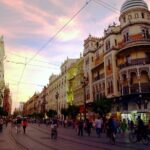
Plaza Nueva is lively and central enough that you can keep exploring right away. You’re not stranded at the edge of town, and you’re not stuck backtracking through the same streets you already walked.
Price and value: what you’re paying for at $105 per person
At $105 per person for a two-hour guided walk, you’re paying for three things that usually cost extra on your own:
- A guide who connects locations to women’s roles across different eras
- A tight route that saves you decision fatigue
- A usable wrap-up with a map and insider tips
Could you get to some of these sights by yourself? Sure. You can see Plaza de España and Santa Cruz without a guide. But the value here is the interpretation—especially around the Old Tobacco Factory and the women-centered framing that makes stops feel intentional.
If you enjoy walking tours that have a point, not just a route, this price starts to make sense quickly. If you only want broad highlights and minimal storytelling, you might find it harder to justify.
Who this Seville walk is perfect for
I think this fits best if you:
- Want Seville through a women-focused lens, not a neutral “top sights only” approach
- Like history that’s tied to places you can actually stand in
- Prefer a small group size (so you’re not shouting over strangers)
- Enjoy guides who use humor and storytelling to keep things moving
It may be less ideal if you:
- Hate guided walking and prefer to roam at your own speed
- Want long museum-style stops where you can read everything slowly
- Are seeking purely architectural commentary without social-history context
Should you book this Seville walk?
I’d book it if you’re excited by the idea that Seville’s famous landmarks still have real human stories hiding behind them. This tour does a good job connecting major sights—like Plaza de España and the Old Tobacco Factory—to women’s experiences in ways that feel practical, not preachy.
It’s also a smart use of time. Two hours is long enough to get a meaningful story arc, and short enough that you won’t feel stuck if you’re tired.
If your schedule is tight and you want Seville to make sense beyond the obvious photos, this is a strong pick.
FAQ
How long is the Seville women’s themed walking tour?
It runs for 2 hours.
What is the group size?
The tour is limited to a small group of up to 8 participants.
Where do I meet the guide?
The meeting point is the Costurero de la Reina monument, P.º de las Delicias, 3, 41001 Sevilla, Spain.
Where does the tour end?
The tour finishes at Plaza Nueva, 41001 Sevilla, Spain.
What languages are offered?
The guide offers live tours in English and Spanish.
Is it possible to personalize the tour or combine it with other activities?
Yes. You can ask for a more customized tour or a combination of this tour with other activities, tours, or workshops offered by the provider.