REVIEW · SEVILLE
Seville: Hospital de los Venerables Ticket with Audio Guide
Book on GetYourGuide →Operated by Hospital de los Venerables · Bookable on GetYourGuide
A quiet time machine in Seville. The Hospital de los Venerables Sacerdotes visit turns a working institution into a calm art-and-architecture walk, with a church full of baroque arches, the Velázquez Art Center, and a new VR360º experience built into your visit. I love that the audio guide helps you connect what you’re seeing to why it exists, and I love that the art stops are placed inside real rooms, not just polished white walls.
One heads-up: this experience leans heavily toward art viewing (especially the church and Velázquez-related collections), so if you expected a deep “how the hospital operated day to day” focus, you may feel like you’re in museum mode more than museum-plus-hospital-details. Still, the courtyard, church, and sacristy make it feel like you walked into another century, one scene and arch at a time.
In This Review
- Key things to know before you go
- Hospital de los Venerables in Seville: the setting and the “feel” of the visit
- The audio guide: how to use it without getting lost
- Courtyard time: wooden gates, orange trees, and the Sevillian patio vibe
- Velázquez Art Center: where you get the big-name paintings in real space
- Inside the church: baroque arches, frescoes by the Valdés family, and Pedro Roldán
- The sacristy and the “why it still amazes” factor
- The VR360º novelty: adding modern sight to an old setting
- Price and value: is $14 a good deal in Seville?
- Who should book Hospital de los Venerables, and who might skip it
- Should you book this Hospital de los Venerables ticket?
- FAQ
- What does the Hospital de los Venerables ticket include?
- How long is the ticket valid?
- What languages are available for the audio guide?
- Is the VR360º experience included?
- Which parts of the building can I visit?
- Will I have to queue for tickets?
- Does this visit include cancellation flexibility?
- Is it wheelchair accessible?
- How much is the ticket?
Key things to know before you go
- Audio guide does the heavy lifting: use it to translate architecture and paintings as you move room to room.
- Velázquez Art Center, right inside the historic complex: you’re not just reading labels; you’re viewing major works in-context.
- Baroque church details are a highlight: look for the arches, frescoed walls, and the sacristy’s design.
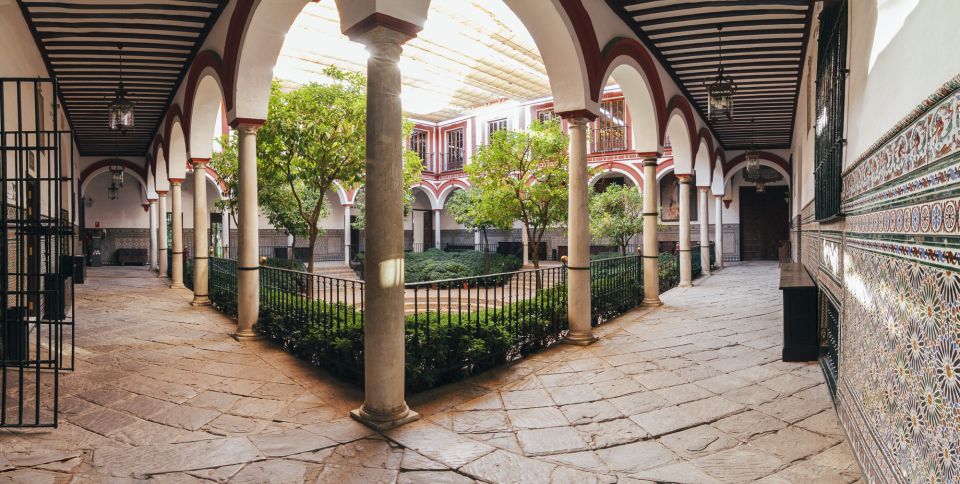
- Sevillian courtyard atmosphere: wooden gates and even the courtyard orange trees add to the old-school feel.
- VR360º is included: it adds a modern layer to a very old setting.
- Skip the ticket line: handy in Seville when streets and queues can steal your time.
Hospital de los Venerables in Seville: the setting and the “feel” of the visit
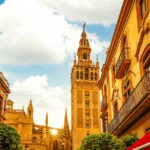
Hospital de los Venerables Sacerdotes sits in Seville’s Andalusian old-town orbit, and the whole experience is built around one idea: you’ll walk through a 17th-century Baroque complex that was founded to care for elderly people. That mission matters, because it shapes the mood. Even before you reach the church, the building’s layout nudges you to slow down.
What you’ll notice early is the blend of functions. This isn’t just a church and a museum placed in the same ZIP code. You move from courtyard space to art rooms, then into a church designed for awe—brightened by arches, softened by frescoes, and framed by pieces by major Sevillian artists and sculptors. The result is a visit that feels both sacred and cultural, without forcing you to choose one.
You can also read our reviews of more tours and experiences in Seville

The audio guide: how to use it without getting lost
You get a free audio guide included with your entry, and it’s available in Spanish, French, German, and Italian. For me, the best part is not that it tells you what a fresco depicts—it’s that it gives you a reason to care about each spot as you pass it. You’re not left standing in front of a painting wondering why this room exists.
Here’s how I recommend using it so it stays fun instead of turning into chores:
- Start the audio guide when you enter, even if you’re tempted to explore first.
- Pause your listening at each major “anchor” area: courtyard, church nave, sacristy, and the Velázquez Art Center.
- If a section feels too detailed, don’t fight it. Move ahead to the next room and let the building reset your attention.
People often praise how easy the audio guidance is to follow, and it shows. The pacing helps you keep your bearings, especially inside a complex where you could otherwise rush from one highlight to the next. If you run into a helpful staff member, names like Alvaro come up as a positive touchpoint for clear explanations. You still don’t need that for the experience to work, but it can add a bit of friendly context if you ask a question.
Courtyard time: wooden gates, orange trees, and the Sevillian patio vibe
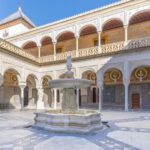
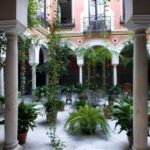
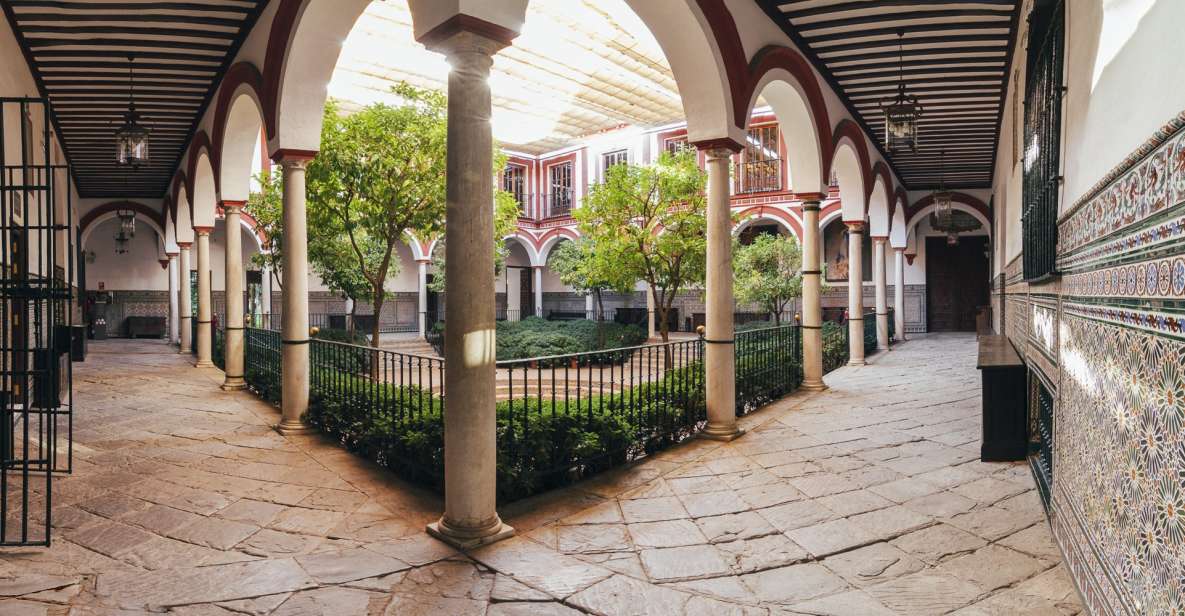
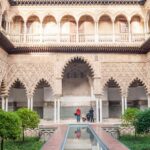
Before you hit the church, the courtyard sets the tone. You’ll stroll through the traditional Sevillian patio and take in the building’s quiet grandeur, including the old wooden doors and gates. It’s the kind of space where light and shadows do half the storytelling, and you get a sense of why courtyards matter in Spanish architecture.
You may also notice orange trees here, which gives the courtyard a distinctly Sevillian feel. It’s not just decorative. The courtyard offers a breathing space between art and sacred rooms, and it makes the complex feel lived-in, even though it’s now visited.
This patio also connects to performance. It was once used for the great plays of Miguel de Cervantes and others. That detail is easy to overlook if you treat the courtyard like a hallway, so stop for a minute. Picture how people gathered here in earlier centuries, and suddenly the architecture reads like a stage with walls.
Velázquez Art Center: where you get the big-name paintings in real space
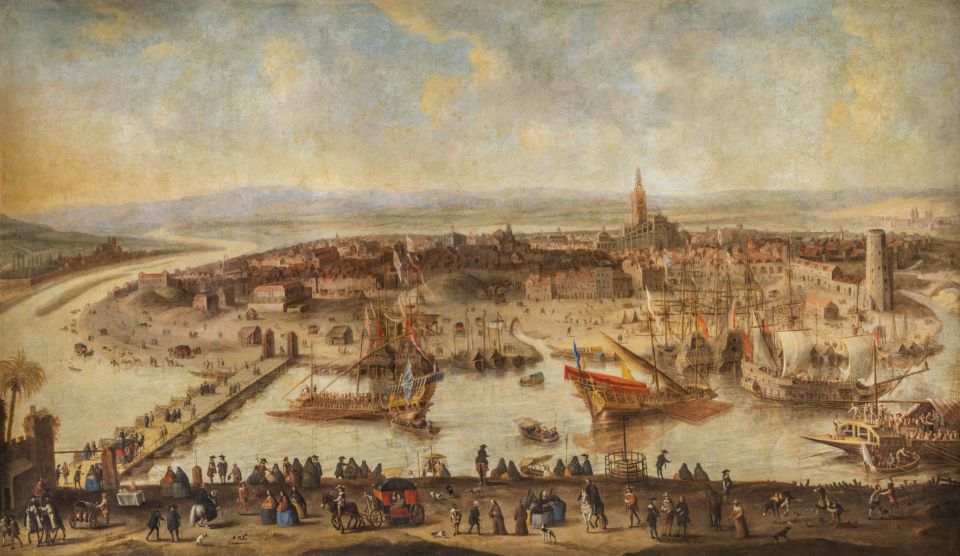
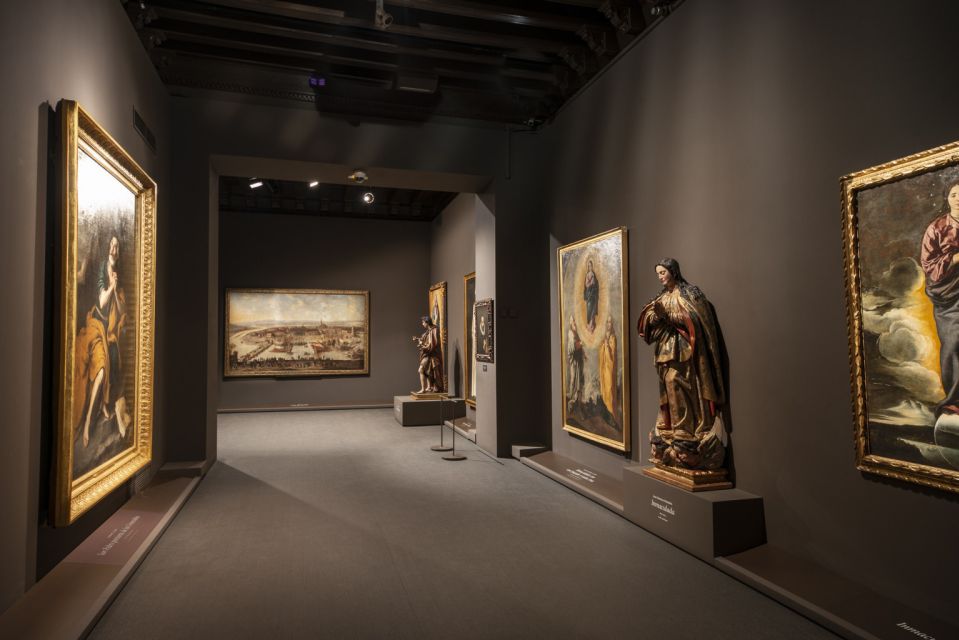
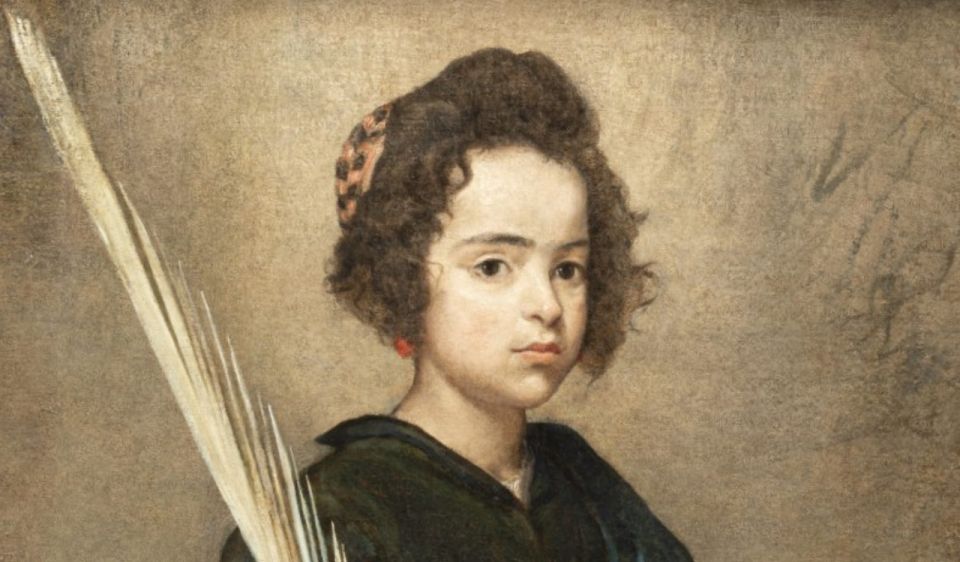
The Velázquez Art Center is built into the Hospital de los Venerables complex, and it’s a major reason the ticket feels like more than a quick church stop. Inside, you’ll find paintings connected to Diego de Silva y Velázquez and other famous Sevillian names. The goal here isn’t to rush through famous artworks like a checklist. It’s to let the art sit in the room long enough that you can actually see how the pieces fit the atmosphere.
You can expect works tied to artists such as Velázquez and Bartolomé Esteban Murillo, and the church portion also includes sculptural works by Pedro Roldán. What makes this valuable is the combination: the visual language of Baroque painting and the visual language of Baroque space are meeting in the same visit.
A practical tip: give yourself permission to slow down for fewer paintings rather than trying to see everything. If you try to cover it all, you’ll miss the small contrasts—how a painting’s mood shifts when you stand at different angles in the room.
Inside the church: baroque arches, frescoes by the Valdés family, and Pedro Roldán
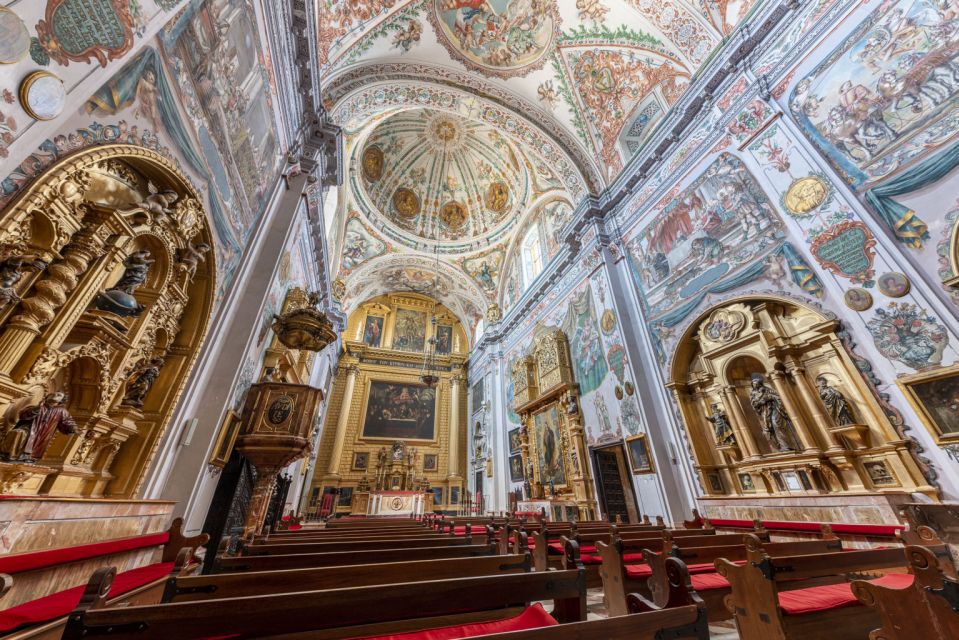
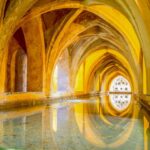
The church is where the building turns theatrical. It’s a Baroque church from the late 17th century, and you’ll walk into that moment where architecture starts directing your gaze. The arches are a standout feature, giving you layers to look at instead of a flat wall to stare at.
Don’t just scan the main altar area. Look up and around. Fresco paintings cover the walls with scenes that feel like they belong to the room, not pasted onto it. These frescoes were designed and made by the Valdés family, which is a useful detail to have in your head while you look, because it turns the decoration into a story of craft and authorship.
As you continue exploring, the church includes work by sculptor Pedro Roldán. In practice, that means you can shift your focus from painted narrative to carved form. It’s one of those helpful contrasts that keeps the church from feeling repetitive.
If you’re short on time, I’d prioritize: arches first for the architecture, then frescoes for the walls, then the sculptural elements for texture. That order helps you build from space to surface to detail.
You can also read our reviews of more guided tours in Seville
The sacristy and the “why it still amazes” factor
After the church areas, you’ll enter the sacristy. The sacristy is where you’ll start noticing the building’s construction logic—how the complex was meant to function and how its aesthetics support that purpose.
Even if you’re not a design expert, you’ll likely feel the difference between the main church spaces and the sacristy because the sacristy doesn’t rely on spectacle alone. It relies on form, proportion, and details that reward quiet attention. The architecture can still feel surprising after centuries, and this is one of the moments where the audio guide can be especially helpful if it’s pointing out what to look for.
The VR360º novelty: adding modern sight to an old setting
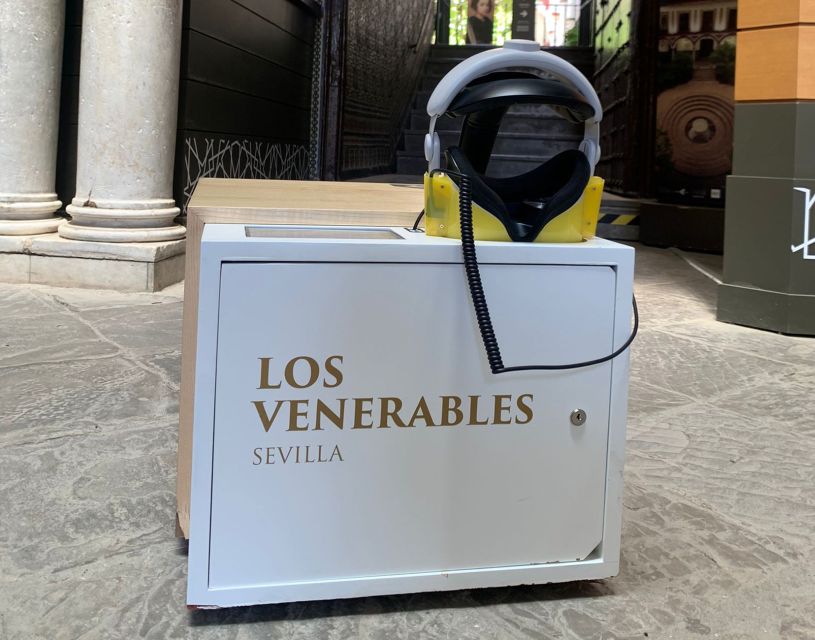
A newer 360º virtual experience is included in the visit. It’s designed to show venerables in a way you can’t get from static rooms. The practical value of this is that it gives you a different kind of context without replacing what you came for.
Think of it as a short bridge between past and present. You look at paintings and frescoes, you learn about the historic complex, and then the VR360º adds a perspective that helps the story feel less locked in behind glass. Since it’s included, you don’t need to decide whether it’s worth it before you start. You can just plan your time so you don’t miss it.
Price and value: is $14 a good deal in Seville?
At around $14 per person, this ticket competes well with other cultural stops in Seville because you’re getting multiple experiences inside one historic complex: entry to the church, sacristy, and courtyard, plus the Velázquez Art Center, plus an audio guide, plus VR360º. That’s the key value point.
What you’re really paying for isn’t only access. It’s guidance. The audio guide helps you convert a building full of details into a coherent visit, which makes the time feel more efficient. And because the art is housed inside the same Baroque environment, you don’t have to travel between separate attractions to piece together the story.
Could the price feel high if you only want a fast look at a church? Sure. But if you’re the type who likes art and architecture as a single connected experience, this is strong value—especially given the variety packed into one entry.
Who should book Hospital de los Venerables, and who might skip it
This visit is a great fit if you want:
- A calmer, art-focused stop that includes the courtyard, church, sacristy, and the Velázquez-related collection
- A use-it-and-go audio guide experience in multiple languages
- The chance to see major names like Velázquez and Murillo in the setting of a 17th-century Baroque institution
- A bonus modern component with the included VR360º experience
You might consider skipping or replacing this ticket if you expected the tour to function like a detailed history of the hospital’s daily life above all else. The experience is very much an art and architecture visit, even though the founding purpose gives it meaning.
Should you book this Hospital de los Venerables ticket?
I’d book it if you like Baroque interiors, enjoy art in historic rooms, and want a guided experience that keeps you oriented. The audio guide is a real part of the value, the church details are worth your attention, and the Velázquez Art Center adds weight to the visit.
I’d hesitate only if your priority is strictly hospital history with heavy emphasis on how it operated, not on the church and art collections. If that’s your goal, you may still enjoy the building, but you might wish you had chosen a more focused historical tour.
If you’re aiming for a meaningful, well-priced cultural hour or two (or more if you linger), this is one of Seville’s smarter picks.
FAQ
What does the Hospital de los Venerables ticket include?
It includes entry to the church, sacristy, and courtyard, entry to the Velázquez Art Center, a free audio guide, and the 360º virtual experience.
How long is the ticket valid?
The ticket is valid for 1 day. Starting times depend on availability, so you’ll want to check before you plan your visit.
What languages are available for the audio guide?
The audio guide is available in Spanish, French, German, and Italian.
Is the VR360º experience included?
Yes. The 360º virtual experience is included as part of the visit.
Which parts of the building can I visit?
You can enter the church, the sacristy, and the courtyard, and you’ll also have access to the Velázquez Art Center.
Will I have to queue for tickets?
The ticket includes skip-the-ticket-line entry.
Does this visit include cancellation flexibility?
Yes. You can cancel up to 24 hours in advance for a full refund.
Is it wheelchair accessible?
Yes, the experience is wheelchair accessible.
How much is the ticket?
The price is listed as $14 per person.