REVIEW · SEVILLE
Seville: Salvador Church, Casa Pilatos, and Metropol Tour
Book on GetYourGuide →Operated by SEVILLA OFFICIAL TOURS · Bookable on GetYourGuide
Seville can look like a postcard. This tour helps it make sense. I love how it ties art styles to real buildings you can actually stand in, and I also like that you get entry to two key monuments without wasting time. One thing to consider: this is a 2.5-hour walking tour with no mention of step-free access, so wear comfy shoes and be ready for a steady pace.
You’ll spend your time in places that overlap Seville’s layers: Moorish-influenced design, Renaissance-style touches, and then the city’s later artistic directions—plus a quick hit of modern Seville at the end. If you care about how Seville went from Mudejar roots to later styles, this tour gives you a clear path through the city instead of random sightseeing. The only drawback I see for some people: Metropol is outside only, and upper floors of Casa Pilatos aren’t included.
In This Review
- Key Highlights at a Glance
- Walking a Seville Art Timeline That Actually Fits 2.5 Hours
- El Salvador Church: Former Mosque, Holy Week Sculptures, Big Visual Payoff
- Strolling the Heart of Arabic Seville (And Why Spring Shoppers Matter)
- Casa Pilatos: Where Mudejar Form Meets Italian Renaissance Taste
- How the Tour Connects Mudejar to Renaissance, Baroque, and Today
- Metropol Outside and Las Setas Mushrooms: A Modern Seville Wink
- Price and Logistics: Is $46 Good Value?
- What You’ll Need on Tour Day (And What to Skip)
- Should You Book This Tour?
- FAQ
- How long is the tour?
- What does the tour price include?
- Which stops are included during the tour?
- Is entry to Metropol included?
- Is entry to the upper floors of Casa Pilatos included?
- Where do I meet the guide?
- What languages are available for the live guide?
- Is the tour suitable for people with mobility impairments?
- Do I need to worry about ticket lines?
Key Highlights at a Glance
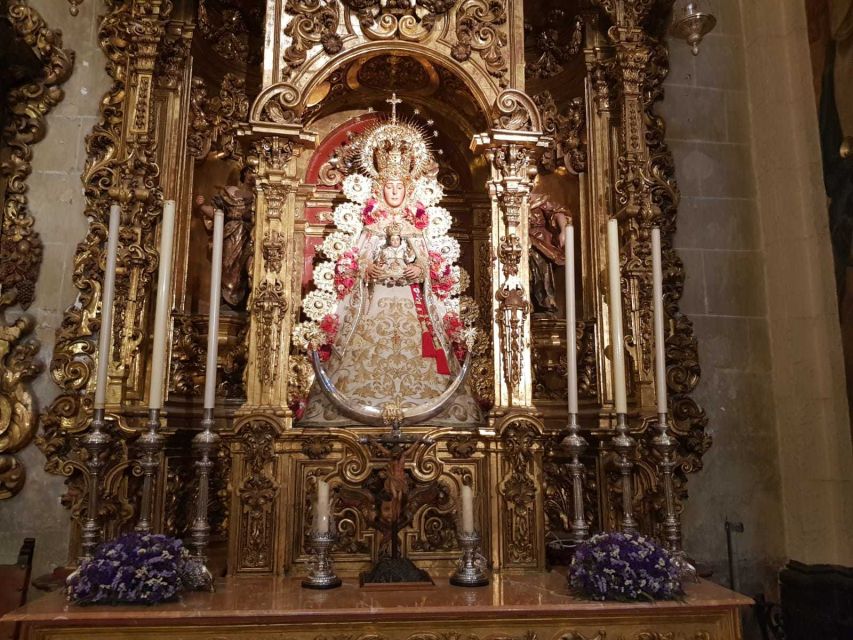
- El Salvador Church: a former mosque with impressive Holy Week procession sculptures on display
- Arabic Seville atmosphere: you walk through a lively old area where people shop for big spring events
- Casa Pilatos: Mudejar palace vibes plus Italian Renaissance influence
- Tile focus: the house is known for the best tile collection you’ll see in Seville
- Art timeline: you get the evolution from Mudejar to Renaissance, Baroque, and later regionalist/contemporary directions
- Metropol exterior and Las Setas: end with a look at the famous mushroom structure (tickets not included)
Walking a Seville Art Timeline That Actually Fits 2.5 Hours
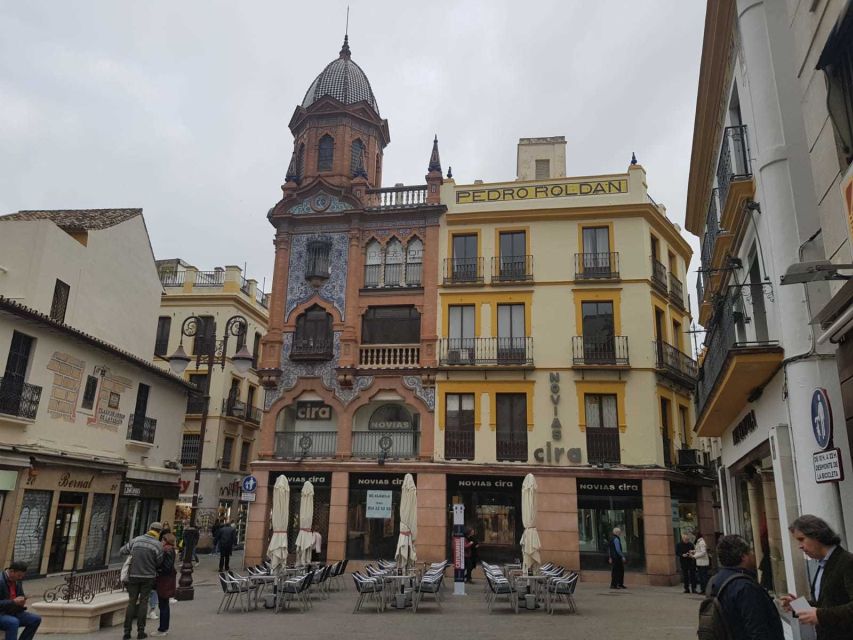
If you have limited time, this tour is the kind that helps you get bearings fast. Instead of hopping from one landmark to another, it links each stop to a theme: how Seville’s architecture and decoration changed over time. That focus matters, because Seville is full of gorgeous scenes, but not every tour explains what you’re looking at.
I like that you get both the big names and the useful context. You start with the Salvador Church, then shift into Casa Pilatos, and finish with an outside look at Metropol and Las Setas. You’ll also move through an area that used to be central to the Arabic city—so you’re not only seeing monuments, you’re experiencing a slice of neighborhood life around them.
One practical point: you’re on your feet for about 2.5 hours, and it’s not listed as suitable for mobility impairments. If you’re fine walking (and you bring comfortable shoes), this is a smart, concentrated outing.
You can also read our reviews of more tours and experiences in Seville.


El Salvador Church: Former Mosque, Holy Week Sculptures, Big Visual Payoff
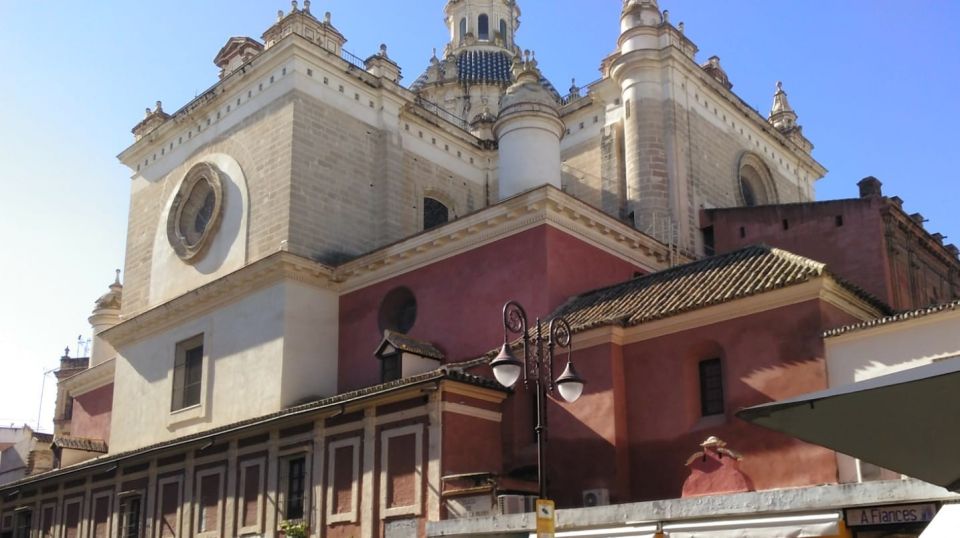
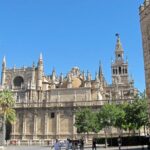
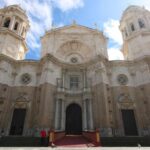
The tour’s first major indoor stop is Church El Salvador. What makes it stand out is the building itself: it was once a mosque. That single fact changes how the church feels when you walk inside. You’re not just looking at a church; you’re looking at a transformation layer in Seville’s story.
Inside, you’ll see displays tied to Holy Week processions, including sculptures associated with that tradition. If Holy Week in Seville is on your radar, this is the kind of introduction that makes the season feel real rather than abstract. Even if you visit outside the dates, the artwork and presentation help you understand why these processions matter so much locally.
Why I think this stop is valuable: it’s a shortcut to understanding Seville’s religious art culture. The tour doesn’t just toss you into a room of old stone—it connects the space to a living tradition (Holy Week) and to the building’s earlier identity (former mosque).
Possible consideration: the tour includes entry to Salvador Church, so you’re covered there. But if you’re the type who expects to roam at leisure with no structure, note that this is a guided experience with a set flow and time limits.
Strolling the Heart of Arabic Seville (And Why Spring Shoppers Matter)
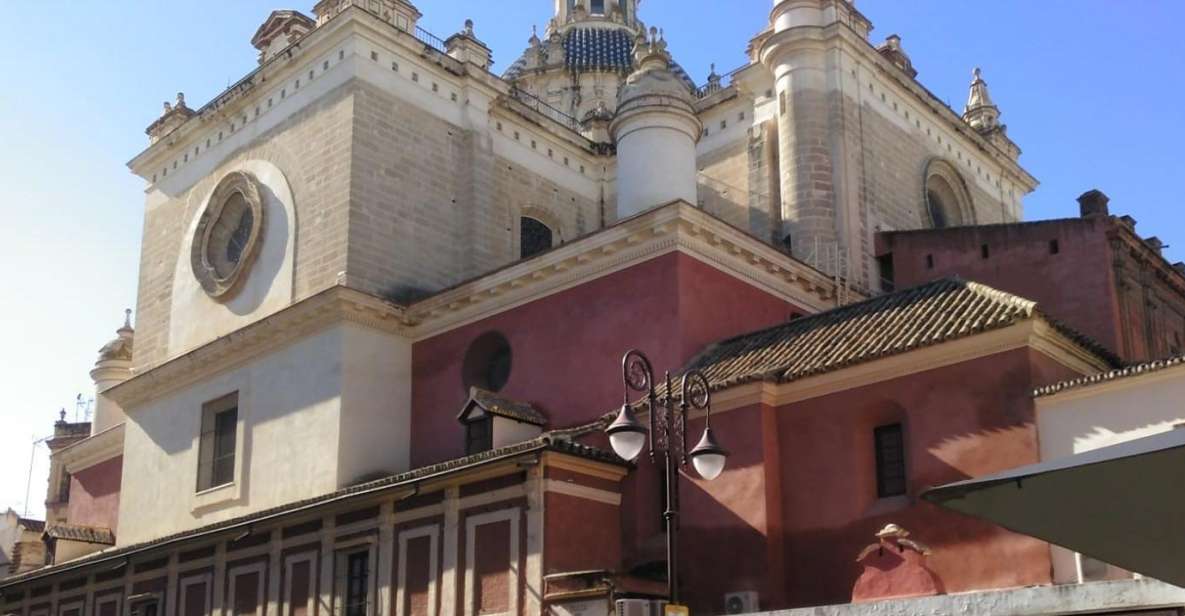
After the church, the tour shifts outdoors and starts moving through an area that was once central to the Arabic city. This part works because it’s not only about architecture—it’s about street-level Seville.
You’ll pass through a neighborhood that feels like it’s still doing its job: local life, small businesses, and everyday energy. The tour also calls out what you’ll see in shops tied to Seville’s big social calendar. You might spot items for the April Fair and the Rocio Pilgrimage, and even outfits for other events. That detail is more than trivia. It’s a reminder that the city’s traditions aren’t kept behind museum glass.
I also like the way this walking segment helps you reset your brain. After looking at stone, tiles, and sculptural displays, the street scene gives you a break while still staying on theme: Seville’s past isn’t dead. It’s built into what people buy and wear.
If you’re planning a visit in spring: treat the shopping street time as research. It can help you understand what locals mean by celebration, and why certain colors and styles keep showing up.
Casa Pilatos: Where Mudejar Form Meets Italian Renaissance Taste
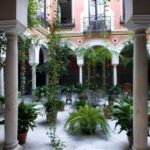
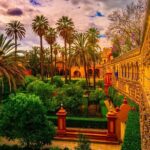
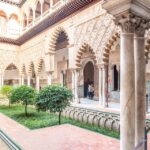
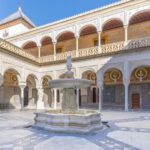
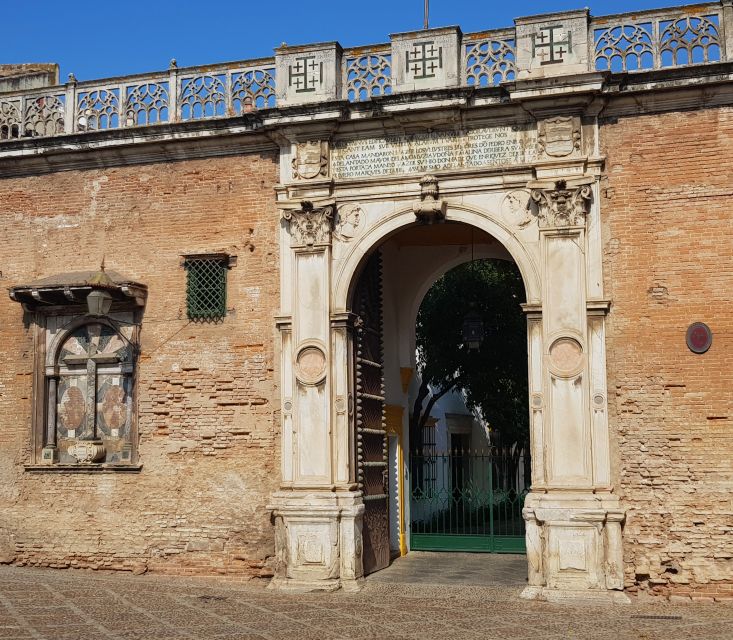
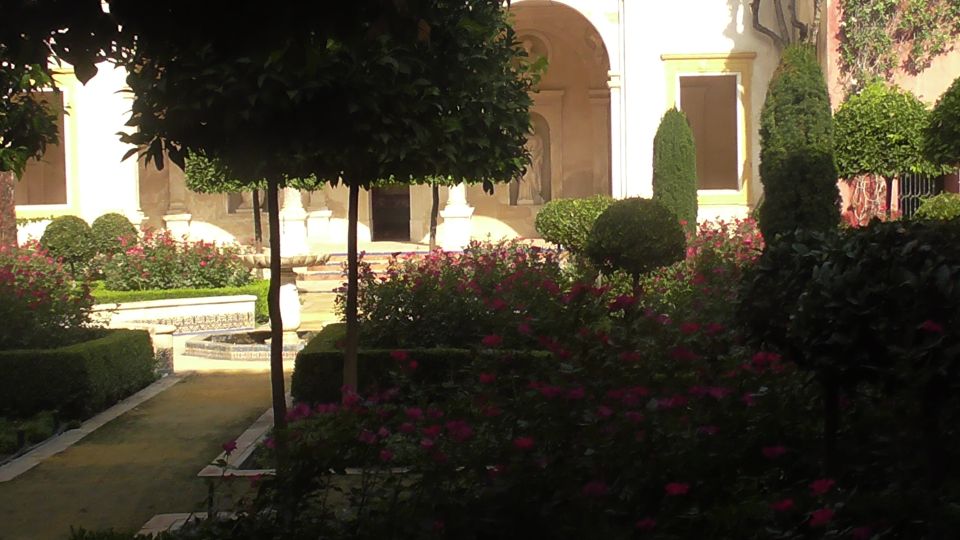
Next up is Casa Pilatos, the second monument the tour focuses on. This is the “wow” stop for a lot of people, and for good reason. It’s a Mudejar-style palace with influence from the Italian Renaissance period, so the aesthetics don’t come from just one place.
The standout feature here is the tile collection, described as the best in the city. That matters because Seville is famous for ceramic work, but tiles become really meaningful when you see how they’re used as decoration, storytelling, and design structure—not just pretty wall cover.
You’ll also learn about how styles evolved. The tour frames the building as a bridge: the Mudejar foundation set the stage, then later European tastes left their imprint. This is a key moment where you stop thinking of “old vs. new” and start seeing layers.
What’s included: you get entry to Pilatos House (ground floor). What’s not included: entry to other floors. If you usually love wandering every level, plan your expectations. You’re still getting the main experience, but you won’t have access to everything inside.
Why this stop is worth it: it’s tangible cultural education. Casa Pilatos turns abstract art history into something visual and walkable: shape, style, ornament, and how multiple influences can coexist in one place.
How the Tour Connects Mudejar to Renaissance, Baroque, and Today
A lot of tours list monuments. This one tries to explain how they fit together. The guiding idea is an artistic development path from Mudejar roots to later directions, covering Renaissance, Baroque, and then regionalist and contemporary styles.
You’ll feel that structure most when the guide compares what you’re seeing across stops. It’s not only about naming styles—it’s about noticing what changes. For example, Mudejar-influenced design tends to show up through form and decorative language, while later periods bring shifts in how space and ornament feel.
At the end of the tour, you’ll also get a small taste of more avant-garde architecture with the Metropol exterior look—so the story doesn’t end in the past. That matters if you’re the type who wants to leave with a sense of where Seville is headed, not just where it came from.
The tour’s guide experience adds something too. In the reviews tied to this tour, specific guides were highlighted by name: Miriam, Sergio, and Jesus. The common theme is strong, clear explanation—exactly what you need when you’re trying to understand design changes without feeling lost.



Metropol Outside and Las Setas Mushrooms: A Modern Seville Wink
The tour ends at the entrance area of the Metropol Building, and here’s the key detail: Metropol entry isn’t included, so you’re viewing it from the outside. That might sound limiting, but it still works because Seville’s modern contrast is part of the point.
Then there’s Las Setas, the famous mushroom structure. You’ll see it as part of the finale. Even if you’ve heard of it before, seeing it in context—after the older buildings—helps you notice how Seville keeps reinventing itself.
Why this ending is smart: it gives you a visual punctuation mark. You start with a former mosque that supports Holy Week art, move through a tile-heavy palace, and end with a modern architectural moment. It’s a full-spectrum route that fits into a short walking day.
Price and Logistics: Is $46 Good Value?
At $46 per person for about 2.5 hours, this tour lands in the “fair value” category—mainly because several important pieces are included. You get:
- Guided tour with an official guide
- Entry to Church El Salvador
- Entry to Pilatos House (ground floor)
- Audioguide system depending on group size
- A skip-the-ticket-line approach
Transportation and food aren’t included, and you’ll be walking the whole time. But given that you’re paying for two entries plus guided interpretation, it’s not just a stroll. It’s more like a guided “art and design lesson” with real access to the buildings.
Who gets the best value from this price? People who want to understand Seville’s layers quickly and don’t want to spend their limited time figuring out what to see first. If you’re the type who likes structure, you’ll feel like the money went to the points that matter.
What You’ll Need on Tour Day (And What to Skip)
Bring:
- Comfortable shoes (you’re walking for around 2.5 hours)
To make the most of the inside stops:
- Expect guided pacing. This isn’t a “wander alone with a map” plan.
- Plan your photos with the fact that some areas are excluded (Pilatos upper floors, Metropol entry).
A small tip that pays off: if you’re visiting in spring, keep your eyes open during the street portion. Seeing how locals shop for the April Fair and Rocio Pilgrimage helps you understand why the city looks the way it does during event season.
Should You Book This Tour?
Yes, I’d book it if you want a compact Seville experience that teaches you what you’re seeing—not just where you’re standing. This tour is especially good for:
- First-time visitors who want two major monuments plus context
- Anyone interested in Mudejar and later European influences
- Travelers who like a structured route with guided interpretation
- People who want an ending that contrasts old Seville with modern architecture
I’d think twice if you:
- Need step-free or mobility-friendly access (it’s listed as not suitable for mobility impairments)
- Want unlimited access to every floor inside Casa Pilatos or entry into Metropol (those aren’t included)
If you fit the first group, the $46 price feels reasonable for the combination of guided time and included entries. If you fit the second group, you’ll likely feel constrained by the excluded areas.
FAQ
How long is the tour?
The tour lasts about 2.5 hours.
What does the tour price include?
It includes a guided tour with an official guide, entry to Salvador Church, entry to Casa Pilatos ground floor, and an audioguide system depending on the number of participants.
Which stops are included during the tour?
You’ll visit Church El Salvador, Casa Pilatos (ground floor), and you’ll see the Metropol Building area from outside. Las Setas is included as part of the ending.
Is entry to Metropol included?
No. Entry to Metropol is not included.
Is entry to the upper floors of Casa Pilatos included?
No. Entry to other floors of Pilatos House is not included.
Where do I meet the guide?
Meet your guide by looking for them wearing a pink t-shirt.
What languages are available for the live guide?
The live tour guide is available in Italian, French, English, and Spanish.
Is the tour suitable for people with mobility impairments?
No, it’s not suitable for people with mobility impairments.
Do I need to worry about ticket lines?
The tour is set up to skip the ticket line for the included sites.