REVIEW · SEVILLE
The Cultures of Seville Walking Tour
Book on GetYourGuide →Operated by Sevilla4Real · Bookable on GetYourGuide
Seville layers history like no other city. This 2-hour walking tour maps the cultures of Seville through the UNESCO World Heritage feel of the center, with stops that make the past feel personal and close. You’ll start in the historic core and move through Santa Cruz, then shift into an evening mood where the stories get darker and more intriguing.
What I love most is the way the guide connects different eras so you stop seeing Seville as one postcard and start seeing it as a lived-in timeline. I also like the focus on street-level details, especially the narrow lanes of Santa Cruz, because that’s where the cultural mix feels real instead of museum-theater. One consideration: it’s a real walking outing, so plan for a lot of steps in two hours.
If you’re someone who wants big monuments only, you may feel slightly less satisfied. But if you like walking, listening, and learning how people used to live in these same corners, this tour gives you a fast, culture-forward way to understand Seville. Comfortable shoes are non-negotiable, and bring water—your feet will thank you.
In This Review
- Key things you’ll notice on the Cultures of Seville walk
- A walking tour that treats Seville like a cultural timeline
- Starting at Plaza del Triunfo and working your way into Santa Cruz
- How the Romans, Arabs, Jews, and Christians show up in everyday corners
- Nightfall in Seville: when the stories get darker
- Laraña Street and the idea of a mystery mile
- Passing Fabiola Street and Plaza de la Alfalfa when history gets tense
- Why the guides matter: Emilio, Delia, Pilar, and the art of adapting
- Pace, footwear, and what a “2-hour walk” really feels like
- Value check: why $17 can make sense for Seville
- Who should book this tour (and who might skip it)
- Should you book the Cultures of Seville Walking Tour?
- FAQ
- Where does the tour meet?
- How long is the Cultures of Seville Walking Tour?
- What does the tour cover?
- How much does it cost?
- What languages are available?
- Is this tour wheelchair accessible?
- What should I bring or wear?
- Is there free cancellation?
Key things you’ll notice on the Cultures of Seville walk
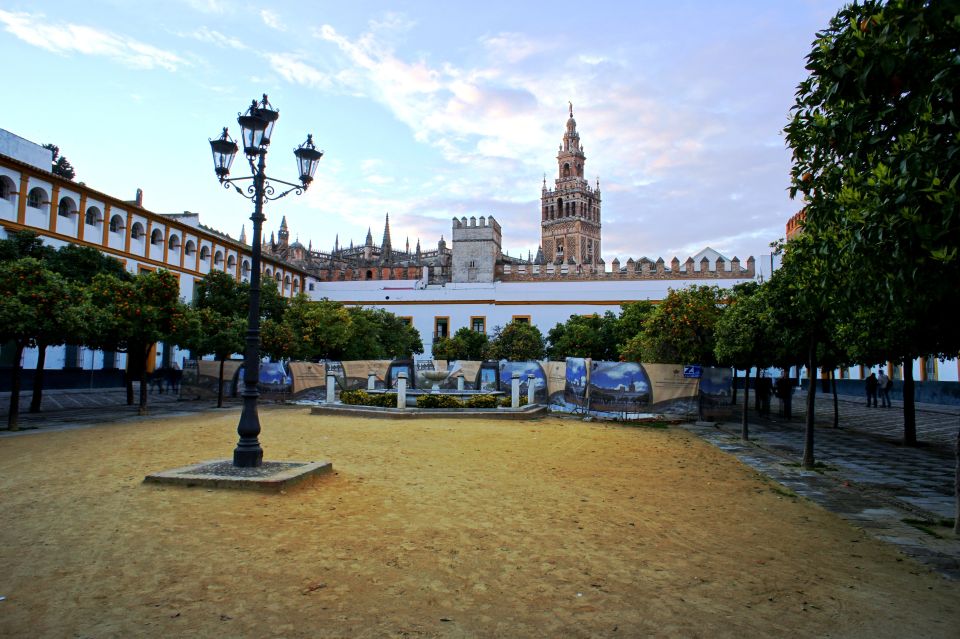
- Santa Cruz street atmosphere: narrow lanes that make the cultural history feel immediate
- Four eras woven together: Romans, Arabs, Jews, and Christians and their lasting legacy
- Evening storytelling energy: the mood shifts at nightfall, turning myths and tragedies into something you feel
- Laraña Street mystery angle: the city’s “golden mile” of mystery gets explained in context
- Recent-history stops: the walk doesn’t avoid tougher events near central landmarks
- Guides who tailor to the group: English and Spanish commentary that keeps attention from start to finish
A walking tour that treats Seville like a cultural timeline
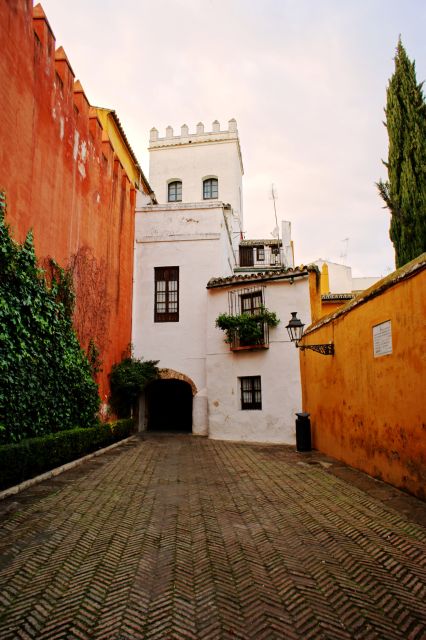
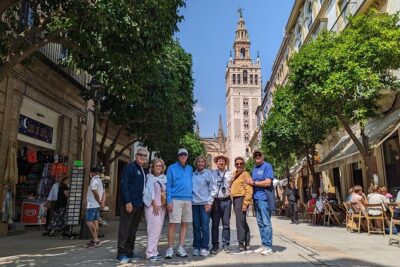
Seville’s charm isn’t just pretty walls and grand squares. It’s the way many cultures left their fingerprints on the same neighborhoods. That’s the core idea behind the Cultures of Seville Walking Tour: instead of listing dates, the guide links stories to places, so you understand how Romans, Arabs, Jews, and Christians shaped daily life—and how their legacies still show up in the city’s layout and atmosphere.
You get a focused hit of history without needing a full-day commitment. At a 2-hour pace, the goal is to help you recognize what you’re seeing as you walk. That matters because Seville can feel confusing at first: the streets curve, the buildings lean inward, and so much looks “old” you can’t tell what belongs to which era. This tour helps you build that mental map quickly.
And there’s another smart choice here: you don’t just tour the daytime highlights. The tour continues at nightfall, which changes how the stories land. Night in Seville has a different tone, and it suits the tour’s mix of legends, tragedies, and anecdotes.
You can also read our reviews of more walking tours in Seville


Starting at Plaza del Triunfo and working your way into Santa Cruz
You’ll meet at Plaza del Triunfo, near the big white column with a virgin statue. That’s an easy reference point for getting oriented, and it’s close enough to the historic center that you can start feeling the city’s old layout right away.
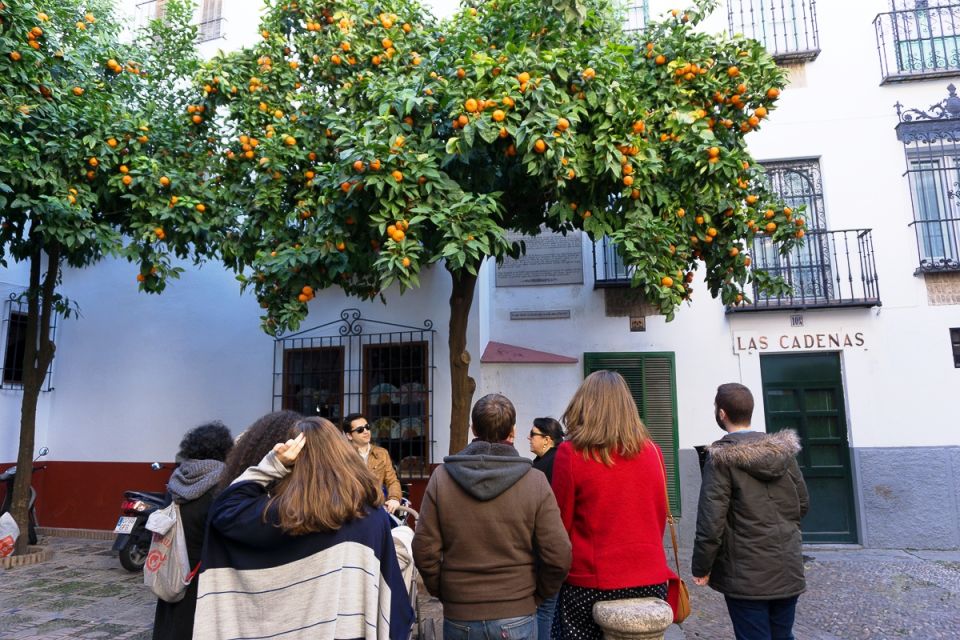
From the beginning, the tour is set up like a guided walk into memory: you move into the Barrio de Santa Cruz, the old Jewish quarter area people still talk about for its character and layered past. The narrow streets here aren’t just scenery; they’re part of the story. When buildings crowd the sidewalk and the turns come suddenly, you naturally slow down—and that makes it easier to listen to the guide.
I like tours that don’t waste time with long introductions. This one starts moving you toward the lanes and corners where you can actually imagine how earlier residents traveled through their day. If you’ve ever felt stuck in Seville looking at street views but not understanding the human history behind them, you’ll appreciate how quickly this walk gets you oriented.
How the Romans, Arabs, Jews, and Christians show up in everyday corners
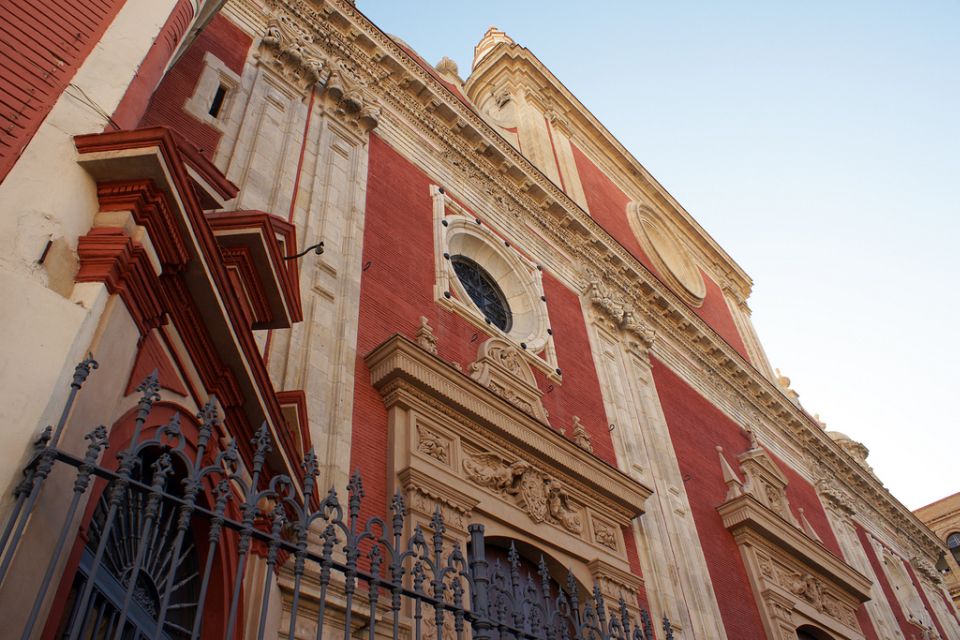
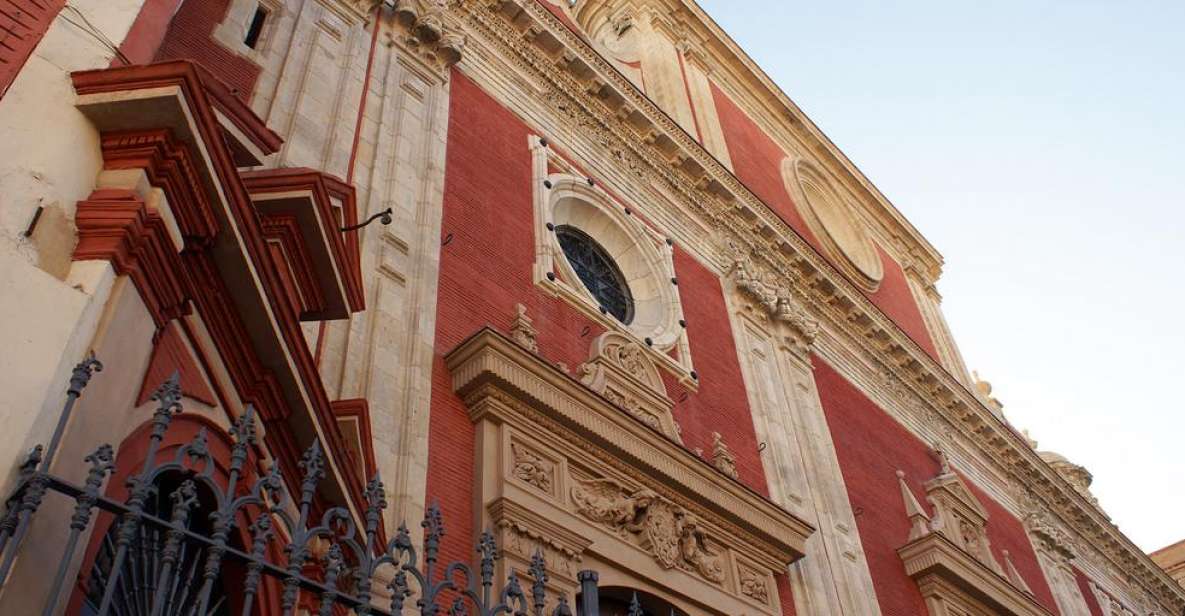
The tour’s cultural structure is simple and effective: you hear about major eras—Romans, Arabs, Jews, and Christians—and you’re taught to connect each period’s presence to what you see in the neighborhood.
Instead of focusing only on what survived physically, the guide also highlights what was remembered, what was argued over, and what people feared. That’s why the tour includes legends and anecdotes, not just facts. Legends can sound fluffy, but when a guide anchors them to street corners and local context, they become a tool. They show you how communities processed trauma and change.
Here’s what I think makes that approach work for you as a visitor:
- You stop treating history like a list. You start treating it like cause and effect.
- You learn how Seville’s identity formed over time, not overnight.
- You can look at the same street twice—first as a place to walk, then as a place shaped by earlier life.
And yes, this is still a walking tour, so you’ll be moving through the center for most of the experience. That’s a benefit if you enjoy getting “inside” a city. It’s less ideal if you want lots of seated time or prefer a slower museum pace.
Nightfall in Seville: when the stories get darker
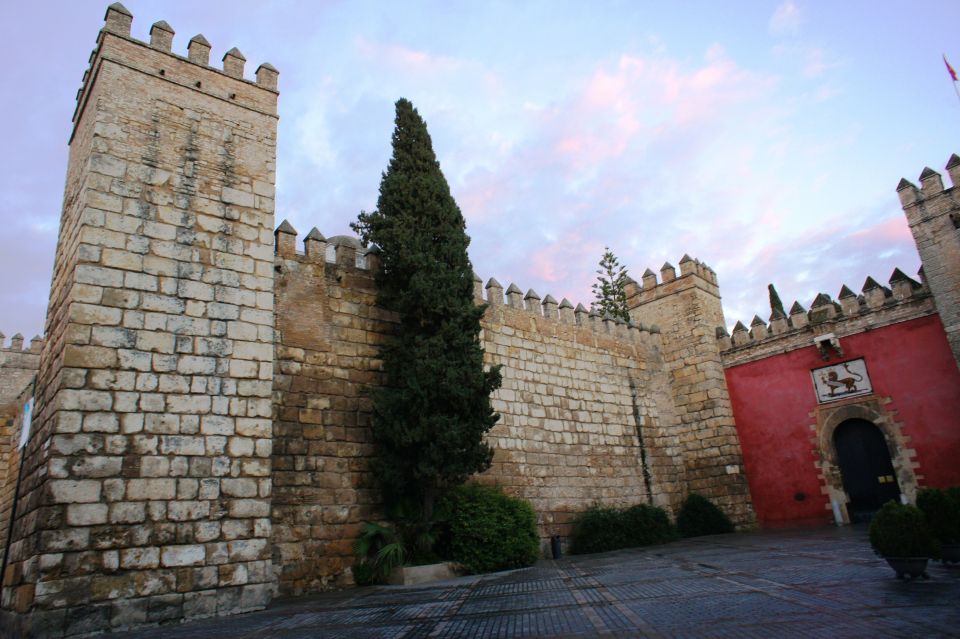
After you’ve spent time in Santa Cruz, the tour continues into the evening. Nightfall isn’t a gimmick here; it matches the tone of the content. The tour frames Seville as a city with a memory—one that includes surprising events, tragedies, and the kinds of anecdotes people repeat because they can’t stop thinking about them.
At this point, you’ll be hearing about the cultures’ stories as they collide, overlap, and sometimes break apart. That’s where the walking matters. In the daytime, you can zoom past details. At night, with softer light and narrower sightlines, the city’s mood supports the stories. You’ll likely notice yourself paying attention to small things: the feel of a corner, the way a street funnels you toward a viewpoint, the contrast between quiet lanes and the larger center.
If you hate slow group pacing, this part can feel very satisfying because it keeps moving while your attention sharpens. Just keep in mind that night turns the city into something you read with your ears as much as your eyes—bring a calm listening mindset and you’ll get more out of it.
Laraña Street and the idea of a mystery mile
One of the standout moments is Laraña Street, described as the city’s golden mile of mystery. The tour uses this street to pull a thread through the larger theme: Seville isn’t only famous for palaces; it’s famous for stories that linger in local imagination.
I like how this kind of stop does two jobs at once. First, it gives you a specific place to remember. Second, it teaches you how Seville’s legends work—why people repeat certain stories and how those stories reflect community emotions, not just entertainment.
If you’re the type of traveler who wants your photos to come with meaning, this is where you get it. You’ll look at the street and understand that it’s not random. It’s part of a map of memory the guide builds for you.





Passing Fabiola Street and Plaza de la Alfalfa when history gets tense
The walk also includes parts of the center tied to tougher moments—events in more recent years—while you pass by Fabiola street and Plaza de la Alfalfa. The useful thing here is that the tour isn’t stuck in ancient time. It connects the idea of Seville’s layered identity to the fact that communities keep reacting to events, even after the old empires are gone.
I find these kinds of stops make a tour feel more honest. Cities don’t only hold myths; they hold consequences. If you tend to avoid “dark history” on tours, you can still approach this as cultural context. You’re not being asked to judge. You’re being taught that a street corner can become symbolic after real events.
Just know what to expect from this segment: the guide will frame what you’re seeing, but the walk is still about movement. You won’t get a long lecture at one location; you’ll get a series of focused explanations while you’re walking through the city’s central flow.
Why the guides matter: Emilio, Delia, Pilar, and the art of adapting
The most consistently praised part of this experience is the guide. Names like Emilio, Delia, and Pilar come up with a clear pattern: people felt entertained from start to finish and learned a lot without the tour dragging.
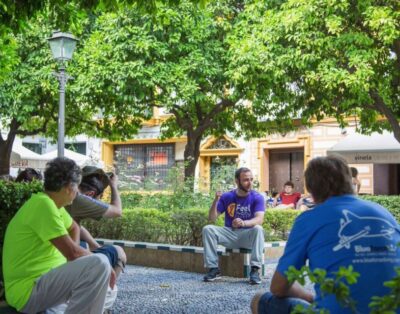
What that tells me as a reader: the tour’s value depends on the storytelling quality, and this provider leans into it. One guide example is Emilio, praised for keeping the tour entertaining all the way through. Another, Delia, is described as knowledgeable, articulate, and fun, covering a lot of ground while making the history feel alive. Pilar is noted for taking people right into the heart of Santa Cruz and highlighting hidden details through narrow lanes.
Also, one of the best practical comments from a review perspective is that the guide catered to different interests. That’s not guaranteed on every tour. Here, it sounds built into the experience, which matters if you’re traveling with someone whose interests differ from yours.
Pace, footwear, and what a “2-hour walk” really feels like

Even though the tour is only 2 hours, plan like it’s an active city stroll. The path runs through dense historic streets, including narrow lanes in Santa Cruz and central areas that keep you walking rather than pausing for long breaks.
A review summary included mention of more than 10,000 steps, which is exactly why I’m giving you this practical warning: two hours can add up fast in an old-city grid where you keep turning and repositioning. If you’re used to tram stops and cafés, you might feel it.
Here’s how to set yourself up for comfort:
- Wear comfortable shoes with grip. Old streets can be uneven.
- Bring drinking water, especially if you’re doing this in warm months.
- Wear something you can move in, because you’ll be changing pace based on where the guide wants you to look.
If you’re traveling with mobility needs, the tour is listed as wheelchair accessible, but I’d still recommend you bring a flexible mindset about how streets feel under wheels in older neighborhoods.
Value check: why $17 can make sense for Seville
At $17 per person, this tour sits in the low-to-mid range for guided walking history. The price only makes sense if you’re getting more than a generic overview—and you do, because the tour’s focus is cultural storytelling tied to specific areas.
What makes the value feel strong:
- You get a guided experience through multiple eras, not just a single “greatest hits” loop.
- It’s short enough to fit into almost any Seville schedule.
- The meeting point at Plaza del Triunfo is straightforward, which reduces friction on your day.
If you’re already paying for one or two major paid attractions, a tour like this can be a smart pairing. It adds context to the city you’ll explore independently afterward. You’ll walk away with a better sense of why certain streets matter, not just that they exist.
Who should book this tour (and who might skip it)
This is a great pick if you:
- Like walking tours that explain meaning, not only architecture
- Want a clear cultural framework for Seville’s past
- Enjoy legends and anecdotes when they’re grounded in place
- Are interested in what different communities contributed over centuries
It may not be the best match if you:
- Prefer very structured sightseeing with long stops at monuments
- Hate nighttime tours or get uncomfortable walking after dark
- Want purely ancient history and would rather avoid mentions of more recent tense events
If you’re unsure, I’d use a simple test: do you like listening to stories while you walk through historic streets? If yes, you’re likely to enjoy this.
Should you book the Cultures of Seville Walking Tour?
Yes, I’d book it—especially if it’s your first or second time in Seville and you want a quick cultural map. The combination of Santa Cruz, four major cultural eras, and the nightfall shift gives the tour enough variety to keep you engaged without eating your entire day.
Book this tour if you want to understand Seville beyond “beautiful streets.” You’ll leave with a better sense of how Romans, Arabs, Jews, and Christians shaped the city’s identity—and why certain corners still carry emotional weight.
If you hate walking or only want daylight monument time, look for a more stationary option. But for most visitors, this is a strong value way to learn the city while moving through it.
FAQ
Where does the tour meet?
The meeting point is Plaza del Triunfo, near the big white column with the virgin statue.
How long is the Cultures of Seville Walking Tour?
The tour lasts 2 hours.
What does the tour cover?
It focuses on Seville’s cultures and history, walking through Barrio de Santa Cruz and the central historic area, with stories covering Romans, Arabs, Jews, and Christians, plus events connected to more recent years.
How much does it cost?
It costs $17 per person.
What languages are available?
The live tour guide is available in English and Spanish.
Is this tour wheelchair accessible?
Yes, the tour is listed as wheelchair accessible.
What should I bring or wear?
Wear comfortable shoes and bring drinking water.
Is there free cancellation?
Yes. You can cancel up to 24 hours in advance for a full refund.