REVIEW · SEVILLE
Guided tour of the Monastery of San Isidoro del Campo
Book on Viator →Operated by Margonvaztour Sevilla · Bookable on Viator
San Isidoro del Campo rewards smart looking. I love that the tour is led by an art historian and an official local tourism guide, so you’re not just staring at walls—you’re learning what they mean. I also like the room-by-room pacing, which helps you connect the monastery’s story from its founder, Guzmán el Bueno, to the way it was used during the 19th-century “depreciations.” A small thing to consider: this is an interior-focused visit, so if you want a long outdoor stroll, you may wish you had more time.
You meet in Santiponce at the Monasterio San Isidoro del Campo (Av. de San Isidoro, 18), and you’ll spend about 1 hour 30 minutes with a maximum group size of 30. The time window starts at 12:30 pm, and the ticket is mobile, which makes arrival simple.
If you’re the type who likes to understand the big picture as you walk, this is a very good match. The most common praise is exactly that: a guide who helps you enjoy the surroundings visually, but also grasps the whole artistic set.
In This Review
- Key highlights you’ll feel fast
- Why this monastery visit works better with a guide
- Entering the monastery: what you’ll experience in 90 minutes
- History you’ll actually connect to: Guzmán el Bueno and the 1800s
- Room-by-room touring: how the interior spaces get meaning
- What the price gets you: $13.83 is about expertise and time
- Meeting point and timing: simple, but don’t ignore the start time
- Group size and the “ask questions” factor
- Who should book this guided monastery tour?
- Should you book San Isidoro del Campo with a guide?
- FAQ
- How long is the guided tour of the Monastery of San Isidoro del Campo?
- What time does the tour start?
- Where is the meeting point?
- How much does it cost?
- Do I need a printed ticket?
- Can I get a full refund if I cancel?
Key highlights you’ll feel fast
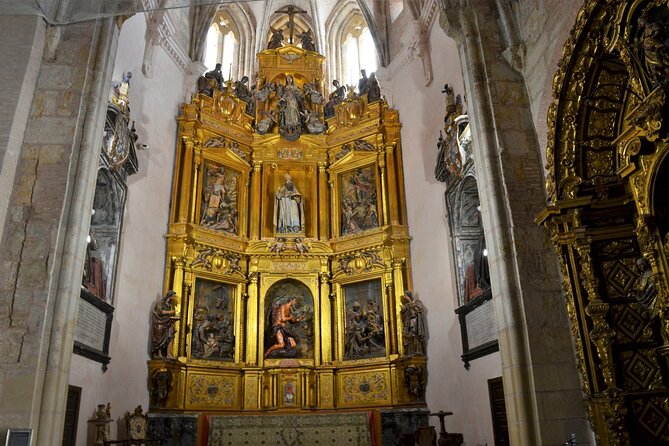
- Art historian + official guide: you get expert context, not just general facts
- Founder story connects to the building: from Guzmán el Bueno onward
- Room-by-room explanation: you’re guided through interior spaces with a purpose
- Special attention to the 19th century: including the monastery’s “depreciations”
- Small enough to ask questions: up to 30 people, with a guided rhythm
Why this monastery visit works better with a guide
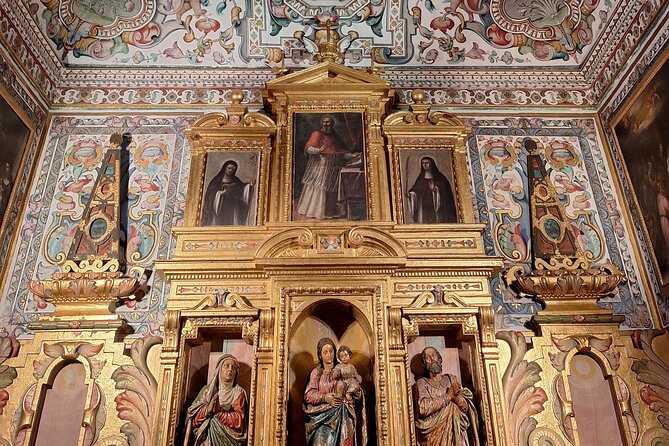
San Isidoro del Campo is the kind of place where you can easily “see stuff” and still miss the point. With a guided visit, the monument stops being a collection of pretty rooms and becomes a working story—built, used, changed, and interpreted over time.
What makes this tour especially useful is the combination of the guide’s training and the way the visit is structured. The guide isn’t just telling dates. They’re explaining how each interior space functions, and how that shapes what you should pay attention to while you’re there. If you’ve ever walked through a historic site feeling like you’re reading a book with the pages missing, you’ll appreciate the clarity here.
Two things I’d call out immediately:
- The art-historian approach means the explanation stays tied to the artwork and design choices, not just general history.
- The official local tourism guide element keeps it grounded in how the site is understood locally, which is often where details become more meaningful.
The only mild drawback is also simple: the tour is primarily about interior rooms. You’re not signing up for a long wandering walk outside. You’re signing up for focused attention inside.
You can also read our reviews of more guided tours in Seville

Entering the monastery: what you’ll experience in 90 minutes
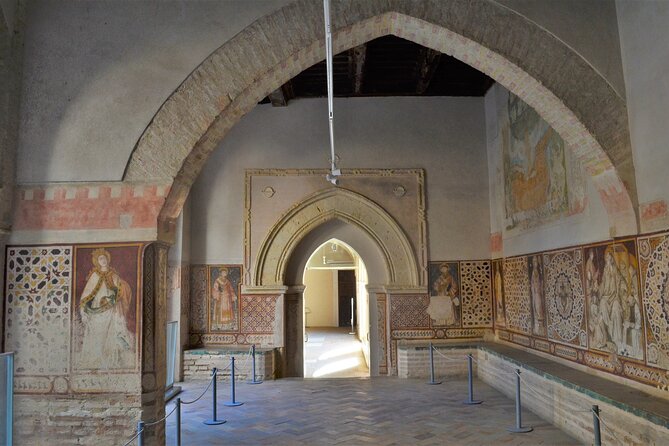
Expect a smooth, organized flow. The tour runs about 1 hour 30 minutes, and it’s built around exploring the interior rooms of the monastery. That matters because monasteries can sprawl in your imagination. Here, you’re led through the key rooms so you don’t end up lost in “I guess I’ll just look around.”
The pacing is the real value. Instead of racing, you get time to absorb. The guide can point out relationships you’d otherwise miss: how one room’s character connects to another, and how the monastery’s overall artistic ensemble works as a whole.
Also, with a maximum group size of 30, you should get a guided experience that still feels social and responsive. It’s not a huge herd where questions get swallowed. If you’re the type who likes to ask a quick clarification—why something looks a certain way, or what a period changed—you’ll likely appreciate this format.
History you’ll actually connect to: Guzmán el Bueno and the 1800s
One of the best ways to enjoy an old religious site is to understand what problem it was solving in its own time. Here, you start with the founder story: the monastery’s early connection to Guzmán el Bueno. That early framing helps because it gives you an anchor. When you’re standing inside, it’s easier to interpret the significance of what you see if you know what the place was tied to at the beginning.
Then the guide brings you forward to the 19th century, including the monastery’s use during the period described as its “depreciations.” That’s the kind of detail that can surprise people. A lot of historic sites get treated like museum objects, stuck in a golden age. This tour helps you see the more complicated truth: even important religious places had phases where their status, value, and function shifted.
And that shift changes your viewpoint. Instead of asking only, What’s beautiful here? you start asking, How did this space live through change? That’s when history stops being a list and starts becoming a lens.
Room-by-room touring: how the interior spaces get meaning
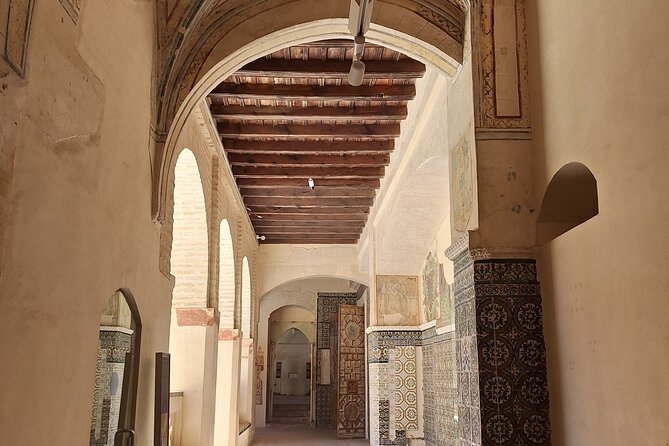
This tour is specifically described as covering all the interior rooms, with the guide explaining the history of the monastery and the use of each room. That “use” part is important. People often treat rooms like static backdrops, but in monasteries the purpose of each space shapes its design and decoration.
As you move room to room, you’ll want to pay attention to how the guide directs your eyes. Art historians are trained to connect visual details to context—so when you hear why a room matters, you can look with intention right away. It’s the difference between:
- noticing shapes and surfaces, versus
- understanding why those surfaces exist and what role the room played.
If you care about artistic ensembles, this is where it really clicks. The guidance helps you view the monastery as a single, coherent composition, not scattered highlights.
What the price gets you: $13.83 is about expertise and time
At $13.83 per person, this isn’t an expensive add-on. More importantly, it’s priced like a focused guided experience rather than a long, bus-heavy tour.
There’s also a useful detail in the description: admission is listed as free for this experience. So the fee you pay seems to be primarily for the guiding time with an art historian and official local guide, plus the structured walkthrough of interior rooms. In practical value terms, you’re paying to make the building understandable.
You’ll also see that it’s commonly booked about 15 days in advance on average. That’s a good sign: it suggests the time slot isn’t just quietly sitting there. If you have a specific day, it’s worth securing it earlier rather than treating it like a “maybe.”




Meeting point and timing: simple, but don’t ignore the start time
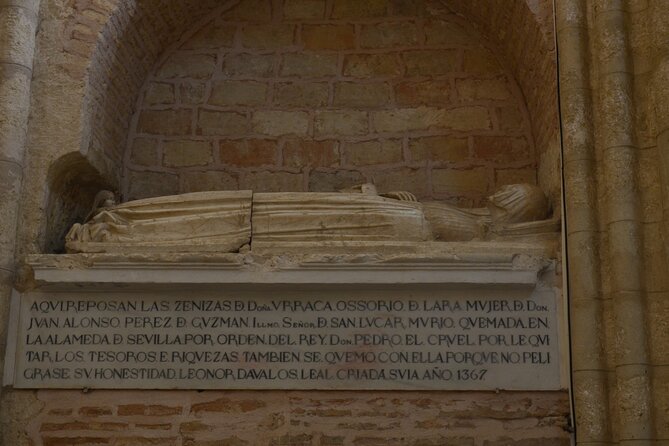
Plan your arrival with a bit of buffer. The tour starts at 12:30 pm. The meeting point is: Monasterio San Isidoro del Campo, Av. de San Isidoro, 18, 41970 Santiponce, Sevilla, Spain.
Two practical notes make this easier:
- It ends back at the meeting point, so you won’t need to figure out a complicated return.
- It’s near public transportation, which helps if you’re combining it with other Seville-area stops.
And yes, it uses a mobile ticket, so you won’t be hunting for paper. Just keep your phone charged and your confirmation handy.
Group size and the “ask questions” factor
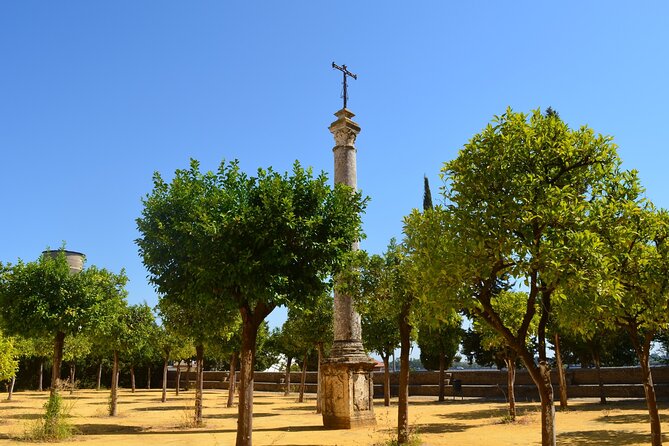
The tour has a maximum of 30 travelers. That number matters more than people think. For a place like this—where you’ll likely want explanations as you move—smaller groups typically mean the guide can keep momentum without flattening the experience into a one-way lecture.
You should also feel comfortable enough to ask practical questions, especially if you’re the type who likes clarification rather than letting something unclear slide. The format supports that because the guide has time to explain the use of each room, and those details naturally lead to follow-ups.
Who should book this guided monastery tour?
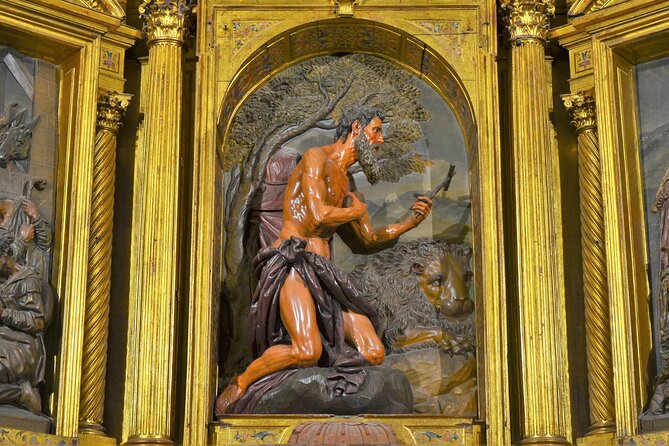
This is a strong fit if:
- you like art history explained in a readable way,
- you want your visit to feel structured and not like wandering,
- you enjoy understanding how a place changed over time, not just admiring it.
It may be less ideal if your priority is a scenic outdoor walk or a flexible “go at your own pace” visit. This experience is designed for an organized interior circuit.
On the other hand, it’s good for many people because most travelers can participate, and service animals are allowed. If you’re traveling with a companion who needs that, it’s nice to have clarity upfront.
Should you book San Isidoro del Campo with a guide?
Yes—if you want the fastest path from looking at a monastery to understanding it.
Here’s my practical decision checklist:
- If you care about how art and architecture connect to real history, the art historian + official guide combo is worth it.
- If you like guided structure—especially room-by-room explanation—you’ll likely leave with a clearer sense of the whole artistic ensemble.
- If you only want photos and don’t care about context, you might feel the value is less obvious. But if you’ve ever regretted not getting the story behind what you saw, this tour is built to fix that.
Overall, this is a compact, guided experience that gives you real interpretation without eating your whole day. For Seville-area travelers who like smart culture stops, it’s an easy yes.
FAQ
How long is the guided tour of the Monastery of San Isidoro del Campo?
It lasts about 1 hour 30 minutes.
What time does the tour start?
The start time is 12:30 pm.
Where is the meeting point?
Meet at Monasterio San Isidoro del Campo, Av. de San Isidoro, 18, 41970 Santiponce, Sevilla, Spain.
How much does it cost?
The price is $13.83 per person.
Do I need a printed ticket?
No. It uses a mobile ticket.
Can I get a full refund if I cancel?
Yes. Free cancellation is available if you cancel at least 24 hours before the experience start time for a full refund.