REVIEW · SEVILLE
Historical Italica: Half-Day Guided Tour from Seville
Book on Viator →Operated by Naturanda Turismo Ambiental · Bookable on Viator
Roman ruins, 20 minutes from Seville. This half-day guided walk brings Italica to life with big-ticket sights like mosaics and a Roman theater that once held up to 25,000 people. I especially like how the pacing gives you real time in the archaeological ensemble, not just a hurried look-see.
Two things I’m drawn to here: the chance to study the domus-style houses through the site’s remains and mosaics, and the added contrast of a medieval monastery stop at San Isidoro del Campo. One thing to plan around: the experience runs on a tight schedule, so late pickups or bus delays can cut into your time on-site (and that matters if you’re catching another train later).
In This Review
- Key highlights you’ll care about
- Why Italica works as a half-day plan from Seville
- Getting there: shared transfer, real time saved
- Stop 1: Anfiteatro de Italica and the mosaic-heavy heart of the site
- The theater first, then the larger ensemble: how the visit usually flows
- Stop 2: Monasterio de San Isidoro del Campo—why it’s included
- Guide factor: the difference between old stones and a story
- Timing reality: why bus delays can matter on a half-day tour
- Price and value: is $47.18 a good deal?
- What to wear and bring (so the day feels easy)
- Who should book this tour from Seville?
- Should you book Historical Italica?
- FAQ
- How long is the Historical Italica tour from Seville?
- What does it cost?
- Is the tour guided in English?
- What are the main stops on the itinerary?
- Are entrance tickets included?
- Does the price include transportation?
- Are food and drinks included?
- How big is the group?
- Can I cancel for a full refund?
- Will the tour run if there aren’t enough travelers?
Key highlights you’ll care about
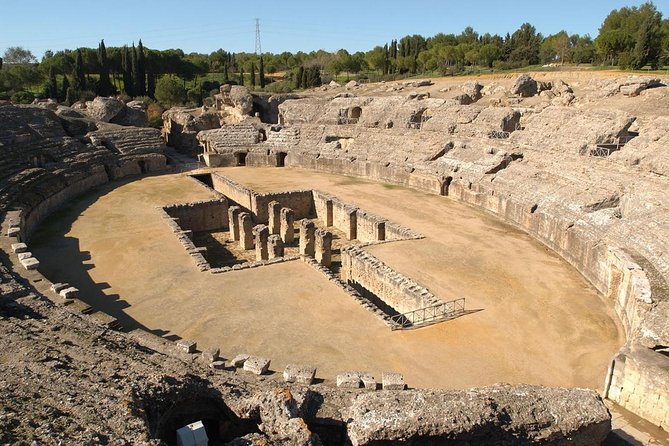
- Italica’s amphitheater: Roman-scale spectacle, with a capacity of about 25,000
- Mosaics and upper-class houses: a strong window into daily life and status in Roman Italica
- Two full stops, not a drive-by: about 2 hours in the main archaeological area
- San Isidoro del Campo monastery: medieval architecture and stories that change the tone of the day
- English-guided experience with small-ish groups: capped at 60 travelers
Why Italica works as a half-day plan from Seville
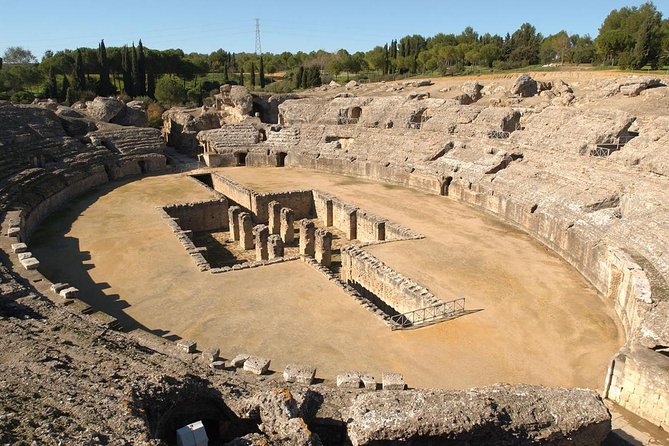
If you love Roman history, this tour hits a sweet spot. You get out of Seville, do the important walking, and still come back without eating up your whole day. It’s also the kind of outing that feels educational without feeling like homework.
Italica was the first major Roman city on the Iberian Peninsula, and that matters because it gives the site weight beyond being a pretty pile of stones. This isn’t just about architecture—it’s about how Rome organized life in a far-flung corner of the empire.
The tour is designed for a half-day rhythm, so you’re not stuck on transport for ages. Still, you’ll want to keep your evening plans flexible, because a few reports point to bus timing that can run late. If your itinerary is rigid, build in a cushion.
You can also read our reviews of more guided tours in Seville

Getting there: shared transfer, real time saved
You’ll get round-trip shared transfer, which is the underrated value play. Instead of wrestling with buses or taxis on your own, you spend your energy on the archaeology itself. The meeting point is described as being near public transportation, which helps if you want to arrive early and get oriented fast.
The duration is listed at about 4 hours, and that’s the practical lens to use when planning your day. Yes, you’ll get breaks and explanations, but this isn’t a slow museum stroll. It’s a “see the key layers, then move” kind of trip.
One small practical note from experience with group tours: keep your phone charged. You may want quick access to your reservation info, and at least one visitor said they were glad they had passport copies available on their phone when they weren’t sure what documents they’d need. Bring ID, just in case.
Stop 1: Anfiteatro de Italica and the mosaic-heavy heart of the site
The main pull here is the Anfiteatro de Italica within the Archaeological Ensemble. Even if you’ve seen Roman theaters before, this one has a “how did they build this?” vibe because it’s so large in scale. The theater is listed as one of the biggest in the Roman empire, and the capacity of around 25,000 gives you a real sense of the social machine Rome ran on spectacle.
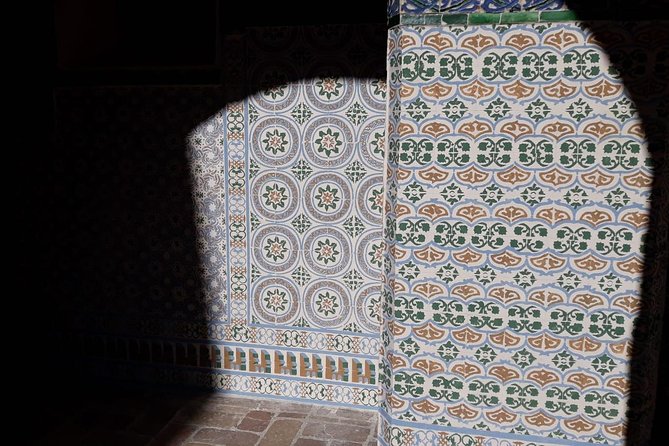
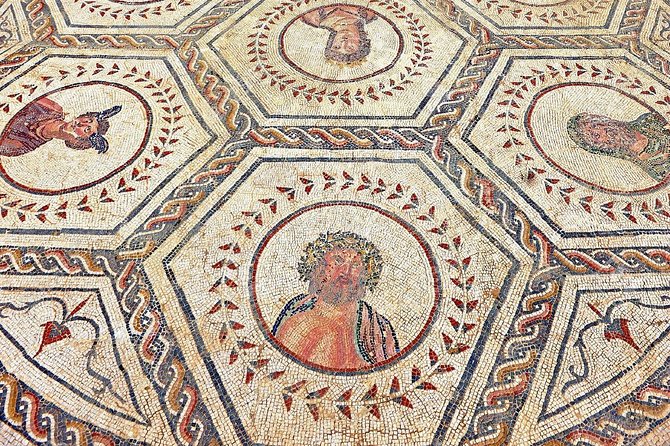
What I like most about the way this stop is structured is that it doesn’t treat mosaics as a side quest. Roman mosaics are often the easiest way to connect architecture to daily life: they’re colorful, they’re detailed, and they hint at wealth. On this tour, you spend time around the site’s preserved mosaic work and use that to understand the layout of the neighborhood.
You also get guided interpretation of the “domus” houses—those upper-class home styles. You may not see a fully intact house, but you can still read the idea of status through what remains: spaces that were meant to impress, decorate, and function as part of a social world.
A useful expectation-setting point: the site can feel spread out. That’s not a drawback—it’s just why a guide matters. A good guide turns scattered remains into a walkable story: where you are, what you’re looking at, and why it’s significant.
The theater first, then the larger ensemble: how the visit usually flows
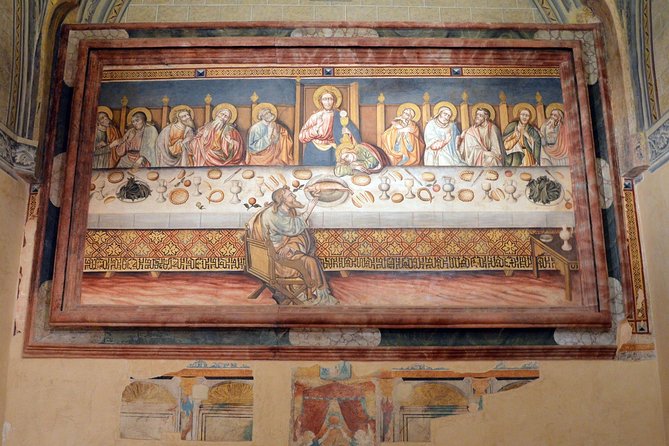
The schedule gives you roughly 2 hours at the main archaeological stop, and that’s enough time to do both “big picture” and “close look.” You’ll likely move through the amphitheater area, then circle back to connect it to surrounding structures and decorative floors.
If you’re a mosaic person, you’ll be glad the tour doesn’t skip them. If you’re more of a “architecture and crowd dynamics” person, you’ll get the theater context to understand what kinds of events could have filled seats that size.
Also, you’re not just looking at Roman layers. The stop is described as including a medieval monastery connected within the complex. That “Roman plus later history” feeling is part of what makes Italica more than a single-era ruin.
Stop 2: Monasterio de San Isidoro del Campo—why it’s included
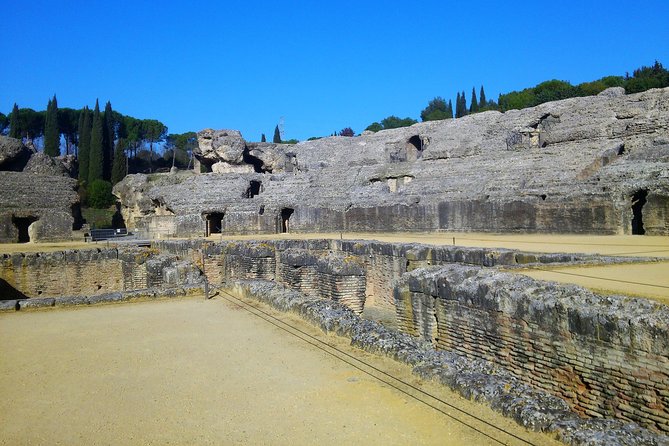
The second stop is Monasterio de San Isidoro del Campo, about 1 hour. This is the contrast section of the day: you go from Roman civic spectacle to a quieter medieval religious world.
What you’re likely to take away here is how the landscape keeps getting repurposed. A monastery stop can feel random on some itineraries, but in this case the tour frames it as part of the broader setting you saw on the way to and around the amphitheater complex. Even if you’re not chasing church art for its own sake, it helps you connect how places evolve after Rome.
One caution, based on the fact that experiences here can be personal: not everyone loves the monastery portion. A few people found it less compelling than the Roman ruins. That doesn’t mean it’s low quality—it just means your enjoyment will follow your own history preferences. If you came for Roman archaeology above all else, plan to treat the monastery as a meaningful bonus, not the main event.
You can also read our reviews of more historical tours in Seville





Guide factor: the difference between old stones and a story
This tour lives or dies on the guide’s storytelling. The good news is that multiple English-speaking guides have shown up in the experience history for this itinerary, including Jesús, Rebecca, Miguel, Juanra, Leon, and Alberto. When the guide clicks, Italica stops feeling like a checklist and starts feeling like a place where people once worked, walked, and gathered.
I also like that some guides go beyond the standard basics. You’ll see more depth when the guide explains not just what the Romans built, but how interpretation has changed over time—like what historians first thought about Italica versus what evidence suggests today.
That said, there are occasional issues worth flagging. Some visitors noted English-language clarity problems with certain guides, including pronunciation and naming. If you’re someone who likes to learn proper terms (Roman names, myth references, and so on), you might want to have a plan: write down what you hear, and don’t hesitate to ask for clarification on specific terms if something sounds off.
Timing reality: why bus delays can matter on a half-day tour
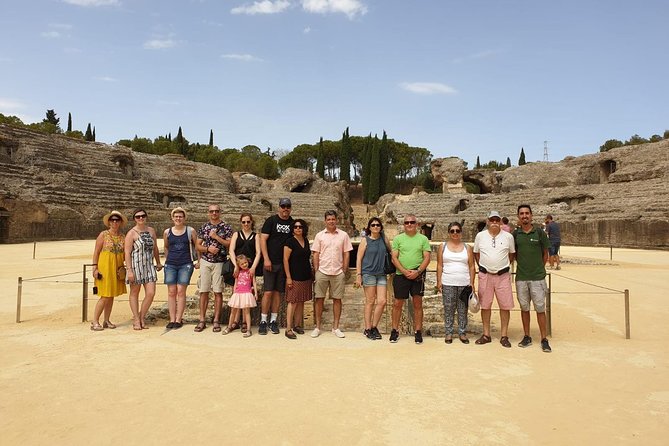
On paper, the trip is tidy: around 4 hours, with a strong 2-hour chunk at Italica and a 1-hour monastery stop. In practice, the half-day format makes timing more sensitive. If your bus is late leaving Seville or late returning, you feel it because you can’t easily stretch the day.
Some reports mention the bus being late on one end, which caused the itinerary to run short—people said they didn’t get to see everything they expected, such as the theater or baths, depending on how the schedule collapsed. You can’t fully control that, but you can prepare for it.
My advice: avoid booking a train or tightly timed dinner immediately after your expected return. If you have to be somewhere, build a buffer. Group tours should be treated like “fun learning time,” not as guaranteed clockwork transport.
Price and value: is $47.18 a good deal?
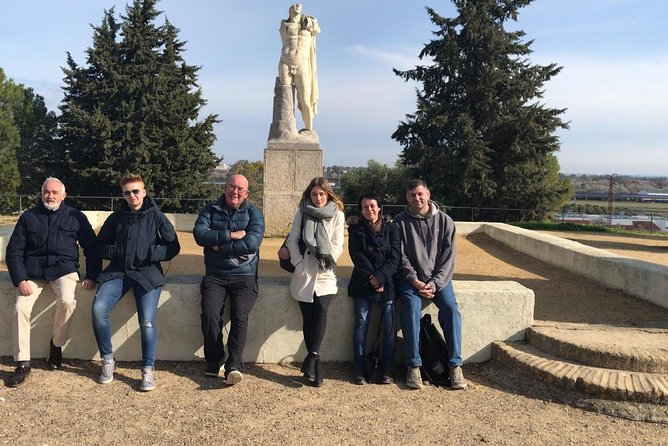
The price is listed at $47.18 per person, and for a Seville-based guided trip that includes round-trip transfer and admission tickets, it often looks like strong value—especially compared with the cost and hassle of arranging your own transport.
Here’s what’s included: the driver/professional guide, round-trip shared transfer, and all taxes. Admission tickets are included for both the amphitheater/ensemble stop and the monastery stop. That’s not a small detail. Entrance fees can quietly add up, and this keeps your math simple.
What’s not included: food and drinks. That’s the main value trade. If you’re out all afternoon in the open air, you’ll want water and a snack plan. One person reported getting dehydrated on a hot day when food/drink wasn’t actually provided, so bring your own basics even if you normally travel light.
If you’re a Roman-history lover, this is the kind of price that feels fair because the tour is built around a major archaeological site plus an additional cultural stop.
What to wear and bring (so the day feels easy)
This is a walk-first outing. The ruins can be uneven underfoot, and the amphitheater area can mean more steps than you expect. Wear comfortable shoes with grip.
For the day itself, bring a small water bottle and sun protection. August is especially hot at archaeological sites in Andalusia, and shade can be limited. If you run warm easily, treat this like an outdoor activity, not a museum visit.
Bring a hat or sunglasses. Not glamorous, but you’ll thank yourself when you’re jumping between sunny and shaded areas during a guided route.
Who should book this tour from Seville?
Book it if you want Roman Italica without planning the whole day yourself. It’s a good match for archaeology fans who enjoy mosaics, theater scale, and the contrast of Rome plus later history.
It’s also a great solo-friendly option. Group tours can feel lonely, but the guide-based structure and time in the site make it easy to follow along and ask questions. If you like meeting people briefly but still want a curated experience, this format tends to work.
If you’re not a Roman person, or you’re mainly chasing cathedral-style art or quiet places, you may find the monastery more meaningful than the ruins—or just less exciting. In that case, compare this tour to other options that focus purely on museums or on Seville itself.
Should you book Historical Italica?
I’d book it if your goal is a high-impact introduction to Roman Italica with a guide who can turn remains into context. The mosaics, the amphitheater scale, and the short Seville travel time make this a very efficient half-day.
I wouldn’t book it as a dependable time block if you have strict catch-a-train scheduling. Leave slack in your day, and you’ll enjoy it more. And if you’re picky about English explanations, choose a departure that fits your comfort level and be ready to ask follow-up questions.
If you want to learn how Rome shaped life here—and you want to see the evidence up close—this tour gives you that in one focused outing.
FAQ
How long is the Historical Italica tour from Seville?
The tour runs for about 4 hours (approximately), including time at both stops.
What does it cost?
The price is $47.18 per person.
Is the tour guided in English?
Yes. The tour is offered in English.
What are the main stops on the itinerary?
You’ll visit the Anfiteatro de Italica archaeological ensemble (including its mosaics and a medieval monastery area) and then Monasterio de San Isidoro del Campo.
Are entrance tickets included?
Yes. Admission tickets are included for both the Italica stop and the monastery stop.
Does the price include transportation?
Yes. The tour includes round-trip shared transfer.
Are food and drinks included?
No. Food and drinks are not included, so plan to bring or buy your own.
How big is the group?
The tour has a maximum of 60 travelers.
Can I cancel for a full refund?
Yes. You can cancel up to 24 hours in advance for a full refund.
Will the tour run if there aren’t enough travelers?
It requires a minimum number of travelers. If it’s canceled due to not meeting the minimum, you’ll be offered a different date/experience or a full refund.