REVIEW · SEVILLE
Private Tour of the Museum of Fine Arts, Seville
Book on GetYourGuide →Operated by Guides and Tours · Bookable on GetYourGuide
Art in Seville comes with stories attached. On this private tour of the Museum of Fine Arts, you get a focused route through La Merced’s galleries, with time to ask questions while staying on schedule. I love how the guide ties the works to Seville’s cultural world, and I love the setting itself: the museum lives in the old Convent of La Merced, dating to the 13th century and remodeled in the 17th.
The only real drawback is timing: two hours sounds roomy until you’re actually inside, and you won’t see every single room in the collection.
In This Review
- Key Things You’ll Remember
- Why This Museum Tour Works So Well in Seville
- Plaza del Museo Start: Easy Meeting, Clear Focus, Private Pace
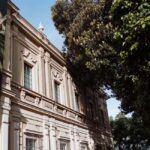
- The Museum’s Home: La Merced Convent Architecture That Shapes the Art
- From Sevillian Gothic to Renaissance Muscle: What the Tour Helps You Notice
- Pacheco and Mannerism: Learning to See a Style Change in Real Time
- Baroque in Full Force: Valdés Leal, Zurbarán, and Alonso Cano
- Murillo’s Dedicated Room and Major Sculptors: More Than Painting
- The 19th-Century Sweep: Sevillian Costumbrismo You’ll Actually Want to Talk About
- Price and Value: When $261 for Up to 4 Makes Sense
- Who This Tour Suits Best (and Who Might Want Something Else)
- Should You Book This Private Tour?
- FAQ
- How long is the private tour of the Museum of Fine Arts?
- What languages are available?
- Where do we meet the guide?
- What’s included in the tour price?
- Is the museum tour wheelchair accessible?
- What is the price and group size?
Key Things You’ll Remember
- A 2-hour private pacing that keeps the museum from feeling like a blur
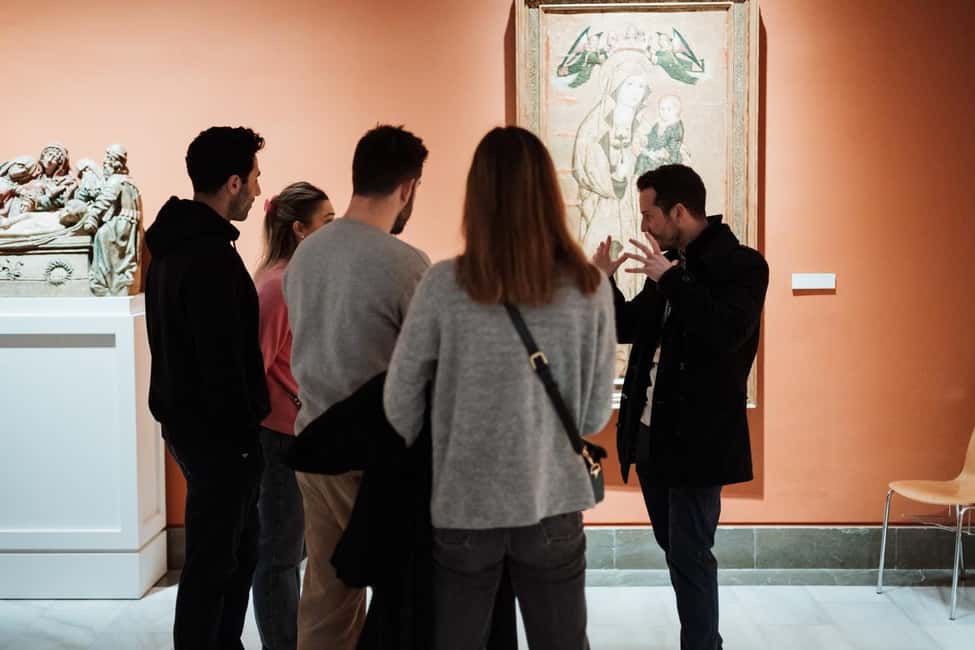
- Expert guidance in English or Spanish, with Julio specifically praised for connecting art to wider European context
- Renaissance-to-Baroque architecture inside the former Convent of La Merced
- Big-name anchors like Torrigiano’s San Jerónimo Penitente and Pacheco’s Mercedarian series
- Murillo in a special room, plus sculptors Martínez Montañés and Juan de Mesa in related spaces
- A clear sweep into the 19th century through Sevillian costumbrismo (Bilbao, Esquivel, Villegas Cordero)
Why This Museum Tour Works So Well in Seville
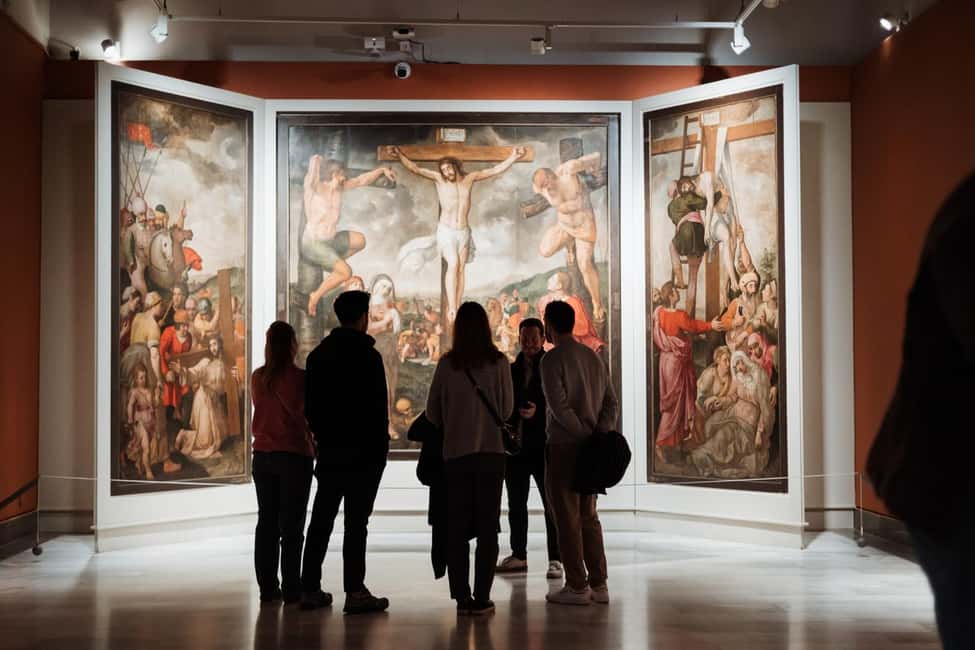
If you’ve ever felt that “great museum” can still equal “overwhelming museum,” this is the antidote. The Museum of Fine Arts in Seville is Spain’s second largest art gallery, but on a private tour you don’t just wander—you get a line to follow. That matters here because the museum’s power isn’t only the art. It’s also how the building frames the art, and how the centuries talk to each other.
I like that the tour is built to make you notice what you might otherwise skip: shifts in style, changes in religious themes, and the way Seville artists absorbed (and reshaped) bigger European trends. You’re not just looking at paintings and sculptures. You’re seeing why they were made, who they were made for, and how they fit into the city’s identity.
One more thing I appreciate: the tour doesn’t pretend Seville art is one uniform look. Instead, it moves across Renaissance, Mannerism, Baroque, and 19th-century costumbrismo. So even if you only know a few artists, you’ll still understand how everything connects.
You can also read our reviews of more private tours in Seville



Plaza del Museo Start: Easy Meeting, Clear Focus, Private Pace
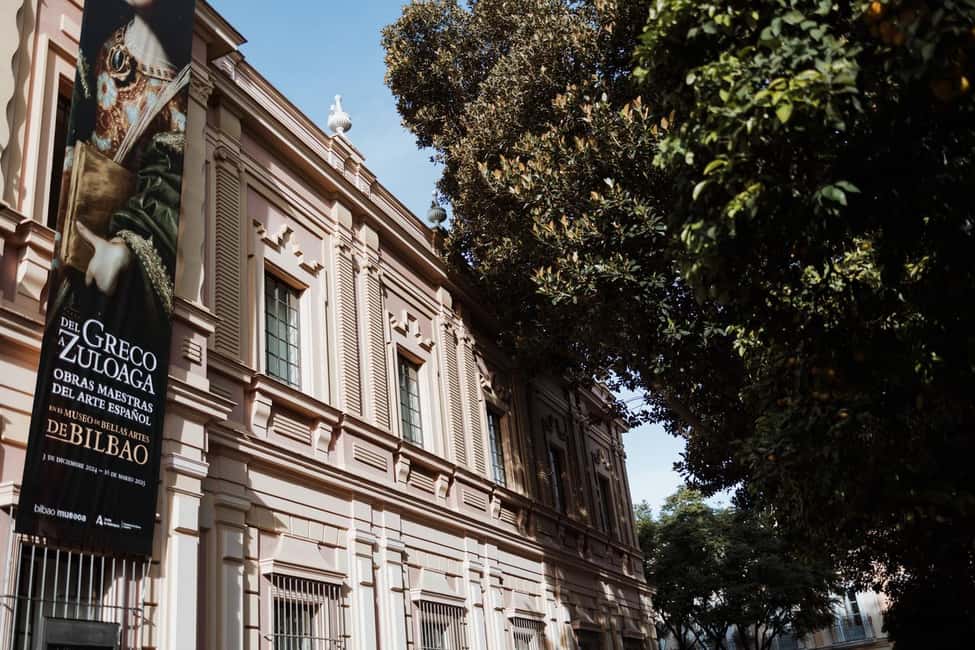
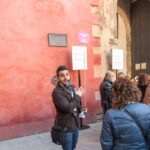
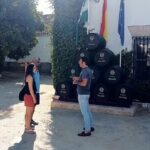
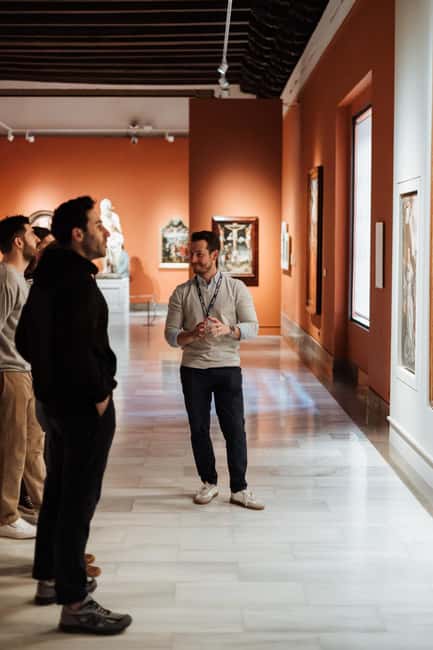
The tour starts in Plaza del Museo, right where you want to be for a museum visit in the historic center. Your guide meets you there holding a blue umbrella or with a nametag that says Seville Guides & Tours. It’s a small detail, but it saves the usual early-trip scramble—especially if you’re coming in from a busier street.
Your tour time is 2 hours, and it’s private. That combination is useful. Museums can chew up time fast; two hours keeps the visit from turning into a long slog. Plus, private means the guide can slow down when you care, and speed up when you’re ready to move on.
One practical note: since the tour starts and ends back at Plaza del Museo, it’s simple to tack onto the rest of your day. You can plan a meal afterward without guessing which neighborhood the museum will spit you out in.
The Museum’s Home: La Merced Convent Architecture That Shapes the Art
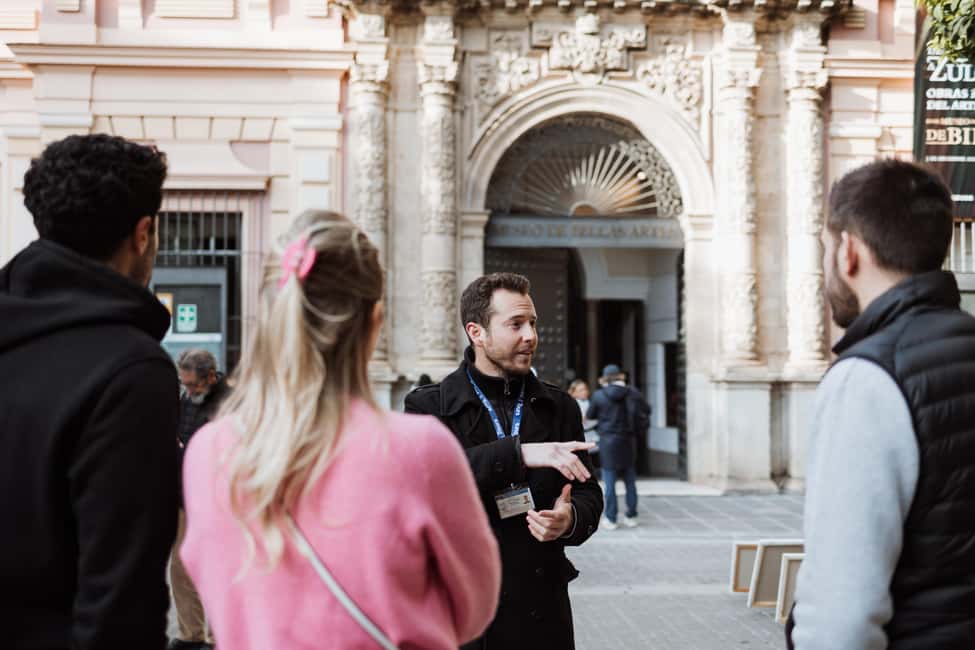
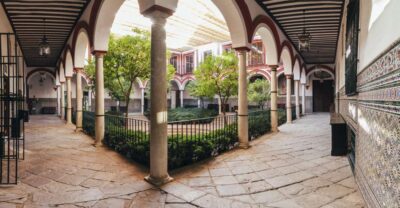
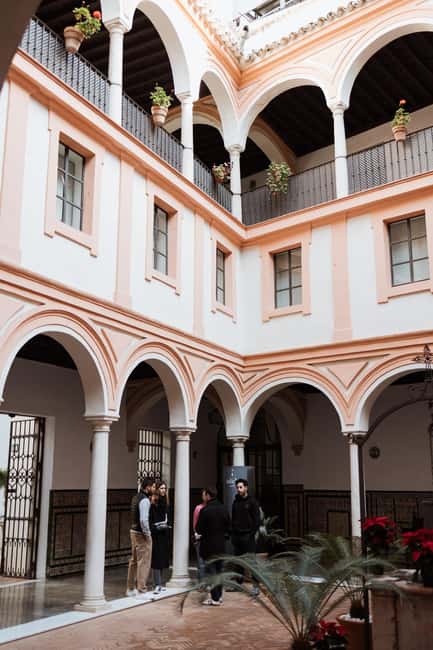
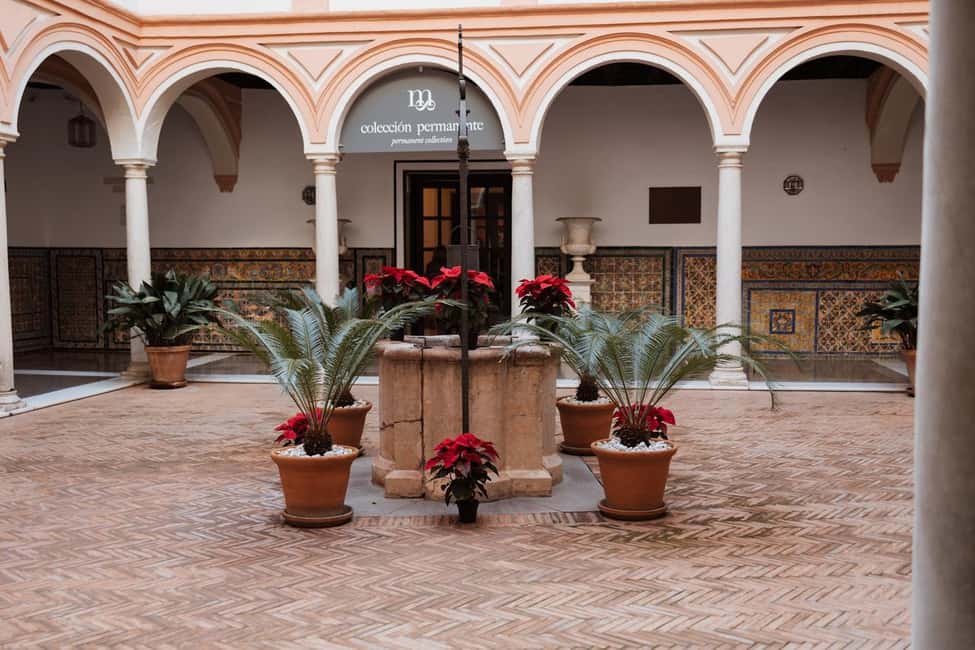
You’re not walking into a neutral box. You’re stepping into a former convent—La Merced—and the building helps you read the art.
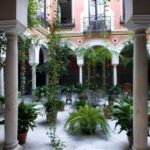
The tour highlights Renaissance and Baroque architecture in the museum’s setting, housed around the historic Plaza del Museo area. The building traces back to the 13th century and was remodeled in the 17th century, which means you’re seeing a mix of eras before you even reach the first work.
Here’s why that’s more than trivia. When you’re inside a former church or convent space, you tend to notice scale and placement differently. A painting in one kind of room hits differently than the same painting in a modern gallery. And when the tour points out the significance of the convent architecture, it gives you a framework for what you’re seeing—religious art feels different when you understand the space it was designed for.
If you’re the kind of traveler who likes context that actually changes how you look, this stop is a win. And if you’re someone who gets restless in long galleries, the architecture helps you break the visit into readable chunks.
From Sevillian Gothic to Renaissance Muscle: What the Tour Helps You Notice
The tour’s story moves through major style changes—so you’re not just collecting famous names.
Early on, you’ll encounter Sevillian Gothic works, then transition toward Renaissance. The guide points out how the city’s art evolves instead of staying stuck. That evolution is important because Seville didn’t develop in a bubble. It absorbed outside influence, then turned it into something recognizably local.
A key highlight is San Jerónimo Penitente by Torrigiano—called out as a milestone in the Sevillian Renaissance. You’ll get more than a quick artist label here. The guide’s job is to help you understand what makes the work a turning point and why it matters for how Renaissance ideas landed in Seville.
When you’re done with that section, you should feel a clearer picture of the museum’s logic: works aren’t just arranged by taste. They’re arranged in a way that lets you track a transformation in style and intention.
Pacheco and Mannerism: Learning to See a Style Change in Real Time
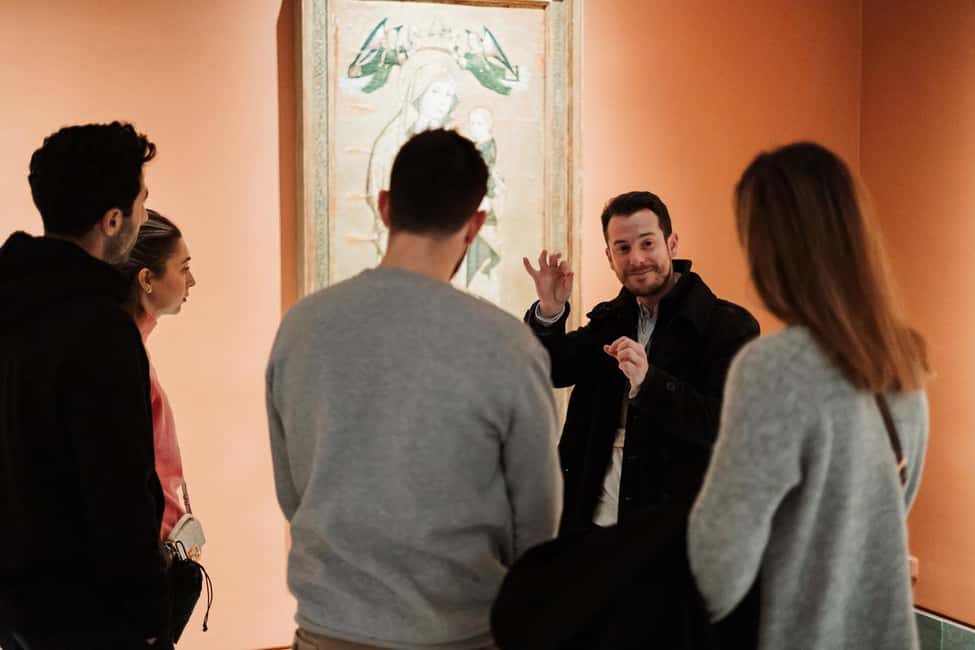
One of the most interesting parts of this tour is how it treats style like a clue. You aren’t asked to appreciate everything equally. You’re taught how to spot what’s happening.
You’ll see Pacheco’s pictorial series dedicated to the Mercedarians—San Pedro Nolasco and San Román Nonato—and the tour frames it as Mannerism. That matters because Mannerism can look confusing if you only know the word and not the behavior of the style.
With a guide pointing at details, you start to catch how Mannerism bends expectations—how figures, composition, and expression can feel intentional in a slightly stylized way. You’re learning how to read the art’s language, not just memorizing who painted it.
This is where I think the private format pays off. In a group tour, you might spend most of your time reading wall text. Here, the guide can slow down and give you the specific cues that connect the art to its broader artistic moment.
You can also read our reviews of more museum experiences in Seville



Baroque in Full Force: Valdés Leal, Zurbarán, and Alonso Cano
Baroque art can be overwhelming if you treat it like a category instead of a mood. This tour helps you catch the mood.
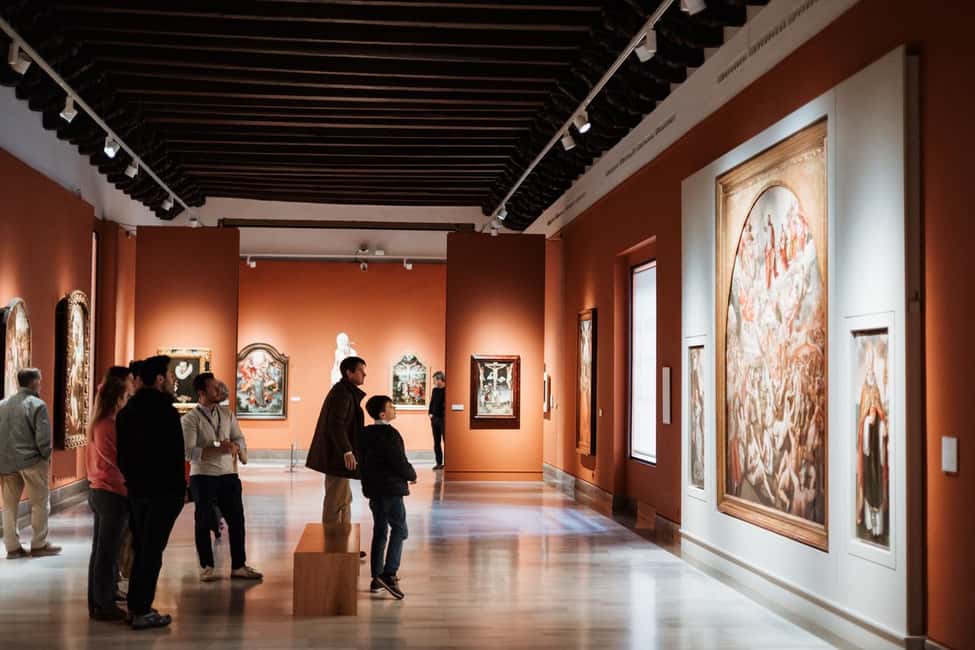
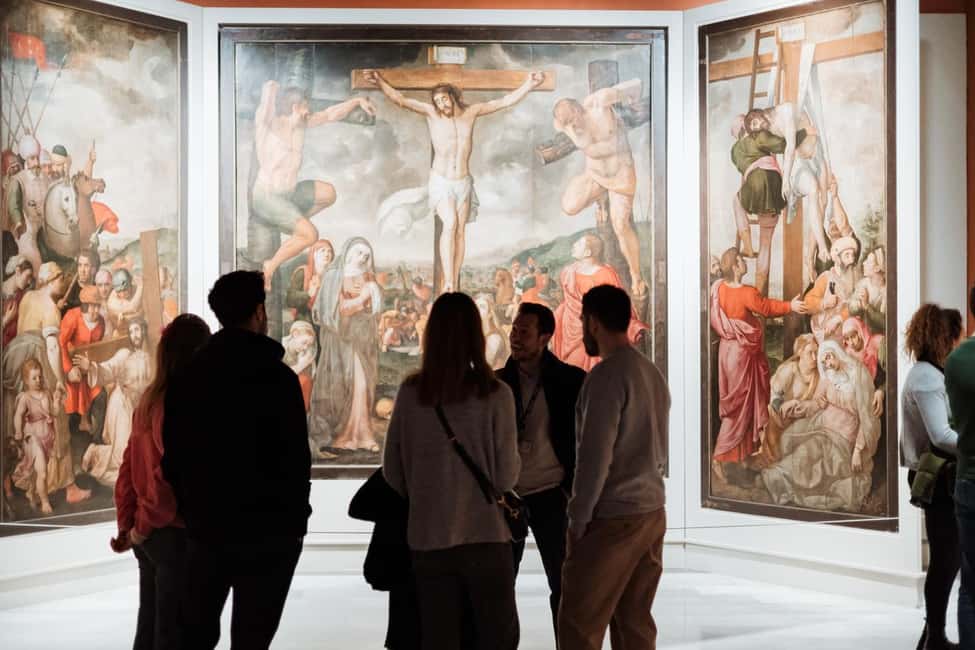
You’ll spend time on Baroque works by major Sevillian artists: Valdés Leal, Zurbarán, and Alonso Cano. The guide explains the background and significance of these works in Seville’s artistic environment, and that makes the Baroque section far more than a parade of dramatic scenes.
Here’s what I like about this approach: you start noticing patterns. Baroque isn’t only about intensity. It’s about persuasion—emotional impact, religious storytelling, and sometimes a sense of theatrical gravity. When you understand that, you stop thinking, Okay, this is dramatic, and start asking, Why is it dramatic? and What is it trying to do?
If your goal is to leave with names, you’ll leave with names. If your goal is to leave with better sight—how to interpret what you’re looking at—that’s even more likely with this tour format.
Murillo’s Dedicated Room and Major Sculptors: More Than Painting
The tour doesn’t stop at canvases. It also helps you understand three-dimensional art in Seville’s tradition.
You’ll visit the spectacular room dedicated to Bartolomé Esteban Murillo, located in the former church of the Convent. When art is placed in a room that once had a different purpose, it can change your sense of scale and presence. The guide’s framing helps you read that placement instead of treating it like “just another room.”
Then you’ll move through sculpture highlights connected to the former Convent of Santa María de las Cuevas. The tour calls out works by sculptors Martínez Montañés and Juan de Mesa.
This is a good section if you’re curious about how religious art works on the body as well as the eye. Sculpture can feel more immediate, more physical. And since you’re getting guidance on what to pay attention to, it’s easier to appreciate details you might otherwise miss.
One of the best signals that this tour is worth it shows up in the way guides handle transitions like this. You don’t get stuck in one medium too long. Painting supports sculpture; sculpture reinforces painting. It keeps your brain from tuning out.
The 19th-Century Sweep: Sevillian Costumbrismo You’ll Actually Want to Talk About
A museum visit can end with you knowing a few highlights and forgetting the rest by dinner. This tour avoids that ending problem by carrying you forward into the 19th century.
You’ll explore Sevillian costumbrismo—works showing everyday life, local character, and social scenes as art. The tour highlights leading artists Gonzalo Bilbao, Antonio María Esquivel, and José Villegas Cordero.
Costumbrismo can sound like a niche term, but once a guide explains what to look for, it becomes personal. You start thinking about how locals wanted to represent themselves and how artists helped shape Seville’s self-image. Even if you don’t study Spanish art at home, you’ll likely leave this section with ideas you can connect to the city you’re walking in outside the museum.
This is also a nice way to break the rhythm after heavy religious and Baroque sections. The tone shifts, but the guide keeps the story moving.
Price and Value: When $261 for Up to 4 Makes Sense
The price is $261 per group (up to 4) for a 2-hour private tour, and it includes both an English or Spanish-speaking guide and museum entrance.
That’s not a budget-price outing, but it’s also not a “splurge only” situation. Here’s why it can be good value:
- You’re paying for a private guide’s time, not just a ticket. In a museum this size, that guidance can change what you get out of the visit.
- Entrance is included, so you’re not stacking costs for the same visit.
- With up to four people, it can work out well if you’re traveling with friends or family who want the same pace and context.
If you’re solo, it’s pricier per person than a standard group tour. If you’re a small group, the cost often feels more reasonable because you’re splitting the guide experience.
Who This Tour Suits Best (and Who Might Want Something Else)
This private format fits well if you:
- want a guided route through a large museum without feeling lost
- enjoy art history when it’s tied directly to the city and its European connections
- like the idea of moving across different styles—Gothic to Renaissance to Baroque to 19th-century costumbrismo
It may be less ideal if you want to:
- spend the entire day in the museum
- wander slowly room to room with no structure at all
And remember the biggest constraint: two hours means the tour is a smart highlight path, not a full museum tour.
Should You Book This Private Tour?
Yes, if you want your time in the Museum of Fine Arts to feel purposeful. This tour is built around a clear arc—starting with the La Merced setting, then guiding you through major Renaissance and Baroque moments, and ending with a strong 19th-century section. It’s also the kind of experience where guide style matters a lot, and the top mentions around Julio focus on how he connects historical context and significance to Seville and wider Europe.
I’d especially book it if you and your group care about getting more from what you see, not just checking off a famous building.
FAQ
How long is the private tour of the Museum of Fine Arts?
The tour lasts 2 hours.
What languages are available?
The guide offers English or Spanish.
Where do we meet the guide?
You meet your guide at Plaza del Museo. The guide will be waiting with a blue umbrella or a nametag for Seville Guides & Tours.
What’s included in the tour price?
The tour includes an English or Spanish-speaking guide and entrance to the Museum.
Is the museum tour wheelchair accessible?
Yes, the experience is listed as wheelchair accessible.
What is the price and group size?
The price is $261 per group for up to 4 people.