REVIEW · SEVILLE
Seville: Museum of Illusions Entry Ticket
Book on GetYourGuide →Operated by Metamorfosis MOI · Bookable on GetYourGuide
Your camera will not believe what it sees.
The Museum of Illusions in Seville turns optical tricks into a playful, hands-on visit with holograms, rotating spaces, perspective puzzles, and gravity-bending moments designed for a good laugh.
I like that the experience is interactive instead of sit-and-stare. I’m also a fan of the room-style illusions, especially the Upside Down Room, where you’ll immediately understand why people love snapping photos mid-trick.
One thing to consider: the museum is small, so during busier times you may spend extra moments waiting for your turn at the most popular installations.
In This Review
- Key highlights at Museo de las Ilusiones
- Entering Museo de las Ilusiones: ticket desk and a simple start
- The Upside Down Room and rotating sets: why the photos come out wrong
- Infinity Room plus the vortex tunnel: sensory moments that can hit hard
- Holograms, mirages, and camera perspective tricks that reward slow looking
- 3D puzzles and hands-on exhibits: the education is in the doing
- How long it takes in Seville (and why timing matters for crowds)
- Staff support and photo help: small details that make it easier
- Value for about $17: does a small museum feel worth it?
- Who should book this ticket?
- Should you book the Seville Museum of Illusions ticket?
- FAQ
- Where do I show my voucher?
- How much is the Seville Museum of Illusions ticket?
- How long is the activity?
- Is there a guide included?
- What languages are available?
- What should I bring?
- Can I cancel and get a refund?
Key highlights at Museo de las Ilusiones
- Hands-on illusions that rely on touch and active participation, not just looking
- Upside Down and rotating rooms that make perspective feel totally unreliable
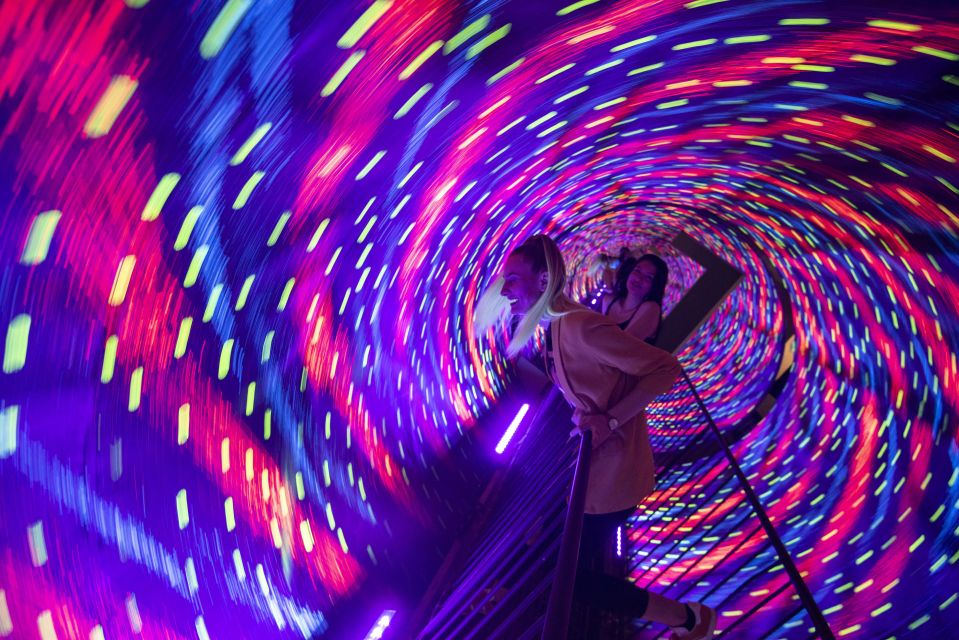
- Vortex and Infinity-style effects that can be intense on your senses
- Holograms and mirage-like visuals that reward taking your time
- Staff help with photos, which makes a big difference when exhibits are designed for specific angles
Entering Museo de las Ilusiones: ticket desk and a simple start
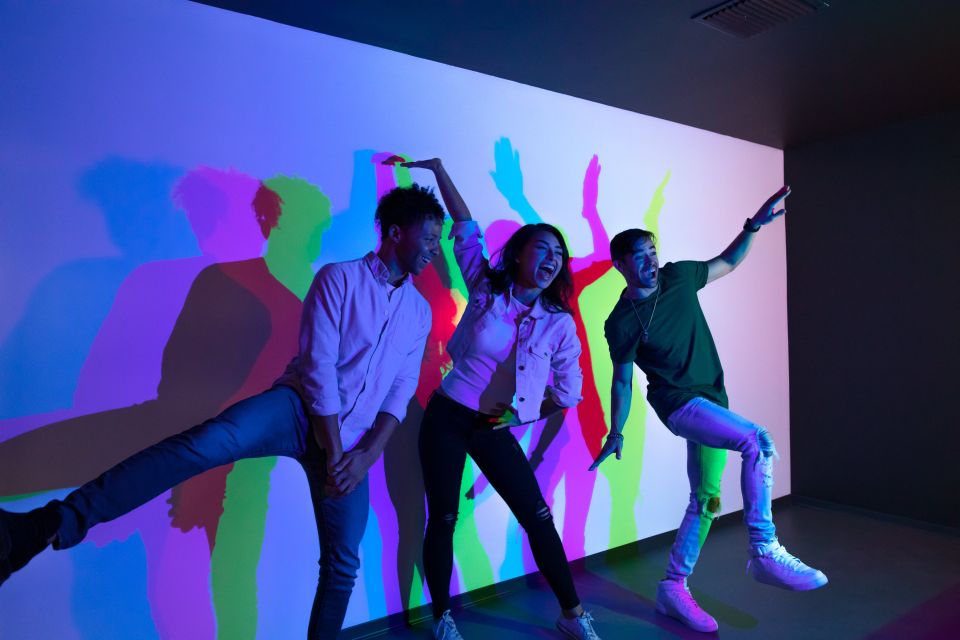
You’ll meet the experience at Museo de las Ilusiones. Show your voucher at the desk, then start moving through the installations right away. This isn’t a guided tour in the classic sense—there’s no guide included—so the visit feels self-paced and flexible.
The basics are straightforward: you’re buying entrance, you’re using the exhibits, and you’re there to test what your eyes and brain think is happening. There’s a Spanish/English host or greeter on hand to help you get oriented, and the museum is wheelchair accessible.
If you’re the type who enjoys activities where you do more than just read labels, this setup is a good match. It’s also ideal when you want something indoors that breaks up a day of walking around Seville.
You can also read our reviews of more tours and experiences in Seville


The Upside Down Room and rotating sets: why the photos come out wrong
The most obvious thrill is built right into the room concepts. The Upside Down Room is exactly what it sounds like: you’ll stand in an environment where gravity and orientation don’t line up with what your body expects. The point isn’t horror or suspense. It’s disorientation with a sense of humor.
These rooms are also set up for photo play. The trick is that the installations are designed for specific viewpoints, so you can’t just take a random picture and call it a day. You’ll get better results if you pause, reposition, and let your camera capture the illusion from the intended angle.
A second perk: rotating rooms and perspective-based areas make it easy to keep momentum. Even if one exhibit feels crowded, you can bounce to the next. That keeps the visit from stalling out.
Practical note: bring your camera. It’s listed as the key item to have, and nearly every major stop is built around seeing (and photographing) the effect.
Infinity Room plus the vortex tunnel: sensory moments that can hit hard
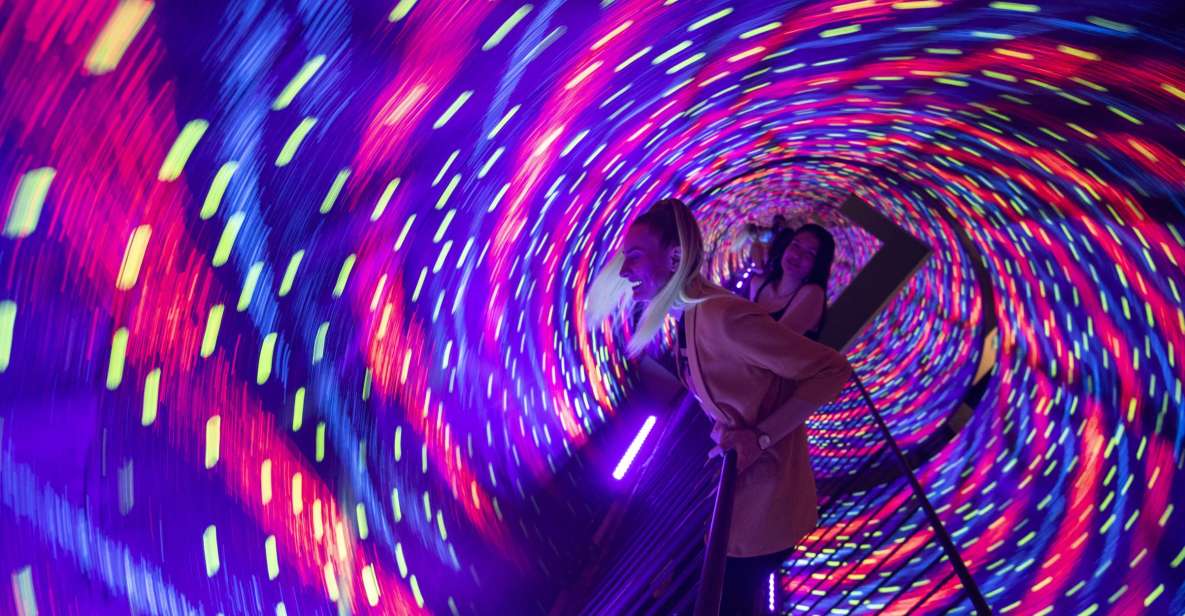
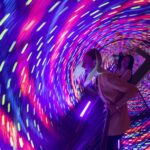
Two installations are especially memorable in how they mess with perception: the Infinity Room and the vortex tunnel.
The Infinity Room leans on repetition and depth so your brain struggles to settle on where “end” actually is. The result is a space that feels longer or deeper than it should—perfect for those mind-boggling photos people share afterward.
Then there’s the vortex tunnel, which is more physical. You’ll cross it and your senses do the rest. Some people feel dizzy with certain visuals, so I’d treat this as the kind of experience where you should take it at your own pace. If you’re sensitive to motion effects or strong visual patterns, go slowly and give yourself breaks between exhibits.
The good part is that the museum keeps these moments playful. You’re not being forced to endure anything grim. You’re doing short, self-directed segments that still feel like real events—especially if you go more than once or linger long enough to try different positions for photos.
Holograms, mirages, and camera perspective tricks that reward slow looking
A big part of the fun is how the illusions change the longer you look. Some effects are quick hits; others reveal themselves after a minute of closer attention.
You can expect:
- Holograms that feel like they’re breaking the rules of space
- visual setups described as mirage-like or trick-focused, where the image doesn’t behave the way your expectations predict
- multiple camera perspective challenges, where your phone or camera becomes part of the illusion
What I like about this approach is that it gives you two ways to enjoy the museum. You can do it as an activity (photos, funny angles, quick experiments), or you can do it as a kind of mini visual science session (watch carefully, compare angles, and notice how your brain interprets lines, depth, and motion).
If you’re traveling with kids, this also works because the museum isn’t just one trick. It’s a series of small “wait, what?” moments stacked together.
3D puzzles and hands-on exhibits: the education is in the doing
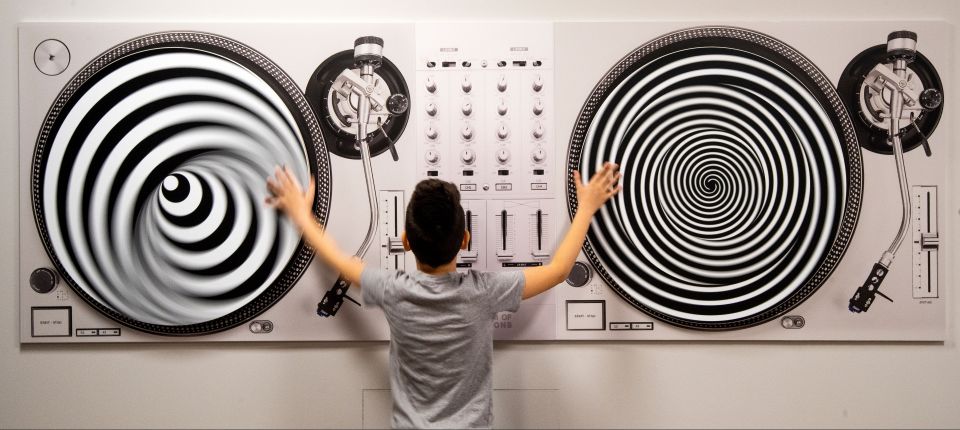
Not everything is a room illusion. A key part of the ticket experience is 3D puzzles and other interactive mind-bending stations. This is where the visit turns from passive watching into active problem solving.
You’re challenged in a way that doesn’t feel like school. Instead of memorizing facts, you’re testing assumptions:
- Does the object look bigger or smaller than it really is?
- Does the space feel the way the image suggests?
- When you interact, does your result match what you predicted?
That’s the educational value here—learning how perception works by seeing it fail in front of you. It’s also why this museum works for mixed ages. Adults usually get plenty of laughs; kids get plenty of hands-on focus without scrolling.
You can also read our reviews of more museum experiences in Seville



How long it takes in Seville (and why timing matters for crowds)
This is where you’ll want to calibrate expectations.
The duration on the ticket is listed as valid for 1 day, but the time you spend inside depends on your pace:
- Some people move through faster and are done in under an hour.
- Others take their time, repeat the best photo stops, and can spend closer to two hours.
If you’re trying to plan a balanced Seville day, I’d build in a flexible block of time (about 60 to 120 minutes) so the museum fits smoothly into your schedule.
Timing matters because the museum is small. When foot traffic builds, the popular installations (especially the ones that are designed around specific angles) can get busy, and you may wait for space to try your own shot or cross the illusion. One helpful strategy is to go straight to the most important stops first, then do the rest more slowly after the peak crowd passes.
Staff support and photo help: small details that make it easier
You don’t have to do everything alone. The staff are described as helpful, including with taking pictures. That matters more than you’d think, because many illusions are photo-driven and work best when someone gets the timing and angle right.
Also, because there’s no guide, the museum relies on a host/greeter presence for basic support. So don’t expect a narration-heavy experience. Instead, expect friendly on-the-spot help and a lot of self-directed play.
Value for about $17: does a small museum feel worth it?
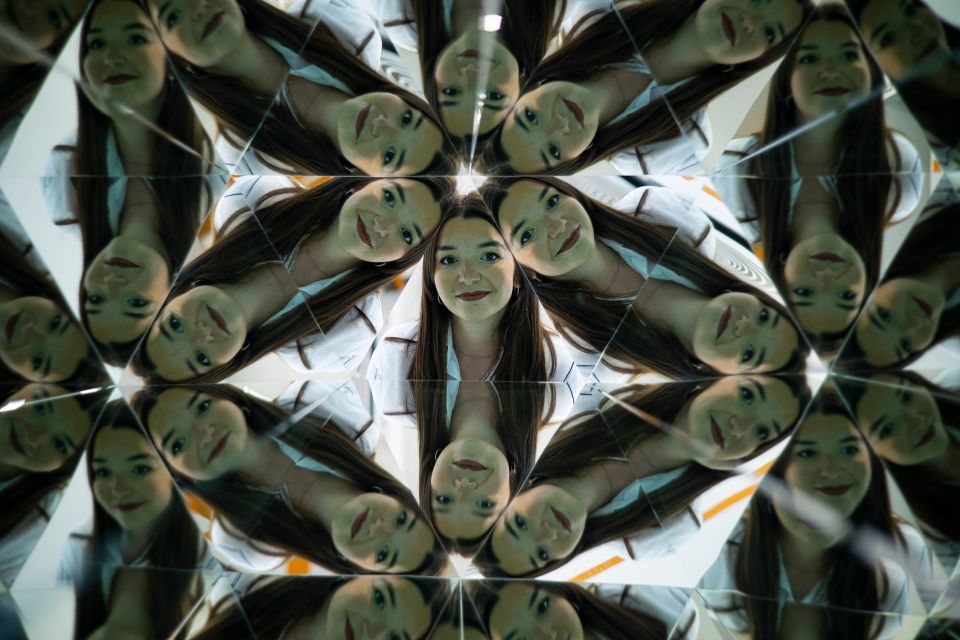
At around $17 per person, the value question comes down to what you want from your time in Seville.
If you want a quick, indoor activity that:
- keeps kids busy without screens,
- gives adults a chance to laugh at themselves,
- and produces plenty of shareable photos,
then it’s priced in a way that usually makes sense. The overall quality is in the interactivity and the way each installation creates a different kind of visual challenge.
If you dislike crowds, get worn out by repeated waiting, or you’re the type who prefers big museums with lots of space, you may wish the museum were larger. The size is the main tradeoff, and it shows in how quickly you can finish everything if you move fast.
My take: this is best as a planned break—not a last-minute filler you’ll rush through.
Who should book this ticket?
This museum fits best if you’re:
- Traveling with kids who need hands-on fun (the interaction is the point).
- Looking for a playful indoor break in Seville’s heat, when wandering outdoors feels harder.
- Interested in an easy, low-effort outing where you can make your own “experiments” with camera perspective.
It’s also fine for couples, especially if you enjoy silly photo moments. And for solo visitors, it can still work well, but the photo-driven nature of the installations means you’ll get more out of it if you have someone to trade shots with.
Should you book the Seville Museum of Illusions ticket?
Yes, if you want a short, fun indoor activity that’s designed for interaction, not passive sightseeing. The combination of rotating rooms, the Upside Down Room, the Infinity Room, holograms, and touch-based puzzles gives you enough variety to justify the price—especially if you’ll actually take time to try different angles.
Skip it (or think twice) if you’re sensitive to dizziness from visual effects or if you hate the idea of a small venue where popular installations can get crowded. For most people, though, it’s a light, clever way to break up a Seville day and come away with photos that look like they’re cheating.
FAQ
Where do I show my voucher?
Show your voucher at the Museo de las Ilusiones.
How much is the Seville Museum of Illusions ticket?
The price is listed as $17 per person.
How long is the activity?
The ticket is valid for 1 day. In practice, you can spend from about 40 minutes to nearly two hours depending on pace and how much time you give to photos and repeated exhibits.
Is there a guide included?
A guide is not included. You’ll get a host/greeter presence in Spanish and English.
What languages are available?
Languages listed are Spanish and English.
What should I bring?
Bring a camera, since the experience is heavily photo-based.
Can I cancel and get a refund?
Yes. There is free cancellation up to 24 hours in advance for a full refund.