REVIEW · SEVILLE
Espacio Exploraterra: Nao Victoria 500 Replica and Museum
Book on GetYourGuide →Operated by FUNDACION NAO VICTORIA · Bookable on GetYourGuide
Seville has a way of pulling you into big stories fast. This one uses the ship itself, the Nao Victoria 500, to guide you through the first around-the-world voyage, and I especially liked the way the museum connects preparations, dangers, hardship, and consequences into one clear narrative. The second thing I really valued was how smoothly the visit worked even if your Spanish is shaky, because the staff were patient and helpful when I needed clarification. One thing to keep in mind: the museum experience is relatively compact, so you’ll want to focus instead of expecting a giant complex.
For about $11 per person and a full-day window, you get an entrance ticket to Espacio Exploraterra plus access to the life-sized replica, with an audioguide ready in Spanish, English, and French. Plan to bring your own headphones, and you’ll be set. The only real limitation in the mix is that it’s not suitable for wheelchair users.
In This Review
- Key things to know before you go
- Espacio Exploraterra and the Nao Victoria 500: what you’re really seeing
- Getting oriented at the meeting point near Seville’s Primera Vuelta al Mundo
- The exhibition narrative: how the ship tells Magellan and Elcano’s story
- Museum-to-ship flow: the easiest way to enjoy both parts
- Boarding the Nao Victoria 500 replica: what life aboard feels like
- Audioguides in Spanish, English, and French: simple strategy that works
- Staff help and the “no-stress” feel that matters more than people expect
- Price and value in Sevilla: $11 for story plus access
- Who should book this (and who might skip it)
- Practical stuff you should know before you go
- Should you book Espacio Exploraterra’s Nao Victoria 500 visit?
- FAQ
- Where is Espacio Exploraterra / Nao Victoria 500?
- How long does the visit take?
- What does the ticket include?
- Do I need to bring headphones?
- What languages are available for the audioguide?
- Is it wheelchair accessible?
- Is it good for children?
Key things to know before you go
- The first circumnavigation, narrated through the Nao Victoria rather than a detached lecture
- History sources plus audiovisual media to keep the story moving
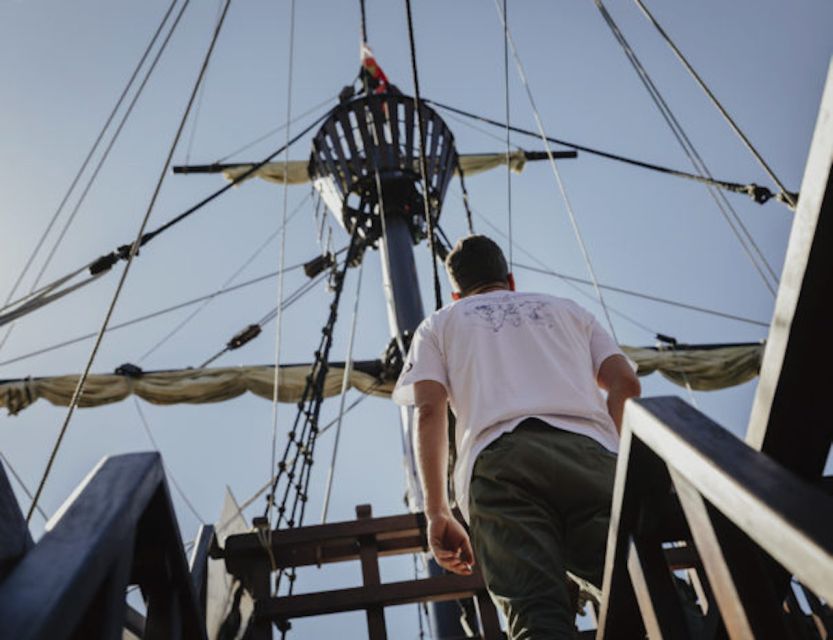
- Life-sized boarding on the Nao Victoria 500 replica for a hands-on sense of shipboard conditions
- An audioguide in Spanish, English, and French, included with your ticket
- Staff support that helps even with limited Spanish, which makes the visit easier to access
- A good fit for families, with children-friendly appeal in the replica-and-story format
Espacio Exploraterra and the Nao Victoria 500: what you’re really seeing

The core idea of this visit is simple: you’re not just looking at artifacts and reading captions. You’re following the story of the first around-the-world trip in a way that’s designed to feel like you’re with the ship—preparations, the scale of the voyage, the key events, the dangers, and the hardship of life on board—ending with the important consequences of the feat.
That storytelling choice matters. When a museum frames history as a dry timeline, it’s easy to forget why it was so hard. Here, the emphasis on the human side (the people on board, the sailors’ experiences, and what they endured) helps you grasp what “greatest maritime adventure” really means in daily life, not just on a poster.
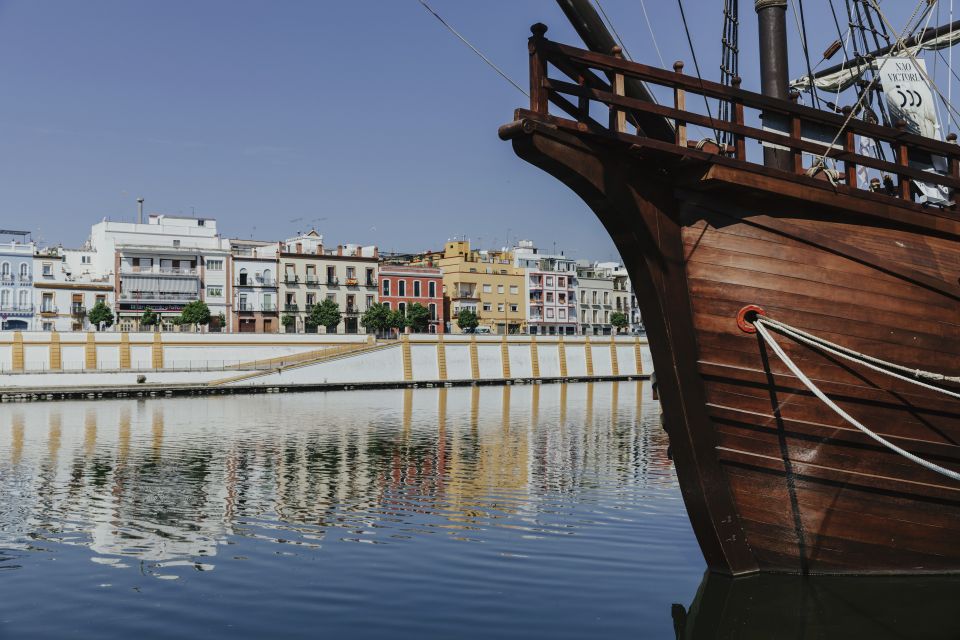
And then there’s the payoff: you can board the Nao Victoria 500 replica. A replica can’t reproduce real survival or real storms, but it can give you a physical sense of scale and constraints. That’s the difference between reading about life on a ship and trying to picture how it feels to move and work inside one.
You can also read our reviews of more museum experiences in Seville
Getting oriented at the meeting point near Seville’s Primera Vuelta al Mundo
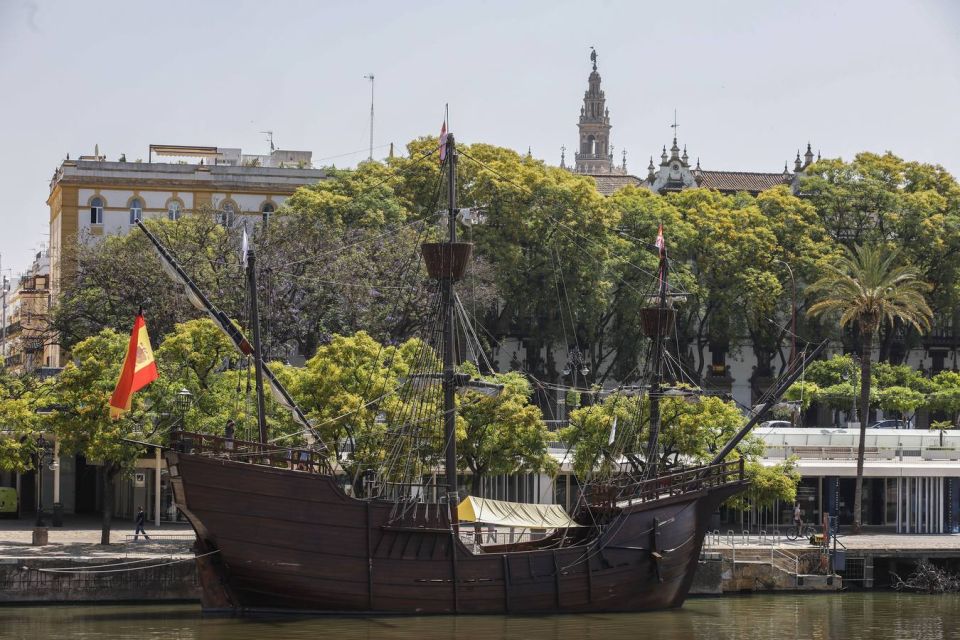
Your meeting point is clearly set: Espacio Primera Vuelta al Mundo, Paseo Alcalde Marqués del Contadero, 2, 41001 Sevilla, Spain. Because this is a museum + replica combo, you’ll do best by arriving with a calm pace and letting the first part set the context before you jump into the ship.
Timing is flexible in the sense that your ticket is valid for 1 day, and you’ll want to check what starting times are available. Since the experience is designed as story first, ship second, I’d aim to start earlier rather than late afternoon—mainly so you’re not rushing when the exhibition narrative is doing its job.
One practical note: you’ll need headphones for the audioguide. If you arrive without them, you’ll waste time solving that problem mid-visit. Bring a small pair you’re comfortable using.
The exhibition narrative: how the ship tells Magellan and Elcano’s story
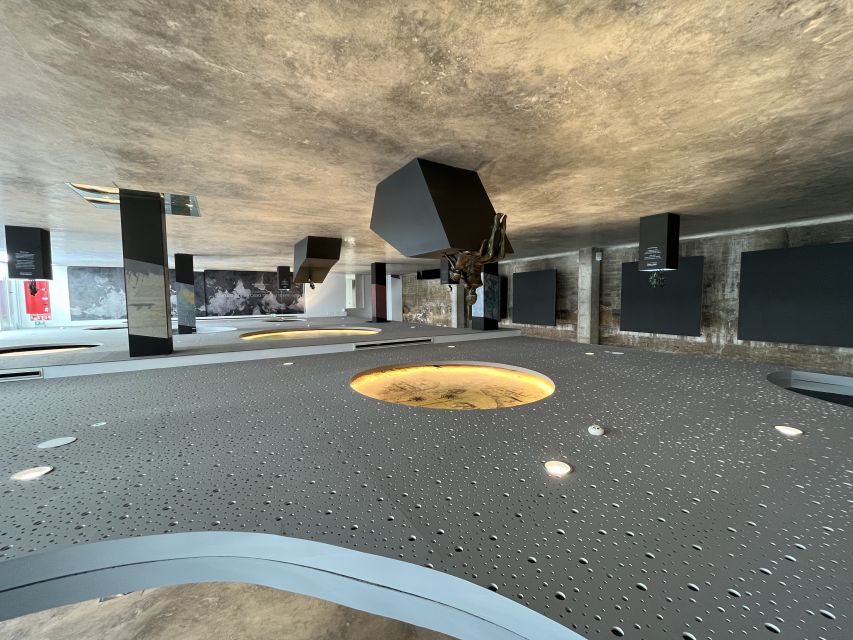
Inside Espacio Exploraterra, the story is organized around the idea of the Nao Victoria as the protagonist. Instead of separating “history” from “ship life,” the exhibition uses the ship’s viewpoint to connect the journey’s planning to what happened at sea and what it cost.
You’ll see the story move through the big stages:
- the expedition’s preparations
- the immensity of the voyage
- the events that unfolded
- the dangers faced along the way
- the hardship of life on board
- and the consequences of this major maritime milestone
That structure is valuable because it mirrors how people actually experience long voyages: you don’t only face danger; you also spend a lot of time preparing, adapting, and enduring. And it keeps the visit from feeling like a single dramatic chapter. The exhibition makes the middle feel real, not just the highlights.
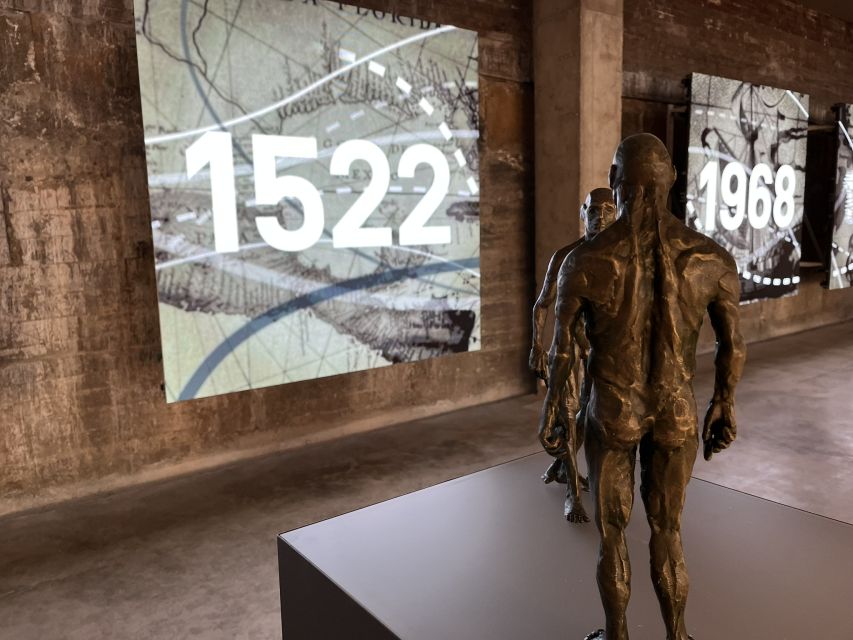
It also puts special focus on Magellan and ElCano, tying their accomplishments to the broader story of the first world circumnavigation. I liked that this doesn’t treat them like names in a textbook. Instead, it links their roles to the overall adventure and the stakes of staying the course when conditions would have been unforgiving.
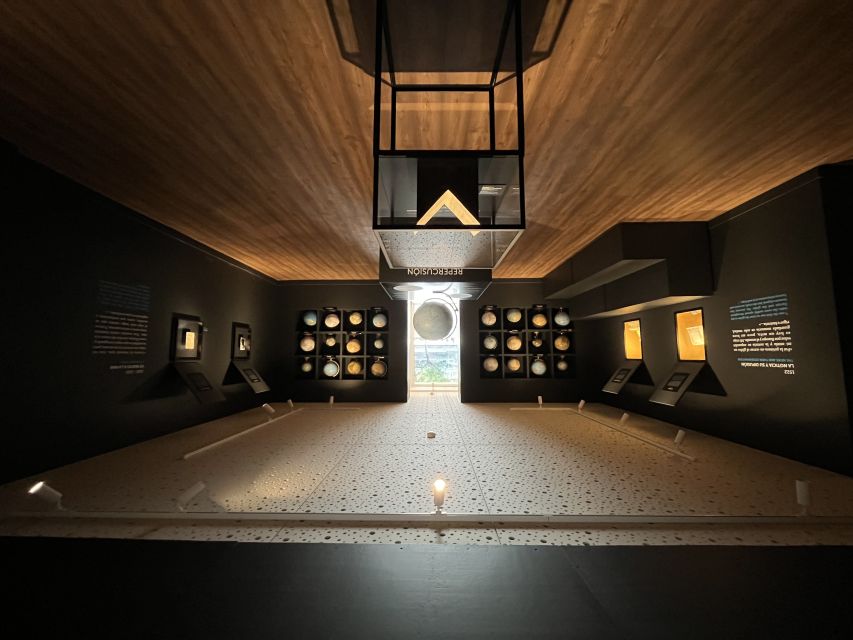
The exhibition includes historical sources and diverse audiovisual media. That matters for engagement: if one medium doesn’t click for you, another one likely will. The audiovisual pieces also help you keep energy up without feeling like you’re only reading.
Museum-to-ship flow: the easiest way to enjoy both parts
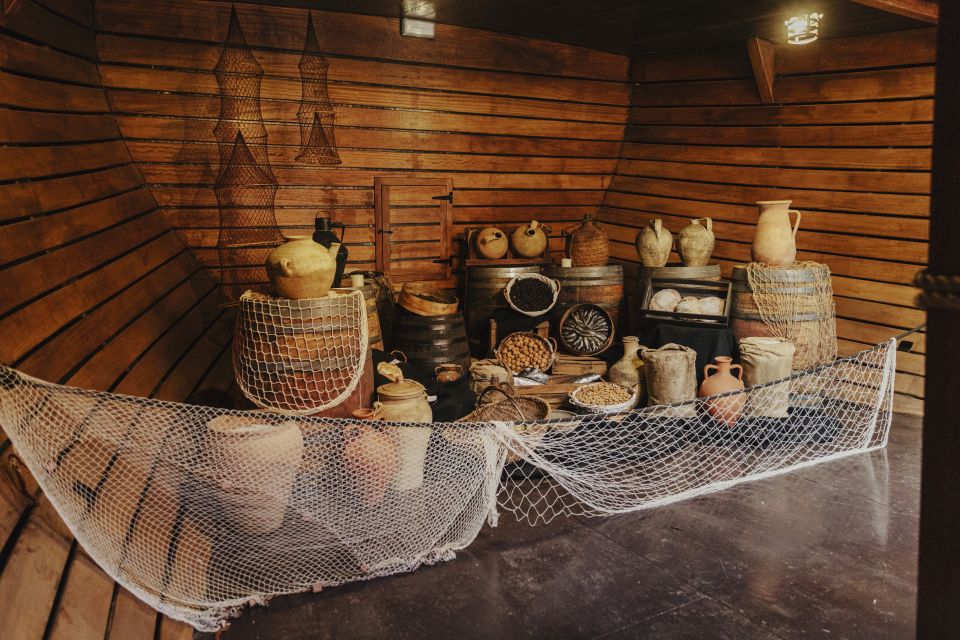
You’ll get access to both the museum exhibition and the Nao Victoria 500 replica with the same ticket. The sequence you choose affects how much you carry away.
A tip I strongly recommend: do the museum first. One reason is simple—by the time you step onto the replica, you’ll already know what you’re trying to imagine. Without that background, the ship can feel like a cool object. With it, it becomes a place where the story clicks.
When you board, you’re looking for atmosphere more than exact reconstruction details. The goal is to get sensations of the voyage experience: the setting, the physical constraints, and the everyday reality of sailors at work. Even if you can’t fully recreate what it was like, the replica helps your brain form the right mental picture.
A small museum can be a positive thing here. If you go in with focus, you don’t have to slog through sections that you’re not into. You can take your time with what you care about most—then still have energy left for the boarding experience.
Boarding the Nao Victoria 500 replica: what life aboard feels like
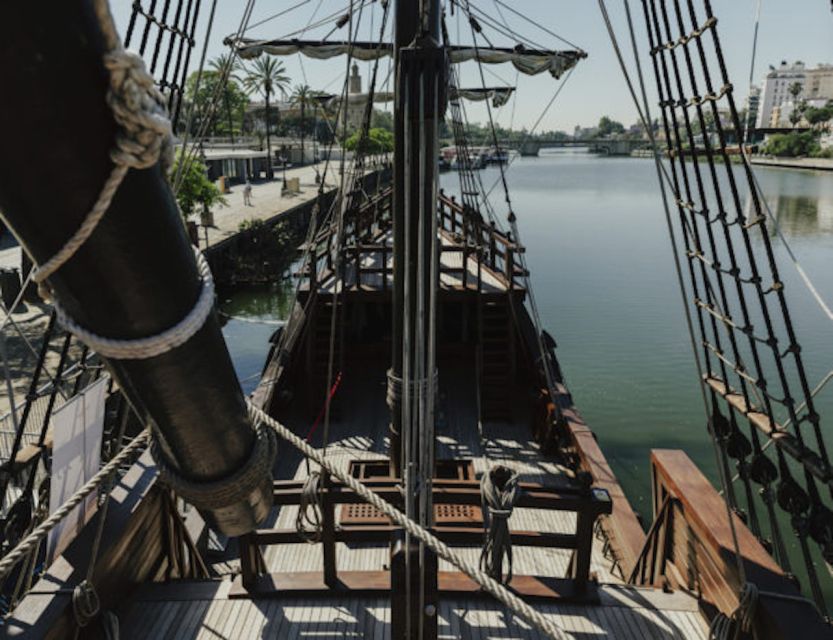
The highlight is the chance to board the life-sized Nao Victoria 500 replica, described as a replica of the ship that completed the first circumnavigation. That specific connection is a big part of the emotional pull of the visit.
What I found most useful is that the museum and replica work together. The exhibition sets up the themes—preparation, danger, hardship, and consequences—so when you step into the replica, your attention naturally shifts toward the human factors. You start paying attention to how people might have lived and worked, rather than treating the ship as just scenery.
The experience is designed to move you closer to the true dimension and scope of the achievements by emphasizing:
- sensations and lived experience of people on ships
- the sailors’ point of view
- turning hard conditions into “bridges and paths between continents, cultures, and civilizations”
That last line can sound poetic, but in practice it’s a useful lens. When you look at the replica, think about what it takes to cross huge distances and then sustain contact with new places and cultures. The ship becomes less about a single voyage and more about the connection-making power of maritime exploration.
If you’re traveling with kids, this is also where their attention usually lands. The replica gives a clear physical goal—walk, look, imagine—so they’re not stuck only with screens or reading.


Audioguides in Spanish, English, and French: simple strategy that works
The ticket includes an audioguide, available in Spanish, English, and French. You’ll want to wear it properly and keep your volume comfortable; the exhibition includes audiovisual media, and you don’t want the sound competing with your guide.
Here’s the plan I’d use:
- Start the exhibition with the audioguide on, but don’t try to hear every word perfectly.
- When you hit a station with audiovisual content, follow the guide’s sequence first, then look around after.
- During the ship boarding, switch your attention from story points to sensory questions: how might routine work? where might people have gathered? what parts might feel tight or hard to manage?
If your Spanish is limited, you’re still in good shape. The staff were patient in my experience, and they helped when Spanish felt slow or wrong. Even if you switch to English/French for the audioguide, you’ll likely feel comfortable asking for clarification at the counter or inside.
Also, remember your own headphones. The “bring headphones” rule sounds small until you’re standing there trying to find a solution.
Staff help and the “no-stress” feel that matters more than people expect
One underrated advantage here is the human support. I appreciated that the staff were patient and helpful even when language came out wrong. That’s not just nice customer service—it changes what you can get from a museum.
When you’re confident you can ask a question, you spend more time learning and less time second-guessing. And because the experience includes audiovisual media plus an audioguide, it’s normal to wonder what you’re supposed to notice. Friendly staff support makes those moments easier.
This kind of support is especially helpful if you’re visiting with kids. Children often need quick explanations, and a patient response can turn a confusing stop into a memorable one.
Price and value in Sevilla: $11 for story plus access
At $11 per person for entrance to the museum and the Nao Victoria 500 replica plus an audioguide, the value is strong. Museums can be expensive in Seville, and many charge separately for special exhibits. Here, the ticket ties the exhibition narrative directly to the ship experience.
What makes the price feel fair is the combination:
- a guided narrative through historical sources and media
- practical, physical connection via boarding the replica
- included audioguide in three languages
If your budget is tight, this is a smart way to spend time that’s both educational and hands-on. If your budget is bigger, it’s still worth it because it’s compact and efficient: you’re not spending half a day just finding your way through large halls.
Who should book this (and who might skip it)
This is a great fit if you want:
- a history experience centered on the first world circumnavigation
- a museum that uses story structure instead of endless reading
- a physical add-on where you can board a life-sized ship replica
- something that works for families, not just adults
It may be less ideal if you:
- need wheelchair accessibility (it’s not suitable for wheelchair users)
- prefer very large museums with lots of space to roam slowly
- hate audioguides or want purely guided conversation (this experience is audioguide-based)
For most people, it hits the sweet spot: you get enough context to understand why the feat was so big, then you get a ship experience to make it stick.
Practical stuff you should know before you go
Plan for a 1-day window, but think of it as a focused visit rather than an all-day wander. Check availability for starting times so you don’t end up with a late slot that compresses your attention.
Bring:
- Headphones for the audioguide
Know:
- Audioguide languages are Spanish, English, and French
- It’s not suitable for wheelchair users
And if you’re traveling with a group, aim to decide in advance whether you’ll stick to the audioguide narration throughout or switch languages. Keeping the group aligned on the same language track can save time and frustration.
Should you book Espacio Exploraterra’s Nao Victoria 500 visit?
Yes, if you like historical stories that help you visualize the human side of exploration. I’d book it for the pairing: exhibition narrative first, then the replica boarding that turns those themes into something you can stand next to.
I’d also book it if you’re a parent or a mixed group. The replica format gives everyone a shared focus, and the staff’s patient help makes it easier to stay calm when language is a barrier.
Skip it only if accessibility is a deciding factor for you, or if you want a huge museum maze instead of a compact, story-forward experience.
Overall, this is one of those value-packed Sevilla stops where the time feels well spent: learn the circumnavigation story, then step onto the ship-shaped reminder of what it took.
FAQ
Where is Espacio Exploraterra / Nao Victoria 500?
The meeting point is Espacio Primera Vuelta al Mundo, Paseo Alcalde Marqués del Contadero, 2, 41001 Sevilla, Spain.
How long does the visit take?
The activity is listed as 1 day (with available starting times you can check).
What does the ticket include?
Your ticket includes entrance to the Espacio Exploraterra museum and the Nao Victoria 500 replica, plus an audioguide.
Do I need to bring headphones?
Yes. The activity asks you to bring headphones for the audioguide.
What languages are available for the audioguide?
The audioguide is available in Spanish, English, and French.
Is it wheelchair accessible?
No. It is not suitable for wheelchair users.
Is it good for children?
Based on the provided feedback, it’s considered especially good for children, with multiple mentions of families finding it enjoyable.