REVIEW · SEVILLE
Seville: 2-Day Hop-on Hop-off Bus Ticket
Book on GetYourGuide →Operated by Sevirama · Bookable on GetYourGuide
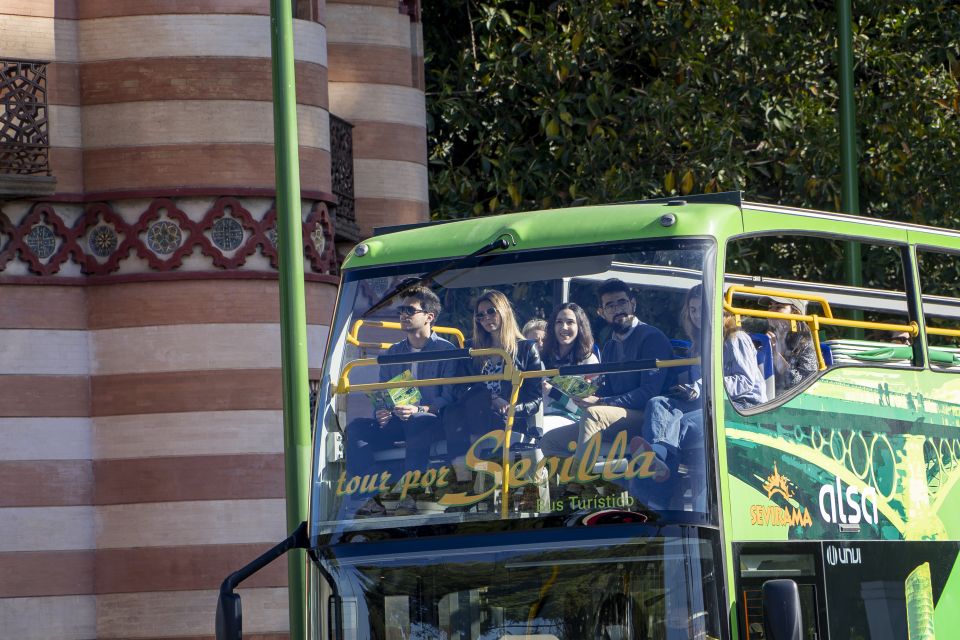
Seville’s best viewpoints come with seatbelts. On this two-day hop-on hop-off ride starting at Torre del Oro, you get 14 stops, a 360º viewpoint from double-decker buses, and included walking tours focused on Santa Cruz and Triana. It’s an easy way to plan your day when you want to see a lot without locking yourself into one fixed circuit.
I especially like the heated and air-conditioned comfort on the open-top design. I also like that the audio is built for real use—headphones and stop-by-stop commentary in eight languages help you follow along without staring at your phone. The main drawback to keep in mind: the audio timing can occasionally feel off against what you’re passing, so stay alert to landmarks outside your window.
With one ticket valid for two consecutive days, you can repeat the route at your pace. The buses run often enough that you can hop off for lunch, wander a bit, and get back on later without feeling stuck.
In This Review
- Key things to know before you ride
- Getting your bearings: starting at Torre del Oro
- Comfort and views you’ll actually use (heated, air-conditioned, open-top)
- The two-day loop: what you’ll see at each of the 14 stops
- 1) Torre del Oro
- 2) Acuario de Sevilla
- 3) Plaza de America
- 4) Plaza de España, Seville
- 5) University of Seville
- 6) Plaza de Cuba, Sevilla
- 7) San Jacinto, Seville
- 8) Puente del Cristo de la Expiración
- 9) Monasterio de la Cartuja
- 10) Urb. Ciudad Expo, 92
- 11) Isla Mágica
- 12) Macarena walls
- 13) Plaza del Duque de la Victoria
- 14) Plaza de armas
- How the included walking tours (Santa Cruz and Triana) fit the bus plan
- Plaza de España, Parque de María Luisa, and why timing matters
- Audio guide, headphones, and the WiFi reality check
- Price and value: why $32 can make sense (if it matches your style)
- Practical tips so the day stays enjoyable
- Should you book this Seville hop-on hop-off ticket?
- FAQ
- Where is the meeting point?
- How long does the complete bus route take?
- How many stops are on the bus route?
- Is the ticket valid for one day or two?
- Do I get walking tours included?
- What languages are available for the audio guide?
- Is WiFi available on the bus?
Key things to know before you ride
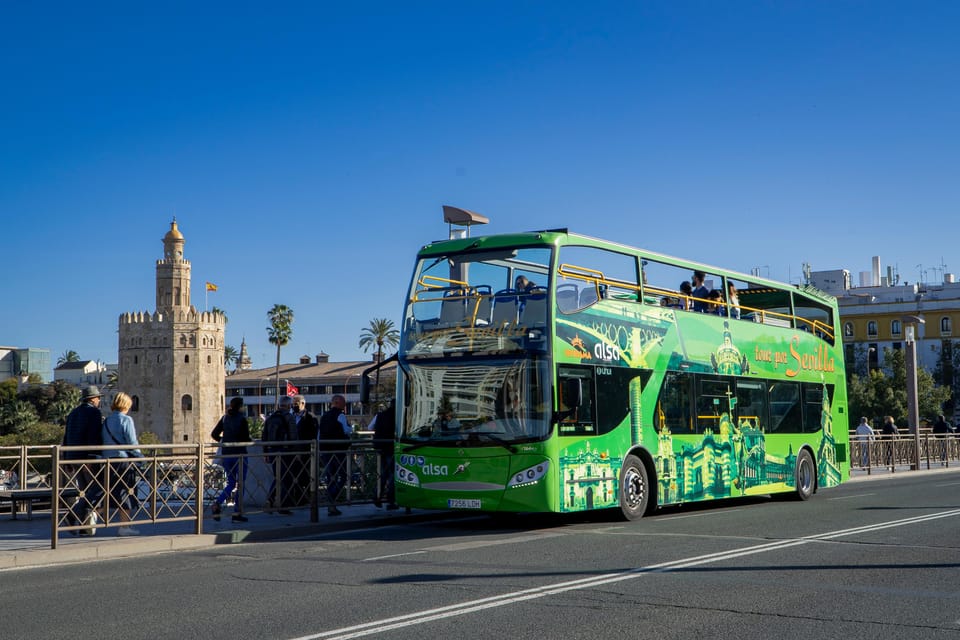
- Two-day ticket, unlimited hopping: Valid for 2 consecutive days from first activation, with many get-on/get-off chances.
- 14 stops around major sights: You’ll pass big hitters like Plaza de España and the Cartuja area.
- Heated, air-conditioned double-decker buses: Comfortable in hot sun or cooler evenings.
- Open-air 360º viewing: Great for photos and for understanding how Seville sits around the river.
- Included walking tours in Santa Cruz and Triana: You get a slower, on-foot layer on top of the bus loop.
- Audio guide in 8 languages with headphones: Spanish, English, French, German, Italian, Russian, Dutch, Portuguese, plus WiFi on board.
Getting your bearings: starting at Torre del Oro
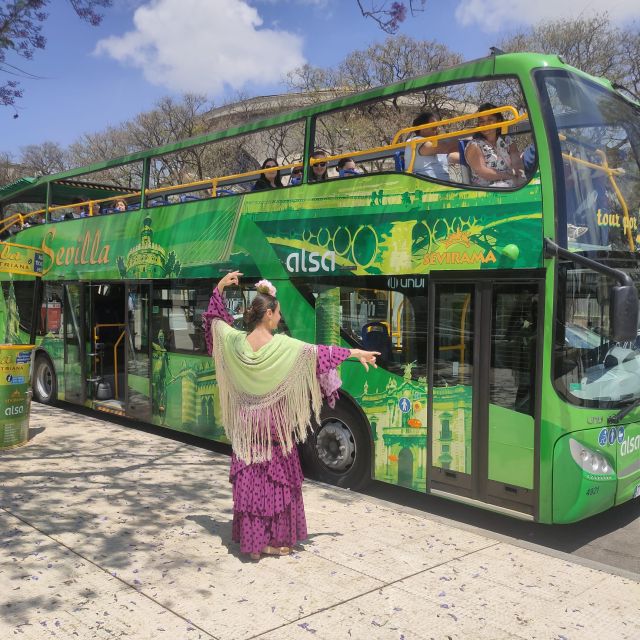
Your ride begins at Torre del Oro, a smart starting point because it anchors the route near the river. From there, you’re in “Seville mode” quickly: you’re not just watching bus windows roll by, you’re building a mental map.
The full loop takes about 1 hour and 15 minutes, and that matters because it turns the city into something you can keep checking off. If you only have a short window one day, you can still get the whole circuit. If you have time, you repeat the loop and refine where you want to return.
You’ll see 14 stops, and you can get on and off as often as you like during your two valid days. That flexibility is the real point of hop-on hop-off: it lets you match the plan to how you actually feel—hungry, tired, curious, or just ready to linger.
You can also read our reviews of more tours and experiences in Seville


Comfort and views you’ll actually use (heated, air-conditioned, open-top)
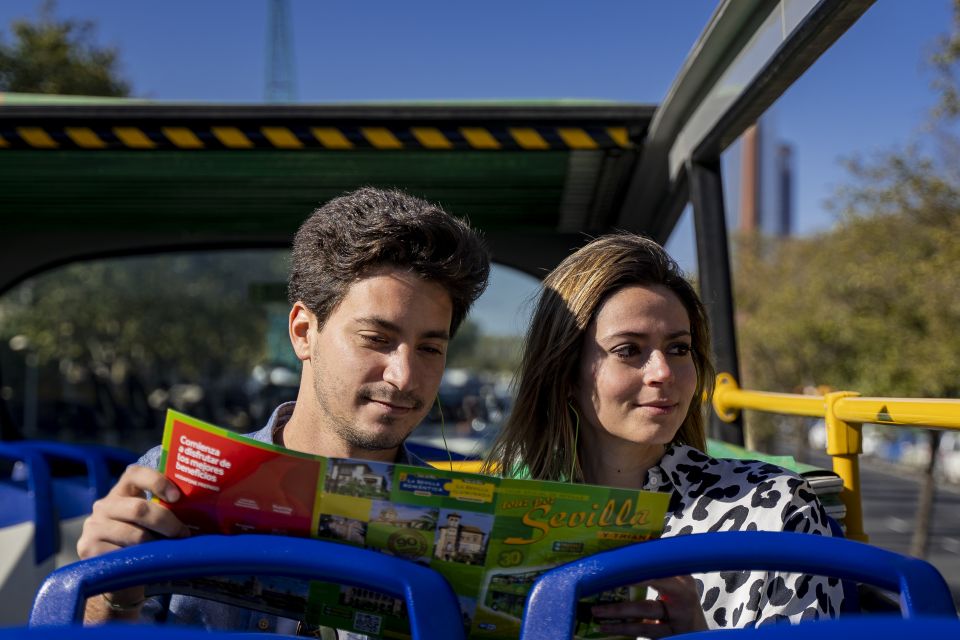
This is not the kind of bus ride where you have to choose between comfort and sightseeing. The buses are heated and air-conditioned, which can be a lifesaver when the weather swings.
And because it’s a double-decker with open-top/360º viewing, you get angles that are hard to get at street level. Even if you’re not a photographer, the broader view helps you understand where monuments sit in relation to the river and neighborhoods.
One practical note: the audio guide is pre-recorded and delivered through headphones, so you’re not relying on cell service. WiFi is listed as included, but if you care about streaming, plan as if you might not always be able to use it.
The two-day loop: what you’ll see at each of the 14 stops
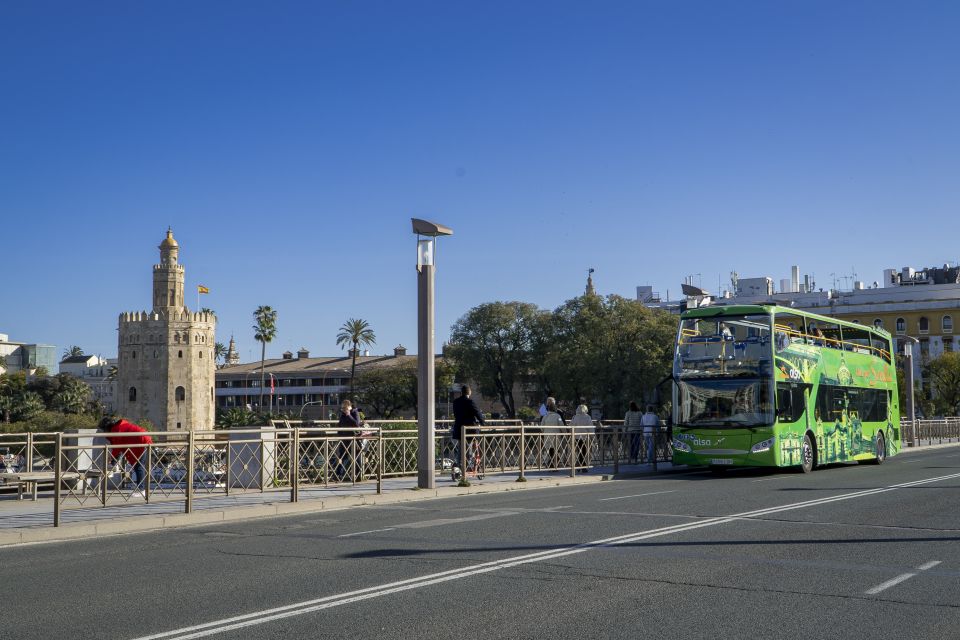
You’ll do this by jumping on and off across two days, with the option to repeat the circuit as much as you want. Here’s what stands out along the route, in order from the start.
1) Torre del Oro
As your departure point, Torre del Oro sets the tone: you’re starting by the river, which is where Seville’s big visuals make sense. If you’re new to the city, use the first ride to pick out the river crossings you’ll want to walk later.
2) Acuario de Sevilla
This stop is a signpost for the riverfront area. It’s a good “pass-through” stop if you’re staying flexible, because it helps you locate where you are without forcing you to commit to a long detour.
You can also read our reviews of more tours and experiences in Seville


3) Plaza de America
Plaza de America is a natural pause point if you want to connect the dots between Seville’s monumental plazas and the broader urban layout. Even if you don’t step out, the sight lines from the bus help you plan future wandering.
4) Plaza de España, Seville
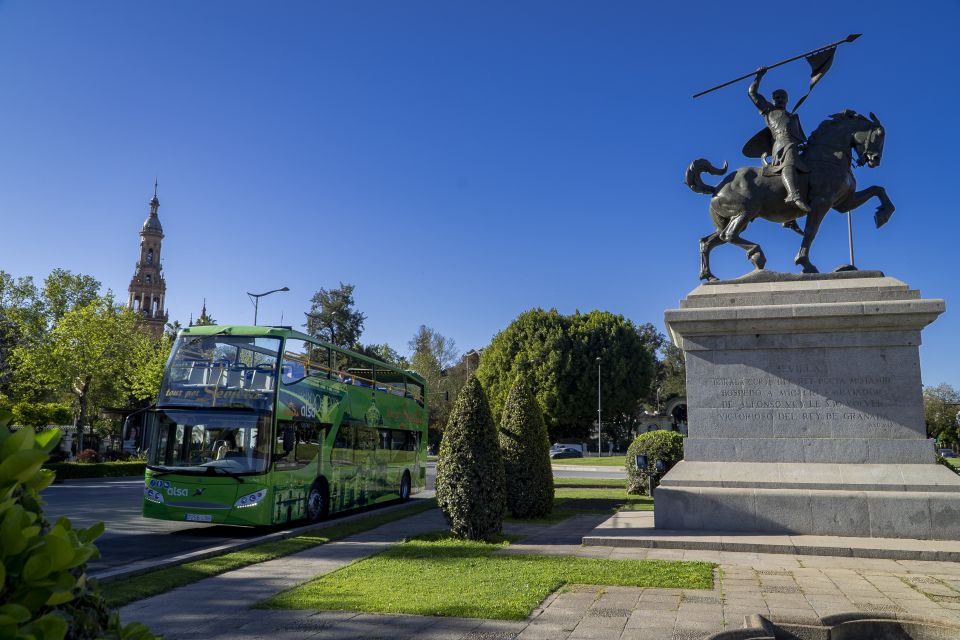
This is the stop most first-timers treat as a must. Plaza de España is one of Seville’s big, open-stage spaces, and it pairs well with the nearby Parque de María Luisa area you’ll get to enjoy as part of the experience. If you hop off here, plan a slow walk and give yourself time just to look around.
5) University of Seville
Passing the University of Seville gives your route a more local flavor than “only monuments.” It’s also useful for orientation—you’ll start to see how the major sights connect across different parts of the city.
6) Plaza de Cuba, Sevilla
This stop keeps you tied to the river zone and the broader Seville axis. It’s a practical point to hop off if you want to regroup for snacks or decide where to head next.
7) San Jacinto, Seville
San Jacinto works like a neighborhood checkpoint. Use it when you want a change of pace from plazas and big landmarks, or when you’re trying to figure out which direction you want to explore on foot.
8) Puente del Cristo de la Expiración
Here’s where the river energy becomes obvious. The route includes two crossings of the Guadalquivir, and this is one of the bridges that helps you feel the scale of the river and how Seville stretches around it.
If you like photos, this is the kind of stop where you might stand at the right side of the bus for a moment—then hop off briefly if the timing and crowds allow.
9) Monasterio de la Cartuja
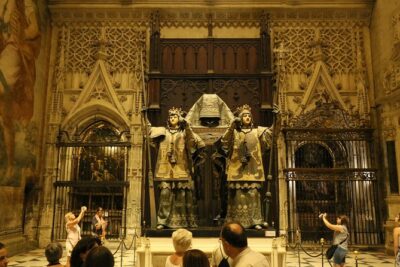
This is a standout stop for the big story behind the area. You’ll be in the Cartuja zone, and the narration points out that Columbus lived here before leaving on his journey of discovery. That fact gives this stop more weight than a typical pass-by.
If you enjoy turning history into something you can picture, this is where the audio helps connect place to story.
10) Urb. Ciudad Expo, 92
This stop adds a modern layer to the route. It also helps you understand that Seville isn’t only old streets—it has major districts shaped by later events, and they flow into the older core around them.
11) Isla Mágica
This is another clear “what’s here now” landmark. Even if you’re not going into it, it’s helpful as a way to anchor where entertainment zones sit along your ride.
12) Macarena walls
This stop is closely tied to the Almohad walls mentioned in the route highlights. It’s also near the area associated with the Macarena, including the famous church of the Virgin Mary in Seville.
When you hop off here, don’t rush. This is exactly the kind of area where small street details can change how you remember the city later.
13) Plaza del Duque de la Victoria
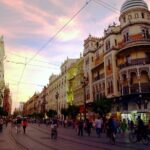
This stop is useful for transitioning back toward shopping-and-strolling zones. You’ll likely find it’s a convenient place to hop out when you’re ready for a meal or a calmer walk before heading back to catch the next bus.
14) Plaza de armas
Ending the loop at Plaza de armas gives you a “reset point” feel. If you’re on day two, use it to judge what you want to revisit. Since your ticket stays valid for two consecutive days, you can make a plan now and refine it later.
How the included walking tours (Santa Cruz and Triana) fit the bus plan
The bus loop does the heavy lifting: big sights, river views, and quick orientation. The included walking tours are what help you turn those pass-by moments into something more real.
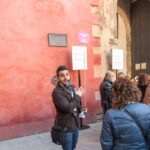
You get two walking tours each day, covering Santa Cruz and Triana neighborhoods. That structure is smart because it breaks your time into manageable chunks. You’re not just sitting on a bus waiting to arrive; you’re switching modes—ride, then walk—so your day doesn’t feel like one long transit segment.
Practical advice: I’d treat the bus as your way to set the route for your feet. Get an initial loop going, then use what you notice to choose where to hop off next time. If you’re aiming for photos, do that from the bus first, then walk toward the most interesting sections afterward.
Plaza de España, Parque de María Luisa, and why timing matters
The route highlights Plaza de España and the Parque de María Luisa, and they’re the kind of sights that reward patience. These are not places where a quick look gives you the full experience.
So here’s how I’d use your two days: don’t spend all your time at the big monument stops on day one. Let day one be your orientation sweep, then give day two the slower attention where you feel pulled in. With unlimited hop-on hop-off, you can always return.
If you’re traveling on a day with off-and-on weather, the bus is a great “pause button.” One of the easiest ways to keep your energy up is to ride, listen, and then step out when conditions improve.
Audio guide, headphones, and the WiFi reality check
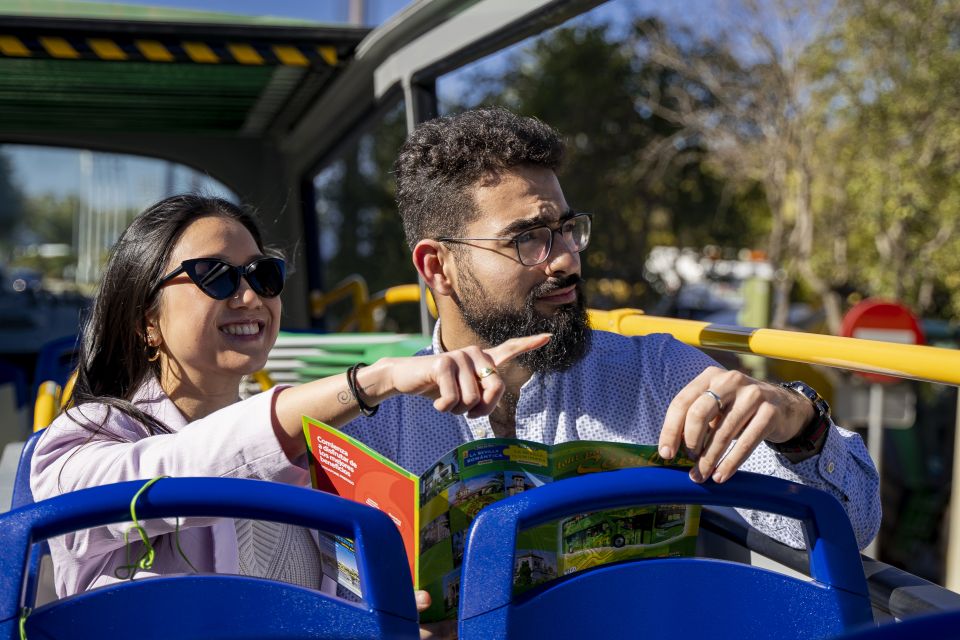
This tour includes a pre-recorded audio guide in eight languages, delivered through headphones. The commentary is designed around stops and key sights, which is ideal if you want to follow along without guessing.
That said, use your eyes. There can be moments when the narration feels out of sync with what you’re seeing, and you might notice that some landmarks aren’t mentioned at every stop. If you keep an eye on your surroundings—and check that you’re at the right numbered stop—you’ll be fine.
WiFi is listed as on board. I’d still plan for the possibility that it may not work reliably on every bus at every moment. If you depend on it, download anything you need before you board.
Price and value: why $32 can make sense (if it matches your style)

At $32 per person for two days, this ticket can be good value if you like flexibility and want help creating a plan. You’re not just buying transportation. You’re also getting two bus tours and walking tours each day, plus audio and headphones.
The real value is in the combination:
- a comfortable, repeatable loop
- a way to hit major sights without committing to a strict schedule
- guided walking time layered on top
If you’re the kind of traveler who wants to decide in real time—walk longer where you like, cut short where you don’t—hop-on hop-off is built for you.
If you’re the kind who hates buses and prefers to research one neighborhood deeply, you might feel like you’re paying for extra transit. In that case, you could still use this ticket for orientation, then switch to on-foot exploring.
Practical tips so the day stays enjoyable
Here are the details that can make or break your experience.
- Start your route early in the day if you can. You’ll get better light for the big plazas and fewer headaches with crowds.
- Buses run fairly frequently, around every 15 minutes based on real-world timing. That helps when you hop off for coffee or lunch and want an easy rejoin.
- Use headphones, but keep one eye on the stop list and your surroundings. If audio timing drifts, your own visual check will keep you confident.
- If it’s raining or chilly, treat the bus as your sheltered option. Listening to the audio while you’re warm is a smart way to keep momentum.
Also remember the basics: no smoking and no pets (assistance dogs allowed). And the buses are adapted for people with reduced mobility, which is important for comfort and independence.
Should you book this Seville hop-on hop-off ticket?

I’d book it if you’re visiting Seville for the first time and want an organized way to see the big sights without overplanning your day. The two-day ticket, the comfortable buses, the 360º viewpoints, and the included Santa Cruz and Triana walking tours make it a practical choice.
I’d skip it (or treat it as a backup) if your ideal trip is slow, foot-only exploring with no need for an audio-guided route. In that case, you might prefer building a tight plan around just a few areas.
If you’re unsure, do this: use day one to ride the full circuit and identify where you want more time. Then let day two become your refined walk-and-stay day. This ticket is built for exactly that kind of flexible approach.
FAQ
Where is the meeting point?
The meeting point is Torre del Oro.
How long does the complete bus route take?
The full route takes about 1 hour and 15 minutes.
How many stops are on the bus route?
The route has 14 stops in Seville.
Is the ticket valid for one day or two?
It’s valid for 2 consecutive days, starting from the first time you activate it.
Do I get walking tours included?
Yes. There are two walking tours each day, covering Santa Cruz and Triana.
What languages are available for the audio guide?
The audio guide is available in Spanish, English, French, German, Italian, Russian, Dutch, and Portuguese.
Is WiFi available on the bus?
Yes. WiFi on the bus is included.