REVIEW · SEVILLE
Seville: Guided City Walking Tour with 3D contents
Book on GetYourGuide →Operated by Past View · Bookable on GetYourGuide
Seville has layers, and this tour makes them visible fast. You’re walking through today’s landmarks while smartglasses layer in 3D 360° VR reconstructions of Seville across ancient, medieval, and modern times.
What I love most is that you’re not just looking at buildings—you’re getting a guided explanation while you visually line up what once stood there. The second big win is the tech itself: at every stop, VR 3D scenes and virtual characters help you understand what you’re seeing in a way a normal street walk never does.
There is one catch to keep in mind: this is a walking tour of the monuments from the outside. You won’t go inside the big sites, and monument entry tickets aren’t included, so it’s best for context and orientation rather than a full museum-and-hall walkthrough.
In This Review
- Key highlights worth your attention
- Las Setas de Sevilla start: where VR meets the street
- How the VR content changes what you notice
- The 2-hour walking route, step by step
- Plaza de la Encarnación (Start)
- Plaza del Salvador (First stop)
- Plaza de San Francisco (Second stop)
- Catedral – Puerta del Perdón (Third stop)
- Giralda (Fourth stop)
- Real Alcázar (Fifth stop)
- Archivo de Indias (Sixth stop)
- Guadalquivir – Torre del Oro (Seventh stop)
- The guide matters more than you’d think
- Value check: is $35 a good deal?
- Who this tour suits best (and who should skip it)
- Tips to get more out of every stop
- Should you book this Seville smartglasses tour?
- FAQ
- FAQ
- How long is the Seville guided city walking tour with VR?
- Where do I meet the guide?
- Are monument tickets included, and do I visit inside the monuments?
- What languages are available for the live guide?
- What VR or smartglasses equipment is included?
- Is the tour wheelchair accessible?
Key highlights worth your attention
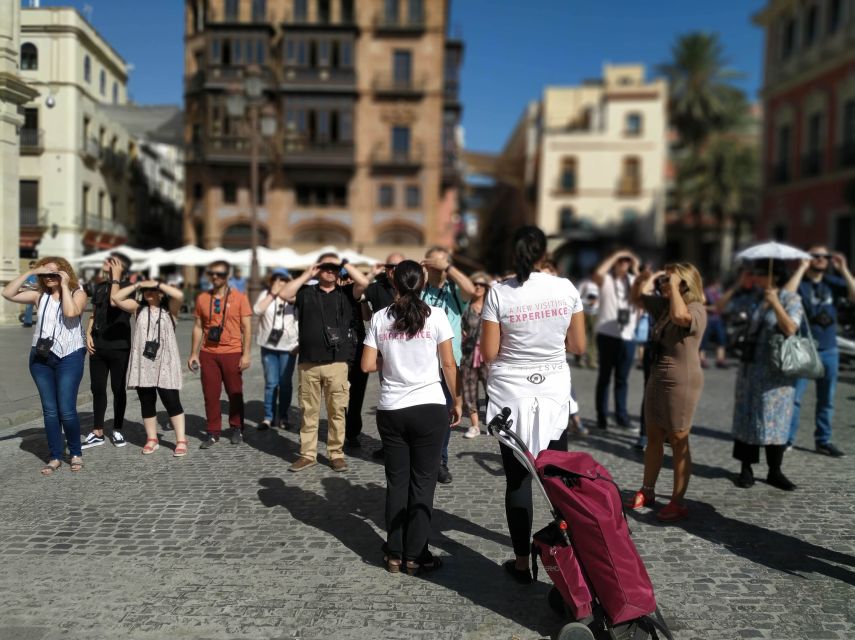
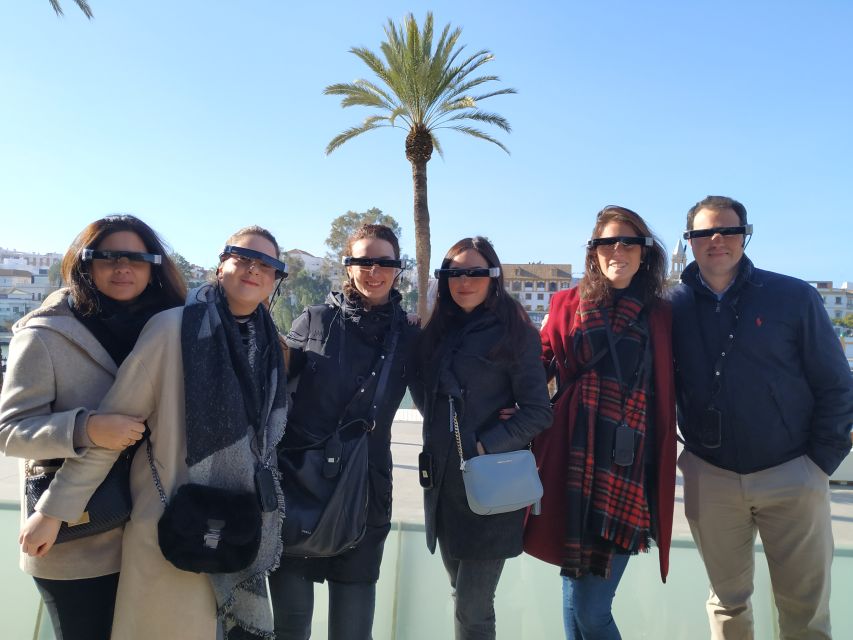
- Smartglasses + earphones + touchpad: the VR runs as part of the tour, not as a separate add-on
- VR at every major stop: you get 3D 360° reconstructions mapped to the locations you’re standing in
- A real guide stays with you: you’re not left alone with a device
- Seville’s main monuments in one loop: from Las Setas to the Giralda area and onward to the river
- Multilingual live guide: Spanish, English, and French (plus an audio guide in those languages)
Las Setas de Sevilla start: where VR meets the street
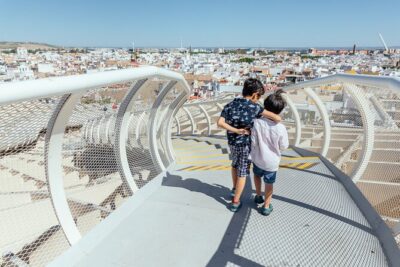
Most Seville tours start with a meeting point you forget five minutes later. This one starts at a place you’ll recognize instantly: Las Setas de Sevilla (Metropol Parasol). You meet at the Floor -1 area, downstairs by the Acceso Antiquarium, and you’ll look for the Past View desk.
From there, the guide sets expectations and keeps the pace. You get the tour’s rhythm early: walk, stop, look through the smartglasses, then move on with the next location. The guide stays with you the whole time, which matters because the VR experience works best when you understand what you’re aiming for.
Practical note: bring comfortable shoes. This is still a city walk, just with 3D added on top. The best results come when you’re willing to slow down at each stop and actually match the VR view to the real skyline.
You can also read our reviews of more walking tours in Seville


How the VR content changes what you notice
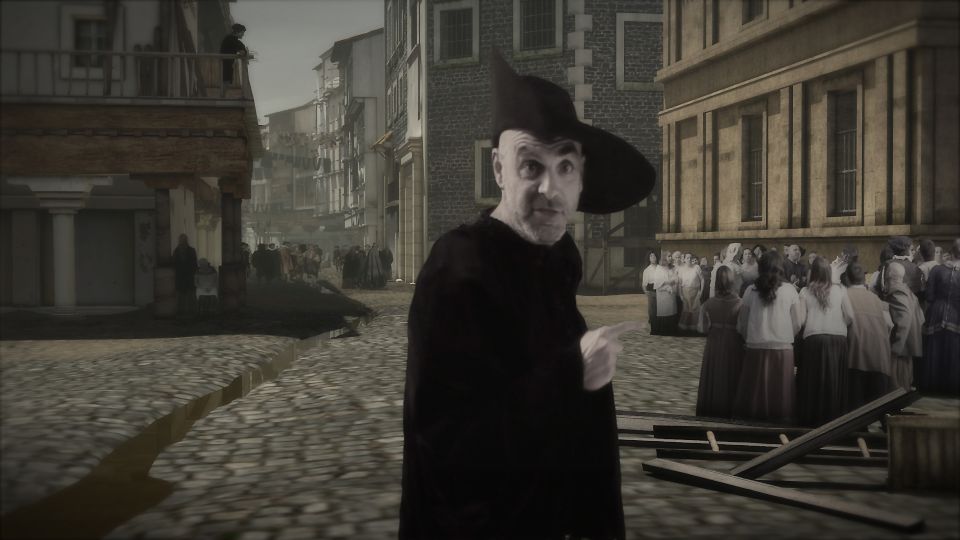
The core idea is simple: Seville’s buildings are like bookmarks in time. The tour uses smartglasses so that at each stop you can see 3D 360° reconstructions of how different places in Seville looked in ancient, middle, and modern ages.
Instead of treating history like a lecture, the VR turns history into something you can point at. You’re standing on a modern square or in front of a historic facade, then the glasses help your brain connect today’s view with what was there before. And there are virtual characters in the VR scenes giving explanations, so you’re not only relying on the guide’s spoken commentary.
One more thing I like: the tour doesn’t pretend VR replaces on-the-ground understanding. It supports it. You still learn what to look for in the street scene—the guide helps you interpret shapes, positions, and the feel of the place—while the VR fills in what isn’t visible anymore.
The 2-hour walking route, step by step
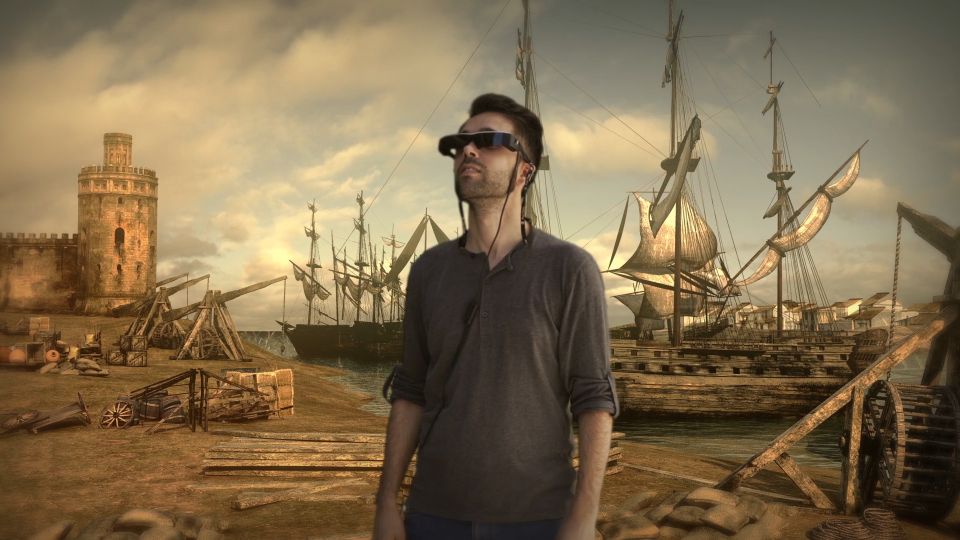
This route is built around major landmarks, with enough time at each stop to let the VR moment land. It’s about two hours, and the loop is designed so you can get a strong overview without hunting for tickets, maps, or confusing entrances.
Plaza de la Encarnación (Start)
You begin at Plaza de la Encarnación, which is a smart choice because the area around Las Setas acts like a modern gateway to the older core of Seville. Expect the guide to get you oriented first—what the tour will do, how the devices work, and how to use the touch controls if you’re given a touchpad.
This is a good early stop to use your glasses calmly. In the first few minutes, you’ll learn how to focus on the VR scene while staying aware of what’s around you in real life. If you do that well, every later stop feels easier.
Plaza del Salvador (First stop)
Plaza del Salvador is one of those Seville squares where the buildings frame the space like a theater. Standing here, you get the VR advantage: instead of history being something you read later, you can watch a 3D reconstruction of the site’s past appear while you’re in the same spot.
The guide’s job here is to connect the VR visuals to the street-level view—what’s the same, what has changed, and why this location mattered enough to keep evolving. This is where the tour’s concept starts to click.
You can also read our reviews of more guided tours in Seville





Plaza de San Francisco (Second stop)
Plaza de San Francisco keeps the walking momentum, but it also changes the vibe. The square gives you a different angle on the way Seville’s historic center is laid out.
With the smartglasses, you’re again prompted to compare: the VR helps you visualize what the space could have looked like in earlier eras, while the guide steers you toward practical observations in the present-day scene. If you’re the type who likes learning how a city developed, this stop is where you’ll likely want an extra beat before moving on.
Catedral – Puerta del Perdón (Third stop)
Now you get a big one: Catedral at Puerta del Perdón. This is exactly the kind of location where VR can do real work because cathedrals and their surrounding areas anchor so much of a city’s story.
From the outside, you won’t be touring interior rooms, but you can still understand the broader meaning of the site. The VR 360° reconstruction gives you a way to see the area in earlier time periods, and the guide helps you connect that to why this zone became a center point of power and belief.
One consideration: if you want inside access to the cathedral itself, you’ll need a separate ticket plan. This tour is built for orientation and context.
Giralda (Fourth stop)
Next comes Giralda, one of Seville’s most recognizable silhouettes. Standing here, the tour’s past-vs-present approach is especially effective. The VR scenes help you see how the area around the tower fits into older Seville, not just as a standalone monument.
This stop is also a good chance to check how comfortable you are wearing the smartglasses while standing still. If you’re wearing them for long stretches, it helps to keep your focus on one thing at a time: look through the VR, then quickly shift your eyes back to the real structure to compare.
Real Alcázar (Fifth stop)
The Real Alcázar stop is a highlight for almost everyone who comes to Seville. Even though you won’t enter the palace grounds or buildings as part of this tour, the outside viewpoint still gives you a powerful anchor.
With VR 360° reconstructions, you’re not just looking at walls—you’re seeing how the site’s story evolves across time. This is one of those moments where the guide’s explanations can make the difference between watching a cool video and actually understanding what you’re witnessing.
Archivo de Indias (Sixth stop)
At the Archivo de Indias, the mood shifts toward the administrative and imperial side of Seville’s past. This stop works well for people who like history that connects to big-picture movements—trade, governance, and the way empires leave marks on cities.
VR adds a time-layer effect here. You can compare the modern facade with what earlier periods looked like in 3D. The guide then helps you interpret why Seville’s historic center includes so many traces of its international connections.
Guadalquivir – Torre del Oro (Seventh stop)
The final stretch brings you to the river: Guadalquivir and Torre del Oro. Ending near the water is smart because it gives you a natural sense of geography. It also ties together the idea that Seville’s history isn’t trapped in squares and buildings—its story moves along routes and rivers.
The VR reconstructions at this stop help you imagine earlier river life and the surrounding environment. Even without stepping into museums or monuments, you leave with a clearer mental map of how Seville functioned as a living, moving city.
The guide matters more than you’d think
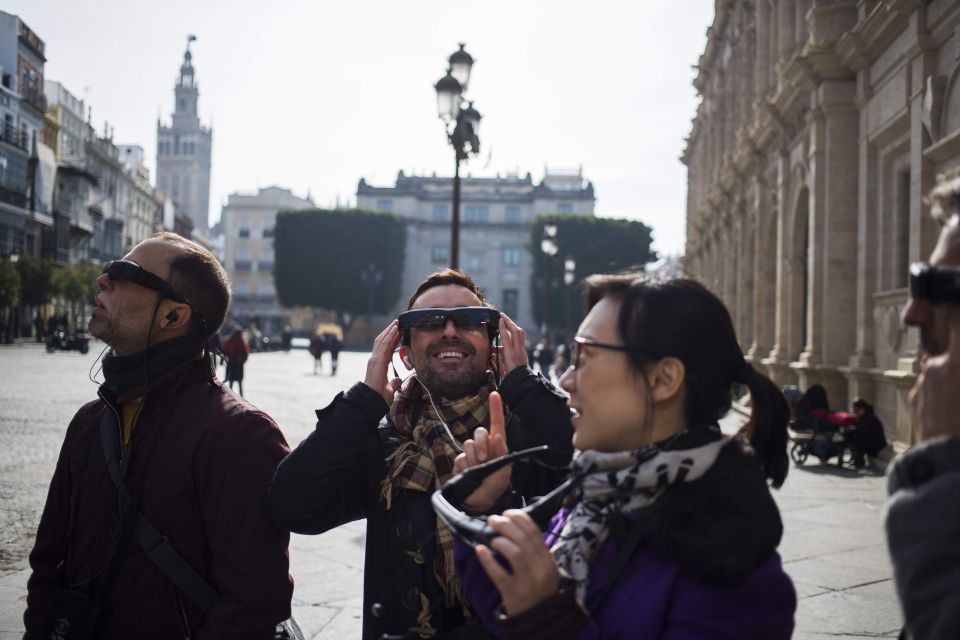
A walking tour with VR is only as good as its human layer. The guide steers your attention, keeps you moving at the right pace, and explains what to connect in the scene.
In particular, I’d plan to pay attention if you’re lucky enough to get a guide like Lucrezia—described as attentive and well-prepared. I also like that some guides go beyond the basic script, making sure you don’t miss important points along the route.
At the same time, not every guide experience will match your expectations. One language-related issue came up in the feedback: if you’re booking in French and you need very detailed French explanations, it’s worth double-checking that the language quality fits what you want. The tour does run with multilingual options, but your experience can still vary by guide and day.
Value check: is $35 a good deal?
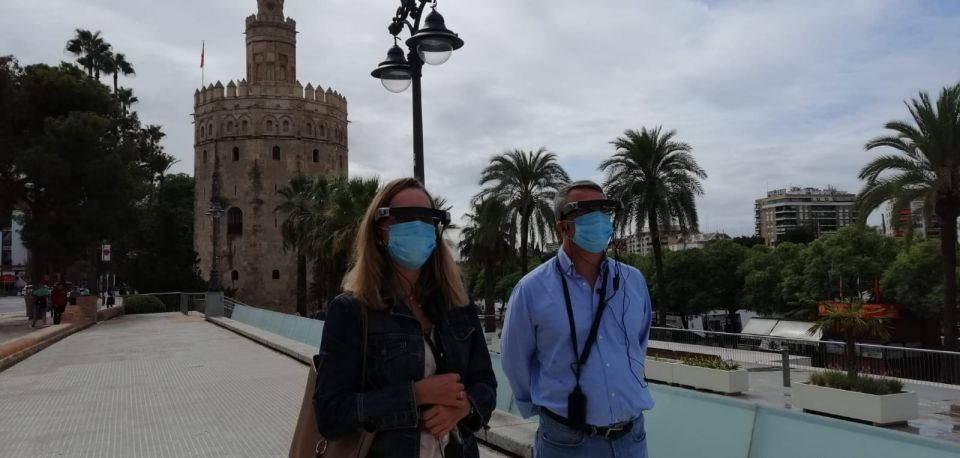
At around $35 per person for two hours, this tour is priced like a tech-enhanced walking experience. The biggest value isn’t the street sights themselves—you can see many of these exteriors on your own—but the combination of:
- a guide keeping context clear while you walk
- smartglasses with VR 3D 360° reconstructions at each stop
- included audio support and the device setup
The tour also doesn’t charge you for monument entry as part of the package. Since tickets for monuments aren’t included, you’re not paying for access you won’t use anyway. That keeps the experience more about learning the city’s time layers than buying a stack of timed entries.
If you’re trying to maximize value with a limited time window, this is a strong pick. If your dream Seville day is all about interior monument visits, you’ll likely feel a bit short. Think of this as the story-builder that makes later monument visits easier to understand.
Who this tour suits best (and who should skip it)
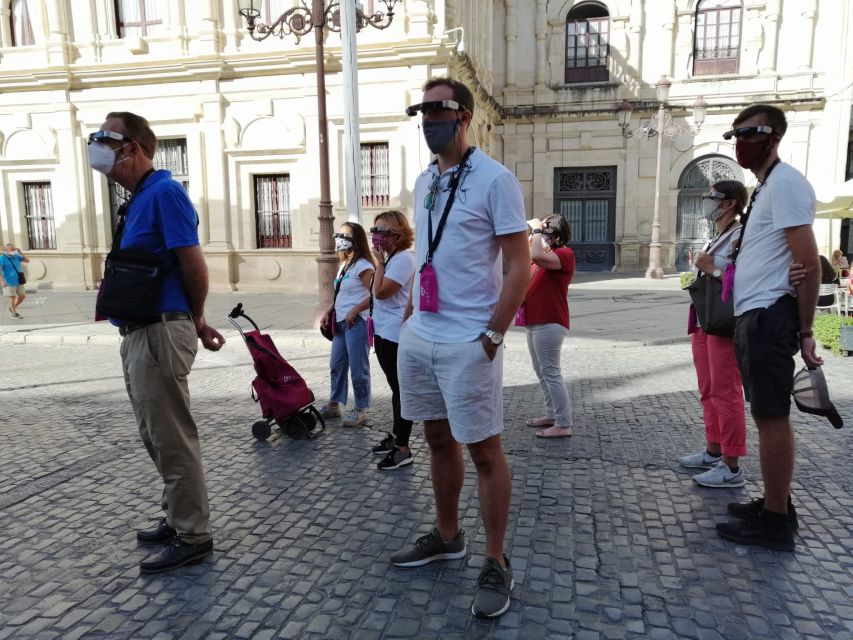
This is a great match if you:
- want a fast overview of Seville’s top sights without building your own walking route
- like learning history that you can see rather than just read
- enjoy guided structure and don’t want to figure out the order on your own
- are curious about VR and want it used in a practical, location-based way
You might want to skip or pair it with other plans if you:
- want to go inside monuments as part of your ticketed experience
- strongly prefer long, museum-style explanations over quick stops
- are sensitive to wearing smartglasses for the duration (though you can wear them over regular glasses, and the guide notes contact lenses are suggested rather than required)
Tips to get more out of every stop
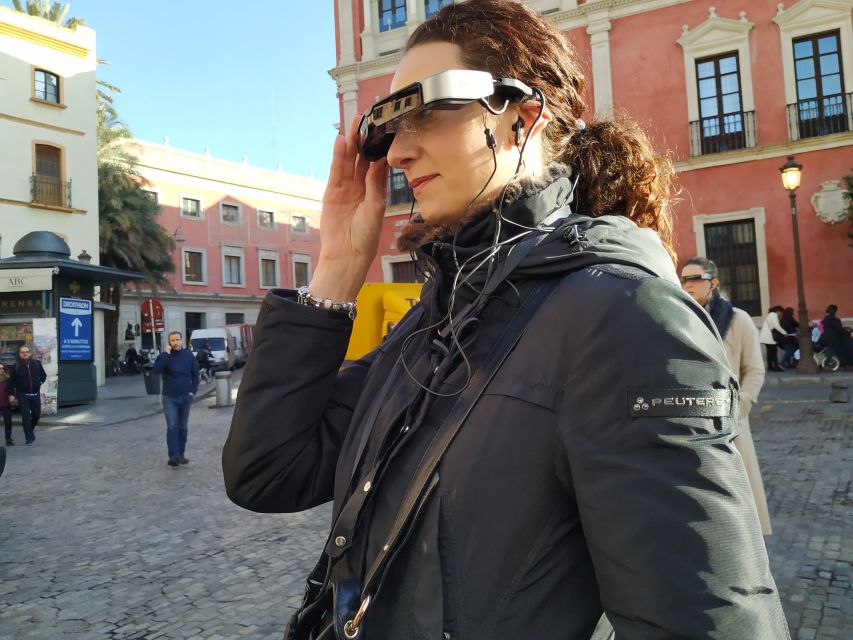
A few small habits make the biggest difference with VR-in-the-street tours:
- Wear comfortable shoes so you can stand still when the VR moment starts.
- Keep your eyes switching on purpose: VR first, then real-world comparison.
- Ask the guide a question at the transition between stops. You’ll get more from the next location if your curiosity is already sparked.
- If you have contacts, consider the suggestion to wear them rather than rely only on contact-free vision through the device.
This is one of those experiences where your attention is the real upgrade. The VR content is the tool; your pacing is the payoff.
Should you book this Seville smartglasses tour?
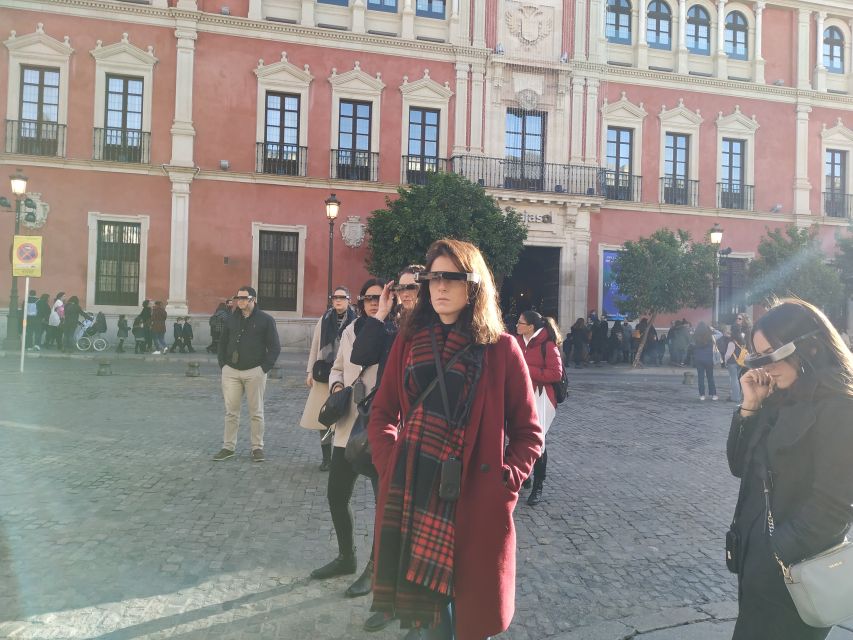
I’d book it if you want a smart, time-saving way to understand Seville’s layers while standing right where the landmarks live. The combination of a live guide plus location-tied 3D 360° VR reconstructions is genuinely a different kind of walking tour, and at $35 it’s a value-focused way to get context without paying for monument entry.
I would not book it as your only Seville activity if your priority is interior access to the cathedral, palace, or archives. This tour is outside-focused by design, so you’ll want a separate plan for inside visits if that’s your must-do list.
FAQ
FAQ
How long is the Seville guided city walking tour with VR?
It lasts about two hours.
Where do I meet the guide?
You meet at Las Setas de Sevilla (Metropol Parasol), Floor -1 (basement level 1), at Plaza de la Encarnación. Look for the Past View desk downstairs near Acceso Antiquarium.
Are monument tickets included, and do I visit inside the monuments?
No. Tickets for monuments are not included, and you will not visit the inside of the monuments.
What languages are available for the live guide?
The live guided tour is available in Spanish, English, and French, and audio guidance is also included in those languages.
What VR or smartglasses equipment is included?
You get past viewing devices including smartglasses, earphones, and a touchpad. At each stop, you use the smartglasses to see VR 3D 360° reconstructions and virtual characters provide explanations.
Is the tour wheelchair accessible?
Yes, the tour is wheelchair accessible.